You're here because you're tired. Not just "need another coffee" tired, but that deep, persistent fatigue that makes getting through the day feel like a marathon. You've probably typed "what vitamin is best for tiredness?" into Google hoping for a magic pill. Let's cut through the noise right now: there isn't a single "best" vitamin for everyone. The real answer depends on why you're tired in the first place. Taking a random B-complex or a trendy mushroom blend might be a complete waste of money if your fatigue stems from a specific deficiency your body is screaming for.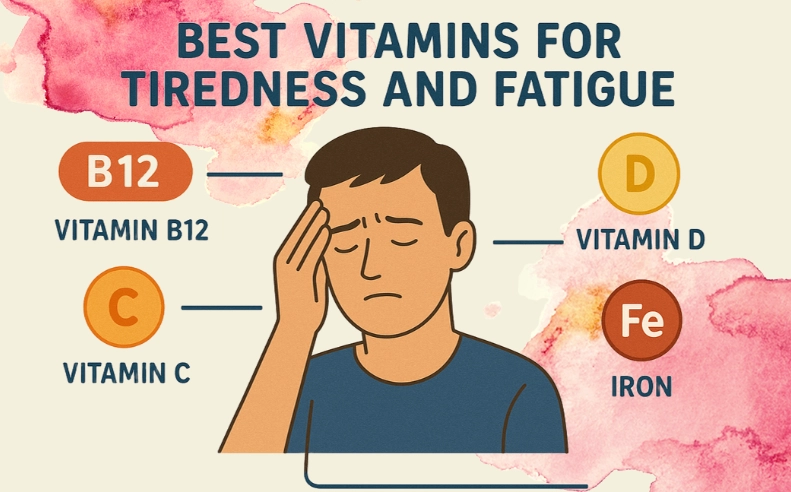
I've been researching nutrition and energy for over a decade, and the biggest mistake I see is people self-prescribing supplements without understanding the root cause. They spend hundreds on the wrong things. This guide won't just list vitamins; it will show you how to match the solution to your specific type of fatigue, based on science, not just marketing.
What's Inside This Guide
The Big Three: B12, D, and Iron (And Why They're Different)
When we talk about vitamins for fatigue, three nutrients consistently top the list because deficiencies in them are common and directly sabotage your energy at a cellular level. But they don't all work the same way.
Vitamin B12: The Energy Conductor
Think of B12 as the foreman on a construction site. It doesn't provide the raw materials (that's food), but it's essential for using them to build energy (ATP) inside your mitochondria, the power plants of your cells. No B12, the work grinds to a halt.
Who's most at risk? Vegans and vegetarians (it's only in animal products), people over 50 (stomach acid decreases, impairing absorption), and those on long-term acid-reflux medication (like PPIs).
Here's a subtle point most articles miss: the standard blood test for B12 can be misleading. It measures total B12, but not all of it is active. A more accurate test looks at methylmalonic acid (MMA) or holo-transcobalamin. I've seen clients with "normal" B12 levels but sky-high MMA, meaning their bodies weren't actually using the B12 they had.
Vitamin D: The Sunshine Hormone (Not Just a Vitamin)
Calling Vitamin D just a "vitamin" undersells it. It acts more like a hormone, regulating over 2000 genes in your body. One of its key jobs? Supporting mitochondrial function and muscle strength. Low D levels are strongly linked to that heavy, muscular fatigue and general malaise.
Almost everyone in northern latitudes or who works indoors is at risk. Sunscreen, while crucial for skin cancer prevention, blocks the UVB rays needed for synthesis.
The tricky part with D is dosage. The RDA (600-800 IU) is arguably too low for correcting a deficiency. Many experts now suggest maintenance doses of 2000-4000 IU daily, but you must get your levels checked first. Taking too much can cause problems.
Iron: The Oxygen Taxi
If fatigue is your main symptom, iron is arguably the most critical to check. Iron's sole purpose in your red blood cells is to bind to oxygen and carry it to every tissue in your body. Low iron = low oxygen delivery = your cells are literally suffocating. This causes profound tiredness, shortness of breath, and pale skin.
Key groups: Women with heavy periods, pregnant women, frequent blood donors, and people with gut issues like Celiac disease that impair absorption.
Another critical distinction: Ferritin is your iron storage protein. Doctors often look at hemoglobin (the iron in red blood cells), but your ferritin can be depleted long before anemia shows up. A ferritin level below 30 ng/mL can cause significant fatigue even with normal hemoglobin. Insist on a full iron panel, including ferritin.
| Nutrient | Primary Role in Energy | Key Deficiency Signs Beyond Tiredness | Best Food Sources |
|---|---|---|---|
| Vitamin B12 | Converts food into cellular energy (ATP); nerve health | Pins-and-needles sensation, brain fog, balance issues, sore tongue | Clams, liver, trout, salmon, beef, fortified nutritional yeast |
| Vitamin D | Regulates genes for mitochondrial function & muscle health | Low mood, frequent illnesses, bone/muscle aches, slow wound healing | |
| Iron | Carries oxygen in blood to tissues and muscles | Pale skin (especially inner eyelids), brittle nails, hair loss, restless legs, craving ice | Red meat, organ meats, lentils, spinach, tofu, fortified cereals (pair with Vitamin C for absorption) |
How to Figure Out Which One You Might Need (Before You Buy Anything)
Throwing darts at the supplement aisle is expensive and ineffective. You need clues. Ask yourself these questions:
- Is your fatigue mental or physical? B12 deficiency often brings brain fog and neurological symptoms. Iron deficiency fatigue feels profoundly physical—climbing stairs feels like a mountain.
- Look at your diet. Do you eat meat rarely or never? Flag B12 and Iron. Do you avoid dairy and fatty fish and live somewhere gray? Flag Vitamin D.
- Consider your biology. Do you have heavy menstrual cycles? Iron is suspect number one. Over 50 or on stomach meds? B12 absorption is likely compromised.
The only way to know for sure is a blood test. Talk to your doctor. Frame it around your symptoms: "I'm experiencing persistent fatigue, and I'd like to check my iron panel (including ferritin), Vitamin B12, and Vitamin D levels to rule out common deficiencies." This shows you're informed and focused on solutions.
The Supplement Trap: What Most People Get Wrong
Okay, let's say your tests show low iron or B12. The instinct is to run and buy a supplement. Here's where experience matters.
Mistake #1: Choosing the wrong form. Not all supplements are created equal. For B12, methylcobalamin is the active, ready-to-use form for many people, especially if you have certain genetic variants (like MTHFR). Cyanocobalamin is synthetic and cheaper but requires your body to convert it. For iron, ferrous bisglycinate is a chelated form that is far better absorbed and causes much less stomach upset than ferrous sulfate (the common, cheap form that constipates everyone).
Mistake #2: Taking them incorrectly. Iron is best taken on an empty stomach with Vitamin C (like a glass of orange juice) for max absorption. But if it upsets your stomach, take it with a small amount of food—just avoid calcium-rich foods (dairy) or coffee/tea at the same time, as they block absorption. Vitamin D is fat-soluble. Take it with your largest meal of the day that contains fat (avocado, nuts, olive oil) to boost absorption significantly.
Beyond Vitamins: The Lifestyle Levers You're Probably Ignoring
If your bloodwork comes back normal, your fatigue might not be vitamin-related. Here are two massive, under-discussed energy killers:
Sleep Architecture, Not Just Duration
You might be in bed for 8 hours, but are you getting deep, restorative sleep? Poor sleep "hygiene" (blue light before bed, inconsistent schedule, a hot room) fragments your sleep cycles. You miss out on deep sleep (physical restoration) and REM sleep (mental restoration). The result? You wake up exhausted. Tools like sleep trackers (e.g., Oura Ring, Whoop) can give clues, but the basics are non-negotiable: darkness, cool temperature, and a wind-down routine.
Adrenal Dysfunction & The Cortisol Rollercoaster
This is a controversial one, often dismissed by conventional medicine but glaringly obvious in functional practice. Chronic stress keeps your stress hormone, cortisol, elevated. Over time, this can lead to burnout, where your adrenals struggle to produce cortisol appropriately. The pattern often shows as tired but wired (exhausted but can't sleep), crashing in the afternoon, and relying on caffeine and sugar. This isn't solved by a vitamin alone. It requires stress management: adaptogenic herbs (like ashwagandha or rhodiola, under guidance), breathwork, and setting boundaries.
I once worked with a client, a high-powered lawyer, who had perfect bloodwork but was chronically exhausted. Her life was a series of back-to-back deadlines. We worked on 10-minute meditation blocks and switching her afternoon coffee to green tea. It wasn't a miracle, but it broke the cycle of cortisol spikes and crashes that were draining her.
Your Tiredness Questions, Answered
 Can I just take a daily multivitamin for fatigue instead of figuring this out?
The journey from constant fatigue to steady energy isn't about finding one magic bullet. It's a diagnostic process. Start with the highest-probability suspects—Vitamin B12, Vitamin D, and Iron—and get the data from a blood test. Address them with the right form and dose of supplement if needed. If those are ruled out, look deeper at your sleep quality and stress patterns. Your energy is your body's report card. Listen to what it's trying to tell you.
Reader Comments