You know the feeling. The alarm goes off, you've technically been in bed for seven or eight hours, but you drag yourself up feeling like you've been run over. Your head is fuzzy, your patience is thin, and coffee feels less like a beverage and more like a life-support system. Here's the hard truth a lot of sleep advice misses: it's not just about the hours. It's about what happens inside those hours. If you're missing deep sleep—the most restorative phase—you can sleep a long time and still wake up wrecked. The symptoms of a lack of deep sleep are sneaky. They often get blamed on stress, aging, or a busy life, but they point directly to a brain and body that haven't had their essential overnight maintenance.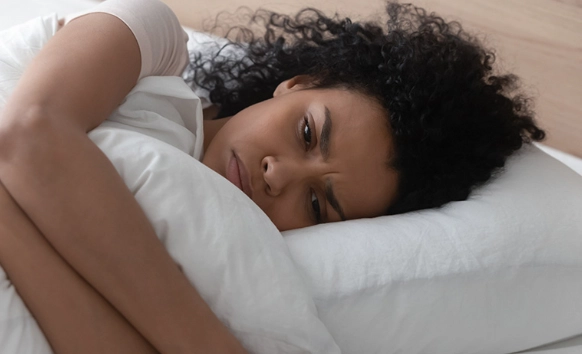
What You'll Discover in This Guide
What Deep Sleep Actually Does (It's Way More Than Just Feeling Rested)
Let's clear something up first. Deep sleep, or slow-wave sleep, isn't about dreaming. That's mostly REM sleep. Think of deep sleep as your brain's janitorial and construction crew working the night shift.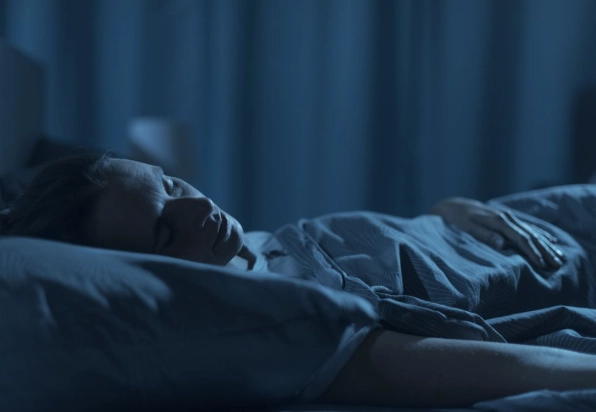
During this phase, your brain waves slow down dramatically into large, rolling delta waves. Your body is paralyzed (to keep you from acting out dreams), your heart rate and breathing are at their slowest, and it's incredibly hard to wake someone up. This isn't downtime—it's prime time for critical work:
- Memory Cementing: This is when short-term memories from the day get transferred to long-term storage. That presentation you practiced? Deep sleep locks it in. Forget a name right after hearing it? Could be a lack of deep sleep the night before.
- Brain Detox: Your brain's glymphatic system kicks into high gear, flushing out metabolic waste products like beta-amyloid, which is linked to Alzheimer's disease. It's a literal brain wash.
- Physical Repair: Growth hormone is released, which is crucial for tissue repair, muscle growth, and cell regeneration. Cuts heal slower, muscles recover poorly from workouts—these can be physical symptoms of deep sleep deprivation.
- Immune System Reboot: Your body produces cytokines, proteins that help fight infection and inflammation. Skimp on deep sleep, and you're leaving your immune defenses half-charged.
So when you don't get enough of this phase, these essential processes get short-changed. The effects leak into your entire next day, and over time, they accumulate. It's not just about being tired.
A quick note on tracking: Wearables like Fitbit or Oura Ring estimate deep sleep, but they're not medical-grade. They're good for spotting trends ("my deep sleep dropped after I started drinking coffee after 2 PM") but don't stress over the exact minutes. Polysomnography in a sleep lab is the only way to measure it precisely.
The Symptoms Checklist: How to Tell If You're Deep Sleep Deprived
The signs aren't always a simple "I'm tired." They manifest in your mind, your body, and even your emotional reactions. I've split them into the obvious flags and the more subtle ones people rarely connect to sleep.
The Big, Obvious Red Flags
These are the symptoms that will have you searching "why am I always tired?".
- Unrefreshing Sleep: The cardinal sign. You sleep for a decent duration but wake up feeling like you barely slept. The fog doesn't lift for hours, if at all.
- Relentless Brain Fog: You can't concentrate. Focusing on a report feels like trying to see through Vaseline. Making simple decisions becomes a chore. Your mental processing speed is just... slow.
- Memory Glitches: Forgetfulness becomes a habit. You walk into a room and forget why. You misplace your keys, blank on a colleague's name, can't recall details from a meeting. It's not "senior moment," it's often a "deep sleep moment."
- Mood Swings and Irritability: You're snappy, impatient, emotionally brittle. Small annoyances feel like major crises. The brain's emotional center (the amygdala) goes into overdrive without the regulating effect of deep sleep.
- Intense Sugar and Carb Cravings: Your body is desperate for quick energy because it didn't get its proper restoration overnight. You find yourself reaching for pastries, candy, and extra cups of coffee just to function.
The Sneaky, Less Obvious Symptoms
This is where it gets interesting. These signs fly under the radar but are deeply connected.
| Symptom | Why It Happens | What It Feels Like |
|---|---|---|
| Clumsiness & Poor Coordination | Deep sleep is crucial for motor skill consolidation and cerebellar function. | Bumping into doorframes, dropping things more often, feeling unsteady. |
| Getting Sick More Often | Impaired immune function from lack of cytokine production during deep sleep. | Catching every cold that goes around, longer recovery from illness. |
| Slow Healing | Reduced release of growth hormone, which is vital for tissue repair. | A small cut or bruise takes forever to heal. Sore muscles from Monday's workout are still sore on Thursday. |
| Increased Sensitivity to Pain | Sleep deprivation lowers your pain threshold; deep sleep is particularly anti-inflammatory. | Old aches and pains flare up more. You feel more physically fragile. |
| Waking Up Too Early | Sleep architecture gets messed up. You might get stuck in lighter sleep and pop awake at 4 AM. | Wide awake hours before your alarm, unable to fall back into deep, solid sleep. |
I see a lot of people in my practice who blame their constant minor injuries or perpetual colds on "bad luck." When we fix their deep sleep, it's like watching a different person emerge—more resilient, sharper, steadier.
Why You're Not Getting Deep Sleep: The Usual and Unusual Suspects
Okay, so you see yourself in the symptoms. Why is it happening? Beyond the basics like caffeine and stress, there are some nuanced culprits.
The Common Offenders:
- Caffeine & Alcohol: Caffeine's half-life is long. That 3 PM coffee can still be blocking sleep-promoting adenosine at 11 PM. Alcohol might knock you out, but it absolutely fragments sleep and butchers deep sleep in the second half of the night.
- Blue Light & Late Screen Time: It suppresses melatonin, delaying sleep onset and compressing your sleep window, often at the expense of deep sleep.
- Stress & An Overactive Mind: High cortisol at night is the enemy of deep sleep. Your brain stays in a state of alert, unable to descend into the slow, peaceful waves of deep sleep.
- Sleeping in a Hot Room: Your core body temperature needs to drop to initiate and maintain deep sleep. A room that's too warm prevents this drop.
The Overlooked & Subtle Reasons:
- Inconsistent Sleep Schedule: This is a huge one. Your brain loves predictability. Going to bed at 10 PM one night and 1 AM the next confuses your internal clock (circadian rhythm), making it harder to sink into deep, efficient sleep.
- Lack of Daytime Physical Activity: Sedentary days don't create enough "sleep pressure"—the body's need for recovery. But timing matters. Intense exercise right before bed can be too stimulating.
- Eating a Heavy, Late Meal: Your body is busy digesting when it should be powering down for repair. This can pull resources away from the processes that facilitate deep sleep.
- Underlying Sleep Disorders: Sleep apnea is the big one here. Each time you stop breathing (an apnea), your brain gets a micro-arousal to restart breathing. This constantly pulls you out of deep sleep. You might have no memory of it, but you'll have all the symptoms. According to the American Academy of Sleep Medicine, this is a massively under-diagnosed cause of poor sleep quality.
- Certain Medications: Some SSRIs (antidepressants), beta-blockers, and corticosteroids can interfere with sleep architecture.
How to Get More Deep Sleep Naturally: A Non-Negotiable Nightly Routine
Improving deep sleep isn't about one magic trick. It's about stacking small, consistent habits that signal to your brain, "It's safe to go into repair mode now." Ditch the perfectionism. Pick two to start with.
1. Engineer Your Environment for Depth
Cool it down: Aim for a bedroom temperature around 65°F (18°C). This is non-negotiable for me. A hot room guarantees shallow sleep.
Black it out: Use blackout curtains or a sleep mask. Even small amounts of light can disrupt sleep cycles.
Silence is golden: Use earplugs or a white noise machine to mask disruptive sounds. I use a simple fan.
2. Master the Wind-Down (The 60-Minute Pre-Sleep Ritual)
This is where you lower nervous system arousal.
Screen Curfew: No phones, tablets, or laptops 60 minutes before bed. Read a physical book instead.
Dim the Lights: Use lamps instead of overhead lights. Consider amber-tinted glasses if you must use a screen.
Try a Body Scan: Lie in bed and mentally scan from toes to head, consciously relaxing each part. It sounds simple, but it's incredibly effective at shifting your state.
3. Dial in Daytime Habits
Morning Sunlight: Get 10-15 minutes of natural light within an hour of waking. This sets your circadian rhythm for the day, promoting better sleep pressure at night.
Move Your Body: Regular exercise, especially earlier in the day, boosts deep sleep. Even a 30-minute walk helps.
Watch the Fuel: Limit caffeine after noon. Avoid large meals within 3 hours of bedtime. A small, protein-rich snack if you're hungry is okay.
4. What About Supplements?
Magnesium glycinate or L-theanine can help some people relax. Tart cherry juice contains natural melatonin. But view these as supports, not solutions. Fixing the environment and habits comes first. Always check with a doctor before starting supplements.
The biggest mistake I see? People try all this for two nights, don't see a miracle, and quit. It takes consistency. Give any new habit at least two weeks to see its effect on your sleep quality.
When to Seek Professional Help for Deep Sleep Problems
If you've genuinely tried the lifestyle fixes for a month and still feel wrecked, it's time to look deeper. Don't just accept chronic fatigue as your new normal.
Major red flags that warrant a visit to your doctor or a sleep specialist:
- Your partner reports loud, chronic snoring, gasping, or choking sounds at night.
- You have an overwhelming urge to move your legs at night (Restless Legs Syndrome).
- You experience vivid, disruptive dreams where you act out physically.
- Excessive daytime sleepiness that makes driving or work dangerous.
- The fatigue and brain fog are severely impacting your quality of life.
A sleep study (polysomnography) can diagnose conditions like sleep apnea, periodic limb movement disorder, or narcolepsy that directly steal deep sleep. Treating the underlying condition is the real fix.
Reader Comments