Quick Navigation
- So, What Exactly Is Happening in Your Brain?
- The Unmistakable Signs: More Than Just "Feeling Tired"
- The Main Culprits: What's Fueling Your Morning Fog?
- The Battle Plan: Proven Strategies to Shake Off the Grogginess
- Comparing Your Strategy Options
- Answering Your Burning Questions About Sleep Inertia
- When to Dig Deeper: Could It Be Something Else?
- The Takeaway: It's a System, Not a Single Fix
You know the feeling. The alarm screams, and instead of jumping out of bed ready to conquer the day, you feel like you're swimming through mud. Your brain is foggy, your body feels heavy, and hitting the snooze button seems like the only rational choice in the world. That, my friend, is sleep inertia in all its frustrating glory.
It's not just being a little sleepy. It's a distinct state of impaired cognitive and sensory-motor performance that can last from a few minutes to a few hours. For years, I just called it "being bad at mornings." I'd stumble to the coffee maker, bump into doorframes, and my brain would refuse to form coherent sentences until at least 10 AM. I blamed my night-owl tendencies and thought it was just my lot in life. Turns out, I was experiencing a very real, scientifically documented phenomenon.
So, What Exactly Is Happening in Your Brain?
Let's ditch the complex jargon. When you're in deep sleep (especially slow-wave sleep), your brain is in a very different mode than when you're awake. Blood flow patterns are different. Neurotransmitter levels (like adenosine) are high. Parts of your prefrontal cortex—the CEO of your brain responsible for decision-making, self-control, and complex thought—are essentially still asleep or booting up very slowly.
Think of it like a computer waking from hibernation. It takes time for all the systems to spin up, load the necessary programs, and get running at full speed. If you interrupt that process abruptly (with a blaring alarm), you get system lag. That's your sleep inertia.
The National Sleep Foundation describes it clearly as a transitional state of lowered arousal. What's fascinating (and a bit annoying) is that the deeper the sleep you're awakened from, the worse the inertia tends to be. That's why naps taken in the afternoon, which often dive into deep sleep, can leave you feeling worse than before you napped.
The Unmistakable Signs: More Than Just "Feeling Tired"
How do you know it's sleep inertia and not just general sleep deprivation? The symptoms have a specific flavor.
- The Groggy Heavy Feeling: This is the hallmark. A physical sensation of weight, like gravity has been turned up a notch.
- Brain Fog & Poor Judgment: Simple decisions feel overwhelming. "What should I wear?" becomes a philosophical quandary. You might put the milk in the cupboard and the cereal in the fridge. (Guilty as charged).
- Intense Desire to Return to Sleep: This isn't casual tiredness. It's a powerful, almost primal pull back to the pillow. The snooze button is your nemesis and your best friend.
- Impaired Short-Term Memory and Cognitive Speed: Reading an email might require three passes. Mental math is out of the question. Reaction times are slowed, which is why driving immediately after waking can be surprisingly dangerous.
- Grouchiness/Irritability: This is the symptom your family or roommates notice first. That morning grumpiness isn't necessarily you being mean; it's your sleep-deprived prefrontal cortex unable to regulate emotion effectively yet.

The Main Culprits: What's Fueling Your Morning Fog?
Pinpointing the cause is 80% of the battle. It's rarely just one thing.
Your Sleep Architecture is Getting Bulldozed
The biggest offender is abrupt awakening during a deep sleep stage. Our sleep cycles through light sleep, deep sleep, and REM sleep roughly every 90 minutes. If your alarm goes off during deep sleep (Stage N3), you're in for a rough time. This is why waking up after 4.5 or 6 hours of sleep can sometimes feel worse than after 5—you might have been yanked from the deepest part of the cycle.
I used to think the more sleep I got, the better I'd feel. Then I'd sleep for 9 hours on a weekend and wake up feeling like I'd been hit by a truck. That was my first clue about sleep cycles.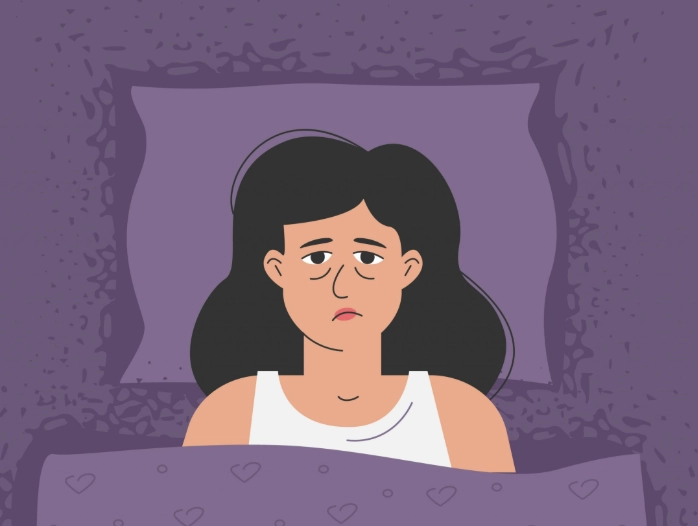
The Circadian Rhythm Misalignment
Your body has a master clock in the brain (the suprachiasmatic nucleus, if you want the fancy term) that regulates your sleep-wake cycle. It naturally dips for sleep and rises for wakefulness. If you try to wake up during your body's biological "night"—say, you're a natural night owl forced to wake at 6 AM for a job—your sleep inertia will be more pronounced because your circadian drive for wakefulness is at its lowest.
Social jet lag (the shift between weekday and weekend sleep schedules) brutally exacerbates this. You're essentially giving yourself mini-timezone changes every week.
Sleep Debt is a Real Debt
This one seems obvious, but it's profound. Chronic partial sleep deprivation—consistently getting less sleep than you need—builds up a debt. Your body responds by increasing the intensity and proportion of deep sleep (slow-wave sleep) in the time you do get, as it's desperately trying to repair and restore. More deep sleep means a higher likelihood of being awoken from it, leading to worse sleep inertia.
It's a vicious cycle: you're tired, so you sleep deeper when you can, which makes waking up harder, which makes you more tired... you get the picture.
Other Common Contributors
- Sleep Disorders: Conditions like sleep apnea fragment your sleep all night, preventing you from getting restorative deep sleep and leaving you exhausted and inert in the morning.
- Alcohol & Certain Medications: Alcohol might help you fall asleep, but it butchers your sleep architecture, suppressing REM early in the night and leading to rebound later, which can disrupt the whole cycle and worsen morning grogginess.
- A Dark, Warm Room: Your body uses light and temperature cues to time its wake-up process. A pitch-black, toasty room gives your brain zero signals that it's time to transition to wakefulness.
The Battle Plan: Proven Strategies to Shake Off the Grogginess
Okay, enough with the problem. Let's talk solutions. This isn't about one magic trick. It's about stacking several small, sustainable habits that work with your biology, not against it.
Master Your Wake-Up Timing (The Most Powerful Tool)
The goal is to wake up at the natural end of a sleep cycle, during light sleep or REM, not deep sleep. How?
- Use a Sleep Cycle Alarm App: These apps (like Sleep Cycle or similar) use your phone's accelerometer or microphone to detect your movement in bed. They aim to wake you during a period of light sleep within a 30-minute window you set. It's not perfect, but it's leagues better than a jarring alarm at a fixed time. This single change reduced my morning zombie time by what felt like half.
- Calculate Your Sleep Times: If you dislike apps, do the math. Aim for sleep durations that are multiples of ~90 minutes. If you need to wake up at 7 AM, try to be asleep by 11:30 PM (7.5 hours) or 10 PM (9 hours). Falling asleep takes time, so factor that in. An earlier bedtime aiming for a 90-minute multiple often works better than a later one.
Harness Light Like a Pro
Light is your brain's primary cue that it's time to be awake. It suppresses melatonin and kicks your circadian rhythm into gear.
- Get Morning Sunlight: Within 30-60 minutes of waking, get outside for 5-10 minutes. No sunglasses. Don't stare at the sun, just be in it. Even on a cloudy day, the light intensity is orders of magnitude higher than indoor lighting. This is non-negotiable for me now. I have a small coffee-on-the-porch ritual that fixes my timing better than any alarm.
- Use a Dawn Simulator Alarm Clock: These are lamps that gradually brighten over 30-60 minutes before your alarm, mimicking a natural sunrise. It gently raises your body temperature and cortisol levels, preparing your brain for a smoother transition. It's like a pre-wake-up call for your circadian system.
The Strategic Use of Caffeine & Temperature
Don't just gulp coffee the second you open your eyes.
- Delay Your First Coffee: Here's a counterintuitive tip that works. Wait 60-90 minutes after waking before having caffeine. Why? When you wake up, your cortisol levels are naturally peaking (the "cortisol awakening response"). Drinking coffee during this peak can blunt the natural response and lead to a bigger crash later. Let your body's natural alerting system do its job first, then use caffeine as a booster. It was hard to adopt, but it made my afternoon energy much more stable.
- Take a Cool(ish) Shower: A sudden drop in skin temperature signals alertness. You don't need an ice bath. Ending your shower with 30-60 seconds of cool water does the trick. It's bracing, but it works.
- Have a Glass of Water: You're mildly dehydrated after a night's sleep. Hydration is crucial for all cellular function, including in your brain.
Building a Morning Routine That Sticks
The key is low-barrier activities that force gentle engagement.
- Don't Hit Snooze: I know, I know. But hitting snooze fragments those precious last bits of sleep into useless, low-quality chunks that worsen sleep inertia. Place your alarm across the room. The act of getting up to turn it off is often enough to break the spell.
- Do Something Physical (But Simple): Not a full workout. Just some gentle stretching, a short walk to get that sunlight, or even making your bed. It increases blood flow.
- Engage Your Brain Gently: Listen to a podcast, an audiobook, or some upbeat music. Don't jump straight into demanding cognitive tasks. Let the fog lift first.
Comparing Your Strategy Options
Not all strategies are created equal. Here's a quick look at their impact and ease.
| Strategy | How It Fights Sleep Inertia | Effort Level | My Personal Effectiveness Rating |
|---|---|---|---|
| Morning Sunlight | Resets circadian clock, suppresses melatonin, boosts cortisol naturally. | Low (once it's a habit) | Top Tier. The single most effective thing I do. |
| Sleep Cycle Alarm | Aims to wake you from light sleep, not deep sleep. | Very Low (set and forget) | Very High. Makes a noticeable difference in wake-up mood. |
| Delayed Caffeine | Prevents interference with natural cortisol rhythm, provides smoother energy. | Medium (requires willpower!) | High for long-term energy, low for immediate gratification. |
| Consistent Sleep Schedule | Stabilizes circadian rhythm, reduces social jet lag. | High (socially difficult) | Crucial, but hard to maintain perfectly. Aim for consistency, not perfection. |
| Cool Shower Splash | Triggers thermoregulatory alertness response. | Medium (unpleasant at first) | Moderate. Great quick fix, but I don't always do it. |
| Pre-Sleep Hydration | Reduces overnight dehydration, a subtle contributor to brain fog. | Low | Subtle but helpful. Easy win. |
Answering Your Burning Questions About Sleep Inertia
It can be, indirectly. The impaired judgment, slowed reaction time, and poor coordination can be a real hazard if you're driving, operating machinery, or making critical decisions immediately after waking. Studies have shown performance impairments similar to being legally drunk or severely sleep-deprived in the first 15-30 minutes after awakening. Give yourself a buffer before doing anything demanding.
For most people, the worst of it lifts within 15 to 60 minutes. But the "performance deficit" can linger subtly for up to two hours, especially for complex tasks. If you're chronically sleep-deprived, it can last all morning. That's a sign you need to look at your total sleep quantity and quality, not just your wake-up strategy.
Naps are a double-edged sword. A short "power nap" of 10-20 minutes, taken before 3 PM, usually keeps you in light sleep and can refresh you without causing significant sleep inertia. However, naps longer than 30 minutes risk dipping into deep sleep. Waking from a deep-sleep nap can produce intense, disorienting sleep inertia that leaves you feeling worse. If you nap, keep it short or commit to a full 90-minute cycle.

Shift work is arguably the ultimate challenge for sleep inertia, as you're constantly fighting your circadian rhythm. The strategies above become even more critical. Strategic, timed light exposure is your best weapon. Use bright light during your "wake" period (even if it's nighttime) and absolute darkness for sleep (blackout curtains, eye mask). The CDC's NIOSH resources on shift work have specific, evidence-based guidance for managing sleep and alertness in these tough schedules.
When to Dig Deeper: Could It Be Something Else?
While common, severe and persistent sleep inertia shouldn't be ignored. Consider talking to a sleep specialist or your doctor if:
- It lasts for several hours every single day, no matter how much sleep you get.
- You experience episodes of sleep paralysis (being unable to move) or hypnagogic/hypnopompic hallucinations (vivid dream-like sensations when falling asleep or waking).
- You have overwhelming daytime sleepiness, even after a full night's sleep.
- Your partner reports loud snoring, gasping, or pauses in your breathing at night (signs of sleep apnea).
Sometimes, conquering sleep inertia requires fixing an underlying issue. A sleep study can reveal a lot.
The Takeaway: It's a System, Not a Single Fix
Beating sleep inertia isn't about finding one life hack. It's about building a system that respects your biology.
Think of it as a morning ritual for your brain.
Start by protecting your sleep (quantity and timing). Then, craft a gentle, cue-rich wake-up process: light first, then movement, then hydration, then maybe caffeine. Be consistent. Your brain loves predictability.
Some mornings will still be harder than others. That's life. But by understanding the "why" behind the grogginess—the neurobiology of sleep inertia—you can stop fighting yourself and start working with your own body's rhythms. That shift from frustration to strategy makes all the difference.
Now, if you'll excuse me, it's time for my morning walk in the sun.
Reader Comments