Severe insomnia isn't just about missing a few hours of sleep. It's a relentless cycle where night after night, you're trapped awake, watching the clock, your mind racing while your body screams for rest. The standard advice—"drink chamomile tea" or "avoid screens"—feels like using a band-aid on a broken leg. If you're here, you've likely tried those things. They didn't work. Breaking severe insomnia requires a different approach, one that addresses the root causes, not just the symptoms. This guide is that approach. It's a practical, actionable plan built on evidence-based methods and the hard-won insights from sleep specialists and people who've been where you are.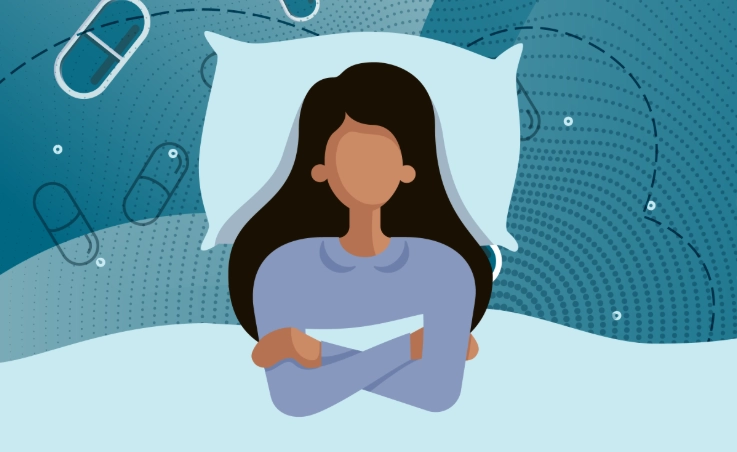
Your Quick Navigation Guide
Understanding the Enemy: What Makes Insomnia 'Severe'?
Let's be clear. We're not talking about the occasional rough night before a big meeting. The American Academy of Sleep Medicine defines chronic insomnia disorder as difficulty sleeping occurring at least three nights per week for three months or longer, despite adequate opportunity for sleep, causing significant daytime impairment. The "severe" part kicks in when this impairment is debilitating—extreme fatigue, brain fog, mood disturbances, and a deteriorating quality of life.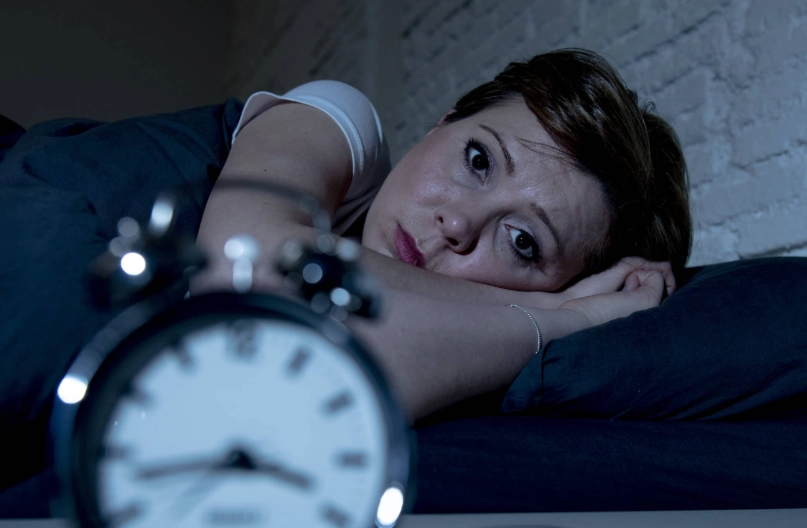
The critical mistake most people make? They see insomnia as a single problem: "I can't sleep." In reality, severe chronic insomnia is a self-sustaining loop of three interconnected problems:
- Physiological Arousal: Your nervous system is stuck in "fight or flight." Your heart rate might be up, muscles tense.
- Cognitive Hyperarousal: The mental chatter. The anxiety about not sleeping, the replaying of the day, the dread of tomorrow.
- Conditioned Sleep Anxiety: Your bed and bedroom have become cues for anxiety and wakefulness, not relaxation and sleep. This is why you might feel sleepy on the couch but wide awake the moment your head hits the pillow.
To break severe insomnia, you must attack all three parts of this loop. Focusing on just one is why most DIY attempts fail.
The Expert Insight Often Missed: People think, "If I'm exhausted, I'll eventually crash." With severe insomnia, the opposite often happens. The more exhausted you become, the more your body pumps out cortisol and adrenaline to keep you going, which further fuels the hyperarousal loop. Pure fatigue rarely beats conditioned anxiety.
The Non-Negotiable Foundational Shifts
Before we get to tactics, you need the right mindset. These aren't tips; they are prerequisites.
1. Stop Trying to "Force" Sleep
Sleep is not a voluntary act. You cannot will yourself to sleep any more than you can will yourself to digest food faster. The effort, the clock-watching, the internal pleading—"Please, just sleep!"—is pure fuel for the anxiety loop. Your new goal is not to sleep, but to create the conditions where sleep is most likely to occur. This shift in focus, from outcome to process, is liberating and reduces performance anxiety.
2. Reclaim Your Bedroom
If you've been lying in bed for hours awake, working from bed, or scrolling on your phone in bed, your brain has learned that "bed = being awake." This association needs to be broken. The rule is simple: The bed is for sleep and intimacy only. If you're awake and frustrated for more than 20-25 minutes, get up. Go to another room. Do something boring in dim light (no screens). Read a physical book. Only return to bed when you feel sleepy. This is called Stimulus Control Therapy, and it's one of the most powerful tools for breaking the conditioned anxiety link.
3. Schedule Your Worry (Yes, Really)
Tell your brain it will have time to worry, just not at 2 a.m. Set a 15-minute "worry period" in the early evening. Sit with a notepad and write down everything on your mind. Problems, to-do lists, anxieties. Once the time is up, close the book. If those thoughts pop up at night, you can calmly tell yourself, "I've already addressed that during my worry time. I can let it go until tomorrow." It sounds simple, but it compartmentalizes the mental noise.
Building Your Personalized Insomnia Recovery Plan
This is the core action plan. Think of it as a combination therapy you tailor to your life.
Core Component A: Sleep Restriction (The Most Counterintuitive but Effective Tool)
This is where most people balk. "I'm already not sleeping enough, and you want me to spend *less* time in bed?" Yes. But hear me out. If you're spending 9 hours in bed but only sleeping 5, you have 4 hours of wakefulness reinforcing that bad association. Sleep restriction temporarily reduces your time in bed to match your actual average sleep time. This builds strong sleep drive and increases sleep efficiency (the percentage of time in bed you're actually asleep).
How to do it (simplified): For a week, keep a sleep log. Calculate your average total sleep time per night. Then, set a fixed wake-up time you can stick to every day (even weekends). Count backwards from that wake-up time using your average sleep time. That's your new, later bedtime. It will be hard at first—you'll be sleepy. But as your sleep efficiency improves (you're sleeping 85-90% of the time you're in bed), you can gradually add 15 minutes to your time in bed. This is a core part of Cognitive Behavioral Therapy for Insomnia (CBT-I), which is considered the gold standard non-drug treatment. A study published by the American Psychological Association highlights its superior long-term efficacy compared to medication.
Core Component B: Mastering the Wind-Down
Your pre-bed routine needs to be a signal of safety, not a rushed afterthought. Start 60-90 minutes before your scheduled bedtime.
- Light is Your #1 Cue: Dim overhead lights. Use lamps. Consider amber-tinted glasses to block blue light if you must use a device. This supports your natural melatonin production.
- The Temperature Drop: A cool room (around 65°F or 18°C) is crucial. Take a warm bath or shower about an hour before bed. The subsequent drop in your core body temperature as you cool off is a strong sleep signal.
- Activity Shift: Move from stimulating activities (work, intense conversations, action movies) to calming ones (gentle stretching, listening to calming music or a boring podcast, light reading).
Core Component C: Daytime Behaviors That Build Sleep Pressure
What you do all day sets the stage for the night.
- Morning Light: Get bright natural light exposure within 30-60 minutes of waking. This resets your circadian rhythm and boosts daytime alertness, making the contrast with night stronger.
- Exercise Strategically: Regular exercise is fantastic for sleep, but timing matters. For many with insomnia, intense exercise too close to bedtime can be stimulating. Aim to finish vigorous workouts at least 3-4 hours before bed. Gentle yoga or walking in the evening is usually fine.
- Manage Caffeine & Alcohol: This isn't just "avoid coffee." Caffeine has a half-life of 5-6 hours. That 3 p.m. coffee could still be 25% active at 9 p.m. Set a firm cutoff time (often noon or 2 p.m.). Alcohol? It's a sedative that fragments sleep. It might help you fall asleep, but it wrecks sleep quality in the second half of the night, leading to early morning awakenings.
When and How to Get Professional Help
If you've tried self-managing for a few weeks with no progress, or if your insomnia is causing severe distress, it's time to bring in a pro. Don't view this as a failure; view it as deploying the most effective tool.
Who to see:
- A Behavioral Sleep Medicine Specialist: This is a psychologist or therapist specifically trained in CBT-I. They can guide you through sleep restriction, stimulus control, and cognitive restructuring with professional support. The Society of Behavioral Sleep Medicine has a provider directory.
- A Sleep Physician (Pulmonologist, Neurologist, Psychiatrist): Crucial to rule out underlying conditions like sleep apnea, restless legs syndrome, or thyroid issues that can mimic or worsen insomnia. This often involves a sleep study.
Be prepared for your appointment. Bring your sleep log. Describe your symptoms clearly: not just "I can't sleep," but "It takes me over 2 hours to fall asleep, and I wake up at 3 a.m. and can't get back to sleep, and this makes me unable to focus at work." Specifics get better help.
Your Severe Insomnia Questions, Answered
Will sleeping pills cure my severe insomnia?
In a word, no. Prescription sleep medications (like zolpidem or eszopiclone) are classified by the FDA as for short-term use, typically a few weeks. They can be a useful bridge in crisis, helping you get some rest while you establish behavioral therapies like CBT-I. But they do not address the conditioned anxiety or cognitive patterns that maintain chronic insomnia. Relying on them long-term often leads to tolerance (needing more for the same effect) and can even worsen sleep architecture. The goal of treatment should be to sleep well without them.
I've heard about CBT-I, but is it really different from just having good sleep hygiene?
Absolutely. Sleep hygiene (cool room, dark, quiet, etc.) is the foundation—it's like the gasoline in your car. But if your engine is broken (the conditioned insomnia loop), gas alone won't get you moving. CBT-I is the engine repair. It contains specific, structured techniques like Sleep Restriction and Stimulus Control Therapy that actively break the association between bed and wakefulness and rebuild a healthy sleep drive. Hygiene supports CBT-I; it doesn't replace it for severe cases.
My mind just won't shut off when I get into bed. What's a concrete technique to stop the racing thoughts?
Beyond the scheduled worry time, try "paradoxical intention." Instead of trying to stop thoughts or force sleep, lie in bed and try to stay awake with your eyes open in the dark. Give yourself permission to be awake. Often, the performance pressure dissolves, and sleepiness can creep in. Another tactic: engage in a mentally undemanding, non-visual fantasy. Imagine walking slowly through a familiar place in great sensory detail—the feel of the path, the sounds, the smells. This gives your brain a task that's engaging enough to crowd out anxious thoughts but boring enough to allow sleep to come.
If I have a terrible night of sleep, should I nap the next day to catch up?
This is a classic trap. Napping, especially after 3 p.m., or for longer than 20-30 minutes, steals sleep pressure from the following night. It can directly fuel the next bout of insomnia. If you must nap to function safely (e.g., while driving), limit it to a 20-minute "power nap" before 2 p.m. The better, though harder, path is to push through the day without napping. This builds a stronger, consolidated sleep drive for the next night, which is key for breaking the cycle.
How long does it take to see real improvement with these methods?
Be patient but persistent. The initial phase of sleep restriction can be challenging for 1-2 weeks. Most people undergoing a full CBT-I program with a specialist see significant improvement within 4-8 weeks. The key is consistency. You're retraining a deeply ingrained pattern. One or two bad nights don't mean the method has failed. Stick with the process—consistent wake time, getting out of bed when awake, following the schedule—even on weekends. That consistency is what rewires the brain's sleep system.
Reader Comments