Let's be honest. For a long time, napping got a bad rap. It was seen as a sign of laziness, a luxury for the unproductive. But science has flipped the script completely. Strategic napping is now recognized as a powerful tool for cognitive performance, emotional regulation, and physical health. And for women, whose biology and societal roles often create unique sleep challenges, mastering the art of the nap can be a game-changer. This isn't about crashing on the couch for two hours. It's about a precise, 20-minute recharge that can reset your entire afternoon.
What You'll Discover
Why Women Might Need Naps More
It's not just in your head. Several factors converge to make daytime sleepiness a more frequent visitor for women. Hormonal fluctuations across the menstrual cycle are a primary driver. After ovulation, rising progesterone levels have a sedative effect—it's a natural sleep aid your body produces. That mid-luteal phase fatigue? That's biology, not a lack of willpower.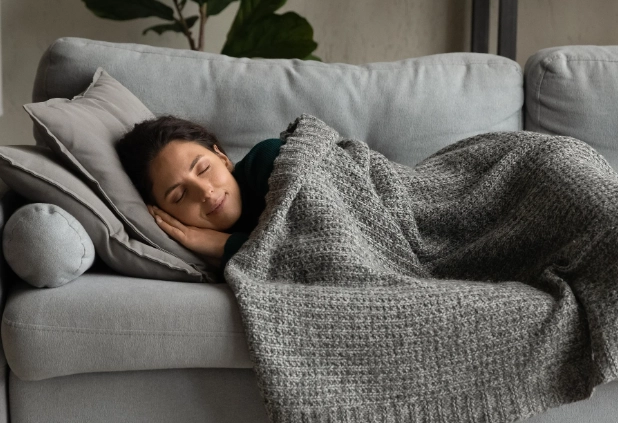
Then there's the mental load. Studies, like those referenced by the American Psychological Association, consistently show women report higher levels of stress related to family and household responsibilities. This constant cognitive planning and emotional labor is mentally exhausting. Your brain is a high-performance machine, and it needs downtime to clear metabolic waste and consolidate memories. A nap provides that pit stop.
Sleep architecture differs too. Research suggests women often spend more time in deep, restorative sleep (slow-wave sleep) but are also more easily awakened. This can lead to more fragmented sleep overall, making daytime recovery more crucial. Ignoring this need and pushing through on caffeine alone is like driving a car with the check engine light on.
The Science-Backed Benefits Just for You
So what exactly do you gain from giving in to that afternoon slump in a controlled way? The list is impressive and goes far beyond just feeling less tired.
Cognitive Reboot and Emotional Reset
A short nap acts like a Ctrl+Alt+Del for your brain. It clears out the temporary storage (the hippocampus), making room for new information and improving learning capacity. I've seen clients who struggle with afternoon focus transform their productivity with a scheduled 20-minute rest. It's not time lost; it's focus regained. Emotionally, naps lower cortisol, the stress hormone. Ever feel "hangry" or irritable by 3 PM? That's often a cortisol spike. A nap can smooth that out better than a sugary snack.
Hormonal Harmony and Cardiovascular Support
This is where it gets really interesting for women's health. Chronic sleep deprivation wreaks havoc on hormones like insulin, ghrelin, and leptin, which regulate appetite. A nap can help stabilize these, potentially curbing those late-day cravings. Furthermore, institutions like the National Sleep Foundation highlight the link between poor sleep and increased risk of heart disease. A regular napping habit (when done correctly) is associated with lower blood pressure and reduced stress on the cardiovascular system.
The Nap Duration Sweet Spot: Not all naps are created equal. The length of your nap determines what kind of benefits you get. Go too long, and you risk sleep inertia—that groggy, disoriented feeling that defeats the purpose.
| Nap Length | Primary Benefit | Best For... | The Catch |
|---|---|---|---|
| 10-20 Minutes | Alertness, focus, motor performance | A quick energy boost, beating the 3 PM slump | Benefits fade after a few hours |
| 20-30 Minutes (The "Power Nap") | Memory consolidation, creativity, mood enhancement | Learning new skills, problem-solving, emotional regulation | May include brief sleep inertia for 5-10 mins |
| 60-90 Minutes | Full sleep cycle, includes deep (slow-wave) sleep | Major sleep debt recovery, boosting perceptual learning | High risk of severe sleep inertia; can disrupt nighttime sleep |
For most women juggling daily tasks, the 20-30 minute power nap is the undisputed champion. It delivers maximum benefit with minimal downside.
How to Nap Effectively: The Step-by-Step Guide
Okay, you're convinced. But how do you actually do this? Making a nap work requires a bit more intention than just closing your eyes at your desk.
1. Timing is Everything: The post-lunch dip between 1 PM and 3 PM is your biological golden window. Your circadian rhythm naturally dips here, and your body temperature drops slightly, making sleep easier. Napping after 3 PM is playing with fire—it's much more likely to steal from your nighttime sleep.
2. Create a (Mini) Sleep Sanctuary: You don't need a five-star hotel room. You need darkness and quiet. A sleep mask is the single best investment a napper can make. It signals "sleep time" to your brain instantly. Earplugs or a white noise app on your phone can block out ambient noise. The goal is to mimic your nighttime environment as closely as possible, even if just for 20 minutes.
3. The Set & Forget Ritual: Set a firm alarm for 25-30 minutes (giving yourself 5 minutes to fall asleep). Lie down if possible. If you're at work, recline your chair. The posture matters—lying flat helps your body relax into sleep faster than sitting upright. Consciously tell yourself, "I am resting for 25 minutes to recharge." Then let go. Don't stress about whether you're sleeping or just in a deep rest state. Both are beneficial.
Common Napping Mistakes (And How to Avoid Them)
I've coached dozens of women on sleep, and the same errors pop up again and again. Avoiding these will save you from the "nap gone wrong" experience.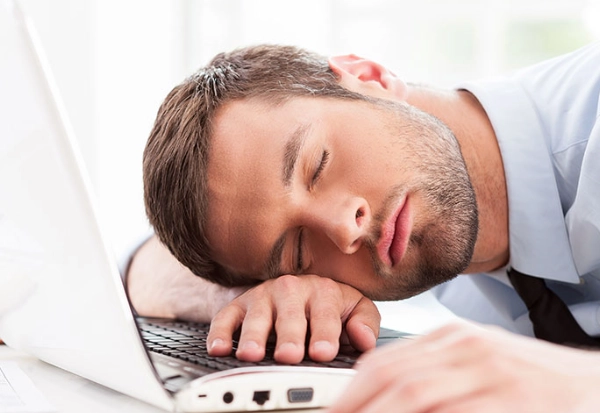
The Marathon Nap: This is the big one. You lie down at 2 PM and wake up at 4 PM disoriented, grumpy, and with a headache. You've entered deep sleep and woken up in the middle of it. Stick to the timer religiously. No "just five more minutes."
Napping as a Band-Aid for Terrible Night Sleep: A nap is a supplement, not a replacement. If you're consistently needing long naps to function, the problem is your nighttime sleep hygiene. Address that first—consistent bedtime, cool dark room, no screens before bed.
The Caffeine-Then-Nap Paradox (Actually, This One's a Hack): This sounds like a mistake but isn't. Drinking a cup of coffee right before your 20-minute nap works brilliantly. Caffeine takes about 25 minutes to hit your bloodstream. You sleep through the initial jittery phase and wake up as the caffeine kicks in, getting a double boost of alertness. It's called a "caffeine nap" and it's wildly effective.
Advanced Nap Techniques for the Committed
Once you've mastered the basic power nap, you can play with more advanced concepts.
The 90-Minute "Weekend Reset": On a weekend when you have time to deal with potential grogginess, a full 90-minute nap allows you to complete a full sleep cycle (light, deep, REM sleep). This can be incredibly restorative after a tough week and can boost creativity. Schedule it early in the afternoon and don't plan anything demanding for at least an hour after you wake up.
Nap Positioning for Specific Goals: Some biohackers swear by napping in a recliner with legs elevated to reduce inflammation. For pregnant women, napping on the left side is recommended to improve circulation. Experiment to see what makes you feel best.
Napping Through Different Life Stages
A woman's relationship with sleep and napping evolves.
During Pregnancy: Nap! Your body is working overtime. The National Sleep Foundation notes that pregnancy often brings fatigue, especially in the first and third trimesters. Short, supportive naps (on your side) are not just okay, they're encouraged. They help with swelling, lower back pain, and managing energy.
For New Mothers: "Sleep when the baby sleeps" is classic advice for a reason. Your sleep is fragmented beyond belief. In this season, any sleep you can get is the right sleep. Throw the ideal timing and duration rules out the window. A 15-minute nap while the baby is in the swing is a victory.
Perimenopause and Menopause: Hot flashes and night sweats destroy sleep quality. A daytime nap can be essential for compensating. The key here is to be even more strict about keeping it short and early. Sleep disturbances make you more prone to deep sleep during naps, which increases inertia.
Think of napping not as a sign of weakness, but as a sophisticated tool for managing your energy, health, and mind. In a world that demands constant output, the strategic pause is a radical act of self-care. It's about working with your biology, not against it. So the next time that afternoon fog rolls in, don't just reach for another coffee. Consider giving yourself permission to pause, reset, and wake up ready to own the rest of your day.
Reader Comments