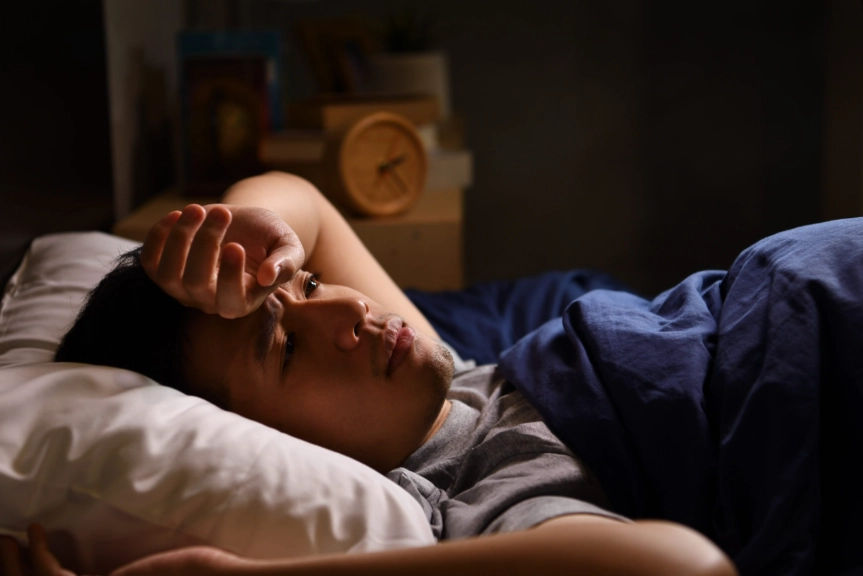
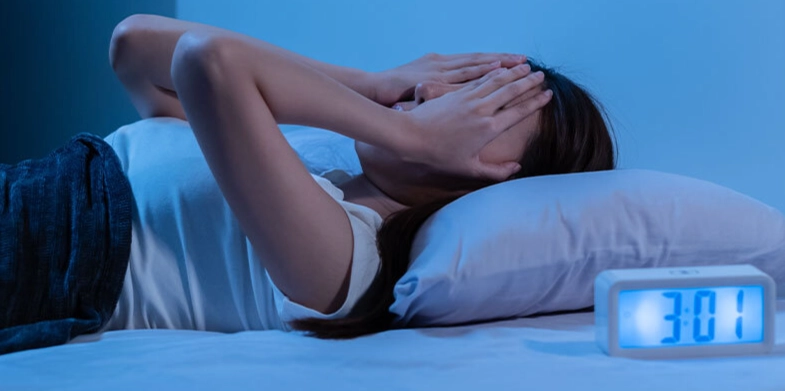
Let's be honest. We've all been there. Staring at the ceiling at 3 AM, mind racing about a work deadline from two weeks ago, or just... nothing. Absolutely nothing, but sleep refuses to come. You're not alone. Honestly, it feels like a universal club nobody wanted to join. I remember a period where my own sleep problems got so bad I'd dread going to bed. The frustration is real, and the advice you often get can feel useless. "Just relax," they say. If I could, don't you think I would?
Quick Navigation
Why Can't I Sleep? The Usual (and Not-So-Usual) Suspects
Pinpointing the cause is step one. Sometimes it's glaringly obvious (hello, new baby next door). Other times, it's a sneaky combination of things.
The Big Three Root Causes
Medical folks often group the causes of sleep disorders into a few buckets. It helps to know which bucket you might be in.
Medical & Psychiatric: This is a huge one. Conditions like chronic pain, asthma, acid reflux (GERD), or an overactive thyroid can physically keep you awake. On the mental health side, anxiety and depression are infamous sleep thieves. Your brain just won't hit the off switch. It's crucial to talk to a doctor to rule these out. Resources from the National Institute of Mental Health detail this link thoroughly.
Lifestyle & Environment: This is where most of us live. Your habits and your bedroom setup have a massive impact. Think about your daily routine—could any of these be the culprit?
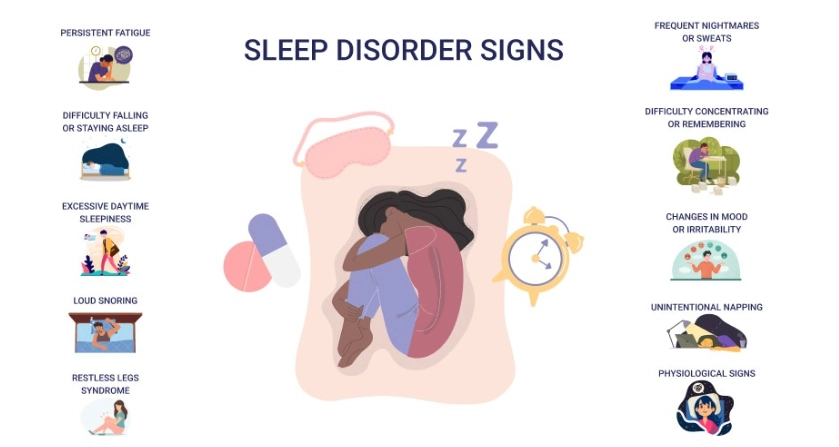
| Lifestyle Factor | How It Disrupts Sleep | What It Feels Like |
|---|---|---|
| Screen Time Before Bed | Blue light suppresses melatonin, the sleep hormone. Your brain thinks it's daytime. | Lying in bed feeling "wired and tired." |
| Inconsistent Sleep Schedule | Confuses your body's internal clock (circadian rhythm). | Not tired at bedtime on weekends, exhausted Monday morning. |
| Caffeine (after noon) & Alcohol | Caffeine blocks sleep-promoting chemicals. Alcohol fragments sleep later in the night. | Falling asleep quickly after wine, then wide awake at 2 AM. |
| Poor Sleep Environment | Noise, light, an uncomfortable mattress, or a too-warm room. | Constantly shifting, sensitive to every sound, never feeling cozy. |
| Lack of Daytime Activity | Your body hasn't built up enough sleep pressure (adenosine). | Feeling lethargic but not actually sleepy. |
Primary Sleep Disorders: These are conditions where the sleep disruption is the main problem, not just a symptom of something else. They often need specific diagnosis and treatment. We'll dive into the most common ones next.
What Kind of Sleep Problem Do You Actually Have?
Calling everything "insomnia" is like calling every vehicle a car. Knowing the specific type guides you to the right solution. Here are the heavy hitters you might be dealing with.
Insomnia: The King of Sleep Problems
This is the classic—difficulty falling asleep, staying asleep, or waking up too early, even when you have the chance to sleep. It comes in two main flavors:
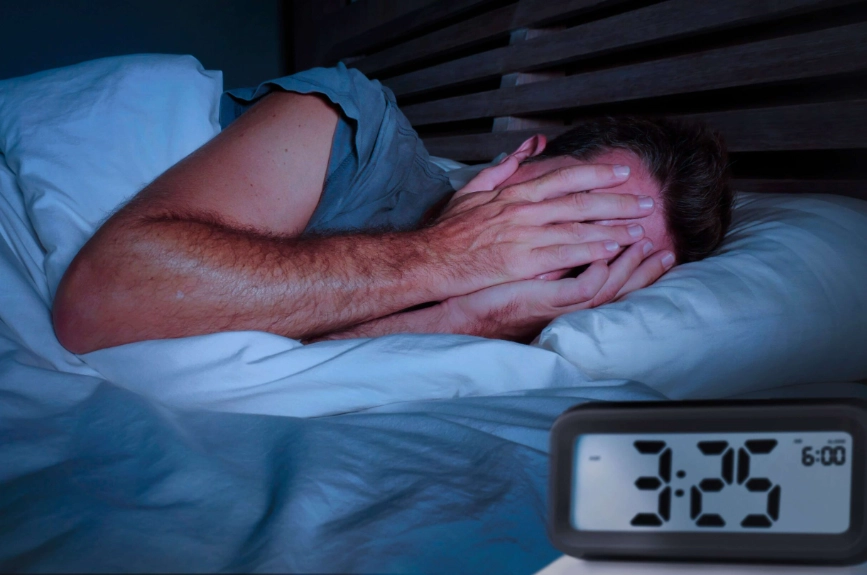
- Short-Term/Acute Insomnia: Lasts from a few nights to a few weeks. Often triggered by stress, illness, travel, or a major life event. This is what most people experience.
- Chronic Insomnia: Occurs at least three nights a week for three months or more. This is where the brain gets stuck in a cycle of anxiety about sleep itself. You start dreading bedtime, which makes it harder to sleep, which increases the dread... a vicious loop.
The treatment for chronic insomnia that has the best long-term results, according to experts, is Cognitive Behavioral Therapy for Insomnia (CBT-I). It's not just talk therapy; it's a structured program that retrains your sleep habits and thoughts. The Sleep Foundation has excellent resources explaining CBT-I in detail.
Sleep Apnea: The Silent Nighttime Struggle
This one is serious and often under-diagnosed. It's not about not being able to *fall* asleep, but about your breathing repeatedly stopping and starting *during* sleep. The most common type is Obstructive Sleep Apnea (OSA), where the throat muscles relax and block the airway.
You might not even remember these awakenings, but your body does. Classic signs include loud, chronic snoring (often with gasping or choking sounds), and crushing daytime fatigue no matter how long you were in bed. Your partner might notice the breathing pauses before you do.
Left untreated, sleep apnea strains your cardiovascular system. The gold standard treatment is a CPAP machine, which keeps your airway open with a gentle stream of air. It takes getting used to, but the difference in energy can be life-changing.
Restless Legs Syndrome (RLS)
An overwhelming, often irresistible urge to move your legs, usually accompanied by uncomfortable sensations (creeping, crawling, throbbing). It gets worse in the evening and at rest, making it a nightmare for trying to fall asleep. Moving the legs provides temporary relief. The cause isn't always clear, but it can be linked to iron deficiency or genetics.
Circadian Rhythm Disorders
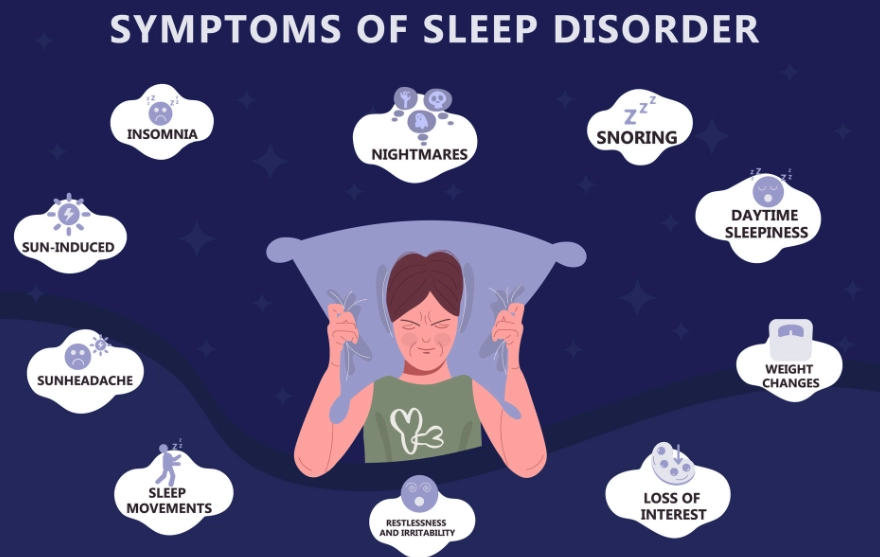
Your internal body clock is out of sync with the external 24-hour day. It's not that you *can't* sleep; it's that your body's natural sleep window is at the wrong time.
- Delayed Sleep-Wake Phase Disorder: You're a true night owl. Your natural sleep time might be 3 AM to 11 AM. Forcing a 10 PM bedtime is futile.
- Advanced Sleep-Wake Phase Disorder: The opposite. You get very sleepy early in the evening (6-8 PM) and wake up extremely early (2-4 AM).
- Shift Work Disorder: Working nights or rotating shifts directly fights your natural circadian rhythm, leading to severe sleepiness and insomnia.
Management often involves carefully timed light therapy and melatonin supplements, best guided by a sleep specialist.
So you've got a sense of the landscape. Maybe you're thinking, "Okay, that sounds like me, but what do I actually *do* about it?" Let's get practical.
Your Action Plan: From Tonight to Long-Term Change
Fixing sleep isn't usually about one magic trick. It's about layering good habits and removing obstacles. I like to break it down into things you can try immediately and strategies that build a stronger foundation.
Immediate Relief: What to Try When You're Stuck Awake
The 20-minute rule is your best friend here. If you've been in bed for 20 minutes and sleep feels nowhere near, get up. Seriously. Go to another room and do something quiet and boring in dim light. Read a physical book (not a thriller!), listen to a calm podcast, or do some gentle stretching. The goal is to break the association between your bed and frustration. Return to bed only when you feel sleepy again.
Other in-the-moment tricks:
- Write it down: If your mind is racing with to-do lists or worries, keep a notebook by the bed. Jot it all down. This acts as an "external brain," telling your mind it's okay to let go for the night.
- Try a body scan meditation: Don't roll your eyes! It's not about clearing your mind. Just focus on physically relaxing each body part, starting from your toes and moving up. When your mind wanders (it will), gently bring it back to the body part you're on.
- Control your environment: If noise is an issue, try white noise or earplugs. If light is a problem, a good sleep mask is a game-changer. Make your room cool—around 65°F (18°C) is ideal for most people.
The Long Game: Building Unshakeable Sleep Hygiene
This is the boring but essential stuff. It's about creating a lifestyle that supports sleep, not fights it. Think of these as the three pillars.
Pillar 1: Schedule & Routine
Your body craves predictability. A consistent wake-up time is non-negotiable—it sets your clock for the day. A relaxing wind-down routine for 30-60 minutes before bed signals that sleep is coming. This could be light reading, a warm shower (the drop in body temperature afterwards promotes sleepiness), or listening to music.
Pillar 2: Daytime Habits
What you do all day matters. Get morning sunlight exposure (even through a window) to reinforce your circadian rhythm. Get regular exercise, but finish intense workouts at least a few hours before bedtime. Be ruthless with caffeine—its half-life is about 5-6 hours, so that 3 PM coffee could still be affecting you at 9 PM. And watch the alcohol; it's a sedative initially but leads to fragmented, poor-quality sleep later.
Pillar 3: The Bedroom Sanctuary
Your bed should be for sleep and intimacy only. No work, no doomscrolling, no watching stressful news. If you can, make it a tech-free zone. The goal is a strong mental association: Bed = Sleep.
Let's tackle some of the most common questions people have when trying to solve their sleep problems.
Common Questions (And Straight Answers)
When It's Time to Call in the Pros: Seeking Professional Help
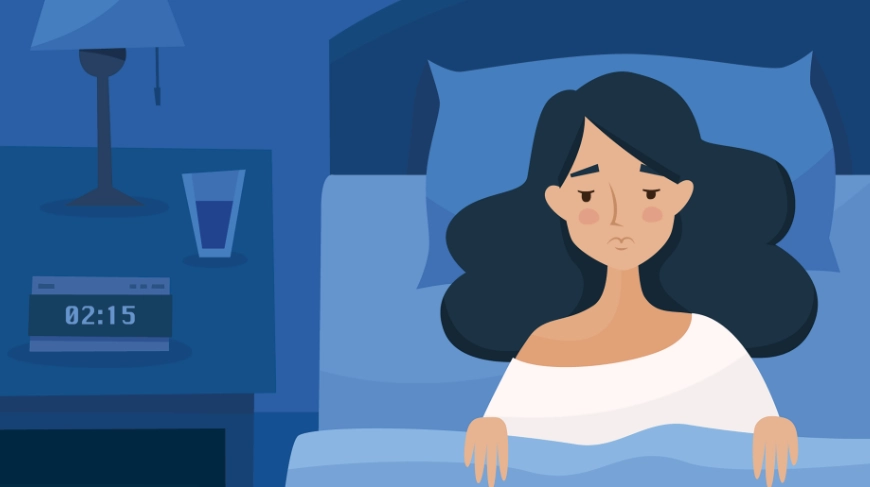
You've tried the sleep hygiene stuff for a few weeks. You're cutting caffeine, keeping a schedule, and your bedroom is a cave. But you're still struggling. That's the signal.
It's definitely time to see a doctor if:
- Your sleep problems last more than a month and significantly impact your daytime life (mood, concentration, work).
- You suspect sleep apnea (loud snoring, gasping, extreme daytime sleepiness).
- You experience unusual behaviors during sleep: acting out dreams, sleepwalking, or episodes where you feel paralyzed as you're falling asleep or waking up.
- You have restless legs that won't calm down.
- You rely on alcohol or over-the-counter pills to sleep every night.
Start with your primary care physician. They can check for underlying medical issues (like thyroid problems or low iron) and refer you to a sleep specialist if needed.
What happens at a sleep specialist? They'll do a detailed interview about your sleep habits and history. They might recommend a sleep study (polysomnogram), which can be done in a lab or often at home now with simpler devices. This study monitors your brain waves, breathing, heart rate, and movements to diagnose disorders like sleep apnea, narcolepsy, or periodic limb movement disorder.
Treatments are then tailored to the diagnosis. For sleep apnea, it might be a CPAP or an oral appliance. For chronic insomnia, it's likely a referral for CBT-I. For RLS, it might be medication or addressing an iron deficiency.
Look, dealing with persistent sleep issues is exhausting in every sense of the word.
It can make you feel hopeless and irritable. But understanding that these problems have real, identifiable causes and, more importantly, real solutions is the first step out of that fog.
The path to better sleep isn't always a straight line. You'll have good nights and bad nights. The goal is progress, not perfection. Be patient with yourself. Start with one or two changes from this guide—maybe locking your phone away an hour before bed and getting up at the same time tomorrow. Build from there.

Your sleep is a pillar of your health, just as important as diet and exercise. Investing in it isn't a luxury; it's a necessity for a clearer mind, a better mood, and the energy to live your life. You can tackle your sleep problems. You just need the right map. Consider this a start.
Reader Comments