Let's cut through the noise. You know the feeling—dragging yourself through the day, relying on that third coffee, telling yourself you'll "catch up on sleep this weekend." But here's what most articles don't tell you: sleep deprivation symptoms are sneaky. They masquerade as stress, poor diet, or just a bad day. By the time you realize you have a problem, it's already affecting your health, your work, and your relationships. I've spent years talking to sleep specialists and reading studies from places like the CDC and the Sleep Foundation, and the biggest mistake people make is underestimating how broadly sleep loss hits.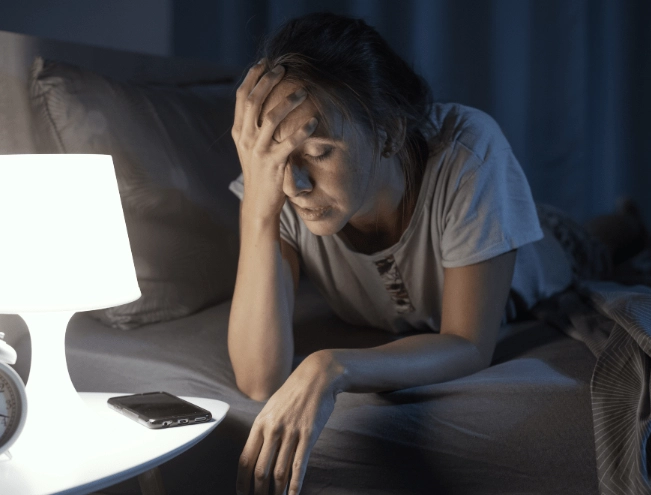
This isn't about scaring you. It's about giving you a clear, honest map of the terrain. Think of it as a checklist for your well-being.
What You'll Find in This Guide
The Sleep Deprivation Symptom Checklist: It's More Than Yawning
Most people look for obvious signs like heavy eyelids. The real story is in the subtler shifts. I group them into three buckets: what happens in your head, what happens to your body, and how you start acting differently.
1. The Mental & Emotional Red Flags
This is where sleep loss does its most deceptive work. You blame your brain, but it's your sleep schedule that's the culprit.
Brain Fog and Poor Concentration is the classic. You read a paragraph three times and the words just don't stick. Making simple decisions, like what to have for lunch, feels exhausting. Your working memory—the mental notepad you use to hold information—is full.
Emotional Volatility is a huge one. Little things that wouldn't normally bother you suddenly spark irritation. You feel snappy, anxious, or unusually tearful. Research shows the amygdala, the brain's emotional center, becomes hyper-reactive without sleep, while the prefrontal cortex, which regulates emotions, slows down. It's like having a loud alarm system with a broken off switch.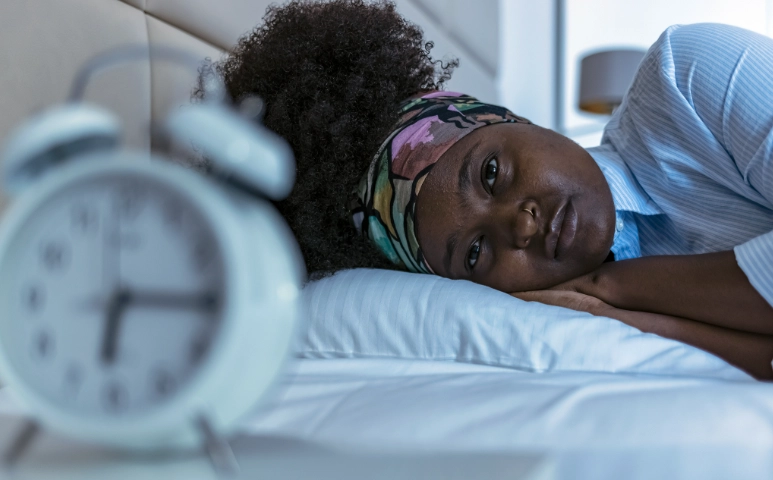
Memory Glitches aren't just about forgetting where you put your keys. Sleep is when your brain transfers memories from short-term to long-term storage. Skimp on sleep, and those memories don't get filed properly. You'll forget details of conversations, promises you made, or where you parked.
2. The Physical Warning Signs
Your body broadcasts signals constantly. We're just not great at linking them back to sleep.
Constant Cravings, especially for sugary, salty, or high-carb foods, aren't just a lack of willpower. Sleep deprivation messes with leptin (the "I'm full" hormone) and ghrelin (the "I'm hungry" hormone). Ghrelin spikes, leptin drops. Your body craves quick energy to stay awake.
Frequent Illness is a major clue. Do you catch every cold that goes around? Sleep is prime time for your immune system to produce cytokines, proteins that fight infection. Cut sleep short, and you produce fewer of these fighters. A study from the University of California, San Francisco found people sleeping less than six hours were four times more likely to catch a cold when exposed to the virus.
Physical Appearance Changes: Dark circles, puffy eyes, pale skin. Chronic sleep loss increases cortisol, which breaks down skin collagen. It's not vanity—it's a visible biomarker of stress on your body.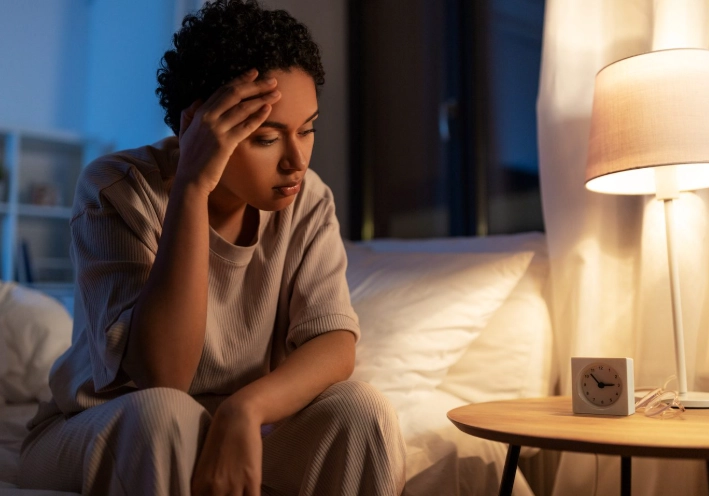
3. Changes in Your Behavior & Performance
This is what people around you might notice first.
Clumsiness and Slowed Reaction Time. You're bumping into doorframes, spilling coffee, fumbling with keys. A sleep-deprived brain processes visual information slower and has impaired motor coordination. It's similar to being mildly intoxicated.
Microsleeps are terrifying. Your brain nods off for a few seconds without you realizing it. You might zone out during a meeting, miss an exit on the highway, or lose your place in a book. Your eyes might even be open.
Procrastination and Low Motivation. That pile of laundry or overdue report feels insurmountable. The mental energy required to initiate tasks is depleted. You opt for passive activities like scrolling on your phone instead.
This Is Not a Drill: The Health Risks of Chronic Sleep Loss
Thinking "I'll manage" with six hours is like thinking you can manage with a slow leak in a tire. Eventually, it fails. The long-term effects are where sleep deprivation moves from an inconvenience to a serious health threat.
Let's look at what the data says. This isn't speculation; it's from consolidated reviews of major studies.
| Health System | Long-Term Risk (Chronic Sleep Deprivation) | Why It Happens |
|---|---|---|
| Cardiovascular | Increased risk of hypertension, heart attack, stroke. | Sleep helps regulate stress hormones and inflammation. Without it, blood pressure stays elevated, and arteries suffer damage. |
| Metabolic | Higher risk of Type 2 diabetes and weight gain. | The body becomes less sensitive to insulin (insulin resistance). Hunger hormones are dysregulated, promoting fat storage. |
| Immune | Weakened defense, higher cancer risk. | Reduced production of infection-fighting cells and cytokines. The body's ability to identify and destroy abnormal cells is impaired. |
| Cognitive | Accelerated brain aging, higher Alzheimer's risk. | During deep sleep, the brain's glymphatic system clears out beta-amyloid plaques. Less sleep means more plaque buildup. |
The Alzheimer's link is what really changed my perspective. We used to think those plaques were a cause of sleep problems in patients. Now, evidence strongly suggests poor sleep is a major contributor to developing the disease. Your brain's nightly cleanup crew can't do its job on a short shift.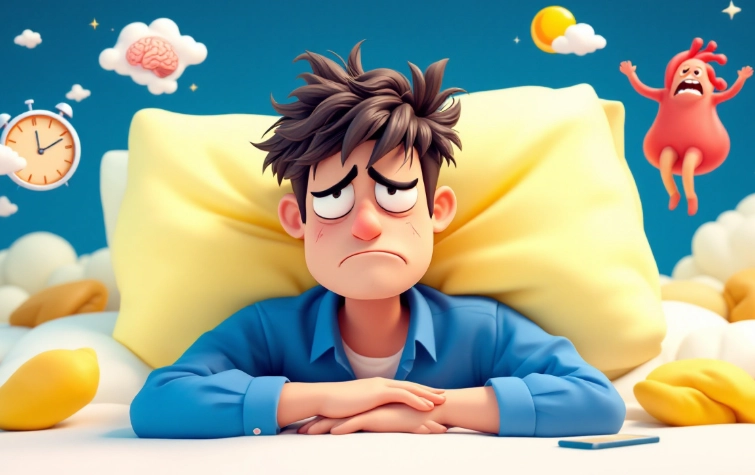
How to Spot Your Sleep Debt and Dig Yourself Out
Okay, so you recognize some symptoms. Now what? Throwing yourself into bed for 12 hours isn't the answer. Recovery needs to be strategic.
Step 1: Track Honestly for a Week. Don't guess. Use a simple notepad or a free app. Write down when you got in bed, roughly when you fell asleep, and when you woke up. Also note your energy level at 10 AM and 3 PM (the classic crash times). The pattern will be obvious.
Step 2: Calculate Your Baseline Need. Forget the "8-hour rule." It's an average. On vacation, without an alarm, how long do you naturally sleep? That's your personal need. For most adults, it's between 7 and 9 hours.
Step 3: Prioritize Sleep Consistency. This is the non-negotiable advice from every expert I've ever spoken to. Going to bed and waking up at roughly the same time every day—even weekends—is more powerful than any supplement. It anchors your circadian rhythm. A 2 AM bedtime on Saturday and a 10 PM on Sunday creates social jetlag.
Step 4: Build a 45-Minute Buffer Zone. You can't sprint into sleep. An hour before bed, start shutting down. Dim the lights. Put your phone on "Do Not Disturb" and leave it in another room. Read a physical book (nothing stressful). This tells your brain the shift is coming.
What about naps? A short 20-minute nap before 3 PM can improve alertness without affecting nighttime sleep. Anything longer, and you risk deep sleep inertia (that groggy feeling) and nighttime insomnia.
I made the classic mistake for years: I'd "power through" the week and try to sleep in on Saturday. It never worked. I'd wake up groggy and ruin Sunday night's sleep. The shift to a consistent schedule, even if it meant missing out on some late-night TV, was a game-changer. The fog lifted.
Your Top Sleep Deprivation Questions, Answered
The bottom line is simple but tough: sleep isn't optional downtime. It's active, critical maintenance for your brain and body. Recognizing the true symptoms of sleep deprivation is the first step out of the fog. It's not about perfection—life happens. But it's about knowing the signs, respecting the need, and making sleep a non-negotiable pillar of your health, not the thing you sacrifice first.
Reader Comments