Let's cut to the chase. Is sleeping from 10pm to 4am enough? For most adults, six hours is not enough sleep. The American Academy of Sleep Medicine and the Sleep Research Society clearly state that adults need 7-9 hours per night for optimal health. Sticking to a rigid 10pm to 4am schedule likely means you're chronically shortchanging your body and brain.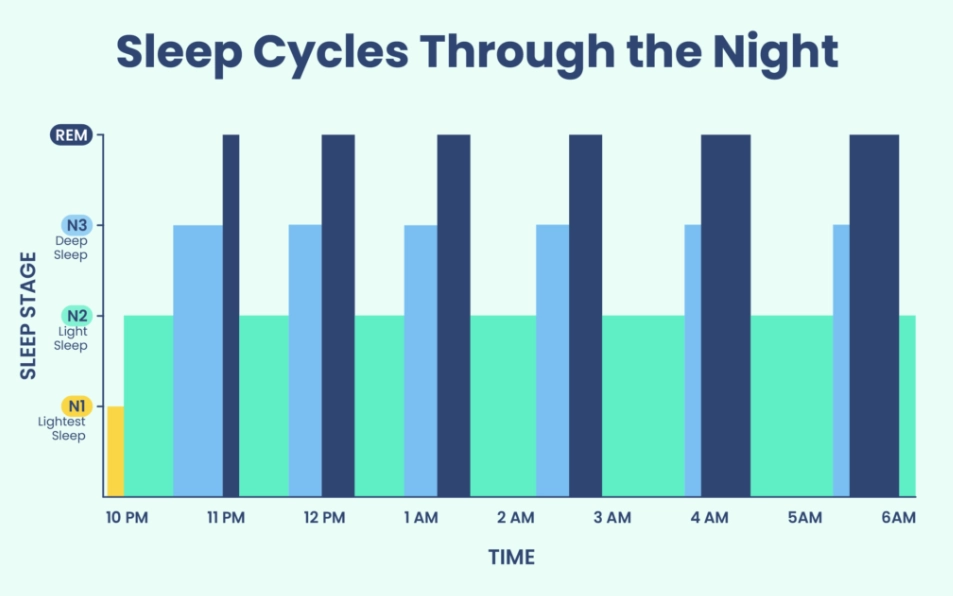
But I know you're asking this for a reason. Maybe you're an early riser by nature, a parent, or someone with a demanding job that starts at dawn. The question isn't just about the number 6. It's about whether this specific pattern—early to bed, extremely early to rise—can be healthy. The answer is more nuanced than a simple yes or no, and it depends heavily on what happens between 10pm and 4am, and what you do the other 18 hours of the day.
What’s Inside This Guide
Why Your Sleep Quality Matters More Than Hours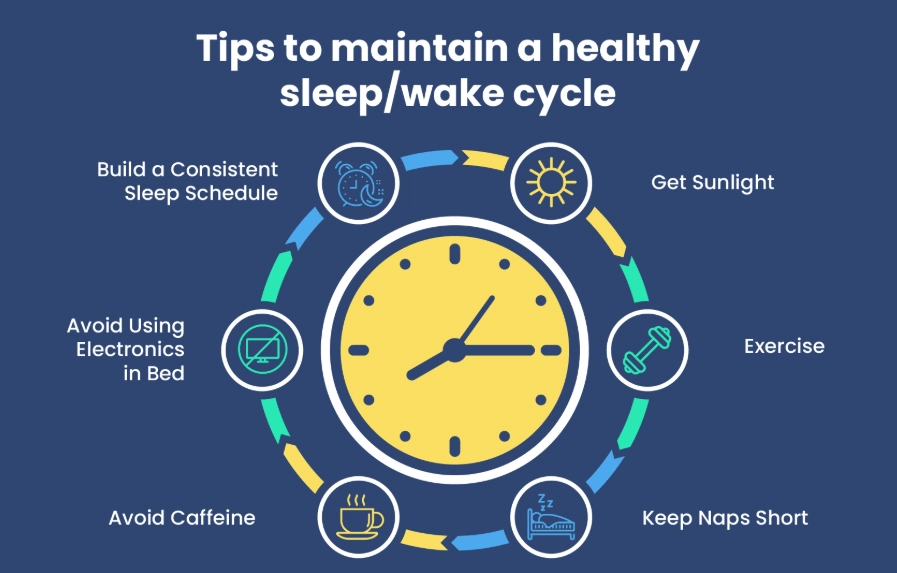
Here's the first trap people fall into: focusing solely on the clock. You can be in bed for 8 hours and still feel terrible if your sleep is fragmented. Conversely, 6 hours of solid, uninterrupted sleep might feel better than 8 hours of tossing and turning. The goal isn't just to be unconscious for a set duration; it's to complete enough full sleep cycles.
Sleep happens in 90-minute-ish cycles, moving from light sleep to deep sleep to REM (dream) sleep. Deep sleep is for physical restoration, and REM is for memory and mood. If your alarm blasts at 4am, you might be yanking yourself out of a deep sleep stage. That's why you feel groggy and disoriented—it's called sleep inertia, and it's much worse when you interrupt deep sleep.
So, the real question for a 10pm to 4am sleeper becomes: Are you getting enough deep and REM sleep in that window? For many, the answer is no, because the early morning hours are prime time for REM sleep. Cutting your sleep short at 4am might be robbing you of a disproportionate amount of this crucial stage.
A Quick Reality Check: The National Sleep Foundation's guidelines are based on decades of research linking chronic short sleep (less than 7 hours) to higher risks of heart disease, obesity, diabetes, and weakened immunity. It's not just about feeling tired.
The Sleep Science Behind 10pm to 4am
Let's break that down.
1. The Myth of "Before Midnight" Sleep
You've probably heard "one hour before midnight is worth two after." There's a grain of truth here. The first half of the night tends to be richer in deep, slow-wave sleep. So, starting at 10pm does capitalize on that. However, this doesn't make the second half of the night disposable. The later cycles contain more REM sleep, which is essential for emotional processing and creativity.
2. Your Chronotype Is Key
Are you a natural bear or a wolf? Your chronotype—your body's innate timing preference—is huge. A true early bird (a "lion" chronotype) might naturally wake at 5am feeling great. But if you're a night owl forcing yourself to sleep at 10pm, you might lie awake for an hour, destroying your sleep efficiency. Forcing a 4am wake-up is torture for them. The 10pm-4am schedule assumes everyone is an extreme morning person, which simply isn't true.
3. The 6-Hour Lie We Tell Ourselves
I used to brag about functioning on 6 hours. Then I tracked my sleep with a wearable for a month. The data showed my "6 hours" was actually 5 hours and 20 minutes of actual sleep, with multiple awakenings. We often overestimate our sleep time. The period from lights-out to alarm is time in bed, not sleep. If you're aiming for 10pm-4am (6 hours in bed), you might only be logging 5-5.5 hours of actual sleep after accounting for the time it takes to fall asleep and brief awakenings.
How to Fix a Short Sleep Schedule
But what if you have to be up at 4am for work or family? The goal shifts from questioning if it's enough to making those 6 hours as high-quality as possible, and seeing if you can sneak in more time.
First, defend your bedtime ruthlessly. If wake-up is non-negotiable at 4am, then 10pm is not a suggestion; it's a deadline. Start winding down at 9pm. This means screens off, lights dim. You can't afford a 30-minute scroll session.
Second, nap strategically. A 20-minute power nap before 3pm can help alleviate sleep debt without causing grogginess. Even a 10-minute rest with your eyes closed can reset your nervous system. The CDC acknowledges short naps as a countermeasure for fatigue.
Third, reevaluate the "have to." Is the 4am wake-up truly mandatory every single day? Could you negotiate a later start time twice a week? Could you delegate some early tasks? We often accept brutal schedules as fixed when they might have some flexibility.
Strategies for Better Sleep, Even on 6 Hours
If you're stuck in this cycle for now, these tactics can boost your sleep quality dramatically.
- Embrace Absolute Darkness: Blackout curtains are non-negotiable. Even the faint glow of a streetlamp can suppress melatonin. Consider a sleep mask.
- Cool It Down: Your body needs to drop its core temperature to initiate sleep. A bedroom around 65°F (18°C) is ideal. This is one of the most overlooked levers.
- Mind Your Evening Beverages: That 8pm cup of tea? It might have more caffeine than you think. And while alcohol makes you drowsy, it fragments the second half of your sleep, wrecking the precious REM you're already short on.
- Get Morning Light, Fast: Within 30 minutes of waking at 4am, get bright light. This resets your circadian clock and tells your body the day has started, improving sleep pressure for the next night. A sunrise-simulator alarm lamp can be a game-changer for 4am risers.
The biggest mistake I see? People trying to optimize sleep while ignoring daytime habits. Regular exercise, even just walking, builds sleep pressure. But don't do it too late. Managing stress through mindfulness or journaling stops the 10pm mental chatter. What you do at 2pm directly affects how you sleep at 10pm.
Your Questions, Answered
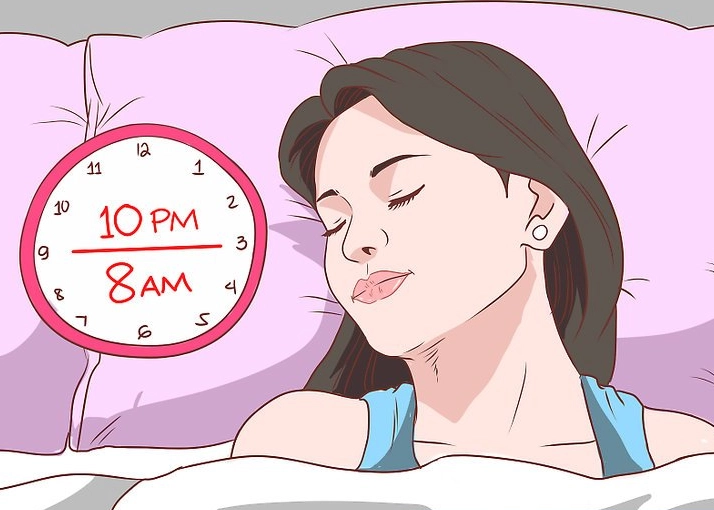 So, is 10pm to 4am enough sleep? For most, it's a recipe for chronic sleep restriction. It prioritizes an arbitrary early schedule over the biological need for sufficient sleep cycles. If you're trapped in this pattern, your mission is to maximize every minute of those six hours and scavenge for rest elsewhere. But the better goal is to challenge the schedule itself. Can you push that wake time by even 30 minutes? Can you protect that 10pm bedtime like your health depends on it—because it does. Don't just ask if you can survive on it. Ask if you can truly thrive.
Reader Comments