Quick Navigation: What You'll Find Here
If you're staring at your sleep tracker data wondering why your deep sleep is so low, you're not alone. I've been there—frustrated, tired, and scrolling through forums at 3 a.m. Let's cut to the chase: low deep sleep often stems from a mix of lifestyle habits, health issues, and yes, sometimes the very devices we use to measure it. In this guide, I'll break down the causes and give you practical fixes based on my own experience and research from sources like the National Sleep Foundation.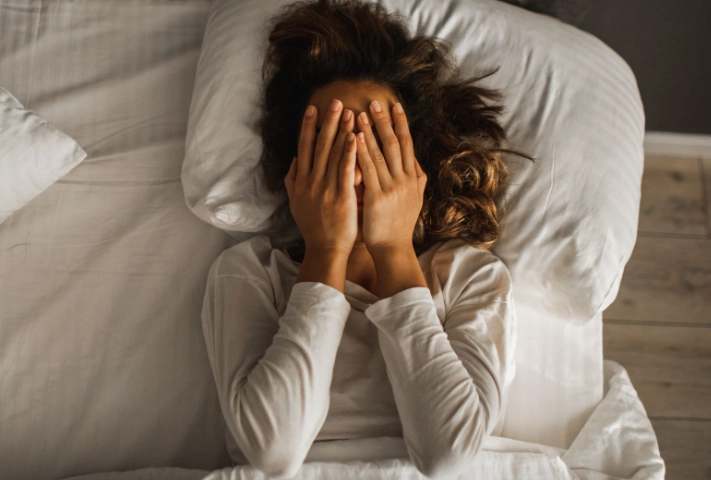
What Deep Sleep Really Is and Why It Matters
Deep sleep, or slow-wave sleep, is the stage where your body does most of its repair work. Think of it as the maintenance mode for your brain and muscles. During this phase, growth hormone is released, tissues are repaired, and memories are consolidated. If you skimp on deep sleep, you might wake up feeling groggy even after eight hours in bed.
Most adults need about 1-2 hours of deep sleep per night, which is roughly 20% of total sleep. But here's the kicker: it's not just about quantity. The quality of those cycles matters too. A common mistake is obsessing over the percentage on your tracker without considering how you feel during the day.
The Role of Deep Sleep in Restoration
Deep sleep is like hitting the reset button for your immune system. Studies, such as those referenced by the Mayo Clinic, show it helps clear metabolic waste from the brain. Without enough of it, you're more prone to inflammation, poor focus, and even weight gain. I noticed this firsthand when my deep sleep dipped—my workouts suffered, and I caught colds more easily.
Top Reasons Your Deep Sleep Percentage Is Low
Let's dive into the why. It's rarely one thing; usually, it's a combination of factors. I've grouped them into lifestyle, health, and a sneaky culprit many overlook.
Lifestyle Factors That Sabotage Deep Sleep
Your daily habits play a huge role. Here are the big offenders:
- Caffeine and alcohol too close to bedtime: That evening coffee or nightcap might help you fall asleep, but it fragments deep sleep cycles. Caffeine has a half-life of 5-6 hours, so even a 4 p.m. latte can interfere.
- Irregular sleep schedule: Going to bed at different times confuses your internal clock. Your body thrives on consistency—I learned this after years of shift work.
- Screen time before bed: Blue light from phones suppresses melatonin. But it's not just the light; the mental stimulation from scrolling keeps your brain alert.
- Stress and anxiety: Chronic stress elevates cortisol, which is like kryptonite for deep sleep. When I was dealing with work deadlines, my deep sleep plummeted by 30% according to my tracker.
Medical and Health Conditions
Sometimes, it's not about what you do but what's happening inside your body.
- Sleep apnea: This condition causes breathing pauses that disrupt deep sleep. It's often undiagnosed—if you snore loudly or wake up gasping, get checked.
- Restless legs syndrome: The urge to move your legs can prevent you from reaching deep stages.
- Certain medications: Antidepressants, beta-blockers, and even some over-the-counter drugs can reduce deep sleep. Always review side effects with your doctor.
- Aging: Deep sleep naturally decreases with age, but it shouldn't drop drastically. If it does, there might be an underlying issue.
The Pitfall of Over-Reliance on Sleep Trackers
This is a non-consensus point I want to emphasize: sleep trackers like Fitbit or Oura Ring aren't always accurate for measuring deep sleep. They use algorithms based on movement and heart rate, which can misclassify stages. A study published in Sleep Medicine Reviews notes that consumer devices may over- or underestimate deep sleep by up to 20%. I've seen friends panic over low numbers when they actually felt rested. Don't let the data dictate your anxiety—use it as a guide, not gospel.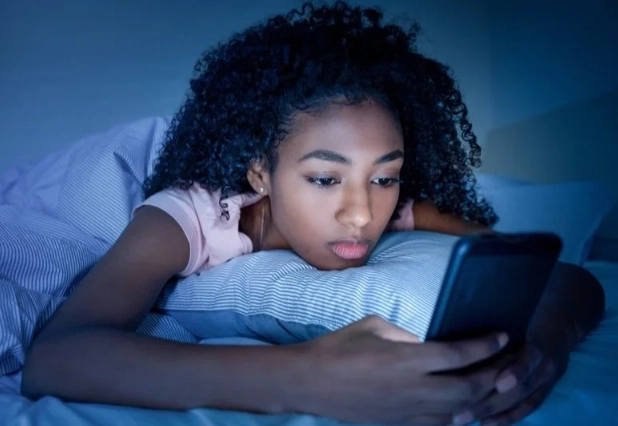
Personal insight: When I first got a sleep tracker, I obsessed over my deep sleep score. It showed only 10% on some nights, leading me to change habits unnecessarily. Later, a sleep study revealed my deep sleep was normal; the tracker was just off. Moral of the story? Trust your body more than the gadget.
How to Increase Deep Sleep: A Step-by-Step Guide
Ready to boost your deep sleep? Here's a practical plan. Start with one or two changes—don't overhaul everything at once.
Optimizing Your Sleep Environment
Your bedroom should be a sanctuary for sleep. Aim for:
- Temperature: Keep it cool, around 65°F (18°C). I found that dropping my thermostat by a few degrees added 15 minutes of deep sleep.
- Darkness: Use blackout curtains or an eye mask. Even small lights from electronics can interfere.
- Quiet: White noise machines or earplugs can help if you live in a noisy area.
- Comfort: Invest in a good mattress and pillows. It sounds obvious, but many people skimp here.
Daily Habits for Better Sleep Architecture
These habits build over time to support deep sleep.
| Habit | How It Helps Deep Sleep | My Experience |
|---|---|---|
| Morning sunlight exposure | Regulates circadian rhythm, promoting deeper sleep at night | 10 minutes outside after waking improved my sleep consistency |
| Regular exercise (but not too late) | Increases slow-wave sleep; aim for morning or afternoon workouts | Evening workouts disrupted my deep sleep, so I shifted to mornings |
| Mindfulness or meditation | Reduces stress hormones, allowing for more restorative sleep | A 10-minute meditation before bed cut my nighttime awakenings |
| Balanced diet with magnesium-rich foods | Magnesium supports GABA, a neurotransmitter for deep sleep | Adding spinach and almonds helped me sleep more soundly |
Notice I didn't list supplements like melatonin right away. While they can help short-term, they don't address root causes. I tried melatonin for a month and saw a slight boost, but the effects faded once I stopped.
When to See a Doctor
If you've tried lifestyle changes for 4-6 weeks and still have low deep sleep with daytime fatigue, consult a healthcare professional. They might recommend a sleep study to rule out conditions like apnea. I waited too long and realized I had mild sleep apnea—treating it made a world of difference.
Common Myths About Deep Sleep Debunked
Let's clear up some misconceptions. I hear these all the time.
- Myth: More deep sleep is always better. Reality: Excess deep sleep can indicate sleep deprivation or disorders. Aim for balance across all stages.
- Myth: You can "catch up" on deep sleep over the weekend. Reality: Sleep debt, especially for deep sleep, isn't fully repayable. Consistency is key.
- Myth: All sleep trackers are equally accurate. Reality: As mentioned, they vary widely. Don't stress over nightly fluctuations.
I fell for the catch-up myth during college, pulling all-nighters and sleeping in on Saturdays. It left me feeling worse, not better.
Your Deep Sleep Questions Answered
Deep sleep isn't a magic bullet, but understanding why it's low can transform your rest. Start small, be patient, and listen to your body over any device. If you have more questions, drop a comment below—I've been through this journey and am happy to share.
Reader Comments