In This Guide
My partner used to elbow me in the ribs at least three times a night. A gentle nudge at first, then a more forceful jab, and finally a full-on shove accompanied by a sleep-muffled "PLEASE... just... stop." The guilt was real. I knew my snoring was a problem—a loud, rumbling, relationship-straining problem. So I went down the rabbit hole. I tried strips, sprays, special pillows, weird chin straps that made me look like a extra from a low-budget sci-fi movie. I spent more money than I care to admit. And you know what I kept asking myself, lying there awake after another failed experiment? Does anything really work for snoring? Or are we all just buying into clever marketing?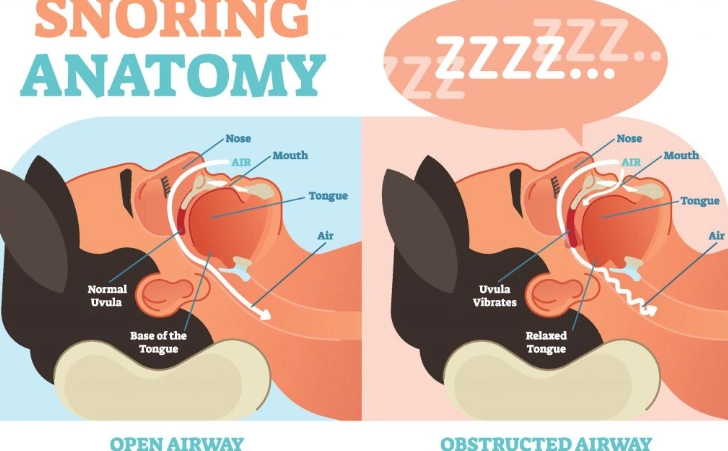
It's a frustrating question because the answer isn't a simple yes or no. It's a "it depends." It depends on why you snore. It depends on your anatomy, your sleep position, your health. What works for your buddy who snores after a few beers might do absolutely nothing for you. This whole journey taught me that understanding the cause is 90% of the battle. So let's skip the fluff and the fake promises. Let's talk about what the science says, what real people (like me) have experienced, and how you can actually find a solution that lets everyone in your house get some sleep.
Why Do We Snore? Understanding the Root Cause is Key
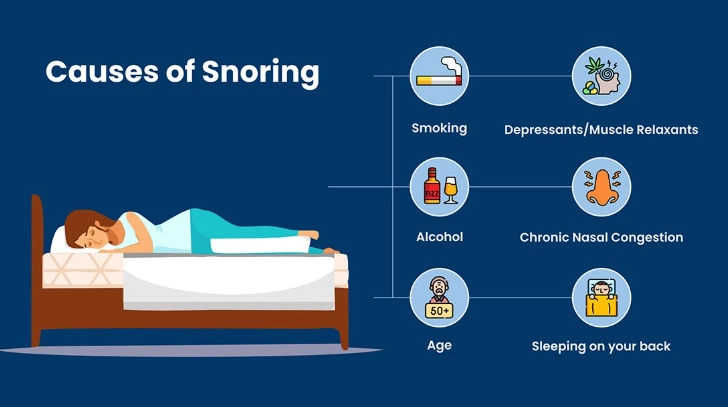
Before we dive into solutions, we have to figure out the villain. Snoring isn't one single thing; it's a symptom. Think of it like a car alarm going off. You can try to disconnect the battery (a quick fix), or you can figure out why it's being triggered in the first place. Here are the usual suspects causing all that nighttime noise:
- Anatomy of Your Mouth and Throat: This is a big one. A low, thick soft palate, enlarged tonsils or adenoids (especially in kids), a long uvula (that little punching bag in the back of your throat), or even a deviated septum in your nose can narrow your airway. When you relax in deep sleep, these tissues sag and vibrate more easily. Some people are just built in a way that makes them more prone to it.
- Sleep Position: Back sleepers, I'm looking at you. When you sleep on your back, gravity pulls the base of your tongue and soft palate down, collapsing them into the back of your throat. This is often the easiest type of snoring to tackle.
- Nasal Congestion: A stuffy nose from a cold, allergies, or a structural issue means you have to work harder to pull air through. This creates a stronger vacuum in your throat, pulling those floppy tissues together. If you can't breathe through your nose, you're almost guaranteed to breathe through your mouth and snore.
- Lifestyle Factors: Alcohol, sedatives, certain medications... they relax your throat muscles too much. Being overweight can also mean there's extra tissue in the throat putting pressure on the airway. Even getting older plays a role—throat muscles naturally lose tone over time.
- Sleep Apnea: This is the serious one we can't ignore. Obstructive Sleep Apnea (OSA) is when your airway gets completely blocked, stopping your breathing for 10 seconds or more, dozens or even hundreds of times a night. Loud, chronic snoring is a major red flag for OSA. It's not just an annoyance; it's a significant health risk linked to high blood pressure, heart problems, and stroke. If your snoring is accompanied by gasping, choking sounds, or daytime exhaustion no matter how long you sleep, you need to talk to a doctor.
See what I mean? Asking "does anything really work for snoring" is like asking "does anything work for a headache." It depends if it's from stress, dehydration, a sinus infection, or something more serious. You have to target the cause.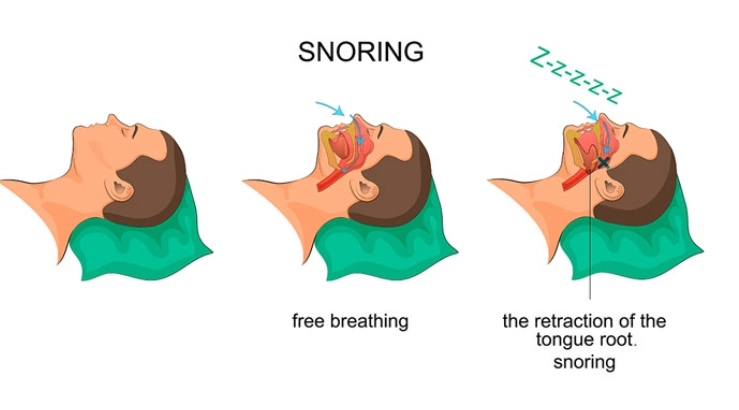
The Complete Snoring Solution Arsenal: What's Out There?
Alright, let's get to the meat of it. Here’s a breakdown of every major category of anti-snoring fix, from the cheap and easy to the medical and invasive. I’ve tried more of these than I’d like to admit.
Lifestyle and Behavioral Changes (The Free or Cheap Stuff)
These should always be your first line of defense. They cost little to nothing and can make a huge difference if your snoring is mild or tied to specific habits.
- Side Sleeping: The classic advice for a reason. It keeps your tongue and soft palate from falling backward. The "tennis ball trick" (sewing a tennis ball into the back of a t-shirt) is a time-tested, if uncomfortable, method. Now there are specialized pillows and wearable devices that vibrate when you roll onto your back.
- Weight Management: I know, I know. Easier said than done. But losing even a modest amount of weight can reduce fatty tissue in the back of the throat. For some people, it can eliminate snoring entirely.
- Avoid Alcohol Before Bed: This was a big one for me. Cutting out that nightcap or wine with dinner within 3-4 hours of sleep stopped the "chainsaw"级别的 snoring and downgraded it to a mild rumble on some nights.
- Establish Good Sleep Hygiene: Being overtired can make you sleep more deeply and heavily, relaxing those muscles even more. A regular sleep schedule helps.
- Stay Hydrated and Manage Allergies: Thick secretions in your nose and throat can worsen snoring. Drink plenty of water and use saline sprays, neti pots, or (under a doctor's guidance) allergy meds to keep nasal passages clear. The CDC’s sleep resources often emphasize the foundational role of good health habits.
Over-the-Counter (OTC) Devices and Aids
This is where the pharmacy aisle gets crowded. Effectiveness varies wildly.
| Product Type | How It's Supposed to Work | My Experience / The Reality | Best For... |
|---|---|---|---|
| Nasal Strips & Dilators | Pulls nostrils open to improve nasal airflow. | They can help if nasal congestion is your primary issue. If you're a mouth breather, they won't do much. The adhesive can irritate sensitive skin. | Mild snoring caused by simple nasal stuffiness. |
| Mouthpieces & Mandibular Advancement Devices (MADs) | Worn in the mouth, it gently pulls your lower jaw (mandible) forward to open the airway. | These can be surprisingly effective for many. The boil-and-bite OTC versions are a mixed bag—they can cause jaw pain, tooth shifting, or drooling. A custom-fit one from a dentist is far superior but costs much more. | Snoring caused by the tongue falling back. Often recommended for mild-to-moderate sleep apnea. |
| Chin Straps | Holds your mouth closed to encourage nasal breathing. | If you have nasal congestion, this is torture. It only works if your nose is clear. Can feel very restrictive and hot. | Exclusive mouth-breathers with clear nasal passages. |
| Throat Sprays & Lubricants | Claim to coat/throat tissues to reduce vibration. | The evidence is shaky at best. Any effect is usually very short-lived. More of a placebo for mild cases. | Those looking for a quick, temporary fix for very occasional snoring. |
| Positional Therapy Wearables | Worn on the body (chest, wrist), it vibrates when you roll onto your back. | This actually works if you're a dedicated back-sleeper. It's a modern, less brutal version of the tennis ball. Can be an effective training tool. | Positional (back-sleeping) snorers. |
So, does anything really work for snoring in the OTC aisle? Some things can, but you have to match the product to your specific problem. A MAD won't help a nasal issue, and a nasal strip won't help a tongue-based snore.
Prescription and Medical Solutions
When OTC and lifestyle changes don't cut it, or when sleep apnea is suspected, it's time to talk to a professional.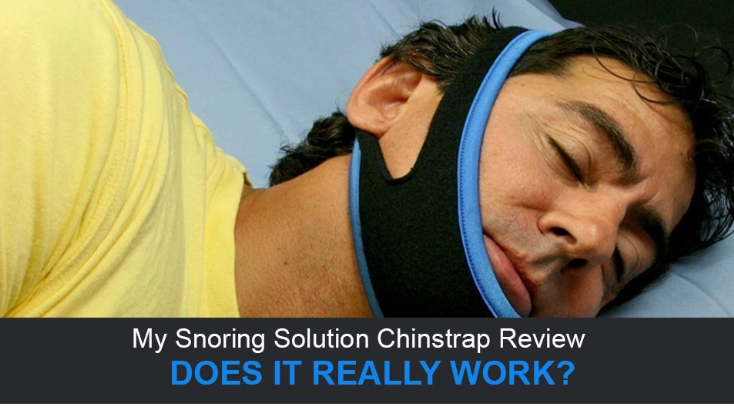
- CPAP (Continuous Positive Airway Pressure): This is the frontline treatment for moderate to severe Obstructive Sleep Apnea. A machine delivers a constant stream of air through a mask, acting like an air splint to keep your airway open. It's incredibly effective at eliminating snoring and apnea events when used consistently. The downside? Many people struggle with the comfort of the mask and the noise. But modern machines are much quieter and masks more comfortable than they were a decade ago.
- Custom Oral Appliances: Made by a dentist specializing in sleep medicine, these are like premium, custom-fit versions of OTC mouthpieces. They're adjusted precisely for your bite and jaw movement. They're often very effective for mild-to-moderate sleep apnea and snoring, and most people find them easier to tolerate than a CPAP. The American Academy of Dental Sleep Medicine provides resources and directories for finding qualified providers.
- Surgery: This is usually a last resort when other treatments have failed and there's a clear, correctable anatomical problem. Procedures can include:
- Uvulopalatopharyngoplasty (UPPP): Trimming and tightening tissues in the throat.
- Septoplasty/Turbinate Reduction: Fixing a deviated septum or reducing swollen nasal turbinates to improve nasal breathing.
- Inspire Therapy: A surgically implanted device that acts like a pacemaker for your tongue. It stimulates the nerve to keep the tongue positioned forward during sleep. It's a major procedure but can be life-changing for the right candidate.
So, What Actually Works? Matching the Solution to Your Snore
Let's get practical. Here’s a rough guide based on the most common snoring profiles.
The "I Only Snore on My Back or After a Few Drinks" Snorer:
You're in luck. Your fixes are likely simple. Focus on positional training (wedge pillow, wearable vibrator) and cutting out evening alcohol. An OTC mouthpiece might also work well if it's a tongue issue. This is where you can honestly say, "Yes, something really does work for snoring" of this type.
The "My Nose is Always Blocked" Snorer:
Start with your nose. See an allergist or ENT. Use saline rinses, manage allergies medically, and consider nasal strips or internal dilators. If a structural issue like a deviated septum is the culprit, a consult for septoplasty might be the real solution. A chin strap will make you miserable.
The "Loud, Constant, Every-Night, My-Partner-Is-Plotting-My-Demise" Snorer:
This is the group that needs to ask the question most seriously: does anything really work for snoring this bad? The answer is yes, but you likely need professional help. This pattern is a giant red flag for sleep apnea. The most reliable path is a sleep study. From there, you're looking at a CPAP or a custom oral appliance as your most effective bets. Don't waste time and money on weak OTC solutions here.
The Snorer with Extra Weight Around the Neck:
Lifestyle change is a core part of the solution here. Even a 10% weight loss can dramatically improve or resolve snoring and mild sleep apnea. Combining weight management with a temporary device like a CPAP or mouthpiece can be a powerful strategy.
Your Questions, Answered (The Stuff You're Actually Searching For)
Final Thoughts: Cutting Through the Noise
Look, the market is flooded with gadgets and potions making big claims. It's easy to become cynical and wonder if anything really works for snoring at all. From my own long, annoying journey, here's the honest truth:
Plenty of things work, but there is no universal magic bullet. The path to a quieter night starts with being a detective about your own snoring. Pay attention to the patterns. Record yourself (there are apps for that). Get a partner's feedback. Start with the free and easy lifestyle fixes. If those don't help, consider a targeted OTC device based on your suspected cause. If snoring is severe, persistent, or comes with other symptoms like daytime fatigue, please see a doctor. It's not just about noise; it could be about your long-term health.
The most important thing is to not give up. The solution is out there. It might be a $10 wedge pillow. It might be a $2000 CPAP machine. But finding it means better sleep, better health, and a much more peaceful household. And that is absolutely worth the effort.
So, does anything really work for snoring? Yes. But you have to find your thing.
Reader Comments