What You'll Find Inside
Let's be honest: most advice on napping tells you to keep it short—20 minutes, maybe 30. But what if I said a 2-hour nap could be your secret weapon? I used to dismiss long naps as lazy, until I tried one during a grueling workweek. The result? My creativity spiked, and that afternoon fog vanished. Here's the science and street-smart tips to make it work for you.
The Surprising Benefits of a 2-Hour Nap
Why two hours? It's not random. A typical sleep cycle lasts about 90 minutes, cycling through light sleep, deep sleep, and REM sleep. A 2-hour nap lets you complete one full cycle and dip into the next, hitting all the key stages. Shorter naps skip the deep stuff.
The Sleep Cycle Breakdown
In the first hour, you get deep sleep (NREM stages 3-4), which is like hitting the reset button on your body—it repairs tissues and boosts immunity. The second hour often includes REM sleep, where dreams happen and your brain consolidates memories. A study from the Journal of Sleep Research points out that REM sleep enhances problem-solving skills, something a 20-minute nap can't touch.
Here's a quick table to show what you gain:
| Nap Duration | Primary Benefits | Best For |
|---|---|---|
| 20 minutes | Alertness, quick energy boost | Afternoon slump |
| 90 minutes | Full cycle, creativity boost | Learning new skills |
| 2 hours | Deep repair + memory consolidation | Stress recovery, long-term focus |
I've noticed that after a 2-hour nap, I recall details better—like where I left my keys or a client's name. It's not magic; it's your brain filing away information during REM.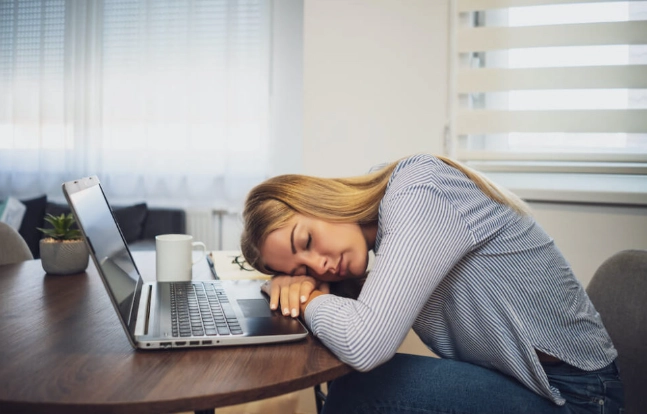
Beyond Sleep: Emotional and Physical Perks
Long naps reduce cortisol, the stress hormone. A friend of mine, a nurse with hectic shifts, swears by her weekend 2-hour naps to combat burnout. She says it feels like a mini-vacation. Plus, for athletes, that deep sleep phase aids muscle recovery. Think of it as a biohack for your body.
But here's a catch: if you nap too long, you might wake up groggy. That's why timing matters.
Finding the Sweet Spot: When to Take Your Nap
Timing is everything. Nap at the wrong hour, and you'll sabotage your night sleep. The ideal window? Between 1 PM and 3 PM. That's when your circadian rhythm dips naturally, making it easier to fall asleep.
Your Body's Natural Dip
After lunch, around 2 PM, most people experience a post-lunch slump. It's not just the food; it's a biological cue. Capitalize on it. I used to fight it with coffee, but now I embrace a nap. The National Sleep Foundation notes that napping during this dip minimizes sleep inertia—that groggy feeling.
Avoid napping after 4 PM. I learned this the hard way: a late nap left me tossing at night. Your body needs time to rebuild sleep pressure for bedtime.
The 90-Minute Rule vs. 2-Hour Reality
Some experts preach the 90-minute nap for a full cycle. But life isn't perfect. A 2-hour nap accounts for time to fall asleep (about 15 minutes) and ensures you don't wake mid-deep sleep. Set an alarm for 2 hours, but allow a 10-minute buffer to wake gently.
A Foolproof Guide to Your 2-Hour Nap Routine
Ready to try? Here's a step-by-step plan. It's not just lying down; it's a ritual.
Step 1: Set the Scene
Environment matters. Darken your room—use blackout curtains or an eye mask. Noise? White noise apps work wonders. I use a fan for consistent sound. Temperature should be cool, around 65-68°F (18-20°C). A study from Harvard Medical School emphasizes that a cooler room promotes deeper sleep.
Wear comfortable clothes. Pajamas, loose pants—whatever signals rest to your brain.
Step 2: Pre-Nap Rituals
Don't just crash. Wind down for 10 minutes: read a book (nothing too exciting), listen to calm music, or do light stretching. Avoid screens; blue light tricks your brain into staying awake. I sometimes jot down worries on a notepad to clear my mind.
Hydrate lightly. A small glass of water helps, but avoid caffeine or heavy meals right before.
Step 3: The Nap Itself
Lie down, set an alarm for 2 hours, and let go. Don't stress about falling asleep. Even resting quietly has benefits. If you wake up briefly, don't check the clock—just roll over.
Post-nap, get up slowly. Open curtains for light, splash water on your face, or do a quick stretch. It signals your body: time to be alert.
Pitfalls to Avoid (That No One Talks About)
Most guides gloss over the downsides. Here are the subtle errors I've seen people make.
Oversleeping and Sleep Inertia
A 2-hour nap is long, but pushing it to 3 hours can lead to sleep inertia—that heavy, disoriented feeling. It happens if you wake during deep sleep. To avoid it, stick to the 2-hour mark. If you wake up groggy, don't nap longer; get up and move. Light exposure helps reset your internal clock.
Another mistake: napping on an inconsistent schedule. Your body thrives on routine. Nap at the same time daily if possible, even on weekends.
Interfering with Night Sleep
This is the big fear. A 2-hour nap can reduce your sleep drive at night if done too late or too often. I limit mine to 2-3 times a week, max. If you have insomnia, skip long naps altogether and focus on nighttime sleep hygiene.
Some folks use naps to compensate for poor night sleep. That's a red flag. If you need a 2-hour nap daily to function, see a doctor. It might indicate sleep apnea or another disorder, as noted in resources from the American Academy of Sleep Medicine.
Your Burning Questions Answered
So, give a 2-hour nap a shot. Start on a weekend when you have time. Notice how you feel—not just right after, but hours later. Your productivity might surprise you. Remember, it's not about sleeping more; it's about sleeping smarter.
Reader Comments