Quick Guide
Let's be honest, we've all been there. You binge-watch one more episode. You stress about a deadline. Your mind just won't shut off. You tell yourself you'll catch up on sleep later. But what really happens to your body when you don't sleep? It's not just about feeling groggy and reaching for an extra coffee. The effects are more profound, more systemic, and frankly, more alarming than most of us realize. This isn't just about tiredness; it's about your brain, your hormones, your heart, and your long-term health quietly taking hits while you're staring at the ceiling at 3 AM.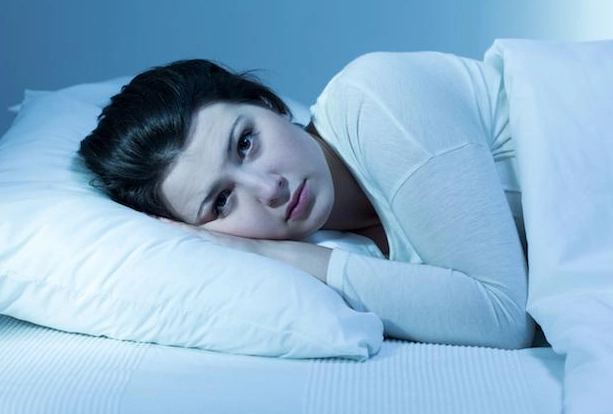
I remember pulling an all-nighter in college to finish a paper. The next day felt like moving through thick syrup. My hands shook, my thoughts were scrambled, and I genuinely couldn't remember my own phone number when someone asked. That was just one night. It made me wonder—what if this became a habit? The science paints a pretty clear picture, and it's one we should all pay attention to.
The Immediate Fallout: Your Body on a Sleep Debt Bender (First 24-48 Hours)
So, you skipped a night. Maybe you got only 3 or 4 hours. What happens to your body when you don't sleep for even one full cycle? The changes start almost immediately, and they're not subtle.
Your Brain Goes Offline (In Pieces)
The most obvious impact is on your cognition. It's like parts of your brain start taking unscheduled naps while you're still awake. Your prefrontal cortex, the CEO of your brain responsible for decision-making, logic, and self-control, is one of the first areas to suffer. This leads to poor judgment, impulsivity, and difficulty focusing. Ever snapped at someone over nothing after a bad night? That's your sleep-deprived prefrontal cortex throwing a tantrum.
Memory formation also takes a direct hit. The hippocampus, your brain's memory center, needs sleep to consolidate new information. Without it, trying to learn or remember things is like writing on water. Studies from the National Institute of Neurological Disorders and Stroke (NINDS) have shown that sleep is critical for the synaptic plasticity that underpins learning. No sleep, no strong neural connections. It's that simple.

The Hormonal Carnival Begins
While your brain is sputtering, your endocrine system is throwing a party no one asked for. Two key hormones get completely out of whack:
- Ghrelin (the "hunger hormone") spikes, screaming at you to eat.
- Leptin (the "satiety hormone") plummets, so you don't feel full.
The result? Intense cravings, especially for high-carb, sugary, and fatty foods. Your body is panicking, looking for quick energy to compensate for the lack of restorative sleep. This isn't a lack of willpower; it's a primal biological drive hijacked by sleep loss. The Centers for Disease Control and Prevention (CDC) explicitly links short sleep duration with obesity, and this hormonal chaos is a primary reason why.
Your Physical Reflexes and Coordination Tank
This is the scary part for safety. Your reaction time slows to a level comparable to being legally drunk. Hand-eye coordination suffers. Microsleeps—brief, involuntary episodes of unconsciousness lasting a few seconds—can occur. Imagine that happening while driving. The National Highway Traffic Safety Administration (NHTSA) estimates drowsy driving causes thousands of crashes annually. Your body's plea for sleep is not a suggestion; it's a non-negotiable system shutdown sequence.
So, what happens to your body when you don't sleep for a night? You get a clumsy, hungry, emotionally volatile, forgetful version of yourself. And that's just the opening act.
The Chronic Stage: When Sleep Debt Becomes a Permanent Loan
Now, let's talk about the real danger zone: chronic partial sleep deprivation. This is where you consistently get less than 7 hours, maybe 5 or 6, thinking you've "adapted." Spoiler: your body never adapts. It just deteriorates on a slower, more insidious timeline. This is where the answer to "what happens to your body when you don't sleep enough" gets serious.
Your Cardiovascular System Under Siege
Sleep is your heart's downtime. Without it, your body stays in a state of low-grade inflammation and stress. Cortisol (the stress hormone) remains elevated. Blood pressure doesn't get its normal nocturnal dip. Over time, this relentless strain damages blood vessels and increases the risk of hypertension, heart disease, and stroke. The American Heart Association now lists sleep duration as one of the essential metrics for cardiovascular health, right alongside diet and exercise. Ignoring sleep is like ignoring high blood pressure.
The Metabolic Meltdown
Remember the hormonal chaos from one night? Multiply that by months or years. Your cells become increasingly resistant to insulin, the hormone that ushers glucose out of your bloodstream. This is a direct path to Type 2 diabetes. Your pancreas works overtime, but it's like trying to unlock a door with the wrong key. The body's ability to process sugars and fats just breaks down. It's a slow, silent process you can't feel until the damage is significant.
Your Immune System's Memory Gets Wiped
This one blows my mind. During deep sleep, your immune system rehearses. It studies the "pathogens of the day" and strengthens its memory of how to fight them. Think of it as your immune system's nightly training session. Skip sleep, and you skip the training. You're not just more likely to catch a cold (studies show sleep-deprived people are several times more susceptible to the rhinovirus); you also undermine your body's long-term defenses and its response to vaccines. Resources from the Sleep Foundation detail how critical sleep is for robust immune function.
You become more vulnerable to everything, from common infections to more serious illnesses. Your body's defense force is running on empty, forgetting its drills.
| Body System | Short-Term Effects (1-2 Nights) | Long-Term Effects (Chronic Deprivation) |
|---|---|---|
| Brain & Cognition | Brain fog, poor focus, irritability, memory lapses, slowed reaction time. | Increased risk of anxiety, depression, neurodegenerative diseases (e.g., Alzheimer's), severe cognitive decline. |
| Metabolic & Endocrine | Increased hunger/cravings, blood sugar spikes, insulin sensitivity drops. | Substantially higher risk of obesity, Type 2 diabetes, metabolic syndrome. |
| Cardiovascular | Elevated heart rate, increased blood pressure, higher stress hormone (cortisol). | Chronic hypertension, inflammation, significantly elevated risk of heart attack and stroke. |
| Immune System | Lowered defenses, higher susceptibility to infection. | Chronic inflammation, impaired immune memory, poorer response to vaccines, potential increased cancer risk. |
| Appearance | Dark circles, puffy eyes, pale skin. | Accelerated skin aging (collagen breakdown), persistent dull complexion. |
The Brain's Dark Side: Mental Health and Neurological Risks
We often separate mental and physical health, but that's a false divide. Your brain is a physical organ, and sleep is its non-negotiable maintenance cycle. What happens to your body when you don't sleep includes a direct assault on your mental well-being.
The brain's emotional center, the amygdala, goes into overdrive without the calming influence of the prefrontal cortex. This creates a state of hyper-reactivity. Negative stimuli feel more negative. Small stressors feel like crises. It's a perfect storm for anxiety and mood disorders. Furthermore, during deep sleep, the brain's glymphatic system (its waste clearance system) kicks into high gear, flushing out toxic metabolic byproducts, including beta-amyloid proteins associated with Alzheimer's disease. No sleep means these toxins build up, literally clogging the brain. Landmark research from institutions like Harvard Medical School continues to uncover these critical links.
The link between chronic sleep disruption and depression is also strong and bidirectional. Poor sleep makes you more susceptible to depression, and depression makes it harder to sleep. It's a vicious cycle that often requires addressing the sleep component first to make any headway.
Straight Talk: Your Common Questions Answered
Let's cut through the noise. Here are the raw answers to the questions people are actually searching for.

What Can You Actually Do About It?
Knowing what happens to your body when you don't sleep is pointless without a path forward. This isn't about perfection; it's about better.
First, protect your sleep window like it's a critical business meeting. Be ruthless. That extra episode, that late-night scroll, that "quick" work email—they're not worth the biological tax. Your wind-down routine matters. An hour before bed, start lowering the lights, put the screens away (yes, really), and do something calming. Read a physical book, listen to calm music, do some gentle stretches.
Your sleep environment is huge. Is your room cool, dark, and quiet? If not, fix it. Blackout curtains, a white noise machine, and setting the thermostat lower are game-changers. Your mattress and pillow matter more than you think—if you wake up with aches, it might be time for an upgrade.
Watch your intake. Caffeine has a long half-life. That 3 PM coffee might still be blocking sleep receptors at 11 PM. Alcohol is a sedative, not a sleep aid—it fragments your sleep architecture, destroying the quality even if you're unconscious. Heavy meals late at night force your digestive system to work overtime when it should be resting.
Finally, if you've tried all the "sleep hygiene" tips and still struggle, talk to a doctor. Conditions like sleep apnea, restless leg syndrome, or chronic insomnia are medical issues that need professional diagnosis and treatment. Using resources from trusted organizations like the American Psychiatric Association or the American Academy of Sleep Medicine to find a specialist can be life-changing.
Reader Comments