Let's be honest. We've all been there. Staring at the ceiling at 3 AM, mind racing, while the clock mocks you. You know you need sleep, but your body and brain seem to have missed the memo. Searching for "how to sleep better" can feel overwhelming—there's so much advice, and half of it contradicts the other half.
Your Sleep Improvement Roadmap
I've been in that exact spot. Frustrated, tired, and willing to try anything. Over the years, through a mix of trial, error, and digging into the actual science (not just the blogosphere hype), I've pieced together what actually moves the needle. This isn't about perfection. It's about finding a few realistic changes that can add up to a huge difference in how you feel every morning.
So, here's a deep dive into 20 practical, actionable tips for how to sleep better. We'll go beyond the obvious "avoid caffeine" and get into the why and how, covering everything from your daily routine to your bedroom setup. Think of it as a toolkit—pick and choose what fits your life.
Laying the Foundation: Your Daily Routine
Good sleep doesn't start at bedtime. It starts the moment you wake up. Getting your body's internal clock, or circadian rhythm, in sync is the single most powerful thing you can do.
Master Your Sleep-Wake Schedule
Tip One: Be Boringly Consistent. Go to bed and wake up at the same time every day, even on weekends. Yes, even on Saturdays. I know, it sounds like a drag. But your circadian rhythm thrives on predictability. Sleeping in for two hours on Saturday might feel great in the moment, but it's like giving yourself a mini case of jetlag—"social jetlag," as some researchers call it. It makes Sunday night a struggle and sets you up for a rough Monday.
How consistent? Aim for within a 30-60 minute window. If your weekday alarm is 7 AM, try not to sleep past 8 AM on your days off. It's one of the most effective yet underrated tips for how to sleep better in the long run.
Tip Two: Harness Morning Light. Get bright light exposure, preferably sunlight, within 30-60 minutes of waking up. Go for a short walk, have your coffee by a window, just get those photons into your eyes. This is the strongest signal to your SCN that the day has begun, which helps set the countdown for melatonin release later that night. On dark winter mornings, a light therapy lamp can be a game-changer.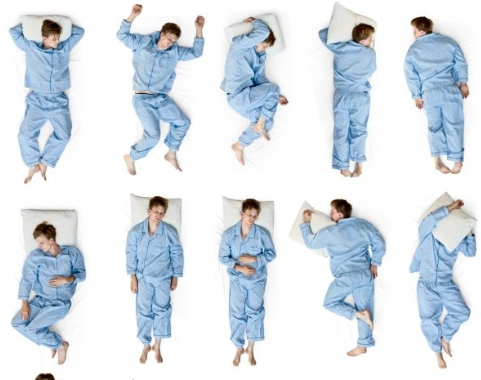
Tip Three: Be Smart About Naps. If you must nap, do it early (before 3 PM) and keep it short (20-30 minutes). A power nap can reboot your afternoon. A 90-minute crash on the couch at 5 PM? That's a surefire way to sabotage your nighttime sleep. I learned this the hard way—a "quick lie down" that turned into a deep sleep left me groggy and wide awake at midnight.
Crafting the Perfect Wind-Down
Your brain needs a transition period. You can't go from high-stress, screen-filled activity to expecting deep sleep in five minutes.
The Pre-Bed Ritual
Tip Four: Create a Buffer Zone. Dedicate the last 60 minutes before bed to calming, screen-free activities. This is your wind-down time. Read a physical book (nothing too thrilling), listen to calming music or a podcast, do some gentle stretching, or practice mindfulness. The goal is to lower your cognitive and physiological arousal.
Tip Five: The Great Digital Sunset. This is the big one. Turn off TVs, phones, tablets, and laptops at least 30 minutes before bed. It's not just about the mental stimulation. The blue light emitted by these devices directly suppresses melatonin production. Your brain thinks it's still daytime. Use night mode features in the evening, but for the last half hour, just disconnect. Put your phone on Do Not Disturb and charge it outside the bedroom. I promise, the world will wait.
Tip Six: Temperature is Everything. A cool bedroom is crucial. Your core body temperature needs to drop to initiate sleep. Aim for a room temperature around 65°F (18.3°C). Take a warm bath or shower 1-2 hours before bed. This sounds counterintuitive, but it works—the warm water brings blood to your skin's surface, and when you get out, your core temperature drops more rapidly, signaling sleep readiness. It's a fantastic hack.
Tip Seven: Develop a "Worry Dump" Habit. If anxiety is what's keeping you up, don't take it to bed. Keep a notebook by your bed and, during your wind-down, spend 5-10 minutes writing down everything on your mind—tasks, worries, ideas. The act of getting it out of your head and onto paper can create psychological closure. Tell yourself, "It's on the list, I can deal with it tomorrow."
Optimizing Your Sleep Sanctuary
Your bedroom environment should scream one thing: SLEEP. Not work, not entertainment, not stress.
Your Bedroom Audit
Tip Eight: Banish the Light. It needs to be pitch black. Even small amounts of light from streetlamps, chargers, or digital clocks can disrupt sleep quality. Use blackout curtains or a good sleep mask. Cover or unplug any electronic lights. I'm a recent convert to a high-quality sleep mask, and it made a noticeable difference, especially for travel or when the sun rises early.
Tip Nine: Silence is Golden (or Brown Noise is). If noise is an issue—traffic, neighbors, a snoring partner—use earplugs or a white noise machine. White noise, brown noise, or pink noise creates a consistent auditory blanket that masks disruptive sounds. You can also use a fan, which has the added benefit of cooling and circulating air. There are tons of free apps and YouTube videos with long loops of these sounds.
Tip Ten: Invest in Your Bed. Your mattress and pillow are not places to cheap out. They should support your preferred sleeping position (back, side, stomach) and keep your spine in neutral alignment. There's no one "best" mattress—it's highly personal. If your mattress is over 7-10 years old, it's likely due for a replacement. Similarly, a good pillow can prevent neck and shoulder pain.
| Sleeping Position | Mattress Feel | Pillow Type |
|---|---|---|
| Side Sleeper | Medium to Soft (for shoulder/hip cushioning) | Thick, firm pillow to fill space between head and mattress |
| Back Sleeper | Medium Firm (for lumbar support) | Medium thickness pillow to support neck curve |
| Stomach Sleeper | Firm (to prevent sinking) | Very thin, soft pillow (or none at all) |
Tip Eleven: Keep it Clean and Clutter-Free. A messy room can subconsciously contribute to a messy mind. Make your bed in the morning. Keep clothes off the floor. A tidy, dedicated sleep space feels more peaceful and relaxing. It's a simple psychological trick that works.
See? We're already halfway through our 20 tips for how to sleep better, and we haven't even talked about food yet.
Fueling for Sleep: Diet & Movement
What you eat and how you move have a direct line to your sleep quality.
Food, Drink, and Exercise
Tip Twelve: Watch the Caffeine Cut-Off. Caffeine has a half-life of about 5-6 hours. That means if you have a coffee at 4 PM, half the caffeine is still in your system at 9-10 PM. For most people, it's wise to avoid caffeine after 2 PM. Be mindful of hidden sources like dark chocolate, some teas, and certain medications. I switched to decaf after lunch, and the improvement in my ability to fall asleep was surprisingly quick.
Tip Thirteen: Be Wary of Alcohol. Alcohol might help you fall asleep initially, but it's a major sleep disruptor. It fragments sleep, suppresses REM sleep (the restorative dream stage), and can cause mid-night awakenings as your body metabolizes it. It's best to avoid alcohol within 3 hours of bedtime if quality sleep is your goal.
Tip Fourteen: Mind Your Evening Meal. Avoid large, heavy, or spicy meals right before bed. Digestion is work, and it can cause discomfort, acid reflux, and raise your core temperature. Aim to finish your last big meal at least 2-3 hours before bed. If you're peckish before bed, a small snack is okay—something with tryptophan (like turkey or nuts) and carbohydrates (like a cracker) can actually promote sleep by aiding tryptophan's journey to the brain.
Tip Fifteen: Time Your Exercise. Regular exercise is fantastic for sleep, but timing matters. Vigorous exercise too close to bedtime can be over-stimulating for some people due to the release of endorphins and the rise in core temperature. Try to finish intense workouts at least 2-3 hours before bed. Gentle, relaxing movement like yoga or stretching in the evening, however, can be part of a great wind-down routine.
Mastering Your Mindset
Sometimes, the biggest barrier to sleep is our own brain. Learning to manage it is key.
Psychological Tricks
Tip Sixteen: Get Out of Bed. This is crucial. If you've been lying in bed awake for more than 20 minutes, get up. Go to another room and do something quiet and boring in dim light—read a dull book, listen to calm music. Do not check your phone, watch TV, or start working. The goal is to break the association between your bed and frustration/alertness. Only return to bed when you feel sleepy. This is a core tenet of Cognitive Behavioral Therapy for Insomnia (CBT-I), which is considered the gold standard non-drug treatment.
Tip Seventeen: Practice 4-7-8 Breathing. When you're in bed and feeling anxious, try this breathing pattern. Inhale quietly through your nose for 4 seconds. Hold your breath for 7 seconds. Exhale completely through your mouth, making a whoosh sound, for 8 seconds. Repeat 3-4 times. It acts as a natural tranquilizer for your nervous system by activating the parasympathetic (rest-and-digest) response.
It forces your mind to focus on counting, not worrying.
Tip Eighteen: Stop Clock-Watching. Turn your clock away from you or put it in a drawer. Watching the minutes tick by when you can't sleep creates performance anxiety and makes the problem worse. You start calculating how few hours you have left, which spikes stress hormones. Trust your alarm to do its job.
Advanced Tools and Considerations
For some, the basics get them 90% of the way. For others, a little extra help is needed.
When to Consider More
Tip Nineteen: Try a Weighted Blanket. The deep pressure touch stimulation from a weighted blanket (typically 10% of your body weight) can increase feelings of calm and reduce anxiety, similar to a firm hug. Studies, including some noted by the American Psychological Association, suggest it may help with insomnia and anxiety. It's not a magic bullet for everyone, but many people (myself included) find the sensation incredibly grounding.
Tip Twenty: Know When to Seek Help. If you've consistently tried these tips for how to sleep better for several weeks and still struggle with severe insomnia, daytime fatigue, or loud snoring/gasping (signs of sleep apnea), it's time to talk to a doctor or a sleep specialist. Conditions like sleep apnea, restless legs syndrome, or chronic insomnia may require professional diagnosis and treatment. There's no shame in getting help—it's a medical issue, not a personal failing.
Your Sleep Better Questions, Answered
So there you have it—20 concrete, actionable tips for how to sleep better. The goal isn't to implement all 20 at once tomorrow. That's a recipe for burnout. Pick two or three that resonate with you or address your biggest pain points. Master those for a couple of weeks, then add another.
Remember, sleep is a natural process. You can't force it. But you can create the ideal conditions for it to happen. By tweaking your daily habits, your evening routine, and your sleep environment, you're not just chasing sleep; you're cultivating it. It takes a bit of patience and self-experimentation, but the payoff—waking up feeling genuinely refreshed—is absolutely worth the effort.
Sweet dreams.
Reader Comments