In This Article
Let's be honest, we've all been there. You binge-watch one more episode, you scroll mindlessly through your phone, or you're just lying there staring at the ceiling while your brain decides to replay every mildly awkward thing you've ever said. One night of poor sleep happens. You feel groggy, you drink more coffee, you push through. It's fine, right?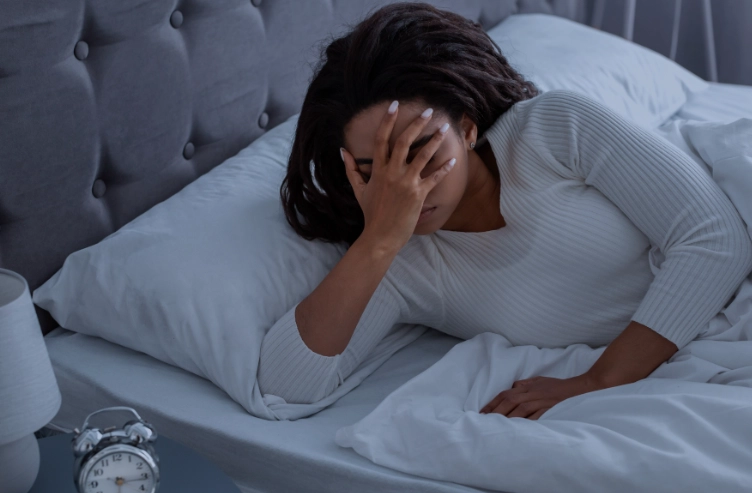
Well, not exactly. That's the sneaky thing about sleep deprivation. The immediate effects are annoying but familiar—the brain fog, the short temper, the craving for carbs. It's easy to dismiss it as just being "tired." But what's happening under the surface, inside your body's systems, is a whole different story. It's a silent, cumulative breakdown that your short-term caffeine fix does nothing to repair.
I remember a period a few years back, chasing a deadline. For about two weeks, I was averaging maybe five hours of broken sleep a night. Sure, I was mentally frayed. But the physical stuff caught me off guard. I got a cold that wouldn't quit. My digestion was a mess. I felt puffy and my skin looked terrible. My resting heart rate, which I track, was noticeably higher. It wasn't just in my head; my body was waving red flags. That's when I really started digging into the science, and let me tell you, it's both terrifying and fascinating.
The physical effects of sleep deprivation are far more than just yawning. They are a systemic revolt. When you chronically shortchange your sleep, you're not just borrowing time from tomorrow night. You're taking out a high-interest loan from your body's most fundamental repair and regulatory systems. And the debt collector comes for your brain, your heart, your hormones, and your immune system.
Your Brain on No Sleep: More Than Just Fog
We'll start here because it's the command center. The cognitive impacts are bad enough—forgetfulness, poor concentration, slow reaction times (making you a danger on the road, by the way). But the physical effects of sleep deprivation on the brain itself are profound.
First, there's the glymphatic system. Sounds fancy, but it's basically your brain's self-cleaning plumbing system. It kicks into high gear during deep sleep, flushing out metabolic waste products that accumulate between your brain cells during the day. One of these waste products is beta-amyloid, a protein closely linked to Alzheimer's disease. When you don't get enough deep sleep, this cleanup process is disrupted. The trash doesn't get taken out. Over time, this is thought to contribute to the buildup of plaques associated with cognitive decline. A study from the National Institutes of Health has done great work outlining this process.
Then there's the amygdala and the prefrontal cortex. The amygdala, your brain's emotional alarm bell, goes into overdrive when you're sleep-deprived. Meanwhile, the prefrontal cortex, which acts as the rational manager calming things down, is essentially offline. This imbalance is why everything feels more stressful, annoying, or sad when you're tired. You're physically less capable of regulating your emotions.
The Hormonal Chaos: Hunger, Stress, and Growth
This is where things get messy, fast. Sleep is prime time for your endocrine system to balance its books. Mess with sleep, and you mess with some of the most powerful chemical messengers in your body.
Let's talk hunger hormones. Ghrelin (the "go eat" hormone) goes up. Leptin (the "I'm full" hormone) goes down. Your body is getting confused signals that scream "FIND CALORIES NOW!" And it's not craving broccoli. It's craving quick-energy, high-sugar, high-fat foods. This isn't a lack of willpower; it's a direct physical effect of sleep deprivation on your metabolic hormones. Research, including work referenced by the National Heart, Lung, and Blood Institute, consistently shows this link.
Next up: cortisol, your primary stress hormone. Normally, it follows a daily rhythm, peaking in the morning to help you wake up and tapering off at night. Sleep deprivation throws this rhythm out of whack, leading to higher overall levels. Chronically elevated cortisol is bad news. It promotes fat storage (especially around the abdomen), breaks down muscle tissue, and suppresses immune function. It keeps your body in a low-grade "fight or flight" state.
And we can't forget growth hormone and testosterone. A significant portion of these critical hormones for repair, muscle growth, and libido is released during deep sleep. Cut your sleep short, and you cut your body's prime repair and restoration window short. For anyone trying to build fitness or just recover from daily wear and tear, this is a major setback.
Personal Insight: The hunger thing is real. During my own sleep-deprived stretch, I was a bottomless pit for chips and cookies. I used to think it was just "comfort eating" due to stress. Learning it was a hardwired hormonal drive made me go easier on myself—and more motivated to fix my sleep.
A System-by-System Breakdown of the Damage
To really grasp how widespread the physical effects of sleep deprivation are, it helps to look at each bodily system. It's not one thing going wrong; it's a cascade of failures.
| Bodily System | Key Physical Effects of Sleep Deprivation | Long-Term Risk If Chronic |
|---|---|---|
| Cardiovascular System | Increased heart rate, elevated blood pressure, increased inflammation. | Hypertension, heart disease, stroke. The American Heart Association now lists poor sleep as a key risk factor for heart health. |
| Immune System | Reduced production of cytokines and infection-fighting cells. Slower wound healing. | Weakened defense against viruses (like the common cold) and potentially reduced effectiveness of vaccines. |
| Metabolic & Endocrine System | Insulin resistance (cells don't respond well to insulin), increased appetite, hormonal imbalance. | Higher risk of developing type 2 diabetes and obesity. |
| Nervous System | Impaired cognitive function, emotional dysregulation, slowed reaction time, microsleeps. | Accident risk (driving, workplace), increased susceptibility to mood disorders, long-term cognitive decline. |
| Musculoskeletal System | Reduced muscle repair, increased perception of pain, lower energy for physical activity. | Slower recovery from exercise or injury, increased risk of chronic pain conditions. |
| Integumentary System (Skin) | Increased cortisol breaks down collagen, leading to dull skin, dark circles, fine lines. | Accelerated skin aging, poorer skin barrier function. |
Looking at that table, it's clear this isn't just about feeling tired. It's about your body's fundamental ability to defend itself, regulate energy, repair damage, and think clearly. Every system pays a price.
Ah, the great weekend sleep-in. It feels amazing, doesn't it? While it can help pay down some of your immediate "sleep debt" and make you feel more alert, research suggests it doesn't fully reverse all the metabolic and cognitive deficits accumulated during the week. Think of it like eating junk food all week and then having a salad on Saturday—it's better than nothing, but it doesn't erase the earlier damage. Consistency is king for avoiding the worst physical effects of sleep deprivation.
The Sneaky Physical Symptoms You Might Not Connect to Sleep
Some signs are obvious. Yawning, heavy eyelids, nodding off. But your body has other, subtler ways of signaling a sleep deficit. Have you ever experienced any of these?
- Constant cravings: That 3 PM slump where only a candy bar will do? Likely linked to your hormones being out of sync from poor sleep.
- Getting sick more often: If you feel like you catch every bug that goes around the office, look at your sleep before you blame your immune system in general.
- Feeling puffy or swollen: Sleep helps regulate fluids and hormones related to hydration. Disrupted sleep can lead to water retention.
- Clumsiness and poor coordination: Dropping things, bumping into door frames? Your brain's motor control centers are fatigued.
- Increased sensitivity to pain: That minor ache feels like a major injury. Sleep deprivation lowers your pain threshold.
I used to blame age or stress for a lot of these. But when my sleep improved, the constant cravings and the frequent colds virtually disappeared. It was a revelation.
So, What Can You Actually Do About It?
Knowing the scary physical effects of sleep deprivation is only useful if it leads to action. The goal isn't perfection, but consistent improvement. Here's a no-nonsense approach that goes beyond "just go to bed earlier."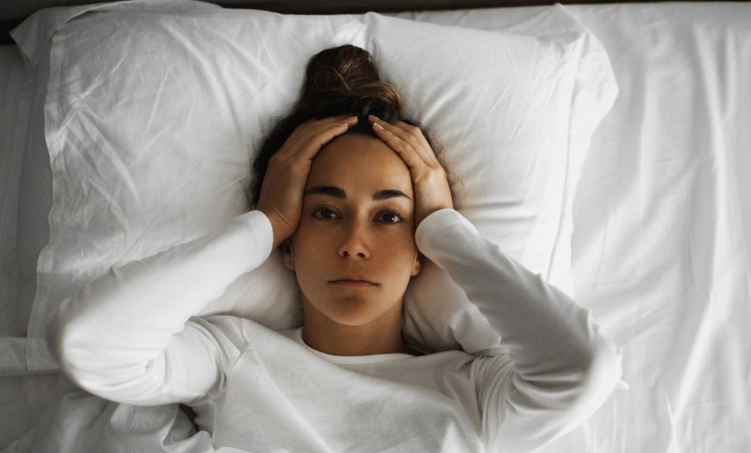
Top Priorities for Better Sleep (A Realistic List)
- Get Light Right: Get bright, natural light first thing in the morning. This sets your circadian rhythm. At night, dim the lights and ditch the screens at least an hour before bed. Blue light from phones and laptops is a major signal to your brain that it's still daytime. If you must use a device, use a blue light filter.
- Cool Down: Your body needs to drop its core temperature to initiate sleep. A cool bedroom (around 65°F or 18°C) is ideal. A hot shower before bed actually helps because the subsequent cool-down mimics this natural temperature drop.
- Create a Wind-Down Ritual: Your brain needs a transition period. This could be 20-30 minutes of reading a physical book (not a thriller!), light stretching, listening to calm music, or a mindfulness practice. It tells your nervous system the workday is over.
- Watch Your Intake: Avoid caffeine after 2 PM (it has a long half-life). Be cautious with alcohol—it might make you fall asleep faster, but it severely fragments the quality of your sleep later in the night. A heavy meal right before bed forces your digestive system to work overtime.
- Manage the Mental Chatter: This is a big one. If anxiety keeps you up, try "brain dumping." Keep a notebook by your bed and spend 5 minutes writing down every worry, to-do, or random thought. It gets it out of your spinning brain and onto paper, where it can wait until morning.
When to Consider Getting Help
If you've genuinely tried improving your sleep hygiene for a few weeks and still struggle with chronic insomnia, daytime sleepiness, or loud snoring/gasping (signs of sleep apnea), it's time to talk to a doctor. Sleep disorders like apnea are serious medical conditions with major health implications, and they are treatable. Don't just suffer through it.
Wrapping It Up: Your Body's Non-Negotiable Need
The evidence is overwhelming. The physical effects of sleep deprivation are not a myth or an exaggeration. They are a documented, systemic assault on your health that chips away at your resilience, your vitality, and your long-term well-being. It weakens your defenses, confuses your metabolism, strains your heart, and clouds your mind.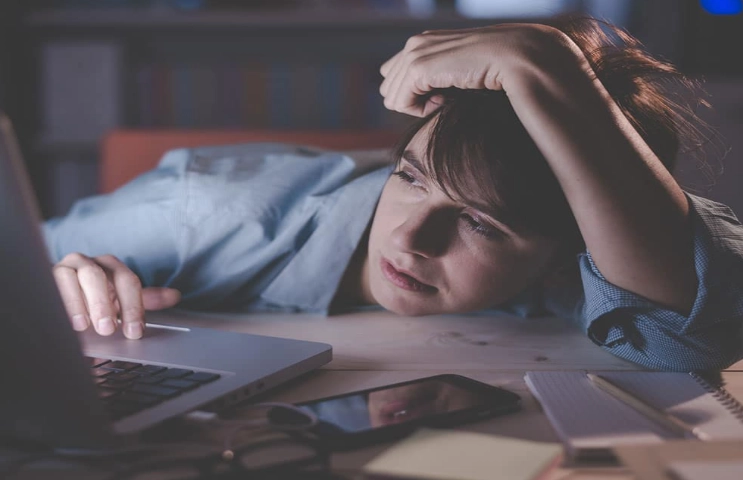
You wouldn't deliberately skip meals for days or never drink water. Yet, we often wear sleep deprivation as a badge of honor, a sign of how busy and important we are. It's time to flip that script. Viewing sleep as wasted time is one of the most counterproductive health beliefs we have. It is, in fact, some of the most productive time your body has—for repair, restoration, and regulation.
Start small. Pick one or two of the sleep hygiene tips above to focus on this week. Track how you feel. Notice if those afternoon cravings lessen, if your mood is more stable, if you have a bit more energy. Your body is an incredible machine, but it needs its daily maintenance window. Give it the sleep it desperately needs, and it will pay you back in every aspect of your physical health.
Reader Comments