Quick Navigation
- The Science Behind Food and Sleep: It's Not Just in Your Head
- Your Sleep-Supportive Food Hall of Fame
- The Sleep Saboteurs: What to Limit or Avoid
- Timing is Everything: When to Eat for Optimal Sleep
- Building Your Plate: A Sample Sleep-Friendly Day
- Answering Your Top Questions on Diet and Sleep
- Wrapping It Up: Your Diet is a Sleep Tool
Let's be honest, we've all been there. Staring at the ceiling at 2 AM, mind racing, while the rest of the world is peacefully unconscious. You've tried counting sheep, meditation apps, maybe even expensive melatonin supplements. But what if the secret to unlocking deeper, more restful sleep was hiding in your kitchen all along?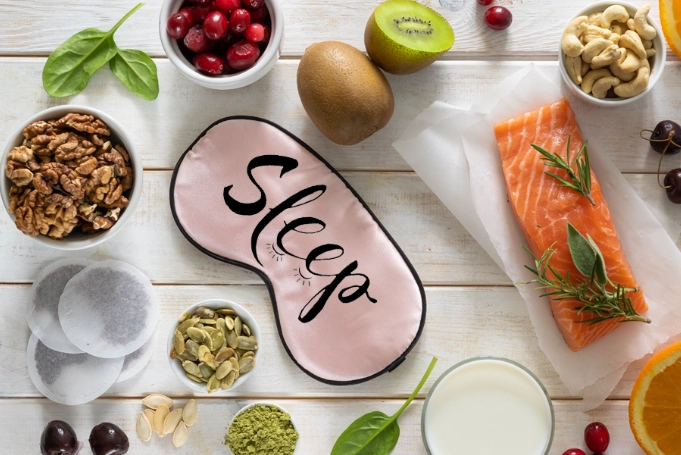
I used to think my insomnia was just bad luck or stress. Then I started paying attention to how I felt after certain meals. That giant bowl of chili for dinner? Tossed and turned all night. The heavy pasta feast? Woke up feeling like I hadn't slept at all. It wasn't until I stumbled upon the concept of a diet for better sleep that things started to click. This isn't about magic pills or restrictive fads. It's about understanding the fascinating, direct conversation between your gut and your brain once the lights go out.
The science is pretty clear now. What you eat, when you eat it, and even what you drink can significantly amplify or sabotage your body's natural sleep-wake cycle. It's one of the most overlooked pieces of the sleep hygiene puzzle.
The Science Behind Food and Sleep: It's Not Just in Your Head
Think of your body preparing for sleep like an orchestra tuning up. Hormones are the conductors. Two key players are melatonin (the "sleep hormone" that signals darkness and readiness for rest) and serotonin (its precursor, often called the "feel-good" neurotransmitter). Guess what? Their production is heavily influenced by nutrients from your food.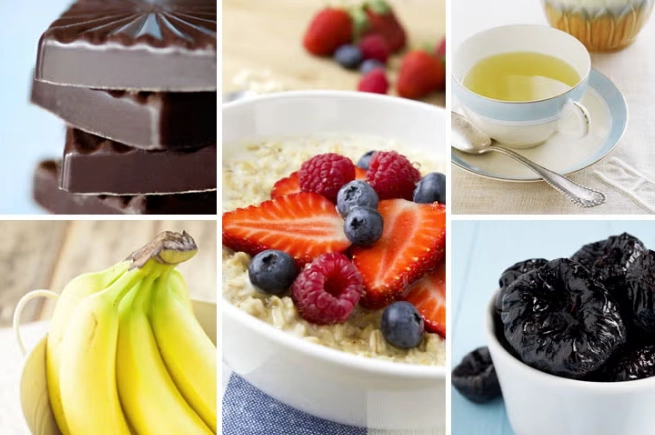
Then there's your blood sugar. A rollercoaster of spikes and crashes from sugary snacks can jolt you awake with cortisol, your stress hormone. Digestion also plays a huge role. A gut working overtime to process a heavy, fatty meal is a gut that's keeping your whole system alert when it should be powering down.
It's a complex dance, but once you know the steps, you can choreograph your evenings for better rest. The goal of a sleep-friendly diet is to provide the raw materials for sleep hormones, promote stable blood sugar, and support—not strain—your digestion at night.
Your Sleep-Supportive Food Hall of Fame
These aren't exotic superfoods you need to hunt down. They're everyday heroes that pack a punch for promoting sleep.
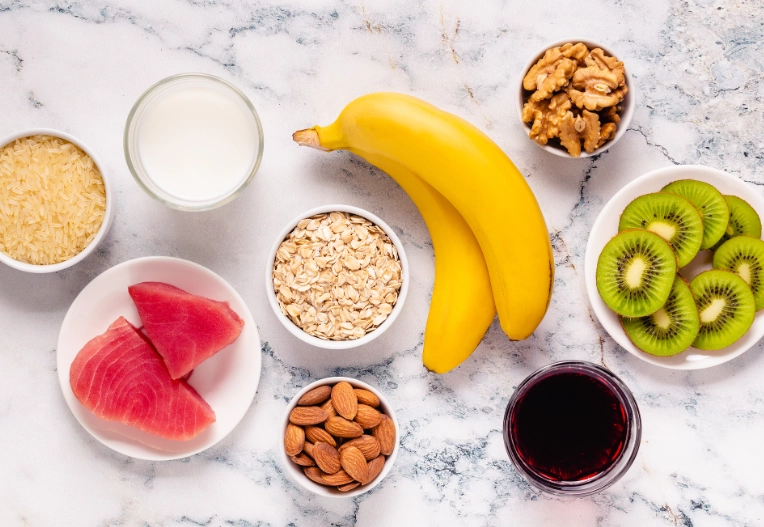
Top 5 Sleep-Supportive Foods to Add to Your Plate
- Tart Cherries & Cherry Juice: One of the very few natural food sources of melatonin. A small study published in the Journal of Medicinal Food found that adults with insomnia who drank tart cherry juice twice a day slept longer and better. I keep a bottle of the unsweetened concentrate in my fridge—just an ounce in water before bed feels like a gentle nudge to my brain.
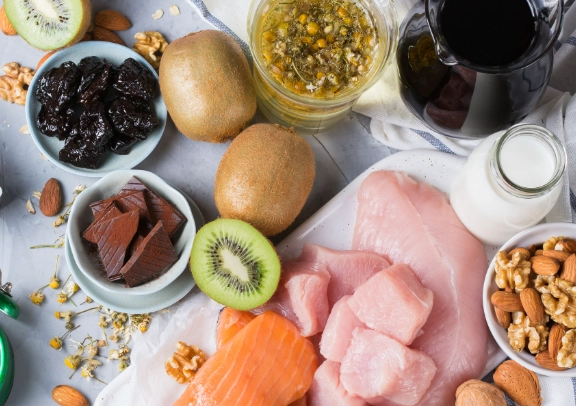
- Fatty Fish (Salmon, Tuna, Mackerel): Rich in vitamin D and omega-3 fatty acids. Research, including a review highlighted by the National Sleep Foundation, suggests these nutrients help regulate serotonin and may improve sleep quality, especially in those with low vitamin D levels.
- Nuts and Seeds (Almonds, Walnuts, Pumpkin Seeds): Almonds are a source of melatonin and magnesium, a mineral crucial for muscle relaxation and de-stressing. Walnuts also contain their own melatonin. Pumpkin seeds are a powerhouse of magnesium and zinc, which aids in converting tryptophan to melatonin.
- Complex Carbohydrates (Oats, Brown Rice, Whole Wheat Bread): Don't fear carbs at dinner! The right ones can help. They encourage the release of insulin, which helps clear competing amino acids from the bloodstream, allowing more tryptophan to reach the brain. A small bowl of plain oatmeal is a classic for a reason.
- Herbal Teas (Chamomile, Valerian Root, Passionflower): While not a food, they're a cornerstone of a sleep diet. Chamomile contains apigenin, an antioxidant that binds to receptors in your brain that may promote drowsiness. The warmth is also psychologically soothing. Valerian root has more mixed reviews in studies, but many people (myself included) find it takes the edge off a racing mind.
The Key Nutrients and Where to Find Them
Instead of memorizing foods, think in terms of these sleep-critical nutrients. Aim to include a few of these in your evening meal or snack.
| Nutrient | Sleep Role | Best Food Sources |
|---|---|---|
| Magnesium | Relaxes muscles, calms the nervous system, regulates melatonin. | Spinach, almonds, cashews, pumpkin seeds, black beans, avocado. |
| Tryptophan | An amino acid converted into serotonin and then melatonin. | Turkey, chicken, milk, yogurt, eggs, nuts, seeds, soy products. |
| Potassium | May help improve sleep efficiency and reduce nighttime awakenings. | Bananas, sweet potatoes, spinach, beans, yogurt. |
| Calcium | Helps the brain use tryptophan to make melatonin. | Milk, yogurt, cheese, fortified plant milks, kale, broccoli. |
| Vitamin B6 | Co-factor in the conversion of tryptophan to serotonin. | Chickpeas, tuna, salmon, potatoes, bananas. |
The Sleep Saboteurs: What to Limit or Avoid
This part is just as important as what you add. Some foods and drinks are like throwing a party in your body right before bedtime.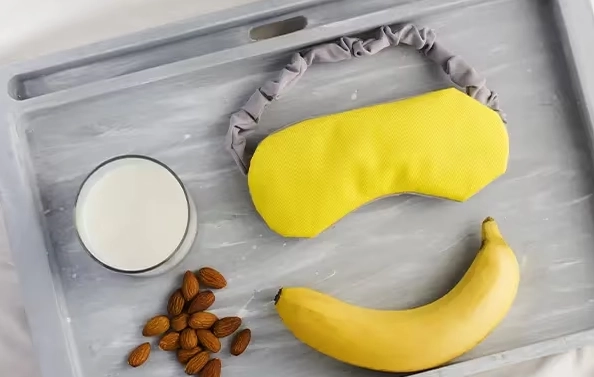
The Big Three Sleep Disruptors
- Caffeine: This is the obvious one, but it's sneaky. It's not just in coffee. Green tea, dark chocolate, some sodas, and even some medications have it. Caffeine blocks adenosine, a chemical that builds up in your brain to make you sleepy. Its half-life is about 5-6 hours. That 3 PM latte? Half of it might still be in your system at 9 PM. My rule? No caffeine after 2 PM. It made a bigger difference than I expected.
- Alcohol: The great deceiver. It might make you fall asleep faster, but it absolutely wrecks sleep architecture. It suppresses REM sleep (the restorative, dream stage) and often causes you to wake up in the second half of the night as your body metabolizes it. You might be "out," but you're not getting quality rest. Resources from the National Institute on Alcohol Abuse and Alcoholism (NIAAA) detail how alcohol disrupts sleep patterns.
- Heavy, Fatty, or Spicy Foods: Your digestive system slows down when you sleep. Asking it to process a large, rich meal (think a giant steak, creamy alfredo sauce, or a fiery curry) forces it to work hard, which can cause discomfort, acid reflux, and a higher body temperature—all enemies of sleep. I personally find that if I have a super spicy curry for dinner, I'm guaranteed a night of fitful sleep and weird dreams.
Other culprits include excessive sugar (causes blood sugar spikes and crashes) and high-sodium foods (can lead to dehydration and nighttime thirst).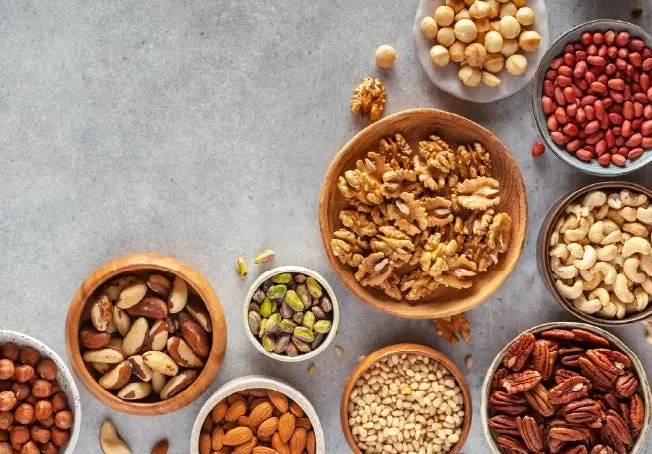
Timing is Everything: When to Eat for Optimal Sleep
You can eat all the right foods, but if the timing is off, it might not help. This was a game-changer for me.
The Ideal Evening Timeline
- Last Major Meal: Aim to finish dinner at least 2-3 hours before bedtime. This gives your body ample time for the initial, active phase of digestion.
- The Pre-Bed Snack (if needed): If your stomach is growling, a small snack about 45-60 minutes before bed is better than going to bed hungry. Hunger pangs can keep you awake. The key is choosing the right combo: a complex carb with a little protein or healthy fat. Think:
- A small banana with a tablespoon of almond butter.
- A few whole-grain crackers with a slice of cheese.
- A small bowl of plain yogurt with a sprinkle of pumpkin seeds.
- The classic warm glass of milk (the tryptophan-calcium combo is legit). - Fluid Cut-Off: Try to taper off liquids about 60-90 minutes before bed to minimize those disruptive middle-of-the-night bathroom trips.
Building Your Plate: A Sample Sleep-Friendly Day
Let's make this practical. What does a day of eating for better sleep actually look like? It's not a rigid prescription, just a template to spark ideas.
| Meal | Focus | Example Ideas |
|---|---|---|
| Breakfast | Protein & complex carbs for stable energy. Avoid sugar crashes. | Scrambled eggs with spinach and whole-grain toast. Overnight oats with chia seeds and berries. |
| Lunch | Balanced, satisfying meal. Include magnesium-rich greens. | Large salad with grilled salmon, quinoa, avocado, and leafy greens. Lentil soup with a side salad. |
| Dinner (The Key Meal) | Light to moderate, easy to digest. Include tryptophan, magnesium, complex carbs. | Baked chicken breast with roasted sweet potatoes and steamed broccoli. Stir-fried tofu with brown rice and bok choy. A small piece of grilled fish with a large portion of roasted vegetables. |
| Evening Snack | Small, sleep-promoting combo if hungry. | Handful of almonds and a few tart cherries. A kiwi fruit (studies show it may improve sleep!). A small cup of cottage cheese. |
Answering Your Top Questions on Diet and Sleep
The One-Week Experiment
Don't try to overhaul everything at once. That's overwhelming. Pick one thing from this guide to focus on for the next week. Maybe it's swapping your after-dinner cookie for a handful of almonds and a few cherries. Maybe it's moving your dinner time 30 minutes earlier. Maybe it's cutting off caffeine after lunch. Just one change. Pay attention to how you feel when you wake up. That tangible result is the best motivation to keep going and build a truly sleep-supportive lifestyle, one bite at a time.
Wrapping It Up: Your Diet is a Sleep Tool
Building a diet for better sleep isn't about deprivation or a strict list of forbidden foods. It's a shift in perspective. It's seeing your evening meal and snacks as a way to gently support your body's natural wind-down process, not challenge it.
Start by adding in the good stuff—the magnesium-rich greens, the tryptophan-containing proteins earlier in the day, the complex carbs. Then, become more mindful of the timing and the potential saboteurs, especially caffeine and alcohol. Listen to your body. Keep a simple log for a few days: what you ate for dinner and when, and how you slept. You might spot patterns you never noticed.
The path to better sleep is multifaceted, but your fork is a surprisingly powerful place to start. Sweet dreams.
Disclaimer: This article is for informational purposes only and is not a substitute for professional medical advice, diagnosis, or treatment. Always seek the advice of your physician or other qualified health provider with any questions you may have regarding a medical condition or sleep disorder.
Reader Comments