Let's be honest. Searching for ways to stop snoring naturally feels like sifting through a pile of old wives' tales and gimmicky products. You've probably tried a thing or two—maybe propped up an extra pillow, bought some strips from the pharmacy. Sometimes it works, sometimes it doesn't. The noise isn't just a nuisance for your partner; it's a sign your body is working harder than it should to breathe at night. The good news? For most people, simple, non-invasive strategies can make a world of difference. This isn't about quick fixes. It's about understanding why you snore and applying targeted, natural interventions that actually work.
What You’ll Find in This Guide
Understanding Why You Snore: It's Not One-Size-Fits-All
Snoring happens when the flow of air through your mouth and nose is physically obstructed. As you drift into deep sleep, the muscles in your throat, tongue, and soft palate relax. If they relax too much, they can partially block your airway and vibrate as you breathe—that's the sound. The key to stopping it naturally is to figure out where that obstruction is happening. Is it in your nose? Your throat? Often, it's a combination.
Common culprits include nasal congestion from allergies or a cold, the anatomy of your mouth (a low, thick soft palate), carrying extra weight (which adds tissue around the neck), alcohol consumption, and, crucially, your sleep position. Sleeping on your back makes it more likely for your tongue and soft palate to collapse backward. I've seen countless clients focus only on nasal strips when their main issue was positional. Getting this wrong means wasting time and money.
Lifestyle Tweaks That Have the Biggest Impact
These are the foundation. They address the root causes and often provide benefits far beyond quieter nights.
Weight Management: The Elephant in the Room
It's sensitive, but it's arguably the most effective long-term natural strategy for many people. Excess weight, especially around the neck, puts direct pressure on your airway, narrowing it. You don't need to hit a perfect BMI. Studies, like those cited in reports from the National Heart, Lung, and Blood Institute, show that even a modest weight loss of 5-10% can significantly reduce snoring frequency and intensity. Think of it as decreasing the collar size around your windpipe.
Watch What (and When) You Drink
Alcohol and certain sedatives are muscle relaxants. They cause your throat muscles to relax more than they normally would during sleep. That extra relaxation leads to more vibration and louder snoring. The effect isn't just for heavy drinkers. Two glasses of wine with dinner can be enough. Try cutting out alcohol at least 3-4 hours before bedtime for a week and see if your partner notices a difference. It's one of the fastest tests you can run.
Establish a Consistent Sleep Schedule
When you're overtired, you fall into a deeper sleep faster, and your muscles become excessively floppy. This "rebound" deep sleep is a prime time for heavy snoring. Going to bed and waking up at roughly the same time every day—even on weekends—helps regulate your sleep cycles and can prevent that crash-like sleep onset that worsens snoring.
Mastering Your Sleep Position: More Than Just "Sleep on Your Side"
"Sleep on your side" is classic advice, but it's often too simplistic. The goal is to prevent your airway from collapsing, and that involves your whole head and neck alignment.
| Position | Why It Affects Snoring | Natural Intervention Strategy |
|---|---|---|
| Back Sleeping (Supine) | Gravity pulls the tongue and soft palate directly backward, narrowing the airway. This is the most common trigger for positional snoring. | Positional therapy: Use a firm pillow to encourage side-sleeping. The "tennis ball trick" (sewing a sock with a tennis ball into the back of your pajama top) is surprisingly effective. Wearable devices that vibrate when you roll onto your back are a modern take. |
| Side Sleeping | Generally the best position to keep the airway open. However, if your pillow is wrong, it can kink your neck and still cause obstruction. | Pillow strategy: Use a pillow that keeps your head level with your spine. A contour pillow or a memory foam pillow that cradles your neck can help. Avoid pillows that are too high and push your head forward. |
| Stomach Sleeping | Can keep the airway open but is terrible for your neck and spine alignment, often leading to other pains. | Not generally recommended as a snoring solution due to the strain it places on your body. |
My personal take? Investing in a good wedge pillow that elevates your entire upper body by 30-45 degrees can be more effective than fighting the back-sleeping battle. It uses gravity to keep the airway open without forcing an uncomfortable side position all night.
Effective Home Remedies and Environmental Fixes
This is where you can experiment night-by-night. These address specific obstacles to clear breathing.
- Saline Rinses/Sprays: Using a neti pot or saline spray before bed can wash away allergens and thin mucus. It's drug-free and highly effective for allergy-related snoring.
- Nasal Strips: Those adhesive strips you put on the outside of your nose. They physically pull the nasal passages open, increasing airflow. They work well for mild nasal valve collapse but do nothing for throat-based snoring. A common mistake is using the wrong size—make sure it fits the width of your nose.
- Manage Allergies: Keep your bedroom dust-free. Use allergen-proof mattress and pillow covers. Consider an air purifier with a HEPA filter.
Hydrate the Air: Dry air can irritate nasal and throat membranes, causing swelling and congestion. A cool-mist humidifier in your bedroom, set to keep humidity between 40-50%, can keep tissues moist and reduce irritation. Clean it weekly to prevent mold.
Oral and Throat Exercises: Sometimes called "oropharyngeal exercises," these strengthen the muscles of your tongue, soft palate, and throat. A study published in the journal Chest found they can reduce snoring frequency by about 36%. They're not instant, requiring a few weeks of daily practice. Examples include: pressing your tongue flat against the roof of your mouth and sliding it backward; saying each vowel sound (A-E-I-O-U) loudly and clearly for 3 minutes a day; and placing the tip of your tongue behind your top front teeth and sliding it backward along the roof of your mouth.
Dietary Considerations: Some find that reducing dairy before bed lessens mucus production. Heavy meals close to bedtime can also increase snoring as your body digests. Try having your last big meal at least 3 hours before sleep.
Your Snoring Questions, Answered
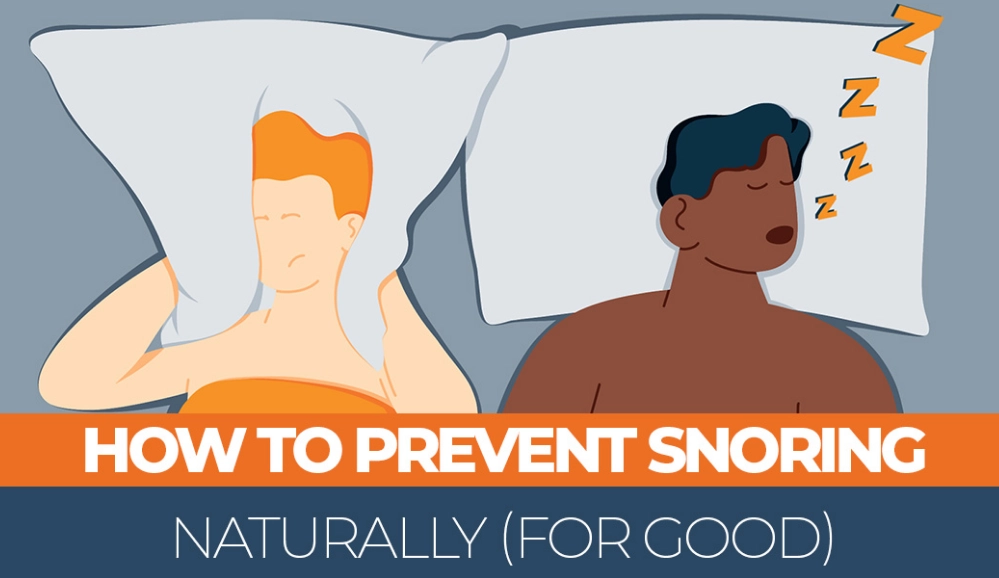 The path to stopping snoring naturally is a process of elimination and patience. Start with the easiest fixes—adjust your sleep position, try nasal strips, cut out evening alcohol. Track what happens. Move to the foundational lifestyle changes if needed. The goal isn't perfection, but progress. A quieter night isn't just a gift to your partner; it's a sign of healthier, more restful sleep for you.
Reader Comments