You know the feeling. You spend 8 hours in bed, but you wake up feeling like you barely slept. Your body is heavy, your mind is foggy, and the alarm clock feels like a personal insult. The culprit is often a severe lack of deep sleep, also known as slow-wave sleep. This isn't about just being tired; it's about your brain and body missing their most critical restoration phase. Let's cut through the generic advice and look at the real, often surprising, reasons why your deep sleep is broken.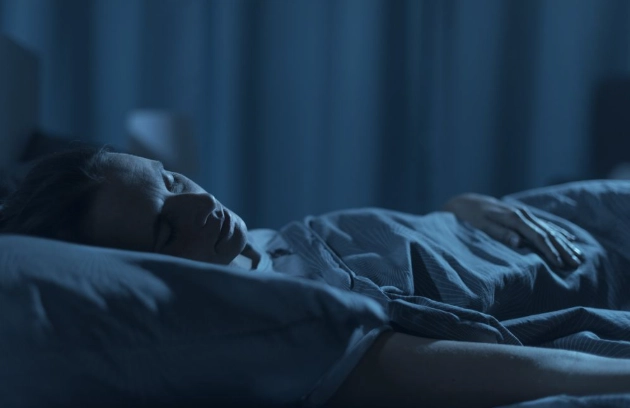
What We're Going to Cover
Lifestyle Choices That Sabotage Deep Sleep
We often blame our poor sleep on stress or a bad mattress, but the day starts long before bedtime. Your daily habits set the stage for what happens—or doesn't happen—in your brain at night.
The Caffeine and Alcohol Trap
Let's be honest about caffeine first. That 3 PM latte? It's probably still blocking adenosine (the sleep-pressure chemical) in your brain at 9 PM. The half-life is 5-6 hours. This doesn't just keep you awake; it specifically reduces slow-wave deep sleep. Your brain can't descend into the deepest restorative stages if it's still chemically nudged to be alert.
And alcohol. This is the big one everyone gets wrong.
You think a nightcap helps you sleep. It helps you pass out. There's a massive difference. Alcohol is a sedative. It knocks your cortex offline, but it brutally suppresses REM sleep and, crucially, deep sleep in the second half of the night. As it metabolizes, it causes mini-withdrawals that fragment your sleep. You wake up more, and your sleep architecture is a mess. You might sleep for 7 hours but get only minutes of quality deep sleep.
Exercise Timing (and Lack Thereof)
Regular exercise is fantastic for sleep depth. It increases sleep pressure and can promote deeper slow-wave sleep. But timing matters intensely for some people. A high-intensity workout right before bed raises your core body temperature and pumps adrenaline—the exact opposite of what you need to wind down. For many, finishing exercise at least 2-3 hours before bed is key. On the flip side, being completely sedentary means your body never builds up a strong physical need for deep restoration.
The Invisible Weight of Stress and an Unquiet Mind
Chronic stress and anxiety aren't just feelings. They are physiological states. They keep your sympathetic nervous system (fight-or-flight) dialed up. Cortisol, your alertness hormone, should be at its lowest at bedtime. If it's high, it's like having a neurological guard dog barking all night, preventing the deep relaxation necessary for slow-wave sleep. Your brain stays in a shallow, vigilant state, ready to react to threats, instead of diving deep for repair.
Hidden Health and Medical Factors
Sometimes, the cause isn't your choices but something happening inside your body that you might not even be fully aware of.
Sleep Apnea: The Silent Deep Sleep Killer
This is arguably the number one medical cause of obliterated deep sleep. In obstructive sleep apnea, your airway collapses, causing you to stop breathing dozens or hundreds of times a night. Each time, your brain gets a panic signal: "Oxygen dropping!" It triggers a micro-arousal to gasp for air. These arousals are so brief you rarely remember them, but they constantly pull you out of deep sleep. You can't maintain a deep sleep cycle if you're being startled awake every few minutes. The result? You spend all night in light, fragmented sleep. Loud snoring, choking/gasping sounds, and daytime exhaustion are major red flags. The American Academy of Sleep Medicine has extensive resources on this condition.
Pain and Discomfort
Chronic pain from arthritis, back problems, or injuries is a direct barrier to deep sleep. Deep sleep requires a state of profound physical relaxation. Sharp or throbbing pain prevents that. You may unconsciously avoid deep sleep positions or be jarred awake by discomfort just as you start to descend into deeper stages.
Medications and Substances
Many common prescriptions have sleep architecture as a side effect. For example:
- SSRI antidepressants (like sertraline, fluoxetine) often suppress REM sleep and can reduce deep sleep.
- Beta-blockers for blood pressure are linked to more nighttime awakenings and nightmares.
- Stimulant medications for ADHD, if taken too late, obviously disrupt sleep.
Even over-the-counter drugs like some decongestants (pseudoephedrine) are stimulants. It's a conversation worth having with your doctor if poor sleep is a new issue since starting a medication.
Your Sleep Environment and Habits
Your bedroom might be working against you in subtle ways. Deep sleep is fragile and easily disrupted by external factors.
Temperature: The Goldilocks Zone
Your core body temperature needs to drop to initiate and maintain sleep, especially deep sleep. A room that's too warm prevents this drop. Most research points to an ideal range between 60-67°F (15.5-19.5°C). This isn't just about comfort; it's a biological trigger. A hot, stuffy room can keep you cycling in lighter sleep stages.
Light and Noise Pollution
Even small amounts of light—a streetlamp, a charging LED, early dawn light—can seep through your closed eyelids and signal your brain that it's time to be alert. This suppresses melatonin and can prevent you from reaching or maintaining deep sleep cycles. Similarly, irregular noise (a partner snoring, traffic, a dripping tap) doesn't have to wake you fully to cause a micro-arousal that fragments deep sleep.
The Pre-Bed Scroll
Blue light from phones and tablets delays melatonin production. That's the common advice. But the bigger issue is the cognitive and emotional stimulation. Scrolling through social media, work emails, or intense news triggers stress, excitement, or anxiety. You're pumping cortisol and engaging your prefrontal cortex right before trying to shut it down for deep restoration. It's like revving a car's engine and then expecting it to instantly turn into a silent, still statue.
Actionable Fixes to Reclaim Your Deep Sleep
Knowing the causes is half the battle. Here’s what to do about it. This isn't a one-size-fits-all list. Pick the areas that resonate with your situation.
| Cause Category | Specific Actionable Fix | Why It Works |
|---|---|---|
| Substance Timing | Set a caffeine curfew for 12-2 PM. Switch to decaf after lunch. Limit alcohol, and avoid it within 3 hours of bed. | Allows adenosine to build naturally and avoids chemical disruption of sleep cycles. |
| Stress & Mind | Implement a 60-min "wind-down" with no screens. Try a 10-min meditation or deep breathing (4-7-8 technique). Write a worry list to dump thoughts. | Lowers cortisol, activates the parasympathetic (rest-and-digest) nervous system. |
| Sleep Environment | Invest in blackout curtains. Use a white noise machine or fan. Set thermostat to ~65°F (18°C). Ensure mattress/pillows support you. | Removes sensory barriers that cause micro-arousals and supports the body's natural temperature drop. |
| Exercise & Body | Get 30+ min of moderate exercise most days, but finish >3 hours before bed. Try gentle yoga or stretching in the evening. | Builds healthy sleep pressure while allowing body to cool and relax before sleep. |
| Medical Suspicion | If you snore loudly, gasp, or have unrefreshing sleep despite good habits, talk to a doctor about a sleep study. | Rules out or treats conditions like sleep apnea that directly prevent deep sleep. |
The key is consistency. Your brain's sleep drive and circadian rhythm thrive on routine. Going to bed and waking up at roughly the same time, even on weekends, is more powerful for deep sleep regulation than any supplement.
I've seen clients focus on expensive sleep trackers while drinking wine every night and wonder why their "deep sleep score" is low. The tracker isn't wrong. Start with the fundamentals—the substances you consume and the peace of your pre-sleep hour—before chasing complex biohacks.
Your Deep Sleep Questions Answered
It severely hurts it. While alcohol might make you fall asleep faster, it's a potent suppressor of REM and deep sleep (slow-wave sleep) in the second half of the night. As your body metabolizes the alcohol, it causes sleep fragmentation, leading to more awakenings and lighter, less restorative sleep. You might sleep through the night but wake up feeling unrefreshed.
Absolutely, and this is a common blind spot. Caffeine has a half-life of about 5-6 hours. A coffee at 3 PM means half the caffeine is still in your system at 8-9 PM. This adenosine blockade can prevent your brain from entering the deepest, most restorative stages of sleep, even if you don't feel consciously alert. For better deep sleep, consider a hard cutoff by early afternoon.
Yes, chronic stress is one of the most powerful deep sleep disruptors. It keeps your nervous system in a state of high alert (high sympathetic tone), flooding your body with cortisol and adrenaline. These hormones are directly antagonistic to the state of deep relaxation required for slow-wave sleep. Your brain stays in 'guard' mode, prioritizing light sleep for potential threat detection over deep restoration.
It's a common trend, but not an inevitability you must accept without a fight. While the amount of deep sleep naturally decreases from childhood through adulthood, a significant, sudden drop is often due to modifiable factors like pain, medication, sleep apnea (which becomes more prevalent), or poor sleep hygiene. Addressing these can help you maximize the deep sleep your brain is still capable of producing.
Reader Comments