Quick Guide
- The Usual Suspects: Common Culprits Behind Poor Sleep
- The Hidden Factors: Less Obvious Reasons for Poor Sleep Quality
- The Body-Mind Connection: Physical and Mental Health Links
- How to Play Detective: Identifying Your Personal Causes
- So, What Can You Actually DO About It? A Practical Action Plan
- Straight Answers to Your Burning Sleep Questions
- When It's Time to Call in the Pros
- Wrapping This Up (Without a Bow)
You know the feeling. You go to bed tired, but you spend the night doing a weird dance between being half-asleep and fully awake. The clock mocks you. Your mind races. You wake up feeling like you've been run over by a truck, not rested. Sound familiar? You're not alone. But here's the thing most articles don't tell you: fixing it starts with understanding the why. Not just the obvious whys, but the sneaky, hidden ones too.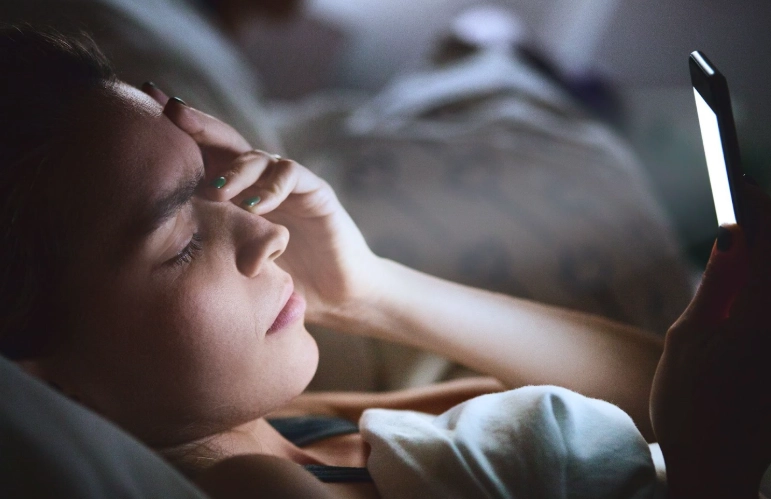
I spent years blaming my poor sleep quality on "stress" or "just being a bad sleeper." It was a frustrating cop-out. It wasn't until I started treating my sleep like a detective story—looking for clues, connecting dots—that things changed. The real causes of poor sleep quality are often a messy mix of habits, environment, and biology. Let's untangle that mess together.
Think of sleep quality like a recipe. If you keep using the wrong ingredients (habits) or your kitchen is a mess (environment), you'll never get a good result, no matter how long you leave it in the oven.
The Usual Suspects: Common Culprits Behind Poor Sleep
Let's start with the biggies. These are the primary causes of poor sleep quality that affect millions. If you're struggling, one or more of these is likely playing a lead role.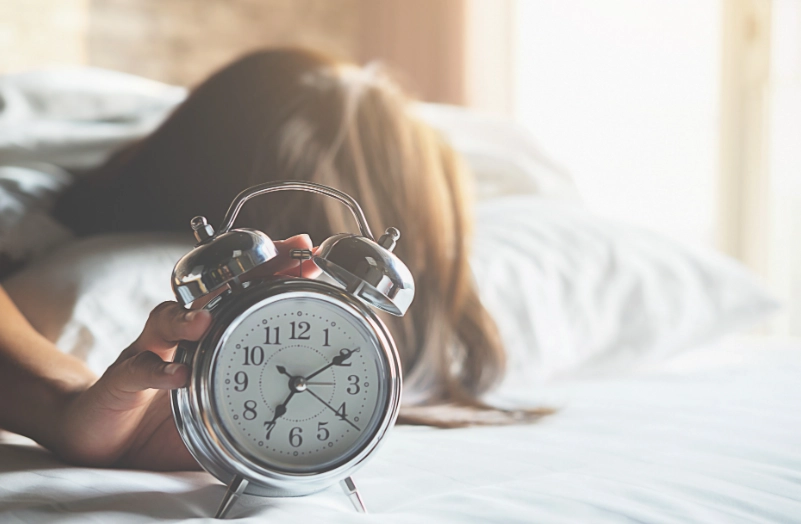
Your Mind Won't Shut Up (Stress & Anxiety)
This is the grand champion. It's not just about having a stressful day. It's about your body's ancient alarm system—the fight-or-flight response—getting stuck in the "on" position. When you're anxious or ruminating, your body pumps out cortisol and adrenaline. These are great for outrunning a bear, but terrible for drifting into dreamland. Your heart rate stays up, your muscles stay tense, and your brain stays in problem-solving mode when it should be in rest-and-repair mode.
I used to lie in bed mentally replaying awkward conversations from 2007. It's amazing how creative anxiety can be at 2 AM.
The link between chronic stress and fragmented sleep is well-documented. The American Psychological Association consistently reports stress as a major disruptor of sleep. It creates a vicious cycle: poor sleep lowers your stress tolerance, which leads to more anxiety, which leads to worse sleep. Nasty feedback loop.
Your Daily Habits Are Working Against You
We call this "sleep hygiene," which sounds clinical, but it's just about your pre-bed routine. Bad hygiene is a huge contributor to poor sleep quality causes.
The Top Sleep-Sabotaging Habits:
- Blue Light Bombardment: Scrolling through your phone or tablet in bed. The blue light suppresses melatonin, the hormone that tells your brain it's night-time. It's like shining a tiny sunrise into your eyes.
- Inconsistent Schedule: Sleeping in until noon on weekends completely confuses your internal clock (circadian rhythm). Your body thrives on predictability.
- Using Your Bed for Everything: Working, eating, watching thrilling/scary movies in bed. You're training your brain to associate the bed with alertness, not sleep.
- Caffeine & Alcohol Too Late: Caffeine has a half-life of 5-6 hours. That 4 PM coffee? Half of it is still in your system at 10 PM. And alcohol? It might help you fall asleep, but it absolutely wrecks the later, restorative stages of sleep (like REM sleep). You might pass out, but you won't rest well.
Your Sleep Environment Sucks
You might not even notice it anymore. Is your room too warm? Most people sleep best in a cool room (around 65°F or 18°C). Is it noisy? Even low-level, constant noise (like a fan or traffic) can prevent you from reaching deep sleep. Is it too bright? Streetlights, charging LEDs, a crack under the door—your brain senses light as "daytime." Is your mattress a decade-old torture device? Your pillow a lumpy sack of flour?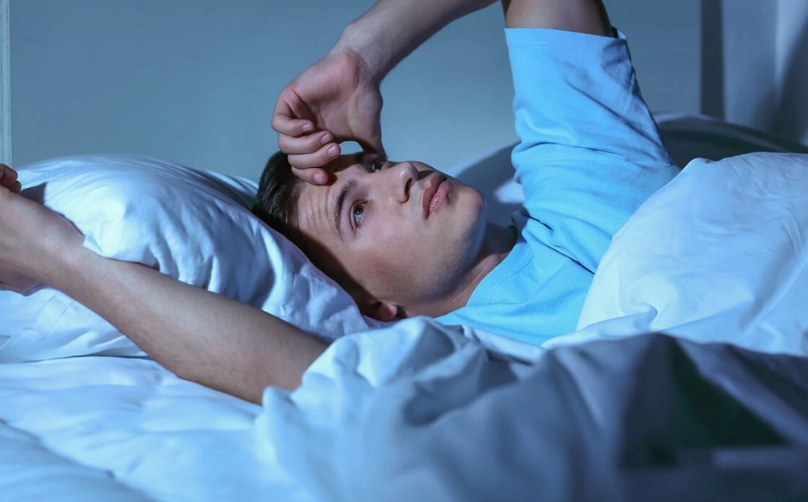
These environmental factors are physical causes for poor sleep quality that are often cheap and easy to fix, yet we ignore them for years.
The Hidden Factors: Less Obvious Reasons for Poor Sleep Quality
This is where we go deeper. If you've "fixed" the obvious stuff and still can't sleep, one of these hidden culprits might be the issue.
Undiagnosed Sleep Disorders
This is a big one. You might think you're just a light sleeper, but you could have a clinical condition.
- Sleep Apnea: This isn't just loud snoring. It's when your airway collapses during sleep, stopping your breathing dozens or hundreds of times a night. Each time, your brain gets a panic signal and jolts you slightly awake to restart breathing. You might not remember it, but it completely fragments your sleep. The result? Crippling daytime fatigue. The National Sleep Foundation has great resources on recognizing the signs, which include loud snoring, gasping for air, and morning headaches.
- Restless Legs Syndrome (RLS): An irresistible, creepy-crawly urge to move your legs when you're trying to relax. It's brutal and can delay sleep onset for hours.
- Circadian Rhythm Disorders: Your internal clock might be fundamentally out of sync with the 24-hour day (like in Delayed Sleep Phase Disorder, where you naturally fall asleep at 3 AM and wake at noon). No amount of "trying to sleep earlier" will fix a biological misalignment.
Diet and Exercise (The Double-Edged Sword)
You know exercise is good, but timing matters. A hard workout too close to bedtime can leave you too energized and raise your core body temperature, which needs to drop for sleep. A heavy, greasy meal right before bed forces your digestive system to work overtime, which can cause discomfort and acid reflux.
On the flip side, going to bed hungry can also keep you awake. It's about balance and timing. A light snack with tryptophan (like a banana or some turkey) and complex carbs can actually be helpful.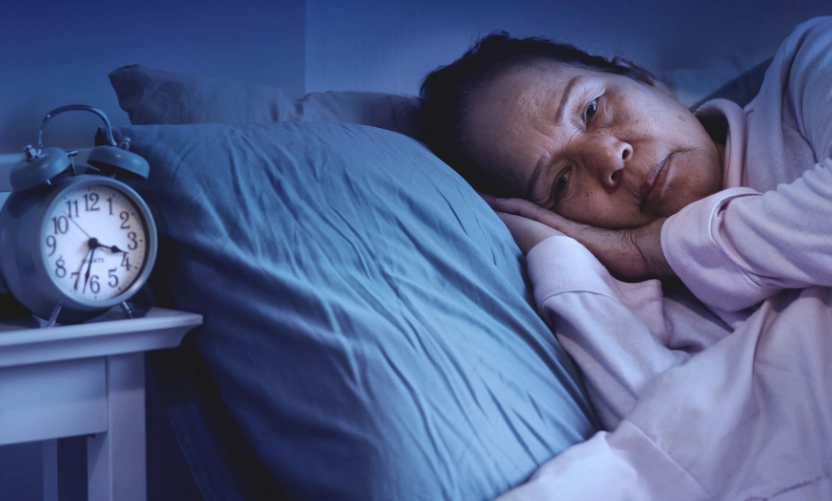
A common mistake is treating sleep as a separate part of health. It's not. It's the foundation. What you eat, how you move, and how you manage stress from 8 AM to 8 PM directly determines how you sleep from 10 PM to 6 AM.
Medications and Substances
Check the side effects of any medications you're on. Common culprits include certain antidepressants, blood pressure medications, stimulants for ADHD, and even some over-the-counter cold medicines that contain pseudoephedrine. Nicotine is also a powerful stimulant. If you're a smoker, that before-bed cigarette is doing the opposite of relaxing your system.
The Body-Mind Connection: Physical and Mental Health Links
Sometimes, poor sleep isn't the root problem; it's a symptom of something else going on in your body or mind.
Physical Health Conditions:
- Chronic Pain: Arthritis, back pain, fibromyalgia—pain makes it impossible to get comfortable and stay asleep.
- Hormonal Changes: Menopause (with night sweats), pregnancy, thyroid issues (both overactive and underactive). Hormones are major regulators of sleep-wake cycles.
- GERD/Acid Reflux: Lying down makes heartburn worse, often waking people up with a burning sensation.
- Neurological Conditions: Like Parkinson's or Alzheimer's disease, which often disrupt sleep architecture.
Mental Health Conditions:
- Depression: Often linked with early morning awakening (waking up at 4 AM and unable to fall back asleep) or hypersomnia (sleeping too much but not feeling rested).
- Anxiety Disorders: As discussed, but more severe, generalized anxiety or PTSD can come with nightmares and severe hypervigilance that disrupts sleep.
- Bipolar Disorder: Can involve significant sleep disturbances during different phases of the illness.
The relationship here is bidirectional. Poor sleep worsens these conditions, and these conditions worsen sleep. It's why treating the underlying condition, with help from a professional, is often the only way to break the cycle. The National Institute of Mental Health provides clear information on how sleep and mental health are deeply intertwined.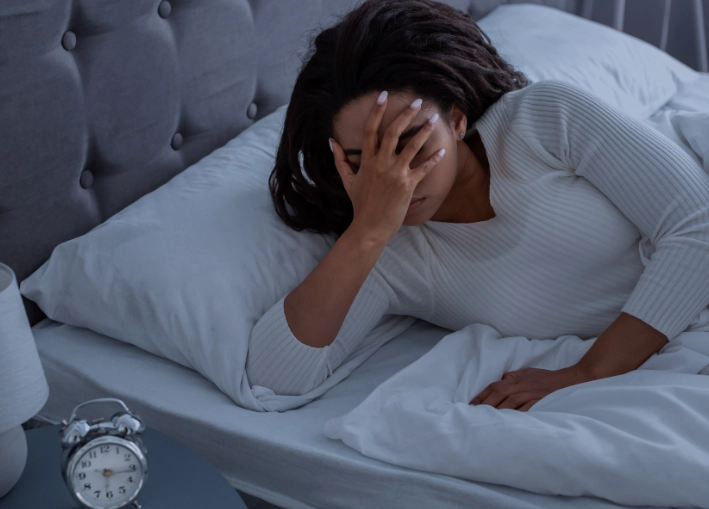
How to Play Detective: Identifying Your Personal Causes
Okay, so there are a million potential causes of poor sleep quality. How do you figure out which ones are yours? You need data. Guessing is useless.
Start a Sleep Diary. For two weeks, track:
- What time you got in bed.
- How long it took to fall asleep (estimate).
- How many times you woke up and for how long.
- What time you woke up for good.
- How you felt in the morning (1-10 scale).
- Key daily factors: caffeine (time & amount), alcohol, exercise, stress level, meals.
- Any medications taken.
Patterns will emerge. You might see that on days you have coffee after 2 PM, your "time to fall asleep" doubles. Or that your worst sleep follows high-stress workdays. This diary is also gold if you decide to see a doctor.
Consider technology. A good fitness tracker or dedicated sleep tracker (like an Oura ring or Whoop) can give you data on sleep stages, restlessness, and even your nighttime heart rate variability, which is a great proxy for recovery stress. Don't obsess over the numbers, but use them as clues.
So, What Can You Actually DO About It? A Practical Action Plan
Knowing the causes is half the battle. The other half is taking targeted action. Don't try to change everything at once. Pick one or two areas from the list below that resonate most with your detective work.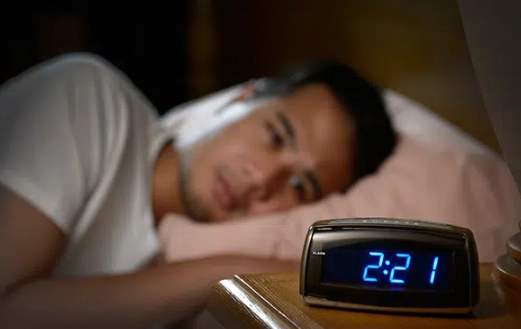
| Root Cause Category | Actionable Fixes (Start Small!) | Realistic First Step |
|---|---|---|
| Stress & Anxiety | Evening wind-down routine (no screens 1hr before bed), meditation/breathing exercises (try 4-7-8 breathing), journaling to "download" worries, cognitive behavioral therapy for insomnia (CBT-I). | Tonight, spend 5 minutes writing down everything on your mind before you get into bed. Leave the notebook on the nightstand. |
| Poor Sleep Habits | Set a consistent wake-up time (even weekends), create a dark/cool/quiet bedroom, reserve bed for sleep & intimacy only, limit caffeine after noon, avoid alcohol within 3 hours of bedtime. | Pick a wake-up time and stick to it for 7 days straight. Use an alarm clock, not your phone. |
| Sleep Environment | Blackout curtains, white noise machine, room temperature ~65°F (18°C), assess mattress/pillow support, remove electronics. | Buy a pack of inexpensive blackout stickers for every LED light in your bedroom tonight. |
| Diet & Exercise | Finish eating 2-3 hours before bed, limit fluids before bed, incorporate daily exercise (morning/afternoon ideal), avoid heavy/spicy late meals. | Move your dinner time 30 minutes earlier this week. |
| Underlying Health Issue | See a doctor (primary care or sleep specialist). Discuss symptoms, bring your sleep diary. Get evaluated for sleep apnea, RLS, or other conditions. | Make the appointment. Seriously, just call or book it online. It's the hardest but most important step. |
The goal isn't perfection. It's progress. If you mess up one night, just reset the next. Consistency over time is what rewires your brain and body for better sleep.
The most effective sleep intervention isn't a pill or a gadget. It's Cognitive Behavioral Therapy for Insomnia (CBT-I). It's a structured program that helps you change the thoughts and behaviors that cause sleep problems. Studies show it's more effective long-term than sleep medication. The U.S. Department of Veterans Affairs has excellent, free online CBT-I resources because it works so well.
Straight Answers to Your Burning Sleep Questions
Can napping cause poor sleep quality at night?
It depends. A short "power nap" of 20-30 minutes early in the afternoon can be refreshing without affecting night sleep. But long naps (over 45 minutes) or naps taken after 3 PM can steal sleep pressure from your nighttime sleep, making it harder to fall asleep. If you have insomnia, it's often advised to avoid naps altogether to build up strong sleep drive for the night.
Is my mattress the main cause of my poor sleep quality?
It could be a significant contributor, especially if it's old (over 7-10 years), sagging, or causing pain. But it's rarely the only cause. It's usually a combination factor. Before you drop thousands on a new mattress, make sure you've addressed sleep hygiene and stress. That said, if you wake up with back or neck pain that fades during the day, your mattress or pillow is a prime suspect.
Why do I fall asleep fine but wake up at 3 AM every night?
This is incredibly common and maddening. Early morning awakening can be a hallmark of stress/anxiety (your mind kicks on as soon as sleep lightens), depression, or age-related changes in sleep architecture. It can also be caused by blood sugar dips, a need to urinate, or even a silent partner's snoring. Tracking what happens when you wake up (racing thoughts? physical discomfort?) is the first clue.
Are sleep supplements (like melatonin) a good solution?
Melatonin is a hormone, not a sedative. It's best for resetting your circadian rhythm (like with jet lag or shift work) or if you have a diagnosed deficiency. For general insomnia, it's often ineffective. The bigger issue is that it treats a symptom, not the root cause of your poor sleep quality. It's also unregulated, so dosages can be unreliable. Always talk to a doctor before starting any supplement.
My partner says I snore. Is that causing my poor sleep?
Simple snoring might not disrupt your sleep too much, though it can disturb your partner. However, loud, chronic snoring—especially with gasps, snorts, or pauses in breathing—is the #1 sign of sleep apnea, a major medical cause of poor sleep quality. If you snore loudly and are excessively tired during the day, please get evaluated. It's a game-changer for sleep and long-term health.
When It's Time to Call in the Pros
Look, you can only DIY so much. If you've genuinely tried improving your sleep hygiene and habits for a month or two with no real change, or if your sleep problems are severely impacting your daytime function (falling asleep at the wheel, unable to concentrate at work, mood swings), it's time for professional help.
Start with your primary care doctor. They can rule out underlying medical conditions (thyroid, anemia, etc.) and refer you to a sleep specialist. A sleep specialist might recommend a sleep study (polysomnogram), which can be done in a lab or at home now, to get a definitive diagnosis for disorders like sleep apnea or periodic limb movement disorder.
Consider a therapist trained in CBT-I. As mentioned, it's the gold-standard behavioral treatment. You can find providers through the Psychology Today therapist directory or ask your doctor for a referral.
Don't suffer in silence thinking it's just "you." Chronic sleep deprivation is a serious health risk, linked to heart disease, diabetes, obesity, and weakened immune function. Seeking help is a sign of taking your health seriously, not of weakness.
Wrapping This Up (Without a Bow)
There's no magic bullet. The causes of poor sleep quality are complex and personal. It's a puzzle with pieces from your lifestyle, your environment, your mind, and your body. The journey to better sleep isn't about finding one perfect trick; it's about systematically identifying and removing the obstacles in your way.
Start small. Be a detective. Gather data on your own sleep. Tackle one obvious habit or environmental tweak. See what moves the needle. Be patient and kind to yourself. It took me ages to connect my late-afternoon coffee habit to my midnight mind-racing sessions. Sometimes the answer is stupidly simple. Other times, you need a guide (a doctor, a therapist).
The goal isn't to sleep "perfectly" every single night. That's impossible. The goal is to understand the levers you can pull to make good sleep the default, not the exception. Your body wants to sleep. Your job is to clear the path so it can.
Sweet dreams. Or at least, quieter, more restful ones.
Reader Comments