Key Highlights
- Concrete Examples of Good Sleep Quality vs. Poor Sleep Quality
- How Do You Actually Measure Your Sleep Quality? (Beyond Guessing)
- The Big Five: Key Factors That Make or Break Your Sleep Quality
- Actionable Steps to Improve Your Sleep Quality (Start Tonight)
- Common Questions About Sleep Quality (Answered)
- Putting It All Together: Your Sleep Quality Checklist
You know that feeling when you wake up after what should have been a full night's sleep, but you still feel like you've been hit by a truck? And other times, you get maybe six hours and spring out of bed ready to conquer the world. That right there is the difference between sleep quantity and sleep quality. Everyone talks about getting eight hours, but what happens during those hours is what really counts.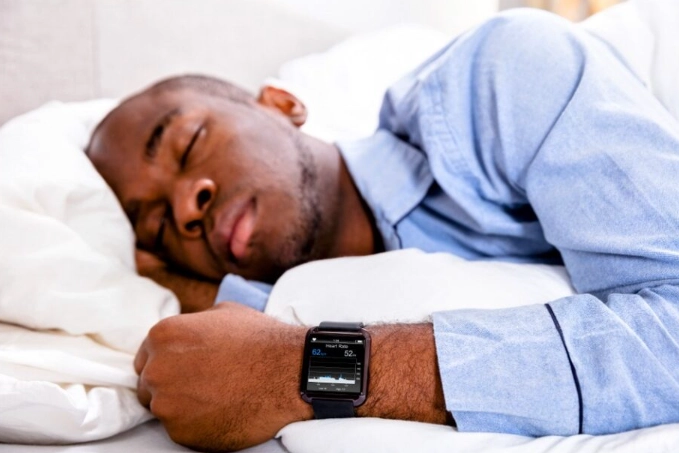
So, what is an example of sleep quality? It's not just one thing. It's a whole bunch of things working together. Think of it like this: sleep quantity is the length of the movie, but sleep quality is the plot, the acting, the cinematography—everything that makes it a good movie or a bad one.
Sleep Quality, Defined Simply
At its core, sleep quality refers to how restorative and effective your sleep is. It's measured by how well you sleep, not just how long. Good sleep quality means you cycle smoothly through the different stages of sleep, wake up feeling refreshed, and function well during the day. Poor sleep quality means you might be in bed for a long time, but the sleep is fragmented, light, or unrefreshing.
I used to track only hours in bed. Big mistake. I'd boast about my eight hours, ignoring the fact I'd checked the clock three times and woke up with a stiff neck. The real metric that changed things for me was looking at the quality. Let's get concrete.
Concrete Examples of Good Sleep Quality vs. Poor Sleep Quality
It's easier to understand with a side-by-side comparison. Here’s what a real-world example of sleep quality looks like in action.
| Sleep Quality Metric | Example of GOOD Sleep Quality | Example of POOR Sleep Quality |
|---|---|---|
| Time to Fall Asleep (Sleep Latency) | Falling asleep within 15-20 minutes of lights out. | Tossing and turning for 45 minutes to over an hour. |
| Sleep Continuity | Sleeping through the night with 0-1 brief awakenings you don't even remember. | Waking up 3-5 times per night, often for several minutes, and having trouble falling back asleep. |
| Deep Sleep & REM Sleep | Spending sufficient time in both deep (repairing the body) and REM (processing memories) sleep stages. For adults, deep sleep might be 13-23% of the night, REM about 20-25%. | Spending most of the night in light sleep (Stage 1 & 2), with very little deep or REM sleep. You might get 5% deep sleep. |
| How You Feel Upon Waking | Waking up naturally or to an alarm feeling relatively alert and refreshed. Not needing multiple snooze buttons. | Waking up with an alarm feeling groggy, disoriented, and deeply tired (sleep inertia). Hitting snooze repeatedly. |
| Daytime Function | Having steady energy, good focus, and stable mood throughout the day without major slumps. | Experiencing an energy crash in the afternoon, brain fog, irritability, and heavy reliance on caffeine. |
See the difference? One person might be in bed for 7.5 hours but have poor quality across all those metrics. Another might be in bed for 6.5 hours but hit all the good quality marks. The 6.5-hour sleeper will almost always feel and function better.
How Do You Actually Measure Your Sleep Quality? (Beyond Guessing)
Okay, so we have examples. But how do you know where *you* stand? You can't just go on a feeling—feelings can be deceiving, especially when you're used to being tired. Here are the main ways, from simple to high-tech.
The Sleep Diary: Old School but Gold
Before gadgets, there was the pen and paper. Keeping a simple sleep diary for two weeks is shockingly revealing. Each morning, note: what time you got in bed, approx. time you fell asleep, number of awakenings, time you woke up, and a 1-5 rating on how refreshed you feel. The National Sleep Foundation has great free sleep diary templates you can download. It creates a pattern you can't ignore.
Then you have wearables. I've tried a few. My take? They're fantastic for trends but take the exact numbers with a grain of salt. A ring or watch might tell you you got 1 hour of REM, but it's an educated guess based on movement and heart rate. Don't stress over a 5-minute difference. Look at the week-long trend: "Is my deep sleep generally going up or down?"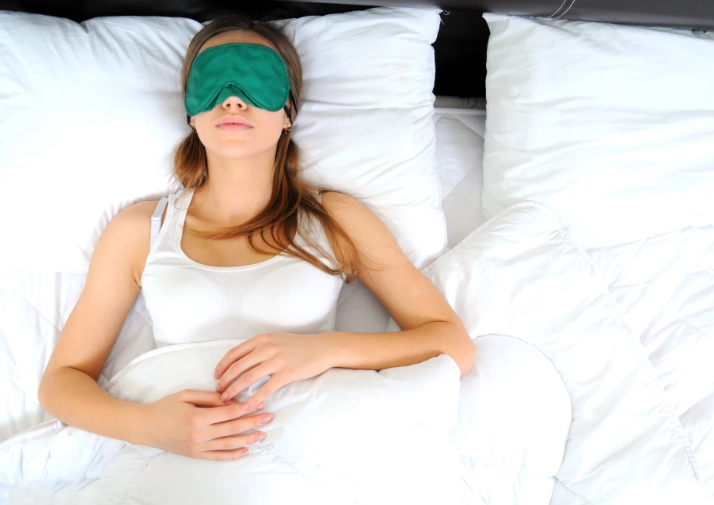
And then there's the professional stuff. A sleep study (polysomnography) is the gold standard. It measures brain waves, eye movement, muscle activity, heart rhythm, and breathing. It's how you diagnose things like sleep apnea, which is a massive, hidden destroyer of sleep quality. If you snore loudly and are always tired, talk to a doctor. It's a game-changer.
The Pittsburgh Sleep Quality Index (PSQI)
This is a clinically validated questionnaire used by doctors and researchers. It asks about your sleep habits over the last month and gives you a global score. You can find versions of it online. It covers seven areas: subjective sleep quality, sleep latency, sleep duration, habitual sleep efficiency, sleep disturbances, use of sleep medication, and daytime dysfunction. A score above 5 suggests poor sleep quality. It's a more holistic look than just one metric.
Here's a personal case: A friend was convinced she was a "bad sleeper." She used a tracker and saw her deep sleep was consistently low. The data pushed her to get a sleep study. Turns out, she had mild sleep apnea. A simple dental device later, and her example of sleep quality transformed—more deep sleep, fewer awakenings, and way more energy. The data was the nudge she needed.
The Big Five: Key Factors That Make or Break Your Sleep Quality
If you want to improve, you need to know what to target. These are the levers you can actually pull.
- Sleep Environment: This is huge and often overlooked. Is your room cool (around 65°F or 18°C), dark, and quiet? Even small amounts of light from a charger can disrupt your sleep cycle. Noise pollution is a killer. Consider blackout curtains and a white noise machine. Your mattress and pillow matter more than you think—if you wake up with aches, they might be the culprit.
- Sleep Routine & Consistency: Going to bed and waking up at roughly the same time every day, even on weekends, regulates your internal clock (circadian rhythm). This is arguably the most powerful free tool you have. A winding-down routine (no screens, maybe reading or light stretching) signals to your brain that it's time to shift gears.
- Daytime Habits: What you do all day affects your night. Regular exercise (but not too close to bedtime) promotes deeper sleep. Exposure to natural light in the morning helps set your rhythm. Caffeine has a long half-life—that 3 PM coffee can still be in your system at 11 PM. Alcohol might make you pass out, but it absolutely wrecks your sleep architecture, suppressing REM and causing later awakenings.
- Stress & Mental State: Anxiety and rumination are the arch-enemies of sleep onset. Your brain won't shut off if it's in fight-or-flight mode. This is where practices like mindfulness, journaling before bed (to get worries out of your head), or simple breathing exercises can be more effective than any supplement.
- Underlying Health Conditions: This is the non-negotiable one. Conditions like sleep apnea (pauses in breathing), restless legs syndrome, chronic pain, acid reflux, or an overactive thyroid can directly fragment your sleep. Treating the condition is the first step to improving sleep quality.
A Word on Sleep Trackers & Anxiety
This is my slightly negative but honest opinion: Sleep trackers can backfire. I've seen people develop "orthosomnia"—an unhealthy obsession with achieving perfect sleep data. They stress over every dip in their heart rate variability, which ironically ruins their sleep quality. Use the tracker as a friendly guide, not a strict judge. If it's causing more anxiety than insight, take a break from it.
Actionable Steps to Improve Your Sleep Quality (Start Tonight)
You don't have to do everything at once. Pick one or two of these and stick with them for a week.
- Embrace the Power of Darkness: An hour before bed, dim the lights in your house. Use apps like f.lux or built-in phone settings (Night Shift, Blue Light filter) to reduce blue light from screens. Better yet, put the phone away.
- Cool It Down: Lower your thermostat at night. A cool room helps your core body temperature drop, which is a key signal for sleep onset.
- Establish a "Buffer Zone": Create a 30-60 minute pre-bed ritual that is screen-free. This could be listening to calming music or a podcast (not a thrilling true crime one!), reading a physical book, gentle stretching, or taking a warm shower (the subsequent cool-down helps).
- Get Morning Light: Within 30 minutes of waking, get 10-15 minutes of sunlight in your eyes (no sunglasses). This resets your circadian rhythm more powerfully than anything else.
- Review Your Diet Timing: Finish eating 2-3 hours before bed. Avoid heavy, spicy, or high-sugar foods late at night. Limit fluids an hour before bed to minimize nighttime bathroom trips.
What is an example of sleep quality improvement in practice? Let's say you currently take 45 minutes to fall asleep. You start implementing a consistent bedtime and a dark, cool room. Within a week, you might find that time drops to 20 minutes. That's a direct, measurable improvement in one specific example of sleep quality.
Common Questions About Sleep Quality (Answered)
Can you "catch up" on lost sleep quality over the weekend?
This is a classic. You can partially pay back a sleep debt, but it's not a perfect 1:1 swap. Sleeping in on the weekend can help you feel less tired, but it doesn't fully reverse the metabolic and cognitive hits from a week of poor sleep. More importantly, the wildly different schedule (sleeping in 3+ hours later) can throw off your circadian rhythm, making it harder to sleep Sunday night—a phenomenon called "social jet lag." Consistency is better than binge-sleeping.
Are naps good or bad for sleep quality?
It depends. A short, early afternoon nap (20-30 minutes before 3 PM) can boost alertness and mood without affecting nighttime sleep. This can be a great tool. However, long naps (over an hour) or naps taken late in the day can make it harder to fall asleep at night, reducing your sleep drive and potentially harming your overall example of sleep quality for the 24-hour period.
How does aging affect sleep quality?
This is a big one. As we age, sleep architecture changes. We tend to get less deep sleep (slow-wave sleep), experience more frequent nighttime awakenings, and have earlier bedtimes and wake times. This doesn't mean poor sleep is inevitable, but it means the example of sleep quality for a healthy 70-year-old will look different from that of a 25-year-old. The focus shifts to maximizing continuity and minimizing disturbances. The CDC has resources on how sleep changes with age.
What's the link between sleep quality and mental health?
It's a vicious, two-way street. Poor sleep quality is a major risk factor for developing conditions like depression and anxiety. Conversely, depression and anxiety often lead to insomnia and fragmented sleep. Treating one often helps the other. Improving sleep quality can be a foundational part of managing mental well-being. The relationship is so strong that sleep disturbance is a core symptom of many mental health disorders.
When to See a Doctor About Your Sleep
Don't try to tough it out indefinitely. Consider seeking professional help if: you regularly take over 30 minutes to fall asleep, you wake up frequently and can't get back to sleep, you snore loudly/gasp for air at night (a partner's observation is key), you have uncontrollable leg movements, you feel excessively sleepy during the day despite adequate time in bed, or your sleep problems are causing significant distress or impacting your daily life. Start with your primary care physician.
Putting It All Together: Your Sleep Quality Checklist
Let's summarize. To gauge and improve your own sleep quality, ask yourself these questions regularly. A good example of sleep quality would see you answering "Yes" to most of these.
- Do I fall asleep within 20-30 minutes of trying?
- Do I typically sleep through the night, with no more than one waking?
- If I do wake up, can I fall back asleep within about 20 minutes?
- Do I wake up feeling rested and restored?
- Do I have enough energy to be productive and alert throughout the day?
- Is my partner (or a tracker, loosely) not reporting excessive tossing, turning, or snoring?
- Am I following a consistent sleep schedule most days of the week?
Sleep quality isn't a mystery. It's a collection of measurable, influenceable factors. You can start improving it tonight by making one small change to your environment or routine. Forget just chasing more hours. Chase better sleep. That's where the real magic happens.
And remember, it's a journey, not a destination. Some nights will be better than others. The goal is progress, not perfection. Listen to your body, use the tools available, and don't hesitate to get help if you feel stuck. Good, quality sleep is one of the most powerful foundations for health you can build.
Reader Comments