Let's cut straight to the point. After a few bad nights, you might feel irritable, foggy, and emotionally raw. But when insomnia becomes a chronic companion, the question shifts from "Am I just tired?" to a more frightening one: "Is this damaging my mind? Could this actually make me go crazy?" The short, evidence-backed answer is yes, chronic, severe insomnia can push your brain into territory that feels, and in some cases clinically is, a form of madness. It's not about a few yawns; it's about a sustained assault on the very systems that regulate your thoughts, emotions, and perception of reality.
I've talked to people who, after months of poor sleep, started hearing faint whispers when the house was quiet or became convinced their coworkers were plotting against them. These aren't just anecdotes. Research from institutions like the American Academy of Sleep Medicine consistently shows that prolonged sleep deprivation is a potent trigger for psychiatric symptoms. The word "crazy" is unscientific and stigmatizing, but what it often points to—psychosis, severe paranoia, profound disconnection from reality—are real risks when the brain is starved of sleep.
What You'll Discover in This Guide
What Does "Going Crazy" Actually Mean? Translating Fear into Clinical Terms
When people ask if insomnia can make them crazy, they're usually not worried about clinical diagnoses like schizophrenia or bipolar disorder out of the blue (though sleep disruption is a major trigger for those with predispositions). They're terrified of losing their grip on reality. In medical speak, this often translates to:
- Psychotic Symptoms: This includes hallucinations (seeing or hearing things that aren't there) and delusions (fixed, false beliefs, like being persecuted). Sleep deprivation psychosis is a well-documented, though usually temporary, condition.
- Severe Cognitive Dysfunction: Your working memory fails. You can't follow a conversation. You put your keys in the fridge. This isn't just "brain fog"; it's a disabling impairment that mimics dementia-like states.
- Extreme Emotional Dysregulation: Uncontrollable rage, hysterical crying, or paralyzing anxiety that feels alien and unmanageable. The emotional brain (amygdala) goes into overdrive without the calming influence of the prefrontal cortex, which is dampened by lack of sleep.
A common mistake is to dismiss these as just being "really tired." The crucial difference is the loss of insight. A tired person knows they're tired. Someone slipping into sleep-deprived psychosis may not recognize that their paranoia is stemming from exhaustion. That loss of self-awareness is the real danger zone.
Your Brain on No Sleep: A Three-Stage Descent
Insomnia doesn't flip a "crazy switch." It's a corrosive process. Think of it in stages, based on my observations and the literature from places like the National Institute of Mental Health.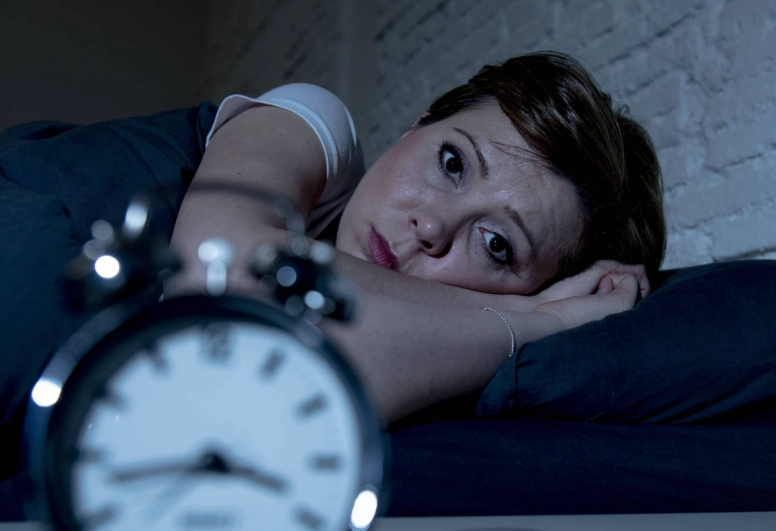
| Stage | Typical Duration | Mental & Cognitive Impact | What It Feels Like |
|---|---|---|---|
| Stage 1: The Grind | Days to a few weeks | Irritability, anxiety, low mood, noticeable brain fog, poor focus. | "I'm on edge. I can't think straight. Everything is harder." |
| Stage 2: The Disconnect | Weeks to months | Depersonalization/Derealization (feeling detached from self/world), heightened paranoia, intense emotional swings, memory lapses. | "I feel like I'm in a dream. I don't trust my own thoughts. People seem hostile." |
| Stage 3: The Break | Chronic, severe insomnia | Auditory/visual hallucinations, fixed delusional thinking, severe cognitive impairment, risk of full-blown psychotic episode. | "I hear my name being called. They are definitely talking about me. I can't put a coherent sentence together." |
The mechanism isn't magic. Sleep, especially deep (NREM) sleep, is when your brain's glymphatic system flushes out metabolic toxins like beta-amyloid. No sleep, and this neurotoxic waste builds up. Furthermore, the amygdala becomes hyper-reactive, and the connection between the emotional center and the rational prefrontal cortex weakens. You're left with a brain swimming in toxins, primed for fear, and stripped of its executive control. That's the perfect biochemical storm for a mental health crisis.
A critical nuance most articles miss: The brain tries to compensate. In Stage 2, you might experience bizarre, vivid hypnagogic hallucinations just as you're about to fall asleep—your brain forcing REM-like activity into wakefulness. This isn't a sign of schizophrenia; it's a sign of a brain desperately trying to grab bits of crucial sleep stages wherever it can. Mistaking this for severe mental illness can cause unnecessary panic.
The Red Flags: When It's Time to Seek Professional Help, Not Just a Better Pillow
So, when should "I need to sleep better" become "I need to see my doctor or a sleep specialist"? It's not just about counting hours. Watch for these specific warning signs that your insomnia is impacting your mental health in a dangerous way:
- Reality Testing Fails: You genuinely believe things that others clearly tell you are not true (e.g., your partner is poisoning your food, your neighbors have hidden cameras). You hear clear voices or see detailed figures when fully awake and alert.
- Emotional Amnesia: You have zero recollection of an angry outburst or crying fit you had just hours before.
- Complete Cognitive Block: You cannot perform simple, familiar tasks like using a microwave or writing an email. You get lost in your own neighborhood.
- Paranoia That Disrupts Function: It's one thing to feel briefly suspicious. It's another to cancel all your appointments because you're convinced everyone is against you.
- The 3-Week Mark: If profound sleep disturbance with significant mood/cognitive changes persists for over three weeks, it's a strong clinical indicator that this is becoming entrenched and needs intervention.
If you recognize these in yourself or someone else, the priority is a medical evaluation. A psychiatrist or neurologist can determine if this is primary insomnia with secondary psychiatric symptoms, a primary psychiatric condition exacerbated by sleep loss, or something else entirely (like a thyroid issue). The treatment paths are different.
Reclaiming Your Sleep and Your Sanity: An Action Plan Beyond the Basics
Everyone tells you "practice good sleep hygiene." That's like telling a drowning person to swim better. For the brain teetering on the edge, you need a more robust, multi-pronged strategy. Here’s what often works when standard advice has failed:
1. Break the Fear-Sleep Cycle
Your bed becomes a battlefield of anxiety. The most effective psychological intervention I've seen is Stimulus Control Therapy, a core component of Cognitive Behavioral Therapy for Insomnia (CBT-I). The rule is brutal but simple: if you're not asleep within 20-25 minutes, get out of bed. Go to another room. Do something mindless and boring in dim light (no screens!). Return to bed only when you feel sleepy. Repeat. This breaks the association between bed and anxiety. It's hard, but it rewires your brain's expectations.
2. Target the Hyperaroused Nervous System
Your body is stuck in "fight or flight." Techniques like progressive muscle relaxation or diaphragmatic breathing aren't just relaxing; they physiologically lower your heart rate and cortisol levels, signaling safety to the brain. Don't just do them in bed. Practice them on the couch at 8 PM. Teach your body what "off" feels like.
3. Manage Light and Temperature Like a Pro
Light exposure is your most powerful circadian lever. Get bright light (preferably sunlight) in your eyes within 30 minutes of waking. This sets your internal clock. Conversely, after sunset, wear blue-light blocking glasses. They look dorky, but they work. As for temperature, a cool room (around 65°F or 18°C) is non-negotiable. Your core body temperature needs to drop to initiate sleep. A hot bath 1-2 hours before bed works because it dilates blood vessels, leading to a rapid cooldown afterward.
The Non-Consensus Tool: Consider a weighted blanket (around 10% of your body weight). The deep pressure touch stimulation (DPTS) it provides can increase serotonin and melatonin production while decreasing cortisol. For many with anxiety-driven insomnia, it provides a tangible sense of safety that quietens the "watch-out" centers of the brain. It's not a magic bullet, but it's a tangible, physical intervention that often helps where pills and willpower fail.
Your Deep-Dive Questions on Insanity and Sleeplessness

Let's be clear: insomnia is more than an inconvenience. It's a direct threat to your mental equilibrium. The feeling that it could "make you crazy" is rooted in a biological truth. But understanding that truth—the stages, the red flags, and the specific, actionable ways to fight back—is your first and most powerful step toward reclaiming not just your sleep, but your peace of mind. Start with one small change tonight. Your brain will thank you for it.
Reader Comments