Your Sleep Nutrition Roadmap
Let's be honest. We've all been there. It's 2 AM, you're staring at the ceiling, and your brain is running a marathon of tomorrow's to-do list, that awkward thing you said five years ago, and a weird remix of a song you don't even like. You feel exhausted but wide awake. The last thing on your mind is probably a snack. But what if I told you that the right bite before bed could be the difference between a restless night and actually waking up feeling refreshed?
I used to think sleep was something that just happened—or didn't. I'd blame stress, my phone, the neighbor's cat. It never occurred to me that my kitchen held some of the keys. After one too many groggy mornings, I started digging into the science. Turns out, asking "what food makes your sleep better?" isn't a silly question at all. It's a smart one. And the answers aren't about magic pills or weird potions. They're about simple, everyday foods that work with your body's natural chemistry.
So, let's cut through the noise and the gimmicks. This isn't about drinking a gallon of warm milk if you hate the stuff. It's about understanding why certain foods can nudge your nervous system from "on high alert" to "time for rest." We'll look at the top performers, the ones that have real science behind them, and how to actually use them. Because knowing that almonds are good is one thing. Knowing how many, when to eat them, and what to pair them with? That's the game-changer.
Why Does Food Even Affect Sleep?
Before we list the superstar foods, it helps to know what we're trying to do. Sleep isn't just your brain switching off. It's a complex, orchestrated process driven by hormones and brain chemicals. Two of the big players are melatonin (the "sleep hormone" that regulates your cycle) and serotonin (a neurotransmitter that promotes calm and happiness, and is a precursor to melatonin).
Your body needs specific building blocks, called nutrients, to make these chemicals. If you're running low on the raw materials, your sleep factory can't operate at full capacity. That's where food comes in. The right foods provide those building blocks—things like the amino acid tryptophan, minerals like magnesium and potassium, and certain antioxidants.
But it's not just about adding the good stuff. It's also about avoiding the bad. A heavy, greasy meal right before bed forces your digestive system to work overtime when it should be winding down. Spicy foods can cause heartburn when you lie down. And obviously, caffeine is a direct antagonist to sleepiness. So the quest for what food makes your sleep better is a two-part mission: include the helpers, and time your meals to avoid the saboteurs.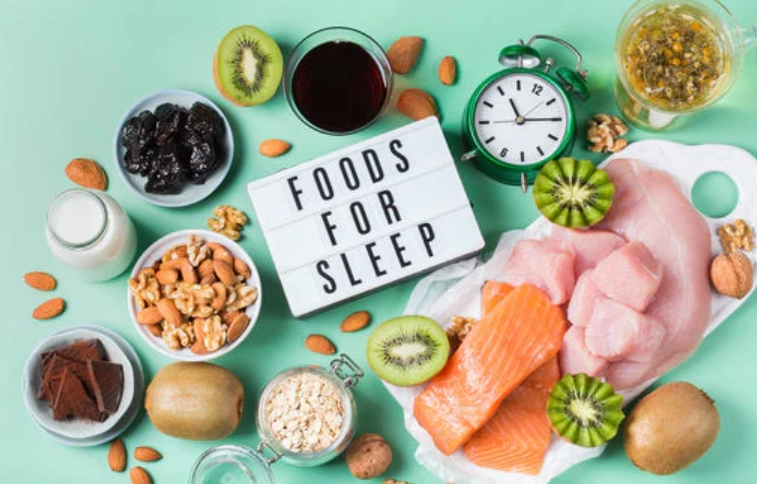
The All-Star Lineup: Top Foods That Help You Sleep
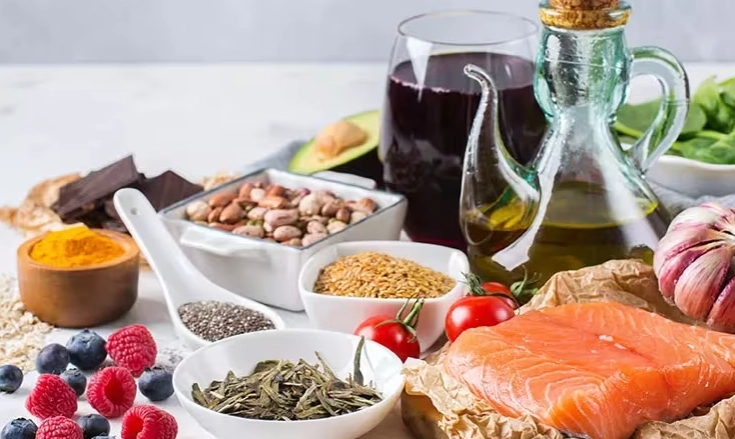
Okay, let's get to the good stuff. Here are the foods that consistently show up in research and traditional wisdom as sleep promoters. Think of this as your pantry shopping list for better rest.
The Heavy Hitters (Tryptophan-Rich Foods)
These are your direct sources of tryptophan, which your brain converts to serotonin and then melatonin.
- Turkey: The classic example, and for good reason. It's famously high in tryptophan. But it's not the only one.
- Chicken: Another poultry powerhouse. A small portion of grilled chicken can do the trick.
- Dairy Products: Milk, yogurt, and cheese. The old "warm milk" advice has legs. The calcium in dairy also helps the brain use tryptophan.
- Eggs: Especially the whites. A hard-boiled egg is a great portable bedtime snack.
- Nuts and Seeds: Almonds, walnuts, pumpkin seeds, sunflower seeds. These are little sleep nuggets, also packed with magnesium.
- Soy Products: Tofu, edamame, and soy milk are excellent plant-based sources.
Here's a crucial tip that most people miss: Tryptophan works best when eaten with some complex carbohydrates. The carbs cause a mild insulin spike, which helps clear other competing amino acids from the bloodstream, allowing more tryptophan to reach the brain. So, pair that turkey with a little whole-wheat cracker, or have your milk with a small oatmeal cookie.
The Mineral Masters (Magnesium & Potassium Powerhouses)
Magnesium is a natural muscle relaxant and calms the nervous system. Potassium supports muscle function and can prevent restless legs. A deficiency in either can really mess with your sleep.
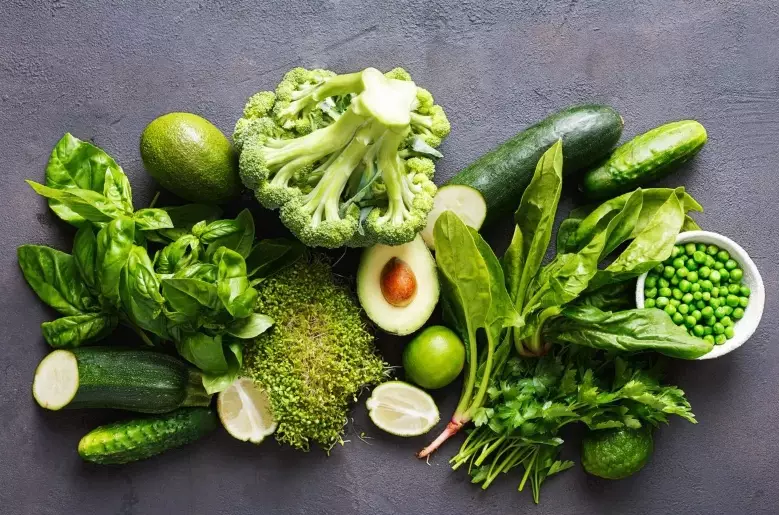
- Leafy Greens: Spinach, kale, Swiss chard. Sauté some spinach as a side with your dinner.
- Bananas: A double threat! They contain both magnesium and potassium, plus some tryptophan. A perfect pre-bed snack.
- Avocados: Loaded with magnesium and healthy fats that promote satiety.
- Almonds & Cashews: Again, these nuts are multi-talented.
- Black Beans & Lentils: Great in an early evening meal, providing magnesium and steady energy.
- Fatty Fish: Salmon, tuna, mackerel. The vitamin D and omega-3s in fish have also been linked to better sleep regulation, according to studies referenced by the National Sleep Foundation.
The Direct Sleep Hormone Helpers
Some foods actually contain melatonin themselves, giving your body a direct supply.
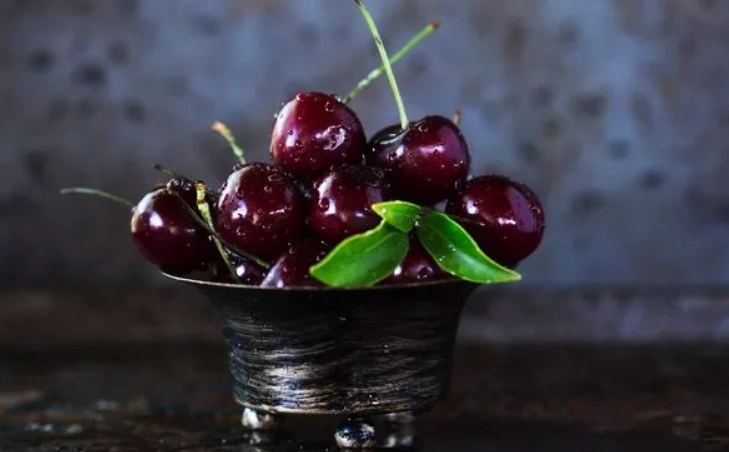
- Tart Cherries (and Tart Cherry Juice): This is one of the most researched sleep foods. Tart cherries, like Montmorency cherries, are one of the few natural food sources of melatonin. Studies, including some highlighted by the National Institutes of Health (NIH), have shown that drinking tart cherry juice can increase melatonin levels and improve sleep duration and quality.
- Goji Berries: Another berry known for its melatonin content.
- Tomatoes: They contain a small amount of melatonin.
- Grapes: Some varieties, particularly the skin, can be a source.
Putting It All Together: Your Pre-Sleep Nutrition Strategy
Knowing which foods help is step one. Knowing how and when to eat them is where you actually start sleeping better. Here’s a breakdown of timing and combinations.
| Time Before Bed | Goal | Food Strategy & Examples | What to Avoid |
|---|---|---|---|
| 3-4 Hours (Dinner) | Provide sustained nutrients, prevent hunger later. | Balanced meal with lean protein (chicken, fish), complex carbs (sweet potato, quinoa), and veggies (spinach, broccoli). Example: Grilled salmon with roasted asparagus and a small sweet potato. | Heavy fried foods, excessive fat, large portions that cause fullness. |
| 60-90 Minutes | Deliver sleep-promoting nutrients, gentle satiety. | Small, targeted snack combining tryptophan + complex carbs. Examples: Small bowl of whole-grain cereal with milk; a banana with a tablespoon of almond butter; a few whole-wheat crackers with cheese; a cup of tart cherry juice. | Large meals, simple sugars (candy, soda), spicy foods. |
| 30 Minutes or Less | Final calming signal, if needed. | Very light, liquid-based options only. Examples: A small cup of herbal tea (chamomile, valerian root); a few sips of warm milk; a small handful of cherries. | Anything solid, caffeine, alcohol (it disrupts sleep cycles later in the night). |
See, it's not just about a single magic food. It's a cascade. Your dinner sets the stage, your snack delivers the specific actors, and a final warm drink can be the cue for your body to start the show.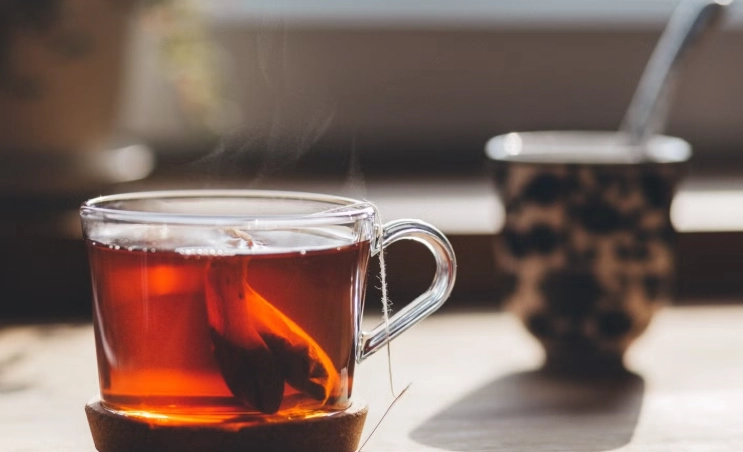
Creating Your Perfect Bedtime Snack
Let's get practical. You're in the kitchen, it's an hour before bed, and you want a snack that actually helps. Here are some champion combinations, ranked from my personal favorite to other great options.
Top Pick: The Banana-Almond Butter Combo
Half a banana with a tablespoon of natural almond butter. It's got tryptophan, magnesium, potassium, and healthy carbs and fats. It's satisfying without being heavy. I eat this more nights than not.
Classic & Effective: Warm Milk and Honey
A cup of warm milk (dairy or fortified soy) with a teaspoon of honey. The milk provides tryptophan and calcium, the honey is a simple carb that helps tryptophan cross into the brain. It's soothing on a physical and psychological level.
The Quick Fix: Tart Cherry Juice & a Handful of Walnuts
A small glass of tart cherry juice gives you melatonin directly. A small handful of walnuts (about 6-7 halves) adds tryptophan, magnesium, and melatonin themselves. Fast, easy, and potent.
The Savory Option: Whole-Grain Crackers with Cheese
A couple of whole-wheat or oat crackers with a slice or two of mild cheese (like mozzarella or cheddar). The combo of dairy protein and complex carbs is a solid sleep-inducing pair.
The Cereal Bowl: Small Serving of Whole-Grain Cereal
Keep it simple. A 3/4 cup serving of a low-sugar, whole-grain cereal (like shredded wheat or Cheerios) with milk. Avoid sugary cereals, as the sugar spike can backfire.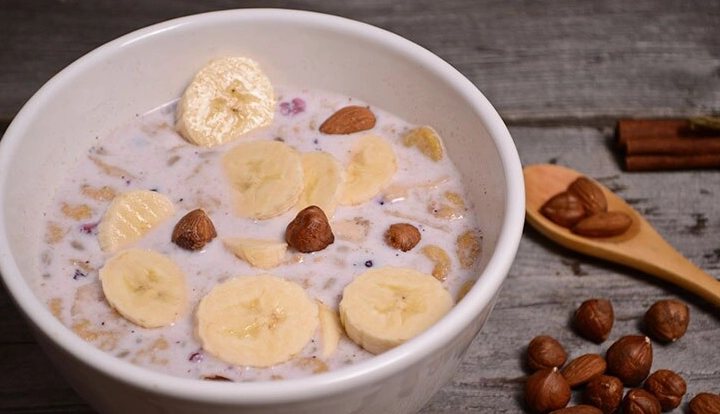
Foods and Drinks to Sideline Before Bed
Equally important is knowing what to avoid in the hours leading up to sleep. If you're serious about figuring out what food makes your sleep better, you have to know the enemies of good rest.
- Caffeine: This is obvious but worth repeating. Coffee, black tea, green tea, soda, energy drinks, and even dark chocolate. Caffeine's half-life is about 5-6 hours, meaning if you have a coffee at 4 PM, half of it is still in your system at 9-10 PM. For some people, it's even longer. I'm sensitive, so my cutoff is noon.
- High-Fat, Greasy Foods: Pizza, burgers, fries, heavy creamy sauces. They take forever to digest, leading to discomfort and even acid reflux when you lie down.
- Spicy Foods: Can trigger heartburn and indigestion, disrupting sleep onset and quality.
- High-Sugar Foods & Drinks: Candy, ice cream, sugary cereal, soda. The initial sugar rush can be stimulating, and the subsequent crash can wake you up later as your blood sugar dips.
- Excessive Liquids: Drinking a huge amount of water or tea right before bed guarantees a trip to the bathroom in the middle of the night. Hydrate well earlier in the evening.
- Alcohol: As mentioned, it's a sedative initially but ruins sleep architecture later. You might fall asleep quickly but wake up unrefreshed.
Answering Your Questions: The Sleep & Food FAQ
Yes, but not necessarily for the reason most people think. It's not the temperature alone (though warmth is calming). It's the combination of tryptophan and calcium in the milk. The calcium helps your brain use the tryptophan to make melatonin. The ritual of drinking something warm is also a powerful psychological signal that it's time to wind down.
If I had to pick one for sheer research backing and effectiveness, it's tart cherries or tart cherry juice. It's a direct source of melatonin and has solid clinical evidence. For a whole food, a banana is a fantastic all-rounder because it's easy, available, and provides tryptophan, magnesium, and potassium.
The sweet spot is 60 to 90 minutes. This gives your body time to start digesting and utilizing the nutrients without your digestive system being overly active right as you're trying to fall asleep. A tiny sip of something like tea can be closer to bedtime.
Potentially, yes. Spicy foods and heavy, fatty meals can cause physical discomfort (indigestion, changes in body temperature) that may lead to more fragmented, less restful sleep, which can sometimes be associated with remembering dreams more vividly or feeling unsettled. There's no specific "nightmare food," but discomfort disrupts sleep quality.
This is critical. You need to be extra careful. Avoid anything acidic (tomatoes, citrus, vinegar), fatty, or spicy. Good options include a small piece of banana, a few slices of plain turkey, a small serving of oatmeal (made with water), or a piece of plain bread. Always eat your last snack at least 2-3 hours before lying down. The National Institute of Diabetes and Digestive and Kidney Diseases (NIDDK) has detailed guidelines on managing GERD through diet and lifestyle.
Beyond the Snack: The Bigger Picture
While finding what food makes your sleep better is a powerful tool, it's one piece of the puzzle. Think of it as the fuel for your sleep engine. But you also need to tune the engine (your sleep habits) and park it in a good garage (your sleep environment).
No amount of cherries will fix sleep ruined by bright screens right before bed, a noisy room, or an irregular schedule. Pair your nutritional strategy with good sleep hygiene: dim lights in the evening, a cool and dark bedroom, a consistent wake-up time, and a wind-down routine that doesn't involve scrolling. Resources from the Harvard Medical School's health publications often emphasize this holistic approach, stating that sleep is influenced by a combination of factors, diet being one important pillar.
Start with one change. Maybe this week, you swap your late-night cookie for a banana with almond butter. See how you feel. Notice if you fall asleep a bit easier, or if you wake up less during the night. Your body will give you feedback.
Sleep isn't a luxury. It's a non-negotiable part of your health, as vital as eating well and exercising. And just like you can choose foods that fuel a good workout, you can choose foods that fuel a good night's rest. Your kitchen is full of natural, gentle allies. It's time to invite them to help you get the sleep you deserve.
Reader Comments