What You'll Find Inside
You know the feeling. You're trying to focus on your screen, have a conversation, or just relax, and there it is—a tiny, persistent flutter in your eyelid. It feels huge to you, but nobody else seems to notice. It's not painful, but my goodness, is it distracting. If you've ever googled "eye twitching sleep deprivation," you're in the right place. You're also not alone.
I've been there. During a particularly brutal project deadline a few years back, my left eyelid decided to host a week-long dance party. Coffee was my fuel, sleep was a myth, and that twitch became my constant, unwelcome companion. It was the final, physical sign that my body was running on fumes.
So, why does sleep deprivation seem to be the prime suspect? Let's dig into that connection, because it's more than just an old wives' tale.
Why Your Tired Brain Makes Your Eye Twitch
Think of your nervous system like a complex electrical grid. When you're well-rested, the signals flow smoothly. Sleep deprivation, however, throws sand in the gears. It stresses the entire system.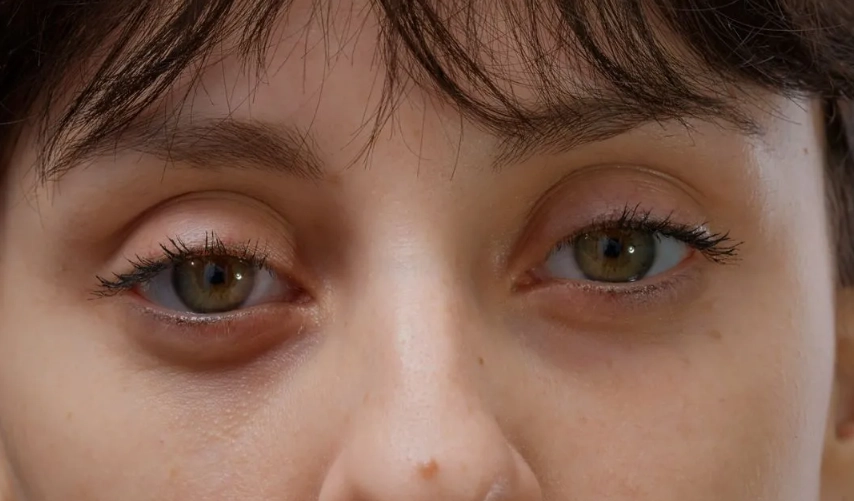
Lack of sleep increases the production of stress hormones like cortisol. This heightened state of alertness can over-excite the nerves that control your facial muscles, particularly the delicate ones around your eyes. Those nerves start firing off random, involuntary signals—hello, twitch.
But it's not just about nerves being "jumpy." Sleep is when your body repairs itself, including replenishing essential electrolytes like magnesium and potassium that are crucial for proper muscle and nerve function. Skimp on sleep, and you might be skimping on your body's ability to maintain the mineral balance that keeps muscles calm. It's a double whammy: stressed nerves and potentially depleted resources to manage them.
It's Rarely *Just* the Sleep, Though
Here's where it gets real. Eye twitching from sleep deprivation rarely travels alone. It usually brings friends, and these friends make the problem worse. When you're tired, you're more likely to:
- Drink more caffeine: You reach for that extra coffee or energy drink to combat fatigue, not realizing caffeine is a stimulant that can directly trigger or worsen muscle twitches.
- Experience more stress and anxiety: Being tired lowers your resilience. Everyday hassles feel bigger, and that emotional strain adds more load to your nervous system.
- Strain your eyes: Tired people blink less. Staring at screens for long periods without breaks leads to digital eye strain, drying out and fatiguing the eye muscles, making them more prone to spasms.
So, you've got a perfect storm: a sleep-deprived nervous system, jacked up on caffeine, stressed about work, and staring at a screen. Is it any wonder the eyelid throws in the towel?
Your Action Plan: How to Stop the Twitch (Starting Tonight)
Okay, enough about the problem. What can you actually do about it? The goal is to calm your nervous system and address the root causes. This isn't about one magic fix, but a combination of tactics.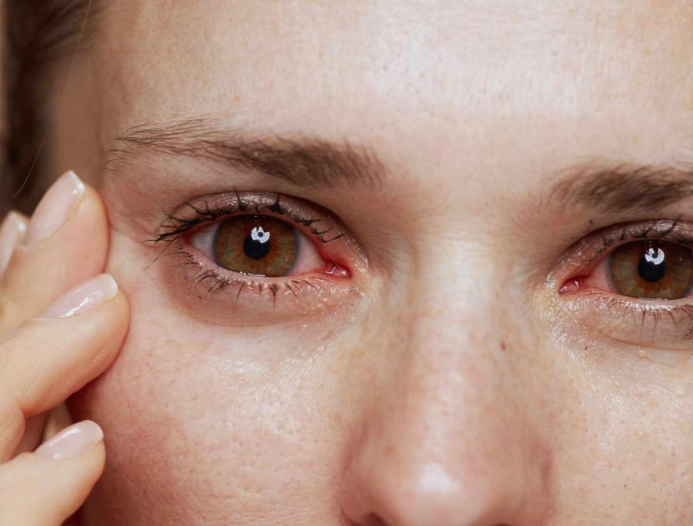
Priority One: Fix Your Sleep (Seriously)
You can't out-supplement or out-exercise chronic sleep deprivation. Addressing sleep deprivation eye twitching starts here. This isn't about perfection, but about consistency.
- Protect your wind-down time: The hour before bed is sacred. No screens. Try reading a (physical) book, listening to calm music, or gentle stretching. I use an old-school alarm clock and charge my phone in another room. It was hard for two days, then it was revolutionary.
- Get serious about your schedule: Go to bed and wake up at roughly the same time, even on weekends. This regulates your body's internal clock (circadian rhythm), making sleep deeper and more restorative.
- Optimize your cave: Make your bedroom dark, cool, and quiet. Blackout curtains and a white noise machine are investments that pay off every single night.
What if you're in bed but your mind won't shut up? That's common. Don't just lie there getting frustrated. Get up, go to another dimly lit room, and do something boring (like reading a manual) for 15-20 minutes until you feel sleepy again. Lying in bed anxious trains your brain that bed is a place for worry, not sleep.
The Quick Fixes and Supportive Tactics
While you're working on the sleep foundation, these can provide relief and support your body.
Look at your diet: Are you getting enough magnesium and potassium? These are natural muscle relaxants. You don't necessarily need supplements (talk to a doctor first), but you can focus on foods like spinach, almonds, bananas, avocados, and black beans. Honestly, I was skeptical about the magnesium link until I paid attention to my diet. Adding a handful of almonds and more leafy greens daily seemed to take the edge off the twitching within a few days.
Manage the caffeine and alcohol: This is a tough one for many. Try limiting caffeine to the morning hours and see if there's a difference. Alcohol, while it might help you fall asleep initially, ruins sleep quality later in the night, so it can indirectly contribute to the problem.
Give your eyes a break: Follow the 20-20-20 rule. Every 20 minutes, look at something 20 feet away for at least 20 seconds. It sounds simple, but it works to reduce strain. Also, consider if you need glasses or an updated prescription for screen work.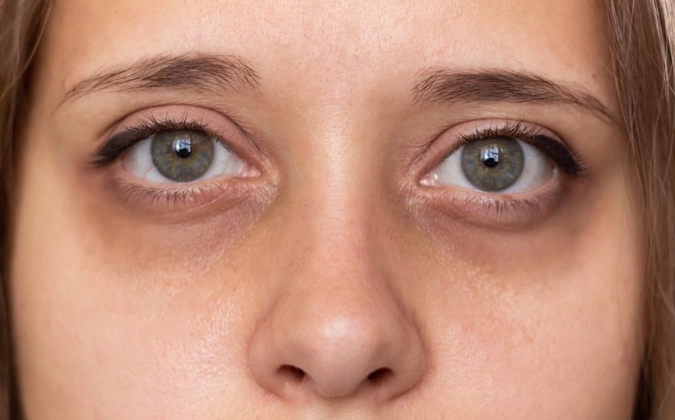
When Eye Twitching is More Than Just Tiredness: Red Flags
This is the part we all worry about. When is it "just" eye twitching from sleep deprivation, and when could it be something else? Most of the time, it's the former. But you should see a doctor or an eye care professional (optometrist or ophthalmologist) if you experience any of the following:
| Red Flag Symptom | What It Might Mean (Don't Self-Diagnose!) | Why It's Different from Benign Twitching |
|---|---|---|
| Twitching that spreads to other parts of your face (cheek, mouth, brow). | Could indicate a condition affecting a larger facial nerve. | Benign myokymia is almost always confined to the eyelid. |
| Twitching that causes your eye to fully close or your face to visibly contort. | May suggest a condition like blepharospasm or hemifacial spasm. | Benign twitches are subtle and don't cause full muscle contractions. |
| Eye redness, swelling, discharge, or a drooping eyelid accompanying the twitch. | Could signal an eye infection, inflammation, or other ocular issue. | Simple twitching occurs in an otherwise normal-looking eye. |
| Twitching that persists for weeks without any relief, despite improving sleep and lifestyle. | Warrants a check-up to rule out underlying neurological or nutritional issues. | Typical stress/sleep-related twitching comes and goes, lasting days, not constant months. |
The point here isn't to scare you. It's to empower you with knowledge. For 99% of people searching about eye twitching, the issue is lifestyle-related. But knowing the signs that warrant a doctor's visit provides peace of mind.
Answers to the Questions You're Actually Asking
Let's get straight to the stuff people type into Google at 2 AM when their eye won't stop jumping.
Can lack of sleep cause eye twitching in just one eye?
Absolutely. It's almost always one eye at a time. There's no specific reason why it picks left or right; it's just which set of fatigued nerves decides to act up first. It can even switch sides.
How long does eye twitching from sleep deprivation last?
This is the frustrating part. It can last for a few hours, a few days, or come and go for a couple of weeks. It directly correlates with your sleep debt and stress levels. Once you consistently get better sleep, it should subside within several days to a week. If you only fix your sleep for one night, don't expect it to vanish instantly—your body needs time to recover.
Are there any proven supplements to stop eye twitching?
The evidence is mostly anecdotal, but magnesium and potassium are the most commonly cited. Before you buy anything, try dietary sources first. If you suspect a deficiency, a blood test from your doctor is the best first step. I tried a magnesium glycinate supplement for a month. My subjective feeling? It might have helped a little with overall muscle relaxation, but it was no match for fixing my terrible sleep schedule. The sleep fix was 10x more effective.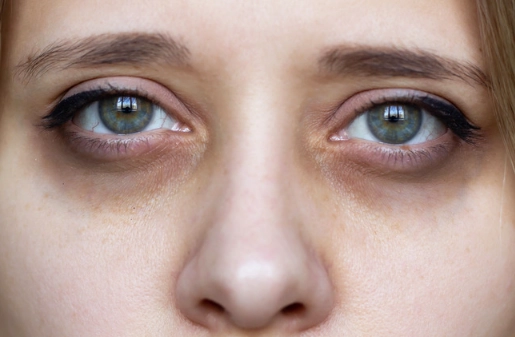
Is eye twitching a sign of a brain tumor or something serious?
This is the big fear, and it's incredibly rare for isolated eyelid twitching to be a sign of something like a brain tumor. Serious neurological conditions typically present with a cluster of much more severe symptoms—like weakness, vision changes, severe headaches, or the facial twitching spreading significantly. The Mayo Clinic lists benign eyelid twitch (myokymia) as usually related to lifestyle factors. If you're only symptom is the twitch, the odds are overwhelmingly in your favor that it's stress, fatigue, or caffeine.
Putting It All Together: A Realistic Approach
Dealing with eye twitching sleep deprivation issues is a holistic game. You can't just slap a warm compress on it and call it a day if you're still burning the candle at both ends.
Start with one thing. Maybe this week, you focus on a consistent bedtime. Next week, you tackle the 3 PM caffeine habit. The week after, you're diligent about the 20-20-20 rule. Small, sustainable changes create compound interest for your health.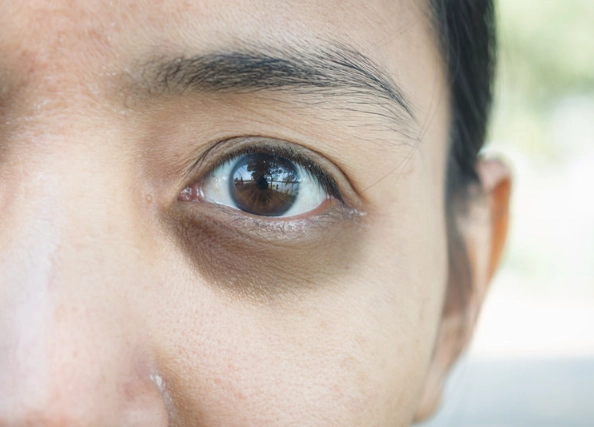
Listen to your body. That twitch isn't an enemy; it's a messenger. An annoying, persistent, incredibly distracting messenger, but a messenger nonetheless. It's telling you that your system is overloaded and needs a reset. The reset button is better sleep and managed stress.
I won't lie and say my eye never twitches now. During especially stressful periods, I might feel a familiar flutter. But now I know what it is. I see it as a nudge—a physical reminder to check in with myself. Am I getting enough rest? Have I had too much coffee? Have I been glued to my screen for five hours straight?
That knowledge turns anxiety into action. Instead of worrying, I make a cup of herbal tea, do some deep breathing, and make sure I get to bed on time. And almost always, the messenger gets the hint and goes quiet.
Reader Comments