Quick Guide
- The Core Difference: A Tale of Two States
- Sleep Deprived Eyes vs Normal Eyes: The Side-by-Side Breakdown
- Beyond the Mirror: The Functional Fallout
- How to Bridge the Gap: From Sleep Deprived Back to Normal
- Common Questions About Sleep Deprived Eyes vs Normal Eyes
- The Long Game: It's More Than a Beauty Fix
Ever dragged yourself to the bathroom mirror after a terrible night's sleep and just stared? That's not you, you think. That's some tired, puffy-eyed stranger staring back. I've been there more times than I'd like to admit. The difference between sleep deprived eyes vs normal eyes isn't just some beauty myth – it's a full-blown biological billboard announcing your lack of rest to the world.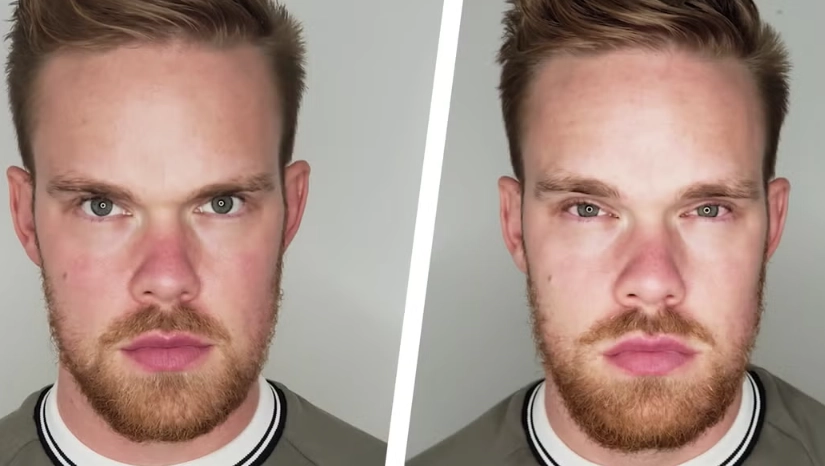
And it's not just about vanity. Sure, we all want to look fresh, but those changes are your body's way of waving a red flag. So let's ditch the vague "you look tired" comments and get into the nitty-gritty. What exactly happens? Why does it happen? And most importantly, what can you actually do about it?
Think of your normal, well-rested eyes as the baseline – clear, bright, and functioning smoothly. Sleep deprived eyes are that system running on emergency power, with every shortcut and compromise visibly on display.
The Core Difference: A Tale of Two States
It boils down to a simple but brutal equation: sleep is repair mode. When you short-change it, your body prioritizes keeping you alive over keeping you looking fresh. The delicate skin around your eyes, the thinnest on your entire body, becomes the casualty report.
For normal eyes, a good 7-9 hours of sleep allows for crucial processes. Fluid that's pooled around your eyes during the day gets reabsorbed. Cortisol (the stress hormone) drops, allowing for proper tissue repair. Blood flow is regulated. The result? A smooth, even-toned, and alert appearance.
Cut that sleep short, and everything goes haywire. Fluid retention goes unchecked. Blood vessels dilate and can leak. Cortisol stays high, breaking down skin proteins like collagen. It's a perfect storm for the signature look of sleep deprivation.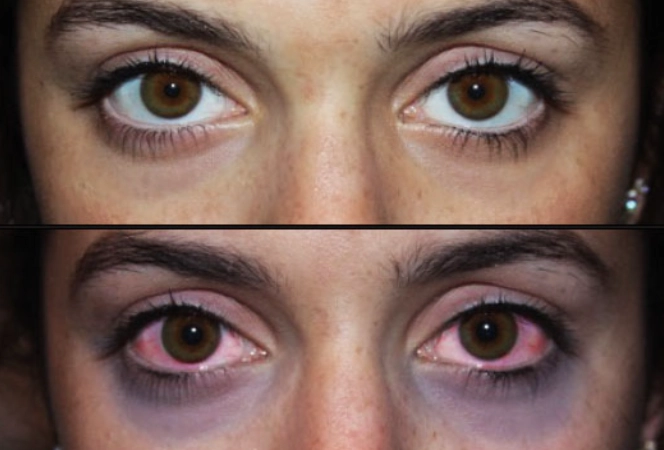
Sleep Deprived Eyes vs Normal Eyes: The Side-by-Side Breakdown
Let's make this crystal clear. Here’s how the two states stack up, feature by feature. I find a table like this cuts through the confusion – you can see exactly where your problems might lie.
| Feature | Normal, Well-Rested Eyes | Sleep Deprived Eyes | The "Why" Behind It |
|---|---|---|---|
| Skin Tone & Color | Even, consistent skin tone. Bright, peach or pink undertones. | Dark circles (bluish, purple, or brownish). Pale, dull, or ashy overall skin. | Thin skin reveals dilated/leaky blood vessels (blue/purple). Poor circulation causes pallor. Hyperpigmentation from rubbing or genetics can look worse. |
| Puffiness & Swelling | Flat or minimally contoured under-eye area. Tight skin. | Puffy bags, swelling under and sometimes above the eye. A "heavy" look. | Lymphatic drainage slows down, causing fluid (lymph) to pool in the loose under-eye tissue. Gravity does the rest overnight. |
| Skin Texture | Smooth, firm, with minimal fine lines. | More pronounced fine lines, wrinkles, and crepey texture. Skin may look papery. | Elevated cortisol from stress/lack of sleep breaks down collagen and elastin. Dehydration from poor sleep quality worsens it. |
| Eye Brightness & Whites | Clear, bright whites (sclera). Eyes look "sparkly" and open. | Red, bloodshot whites. Yellowish or dull tinge. Glassy or watery appearance. | Blood vessels on the sclera dilate due to eye strain (from screen time when tired) and dryness from reduced blinking during sleep. |
| Overall Expression | Alert, open, and engaged. Eyelids are lifted. | Droopy, heavy eyelids (ptosis). A squinting or strained look, even when relaxed. | Fatigued muscles around the eyes can't hold the lid open fully. The body's attempt to conserve energy. |
Seeing it laid out like that is kind of shocking, isn't it? It's a full-system failure for your eye area. Now, let's dig into the big-ticket items everyone complains about.
Dark Circles: The Unwanted Signature
This is the big one. But not all dark circles are created equal, and sleep affects them in different ways. It's a pet peeve of mine when articles just say "sleep fixes dark circles." For some people, it's genetics and bone structure – sleep helps a bit, but won't magically erase them.
For true sleep deprived eyes vs normal eyes comparisons, the vascular dark circle is king. That bluish or purplish tint? That's your blood talking. When you're tired, blood flow to the skin increases (trying to deliver more oxygen), and the vessels under your thin eye skin dilate. Sometimes, they even leak a little iron from red blood cells, which can stain the tissue. That thin skin acts like a sheer curtain, revealing the drama underneath.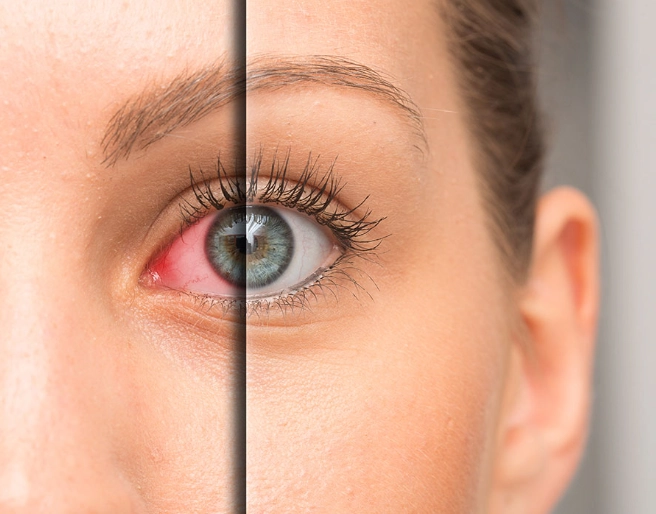
Then there's the shadow effect. Puffy bags from fluid retention can cast a shadow under your eyes, making them look darker. So sometimes, it's not the skin color itself, but the topography that changes.
The Puffiness Puzzle: Why You Look Like You're Storing Water
Under-eye bags are the other half of the classic duo. This one is almost purely mechanical. Your lymphatic system is like your body's drainage network, and it works best when you're horizontal and relaxed – i.e., sleeping. When you don't get enough quality sleep, this system gets sluggish.
The result? Lymph fluid, along with other waste products, doesn't get cleared away. It settles in the loosest, most compliant tissue it can find – you guessed it, the under-eye area. Salt intake from a late-night snack, allergies, or even sleeping flat on your back can amplify this effect tenfold. I've woken up with puffy eyes after a 6-hour sleep just because I had ramen at 10 PM. A brutal lesson.
A quick, pro-tip that actually works: sleep with an extra pillow to elevate your head slightly. It uses gravity to help that lymphatic drainage along. It's not a magic cure, but it takes the edge off.
Redness and Dryness: The Gritty Feeling
This gets overlooked in the sleep deprived eyes vs normal eyes debate, but it's huge for comfort. Normal eyes are lubricated. You blink regularly during the day, spreading tears. During proper sleep, your eyes are closed, protected, and rehydrated.
Short or fragmented sleep often means your eyes are open more (staring at the ceiling, scrolling your phone). Even when closed, the quality of tear production suffers. The Mayo Clinic notes that insufficient sleep can worsen dry eye symptoms. You wake up with eyes that feel gritty, sandy, and look like a road map of red veins. It's not just an aesthetic thing – it hurts.
Beyond the Mirror: The Functional Fallout
Look, we're focused on appearance, but let's be real for a second. The difference between sleep deprived eyes and normal eyes isn't just skin-deep. How they *function* changes too.
Your visual acuity can take a hit. You might find yourself squinting more, struggling with focus, or experiencing light sensitivity. That's because the muscles controlling your lens and pupil are fatigued. Your blink rate might change, leading to more dryness. It's a feedback loop of discomfort.
And then there's the non-verbal communication. We read eyes instantly. Bright, open eyes signal engagement, health, and energy. Sleep deprived eyes can unconsciously signal stress, illness, or disinterest. It shouldn't matter, but in social or professional situations, let's be honest, it sometimes does.
How to Bridge the Gap: From Sleep Deprived Back to Normal
Okay, enough doom and gloom. You're staring at sleep deprived eyes in the mirror and want your normal eyes back. What actually works? Forget the miracle cures. It's about consistent, smart habits.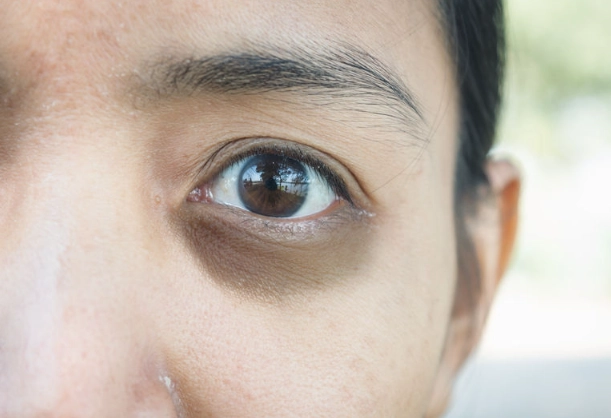
Top Tier Fixes (The Non-Negotiables)
- Prioritize Sleep Hygiene: This is boring but foundational. A cool, dark room. No screens an hour before bed. A consistent wake-up time, even on weekends. The National Sleep Foundation has tons of science-backed tips on this. You can't out-supplement bad sleep habits.
- Strategic Hydration: Drink plenty of water *throughout the day*, but ease off a couple of hours before bed to avoid nighttime fluid retention. It's a balance.
- Cold Therapy is King: Constricts blood vessels, reduces swelling. Keep a gel eye mask in the fridge. Use cold spoons, chilled cucumber slices (cliché but it works), or even a bag of frozen peas wrapped in a thin cloth for 5-10 minutes in the morning.
The Product Arsenal (Choose Wisely)
The skincare aisle is overwhelming. For sleep deprived eyes vs normal eyes recovery, look for ingredients that target the specific issues:
- For Puffiness: Caffeine (constricts vessels), peptides (help with drainage).
- For Dark Circles: Vitamin C (brightens, strengthens capillaries), retinol (thickens skin over time, can reduce the appearance of vessels), niacinamide (improves circulation).
- For Dryness/Redness: Hyaluronic acid (hydration), ceramides (repair skin barrier).
My personal take? A simple, fragrance-free eye cream with caffeine and peptides for morning, and a gentler hydrating one at night, does 90% of the job. Don't overcomplicate it.
Be super gentle when applying anything near your eyes. Tugging and pulling at that delicate skin will make fine lines worse, undoing any benefit. Pat, don't rub.
Lifestyle Adjustments That Move the Needle
- Manage Allergies: If you have allergies, they're working overtime while you sleep. An antihistamine (check with your doctor) or allergen-proof pillowcases can reduce morning puffiness dramatically.
- Watch the Salt & Alcohol: Both lead to dehydration and fluid retention. A big night out will show up under your eyes every single time.
- Sleep Position: As mentioned, try to sleep on your back with your head elevated. Side or stomach sleeping smooshes your face into the pillow, encouraging fluid buildup and creasing.
Common Questions About Sleep Deprived Eyes vs Normal Eyes
I get a lot of questions about this stuff. Here are the ones that pop up again and again.
The Long Game: It's More Than a Beauty Fix
Fixing the difference between sleep deprived eyes and normal eyes isn't a shallow goal. It's a proxy for fixing your sleep. And good sleep is the bedrock of literally everything else – mood, cognitive function, immune health, metabolism.
Your eyes are just the most honest, visible reporters. They tell on you. Listening to them – seeing that puffiness, those dark circles, that redness – is a cue to look at the bigger picture of your rest and health.
So next time you see that tired face in the mirror, don't just reach for the most expensive concealer. (Though, hey, do that too for now.) Think about what your body is trying to say. Maybe it's asking for an earlier bedtime, less screen time, or just a moment of quiet. Giving it that might be the most effective beauty and wellness treatment there is.
Reader Comments