Quick Guide
- The Prescription Heavy Hitters: A Closer Look
- What You Can Get Without a Prescription: The OTC Aisle
- So, How Do You Actually Choose? It's Not Just About the Pill.
- The Side Effect Symphony: What No One Likes to Talk About
- The Non-Pill Part of the Equation (The Part Everyone Wants to Skip)
- Common Questions People Are Afraid to Ask
- Wrapping It Up: A Realistic Takeaway
You're staring at the ceiling again. The clock ticks past 2 AM, then 3 AM. Your mind is racing, but your body is exhausted. You've tried counting sheep, warm milk, maybe even some meditation app. Nothing. The thought creeps in: maybe I need something stronger. Maybe I need the best medication for insomnia.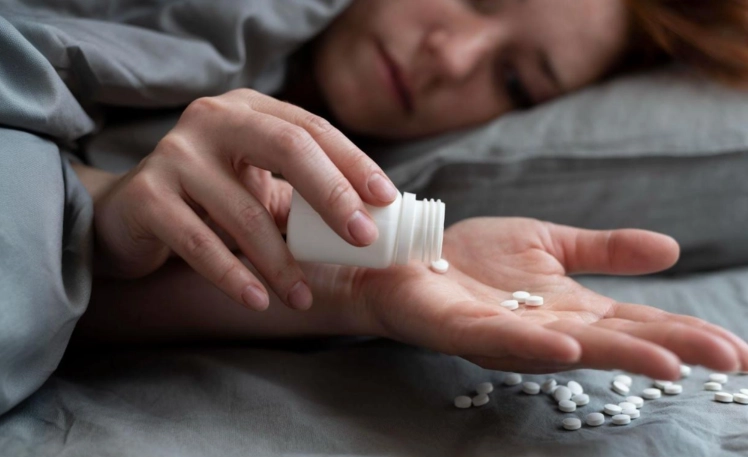
I get it. I've been there. That desperate, foggy feeling where you'd try almost anything for a solid night's sleep. But here's the thing – diving into the world of sleep meds can feel like navigating a minefield. One website says this pill is a miracle, another says it's dangerous. Your friend swears by melatonin, but it did nothing for you.
So let's cut through the noise. This isn't a dry medical textbook. It's a straight-talking guide based on what doctors actually prescribe, what the science says, and the real-world pros and cons that people don't always mention. We'll look at prescription powerhouses, the stuff you can get off the shelf, and the big question: how do you even figure out which one is the best medication for insomnia for you?
Because honestly, there's no single "winner." It's more about finding the right key for your particular lock.
The Prescription Heavy Hitters: A Closer Look
When people ask about the best medication for insomnia, they're often thinking of the prescription stuff. These are the drugs your doctor needs to approve. They're effective, but they come with rules, side effects, and sometimes, a bit of baggage.
The "Z-Drugs" (Zolpidem, Zaleplon, Eszopiclone)
These are usually the first line of defense docs reach for. Ambien (zolpidem) is the celebrity here. They work on the same brain receptors as older drugs but are supposed to be safer and less habit-forming (though that's debatable with long-term use).
What they're good for: Knocking you out fast. They're great for sleep onset insomnia – that "can't fall asleep" problem. You take them right at bedtime.
The not-so-great part: The side effects can be weird. Sleepwalking, sleep-eating (yes, people have woken up to empty chip bags they don't remember opening), and next-day drowsiness are real possibilities. I had a friend on Ambien who would send bizarre, incoherent text messages in his sleep. He had no memory of it. That's a common enough story that it's a genuine concern.
Another thing doctors stress: you must get a full 7-8 hours after taking it. If your alarm goes off after 5 hours, you'll be a zombie.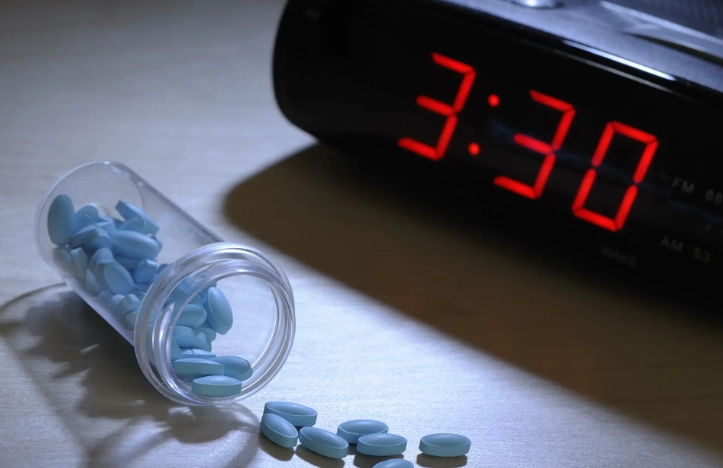
Benzodiazepines (Temazepam, Triazolam, Estazolam)
The old-school classics like Restoril (temazepam). These are sedatives that also treat anxiety, which is great if your insomnia is fueled by a racing, anxious mind.
Here's the major catch: tolerance and dependence. Your body gets used to them quickly, so you might need more for the same effect. Stopping them abruptly can cause nasty withdrawal, including rebound insomnia that's worse than when you started. Because of this, most doctors now reserve these for very short-term use (like a week or two) or for specific situations. They're powerful, but many consider them a last resort for chronic insomnia.
The Newer Players: Orexin Receptor Antagonists (Belsomra/Suvorexant, Dayvigo/Lemborexant, Quviviq/Daridorexant)
This is a newer class that works differently. Instead of depressing your whole brain, they block orexin, a neurotransmitter that promotes wakefulness. Think of it as turning down the "awake" signal rather than cranking up the "sleep" signal.
The appeal? They might have a lower risk of dependence and fewer of those weird sleep behaviors. They can also help you stay asleep, not just fall asleep.
The downside? They can be expensive, and insurance might give you a hard time. Some people also report next-day grogginess or strange dreams. They haven't been around as long as the Z-drugs, so the long-term data is still building.
Off-Label Options (Trazodone, Mirtazapine, Doxepin)
These are antidepressants, but at low doses, they're commonly used for sleep. Trazodone is probably the most prescribed sleep medication in many clinics. Why? It's cheap, has a low risk of dependence, and can be used longer-term.
Doxepin (Silenor) is specifically approved at a low dose (3mg, 6mg) for insomnia characterized by staying asleep. It's a very old antidepressant, but at these tiny doses, it's a potent antihistamine that helps maintain sleep.
The trade-off: Side effects like dry mouth, dizziness, and next-day grogginess can be significant for some. Mirtazapine, in particular, is notorious for weight gain and next-day sedation, though it can be a godsend for people who are underweight and can't sleep.
Let's put some of this in a table to see it side-by-side. It helps to visualize the landscape of what's often considered the best medication for insomnia in the prescription realm.
| Medication Class | Common Examples (Brand Names) | Best For... | Key Considerations / Common Side Effects |
|---|---|---|---|
| "Z-Drugs" | Zolpidem (Ambien), Eszopiclone (Lunesta), Zaleplon (Sonata) | Falling asleep quickly (Sleep Onset Insomnia) | Risk of complex sleep behaviors (sleepwalking, -eating). Next-day drowsiness. Must have 7-8 hours to sleep. |
| Benzodiazepines | Temazepam (Restoril), Triazolam (Halcion) | Short-term insomnia with significant anxiety. | High risk of tolerance, dependence, and withdrawal. Generally not for long-term use. |
| Orexin Antagonists | Suvorexant (Belsomra), Lemborexant (Dayvigo), Daridorexant (Quviviq) | Both falling and staying asleep. Lower abuse potential. | Can be expensive. May cause next-day grogginess. Long-term data still emerging. |
| Antidepressants (Off-Label) | Trazodone, Low-dose Doxepin (Silenor), Mirtazapine | Longer-term use, staying asleep (especially Doxepin). | Side effects like dry mouth, dizziness. Doxepin is very sedating. Mirtazapine linked to weight gain. |
See? Different tools for different jobs.
What You Can Get Without a Prescription: The OTC Aisle
Maybe you're not ready for a doctor's visit, or you have an occasional rough night. The pharmacy aisle is packed with options claiming to be the best medication for insomnia. Let's be honest about what's in those boxes.
Antihistamines (Diphenhydramine - Benadryl, Doxylamine - Unisom)
This is what's in most "PM" pain relievers and classic sleep aids like ZzzQuil. They block histamine, which makes you drowsy.
The good: They work for a lot of people to induce sleep. They're cheap and easily accessible.
The bad: Tolerance develops incredibly fast. They might work for a few nights, then stop. The side effects are a drag: next-day brain fog (that "hangover" feeling), dry mouth, constipation, and blurred vision. For older adults, they can increase confusion and fall risk. The American Geriatrics Society explicitly warns against them for people over 65. They are not a long-term solution.
Melatonin Supplements
Melatonin is a hormone your body makes naturally to regulate your sleep-wake cycle. The supplement is wildly popular.
Where it shines: It's most useful for circadian rhythm issues. Think jet lag, shift work disorder, or helping reset your clock if you're a night owl trying to become a morning person. It's not a strong sedative.
The confusion: Dosing is all over the place. Studies often use 0.5mg to 3mg, but you'll find pills with 10mg! More isn't better. It can cause weird, vivid dreams and morning grogginess. The bigger issue? Supplements aren't tightly regulated by the FDA. A 2022 study by researchers at Johns Hopkins found that the actual melatonin content in supplements often varies wildly from the label, and some contained undisclosed serotonin, a controlled substance. You can read more about supplement regulation challenges on the FDA's Dietary Supplements page.
Other Herbal & "Natural" Supplements (Valerian Root, Chamomile, Lavender, Magnesium)
The evidence here is mixed, and effects are usually mild.
- Valerian Root: Some studies show slight improvement in sleep quality, but it can take weeks of consistent use. It also has a distinct, unpleasant odor.
- Magnesium: Particularly magnesium glycinate. If you're deficient, supplementing might help with relaxation and sleep. It's not a direct sleep aid, but it supports the process.
- Chamomile & Lavender: Soothing and relaxing, but the sleep effect is subtle at best. A cup of chamomile tea is a great bedtime ritual, but don't expect it to cure chronic insomnia.
The bottom line on OTC stuff? They can be okay for occasional, situational sleeplessness. For chronic insomnia, they often fall short, and the antihistamines come with problematic side effects and tolerance.
So, How Do You Actually Choose? It's Not Just About the Pill.
This is where the conversation about the best medication for insomnia gets real. The choice isn't just about picking the strongest drug. It's a puzzle with several pieces.
Your doctor (and you) should be thinking about:
- Your Primary Sleep Problem: Is it falling asleep, staying asleep, or waking up too early?
- The Root Cause: Is it anxiety, pain, restless legs, a messed-up schedule, or poor sleep habits?
- Your Health History: Do you have liver or kidney issues? Are you pregnant? Do you have a history of depression, substance use, or sleep apnea? (Warning: Sedatives can be dangerous with untreated sleep apnea).
- Other Medications: The potential for interactions is huge.
- Your Age: Older adults metabolize drugs differently. They're more sensitive to side effects like confusion, dizziness, and falls. The Beers Criteria, a list of potentially inappropriate medications for older adults, flags many traditional sleep drugs. Safer options like low-dose doxepin or the orexin antagonists are often preferred.
- How Long You Need It: A one-off stressful event vs. a months-long struggle require different strategies.
See what I mean? It's personal.
How to Talk to Your Doctor (And What They Should Ask You)
Walking into the doctor's office prepared makes all the difference. Don't just say "I can't sleep."
- "It takes me over 2 hours to fall asleep."
- "I wake up 4-5 times a night and can't get back to sleep."
- "I wake up at 4 AM every morning like clockwork."
- How long has this been going? (3 nights? 3 months?).
- What does your wind-down routine look like? (Phone in bed? Late coffee?).
- What have you already tried, and what happened?
A good doctor will ask these questions. They might also suggest a sleep study to rule out conditions like sleep apnea or periodic limb movement disorder before just prescribing a pill. The goal is to treat the cause, not just mask the symptom.
The Side Effect Symphony: What No One Likes to Talk About
Let's not sugarcoat it. Every single medication for insomnia has potential side effects. Finding the best medication for insomnia often means finding the one whose side effects you can tolerate best.
- The Dreaded "Hangover": Next-day drowsiness, brain fog, impaired coordination. This is a major safety issue for driving or operating machinery.
- Weird Sleep Activities: As mentioned, complex sleep behaviors are a real, if uncommon, risk with Z-drugs.
- Tolerance: The medication stops working unless you increase the dose.
- Dependence: Both physical (withdrawal symptoms if you stop) and psychological (you feel you can't sleep without it).
- Rebound Insomnia: When you stop the drug, your insomnia comes back worse than before. This is very common with benzodiazepines and can happen with others.
This is why doctors emphasize using the lowest effective dose for the shortest duration necessary. It's also why combining medication with behavioral changes is the gold standard.
The Non-Pill Part of the Equation (The Part Everyone Wants to Skip)
I know, I know. You came here looking for the best medication for insomnia. But if I don't mention this, I'm doing you a disservice. Medication is often most effective when it's part of a plan, not the whole plan.
Cognitive Behavioral Therapy for Insomnia (CBT-I) is considered the first-line, gold-standard treatment for chronic insomnia by organizations like the American College of Physicians. It's a structured program that helps you change thoughts and behaviors around sleep. Studies show it's as effective as medication in the short term and more effective in the long term because the benefits last after treatment ends.
What does it involve? Things like:
- Stimulus Control: Getting out of bed if you can't sleep (to break the association between bed and anxiety).
- Sleep Restriction: Temporarily limiting time in bed to increase sleep drive and consolidate sleep.
- Cognitive Therapy: Challenging unhelpful beliefs ("I'll never sleep again!" or "I must get 8 hours or I'll fail my meeting").
It's work. It's not a quick pill. But for long-term results, it's arguably the single best "treatment" for insomnia. The National Institutes of Health has a good overview of CBT-I on their National Center for Complementary and Integrative Health site.
The smartest approach? Sometimes, using a medication short-term to break the cycle of sleeplessness while you learn CBT-I skills. Then, you taper off the meds with new tools to manage sleep.
Common Questions People Are Afraid to Ask
Will I become addicted to the best medication for insomnia?
It depends on the drug and your history. Benzodiazepines have a high potential for physical dependence. Z-drugs and others have a lower risk, but psychological dependence (the belief you need it to sleep) is common. This is why doctors monitor use closely and recommend intermittent use (e.g., 3-4 nights a week, not every night) when possible.
Are there any natural options that work as well as prescription drugs?
For severe, chronic insomnia, no natural supplement has been shown to be as consistently potent as prescription medications. However, for mild or circadian-related issues, melatonin or behavioral strategies can be very effective without the side effects of drugs.
How long does it take for sleep medication to work?
Most prescription sleeping pills work within 30-60 minutes. The OTC antihistamines are similar. Melatonin works on a slower, circadian rhythm scale—it's more about timing than immediate sedation.
What's the safest sleep medication for long-term use?
There's no perfect answer, but current thinking leans towards options with lower abuse and dependence profiles for longer-term management. This includes low-dose doxepin (Silenor), some of the newer orexin antagonists, and using CBT-I as the foundation. Trazodone is also widely used long-term due to its low abuse potential, though side effects can be limiting.
I've tried everything. What now?
Go back to your doctor or ask for a referral to a sleep specialist. A specialist can dig deeper, order a sleep study to rule out primary sleep disorders, and has more expertise in combining therapies and trying less common medications. Don't give up. Sometimes finding the best medication for insomnia is a process of careful trial and error under expert guidance.
Wrapping It Up: A Realistic Takeaway
So, after all this, what's the best medication for insomnia?
The frustratingly accurate answer is: It depends entirely on you.
For the person with occasional jet lag, it might be a low dose of melatonin. For someone with severe anxiety-fueled insomnia for a week after a traumatic event, it might be a short course of a benzodiazepine. For an older adult with chronic sleep maintenance insomnia, it might be low-dose doxepin. For a younger person wanting to avoid dependency, it might be a Z-drug used strictly 2-3 nights a week while they practice CBT-I.
The "best" one is the one that:
- Targets your specific sleep problem.
- Has side effects you can live with.
- Fits your overall health profile.
- Is used as part of a broader plan to improve sleep hygiene and habits.
- Is prescribed and monitored by a doctor who knows your full story.
Medication can be a incredibly helpful tool to break the vicious cycle of insomnia. It can give you the relief needed to start making other positive changes. But it's rarely a permanent, standalone cure.
Start the conversation with your doctor. Be honest about your habits and your fears. And remember that the goal isn't just to be unconscious for 8 hours—it's to wake up feeling truly rested and restored. That journey might start with a pill, but the best outcomes usually involve more than just a prescription.
Reader Comments