Your Quick Navigation
- Why Your Eyes Throw a Tantrum When You Don't Sleep
- What Does "Eye Pain from Lack of Sleep" Actually Feel Like?
- Beyond the Basics: When It's More Than Just Sleep Deprivation
- Your Action Plan: How to Fix Sleep-Related Eye Pain
- Answering Your Burning Questions (FAQs)
- The Bottom Line: Sleep is Non-Negotiable Eye Care
You know the feeling. You drag yourself out of bed after a night of tossing and turning, or maybe after burning the midnight oil, and your eyes feel like they’ve been through a sandstorm. They’re gritty, sore, maybe even throbbing a little. The first question that pops into your foggy brain is almost always: can lack of sleep cause eye pain? Is this all in my head, or is there a real, physical connection between my terrible sleep and this very specific discomfort?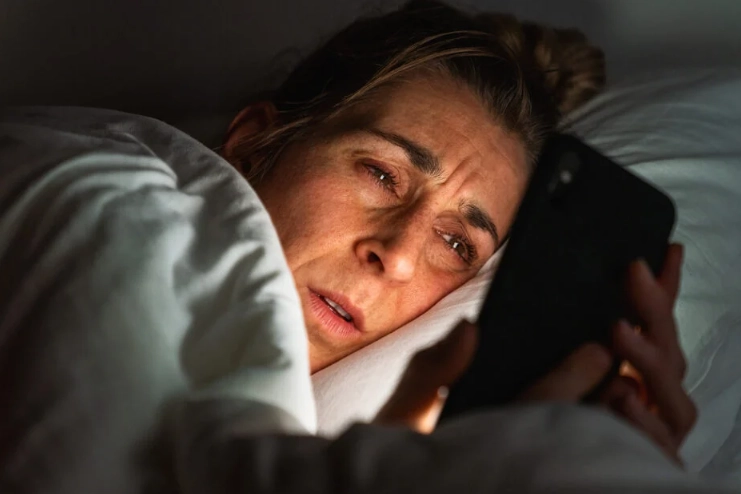
Let’s cut to the chase. The short, definitive answer is yes, absolutely. A lack of sleep can directly and significantly cause eye pain and a whole host of other visual annoyances. It’s not just your imagination. That sandpapery, heavy, sometimes sharp sensation is a common physical protest from your eyes when they don’t get the rest they desperately need. I’ve been there myself—pulling an all-nighter to meet a deadline and spending the next day squinting at my screen, feeling like my eyelids were lined with gravel. It’s miserable, and it’s a clear signal from your body.
But simply saying "yes" isn't all that helpful, is it? You’re probably searching because you want to know why it happens, what exactly you’re feeling, and most importantly, what you can do about it. Maybe you’re wondering if it’s a sign of something more serious, or if those expensive eye drops are actually worth it. This guide is going to dig deep into the gritty details (pun intended). We’ll move past the basic yes/no and explore the mechanics, the different types of eye pain linked to sleep deprivation, and give you a practical, step-by-step plan to find relief and protect your eye health long-term.
Why Your Eyes Throw a Tantrum When You Don't Sleep
Think of your eyes not just as cameras, but as incredibly complex, high-performance organs that work non-stop from the moment you wake up. They need downtime to repair, recharge, and reset. Sleep isn’t a luxury for your eyes; it’s essential maintenance. When you short-change them on sleep, several key processes break down, leading directly to that nagging pain. Let’s break down the main culprits.
The Dry Eye Connection: Where the Gritty Feeling Comes From
This is arguably the biggest and most direct link between poor sleep and eye pain. Your eyes have a dedicated tear film—a delicate, three-layered blanket of moisture that keeps them lubricated, smooth, and clear. During the day, blinking spreads this film evenly. But here’s the critical part: during deep, quality sleep, your body goes into repair mode and significantly increases tear production. It’s like a nightly oil change and refill for your eyes.
When you don’t sleep enough, or your sleep is fragmented and poor quality, this vital replenishment cycle gets disrupted. You wake up with an already compromised tear film. Combine that with a day spent staring at screens (which reduces your blink rate by up to 60%), and you have a perfect recipe for severe dryness. This isn’t just a little discomfort. Insufficient tears lead to increased friction between your eyelid and the surface of your eye (the cornea). This friction causes inflammation, which your brain interprets as pain—that burning, scratching, gritty sensation. So, when asking can lack of sleep cause eye pain, dry eye is often the primary mechanism.
Eye Strain and Muscle Fatigue: The Heavy, Achy Feeling
Your eyes are controlled by a set of tiny, incredibly precise muscles. The ciliary muscles inside your eye flex to change your lens shape for focusing (accommodation). Six extraocular muscles around each eye coordinate to move them in unison. Like any muscle, they get tired. During sleep, these muscles finally get to relax completely.
Sleep deprivation keeps these muscles in a state of constant, low-level tension. They never get the deep rest they need to recover. The result? A heavy, aching feeling around and behind your eyes. It can feel like a dull headache localized to your eye sockets. This is especially pronounced if your waking hours involve intense visual tasks like driving, reading small print, or prolonged screen use. The muscles are overworked and under-recovered, plain and simple.
Increased Sensitivity and Inflammation
Sleep is your body’s master reset button for inflammation. During sleep, levels of inflammatory cytokines go down, and healing processes ramp up. When you’re sleep-deprived, your body stays in a more pro-inflammatory state. For your eyes, this means the nerves on the surface (cornea) can become more sensitive and easily irritated. Light can feel painfully bright (photophobia), and even normal blinking might feel uncomfortable. This general state of heightened sensitivity lowers your pain threshold, making any underlying issue—like a slight dryness or strain—feel much worse.
What Does "Eye Pain from Lack of Sleep" Actually Feel Like?
It’s not one uniform sensation. People describe it in different ways, and often it’s a combination. Pinpointing your specific feeling can help you understand the root cause. Here’s a breakdown of common symptoms linked to sleep deprivation.
| Symptom | What It Feels Like | Most Likely Primary Cause |
|---|---|---|
| Grittiness / Sandy Feeling | Like there’s a piece of dust or sand trapped under your eyelid that you can’t blink away. | Severe Dry Eyes |
| Burning or Stinging | A sharp, hot sensation, often when blinking or opening your eyes in the morning. | Tear Film Instability & Inflammation |
| Heavy, Aching Eyes | A deep, dull ache in and around the eye sockets, like the eyes are too weighty. | Muscle Fatigue (Ciliary & Extraocular) |
| Eye Pain with Movement | Discomfort or pain when you look side-to-side or up and down. | Fatigued Extraocular Muscles |
| Blurred Vision (Intermittent) | Vision going in and out of focus, especially when switching between near and far tasks. | Fatigued Ciliary Muscles |
| Light Sensitivity (Photophobia) | Normal indoor or sunlight feels uncomfortably or painfully bright. | General Inflammation & Nerve Sensitivity |
| Redness | Bloodshot appearance as blood vessels dilate in response to irritation. | Inflammation from Dryness & Strain |
If you’re nodding along to several of these, you’re not alone. It’s a clear sign that your sleep habits are taking a direct toll on your visual comfort. The question can lack of sleep cause eye pain is answered by this whole spectrum of sensations.
Beyond the Basics: When It's More Than Just Sleep Deprivation
While sleep is a massive factor, it’s crucial to recognize when your eye pain might be a sign of a separate, underlying condition that poor sleep is simply exacerbating. Sleep deprivation weakens your system, making any pre-existing issue scream louder. Don’t just assume it’s only the lack of sleep.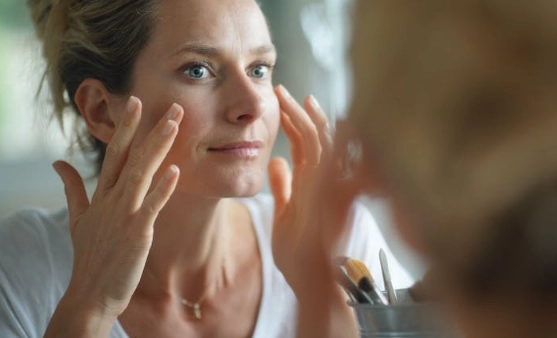
Digital Eye Strain (Computer Vision Syndrome)
This is the modern epidemic that pairs perfectly with sleep loss to create a perfect storm of eye misery. The symptoms overlap almost completely: dryness, ache, blurry vision, light sensitivity. The blue light from screens can disrupt sleep cycles, creating a vicious circle: screen use → poor sleep → worse eye pain → more reliance on screens for distraction… you see the problem. The American Optometric Association has extensive resources on Computer Vision Syndrome, highlighting how near-work and screens strain the visual system. When you combine this with inadequate sleep, your eyes have zero chance to recover.
Underlying Eye Conditions
Conditions like Blepharitis (chronic eyelid inflammation), Meibomian Gland Dysfunction (MGD – where the oil-producing glands in your eyelids clog), or even uncorrected refractive errors (needing glasses/contacts) can cause baseline discomfort. A good night’s sleep helps your body manage the inflammation from these conditions. Take away that sleep, and the symptoms can flare up dramatically. If your eye pain is persistent even after improving sleep, a visit to an eye care professional is non-negotiable.
While sleep-related eye pain is common, certain symptoms warrant prompt medical attention. Don’t ignore: Sudden, severe pain; Pain accompanied by vision loss (dark curtain, black spots); Extreme sensitivity to light with nausea; or Seeing halos around lights. These could indicate issues like acute glaucoma, optic neuritis, or other serious conditions. The National Eye Institute (NEI) provides authoritative information on various eye diseases.
Your Action Plan: How to Fix Sleep-Related Eye Pain
Okay, so we’ve established that yes, a lack of sleep can cause eye pain. Now, let’s get practical. What can you actually do about it? Throwing random eye drops at the problem isn’t a strategy. You need a multi-pronged approach that addresses both the sleep deficit and the eye symptoms directly. Here’s a tiered plan, starting with the most impactful changes.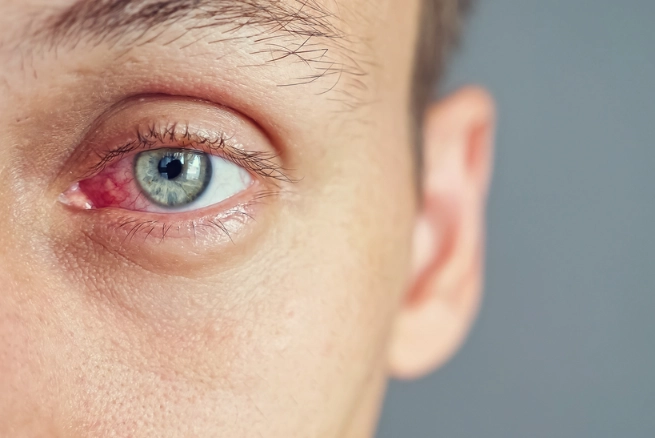
Level 1: Fix Your Sleep Hygiene (The Foundation)
You can’t out-supplement bad sleep. This is the core fix. Improving your sleep isn’t just about duration, but quality and consistency.
- Consistency is King: Go to bed and wake up at roughly the same time every day, even on weekends. This regulates your circadian rhythm, which governs tear production and repair cycles.
- Create a Wind-Down Ritual: The last hour before bed should be screen-free. Read a physical book, listen to calm music, do light stretches. This signals to your brain and your eyes that it’s time to shut down. The National Sleep Foundation offers excellent, evidence-based tips for building better sleep habits.
- Optimize Your Environment: Pitch dark, cool (around 65°F or 18°C), and quiet. Use blackout curtains and consider a white noise machine. A sleep mask can also help block light and may provide gentle pressure that some find soothing for tired eyes.
Level 2: Direct Eye Care and Relief Strategies
While you work on Level 1, these tactics will provide direct symptomatic relief and support your eye health.
- Smart Use of Artificial Tears: Use preservative-free formulations during the day as needed. Don’t overuse medicated “get the red out” drops, as they can cause rebound redness. For moderate to severe dry eye, consider thicker gel or ointment formulations at bedtime.
- Warm Compresses: This is a game-changer, especially if Meibomian Gland Dysfunction is involved. Applying a warm (not hot) compress for 10 minutes before bed melts the clogged oils in your eyelids, improving tear quality overnight. It’s also incredibly soothing for aching muscles.
- The 20-20-20 Rule (Seriously, Do It): Every 20 minutes of screen time, look at something 20 feet away for at least 20 seconds. This gives your ciliary muscles a micro-break. Set a timer if you have to.
- Blink Consciously: When on screens, make an effort to take slow, complete blinks. This fully spreads the tear film.
Level 3: Lifestyle and Environmental Tweaks
- Hydrate: Dehydration affects tear production. Drink water consistently throughout the day.
- Humidify: If your home or office air is dry, a humidifier can prevent your tear film from evaporating too quickly.
- Diet: Omega-3 fatty acids (from fish oil, flaxseed) have anti-inflammatory properties and may support healthy tear production. A diet rich in fruits and vegetables provides essential antioxidants for eye health.
- Review Your Vision Correction: An outdated glasses or contact lens prescription forces your eyes to work harder, compounding strain and fatigue. Get a comprehensive eye exam regularly.
Answering Your Burning Questions (FAQs)
Let’s tackle some of the specific, nitty-gritty questions that pop up when you’re searching for answers about this.
Can lack of sleep cause eye pain behind the eye?
Yes, absolutely. Pain felt behind the eye is often related to muscle fatigue (those extraocular muscles), referred pain from tension headaches or migraines (which are commonly triggered by poor sleep), or sinus pressure. The deep ache from exhausted eye muscles can very much localize behind the eyeball itself.
How much sleep do my eyes need to avoid pain?
There’s no magic number, as individual needs vary. However, most adults require 7-9 hours of quality sleep per night for optimal systemic and ocular repair. Consistently getting less than 6 hours is a strong predictor of experiencing dry eye symptoms and eye strain. It’s about consistent, restorative sleep, not just crashing for a long period once in a while.
Will catching up on sleep fix the eye pain?
It will help significantly, but it’s not always an instant “cure.” If the sleep deprivation was acute (one or two bad nights), a solid night or two of good sleep can largely resolve the pain. If it’s chronic (weeks or months of poor sleep), the inflammation and dry eye issues may have become more established. In that case, improving sleep is the essential first step, but you may need to combine it with the direct eye care strategies (warm compresses, artificial tears) for a longer period to fully calm things down.
Is the eye pain from sleep loss permanent?
No, it is typically not permanent. The discomfort is a functional problem caused by a lack of recovery and increased inflammation. Once you address the sleep deficit and support your eye health, the symptoms should subside. However, chronically ignoring the problem could potentially contribute to the development of more persistent dry eye disease over time. The body’s repair mechanisms are resilient, but they need the raw material of good sleep to work.
The Bottom Line: Sleep is Non-Negotiable Eye Care
So, circling back to our core question: can lack of sleep cause eye pain? The evidence is overwhelming. It’s a direct, physiological cause-and-effect relationship, primarily through the mechanisms of tear film disruption, muscle fatigue, and systemic inflammation. That gritty, aching, sensitive feeling is a valid and common symptom of sleep deprivation.
Treating this isn’t just about putting drops in your eyes. It’s about fundamentally respecting your body’s need for rest. Prioritizing sleep hygiene is the most powerful, foundational step you can take for your eye comfort and long-term visual health. Combine that with targeted eye care habits like warm compresses, conscious blinking, and the 20-20-20 rule, and you have a robust defense against sleep-related eye pain.
If you take away one thing from this, let it be this: your eyes are not separate from the rest of you. They are profoundly affected by the quality of your rest. Giving yourself the gift of good sleep is one of the best things you can do for your vision and comfort. Start tonight. Your eyes will thank you in the morning.
Reader Comments