Quick Guide
You know the feeling. Your head is pounding, your throat feels like sandpaper, and every muscle aches. All you want to do is close your eyes and drift off into healing oblivion. But instead, you're staring at the ceiling at 3 AM, feeling more awake than you did at noon. The frustration is real. You're physically drained, yet sleep feels miles away.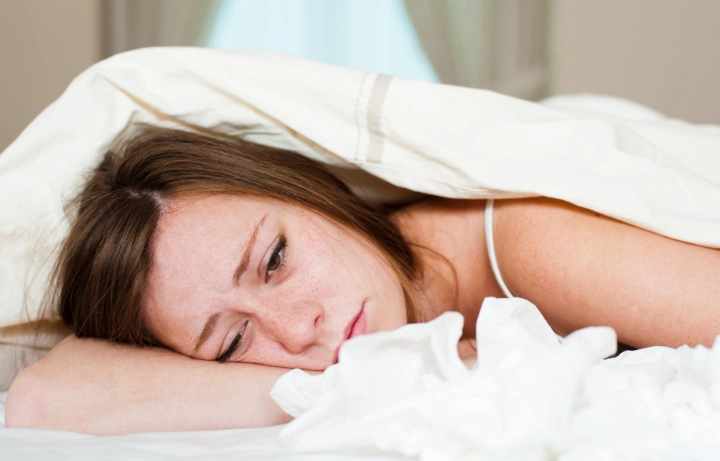
It's one of life's cruelest ironies. Your body needs rest to fight off the bug, but it seems utterly incapable of getting it. So you toss, you turn, you check the clock, and you wonder… why is this happening? Why can't I sleep when I'm sick? Is my body just broken?
The Core Reasons Your Body Fights Sleep When You're Ill
Let's cut to the chase. The simple answer to "why can't I sleep when I'm sick" is that your body is prioritizing fighting the infection over your comfort. But the how is fascinating (and annoying). It's not one thing; it's a perfect storm of physiological changes.
Your Immune System is Throwing a Rave (And You're Invited)
When pathogens invade, your immune system releases signaling proteins called cytokines. Think of them as the body's alarm bells and rallying cries. Key players like interleukin-1 (IL-1) and tumor necrosis factor-alpha (TNF-α) are pro-inflammatory cytokines. They're great at coordinating the attack on viruses or bacteria.
Here's the kicker: these same cytokines have a direct line to your brain. They interact with the hypothalamus, the part of your brain that regulates sleep-wake cycles, body temperature, and a host of other vital functions. This interaction is designed to promote slow-wave sleep (the deep, restorative kind) to conserve energy for fighting the illness. But in the process, it massively disrupts the normal, smooth cycling between sleep stages. The result? Fragmented, unsatisfying sleep that leaves you feeling awake during the wrong parts of the night. Research from the Sleep Foundation details how this inflammatory response is a double-edged sword for rest.
So, your immune response is the main architect of your sleepless night. It's trying to help, but its methods are… disruptive.
The Fever Factor: Your Internal Thermostat is Broken
Fever isn't just a symptom; it's a active defense strategy. Raising your core temperature makes it harder for many pathogens to replicate. But for sleep, it's a disaster.
Your body naturally cools down by about 1-2 degrees Fahrenheit as you fall asleep. A fever throws this entire process into chaos. Your brain is getting conflicting signals: "Initiate sleep cooling!" vs. "Maintain fever heating!" This internal thermostat war makes it incredibly hard to initiate and maintain sleep. You might doze off only to wake up drenched in sweat (as your body tries to cool down) or shivering with chills (as it tries to heat back up).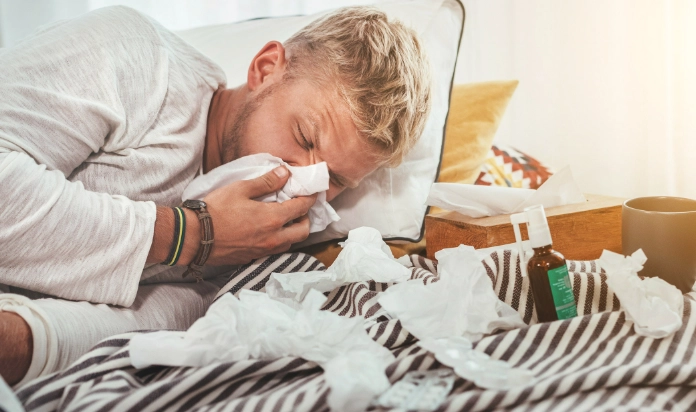
Pain, Discomfort, and the Annoyance of Being Alive
This one seems obvious, but it's worth spelling out. A stuffy nose forces you to mouth-breathe, which dries your throat and can trigger coughing. A sore throat hurts more when you swallow, which you do unconsciously less frequently when awake. Sinus pressure feels like a vice tightening when you lie down. Body aches make every position uncomfortable.
These aren't just minor nuisances. They're constant, low-grade stimuli that prevent your brain from entering the state of sensory disengagement necessary for sleep. Your brain stays on "alert" because, well, there's a lot to alert it about.
So, when you lie there asking "why can't I sleep when I'm sick," remember: it's a combo of chemical warfare, a broken thermostat, and plain old physical misery.
Breaking Down the Symptom-Sleep Connection
Different illnesses mess with sleep in different ways. Let's get specific. This table breaks down how common symptoms directly sabotage your slumber.
| Symptom | How It Ruins Sleep | The Body's (Misguided) Logic |
|---|---|---|
| Coughing | Jolts you awake just as you drift off; prevents deep sleep stages. | Clearing airways is prioritized over uninterrupted rest. |
| Nasal Congestion | Forces mouth breathing, leading to dry mouth, snoring, and sleep apnea-like events. | Inflammation is fighting the virus in nasal passages; comfort is secondary. |
| Sore Throat | Pain worsens when swallowing; lying down can increase post-nasal drip irritation. | Immune cells are concentrated in the throat area, causing swelling. |
| Fever & Chills | Disrupts core temperature regulation essential for sleep onset. | Elevated temperature inhibits pathogen growth. |
| Body Aches | Makes it impossible to find a comfortable position; constant dull pain keeps brain alert. | Cytokine release causes inflammation in muscles and joints. |
| GI Issues (Nausea) | Discomfort and anxiety about getting sick keep you in a light, vigilant sleep state. | Body is trying to expel toxins or pathogens; digestive system is in distress. |
Looking at it this way, it's almost impressive how comprehensively an illness can attack your sleep architecture. No single fix will work because the problem is multi-fronted.
Practical, No-Nonsense Strategies to Steal Some Sleep Back
You can't argue with your immune system, but you can try to negotiate with your environment and symptoms. The goal isn't perfect, 8-hour sleep. It's about grabbing more quality chunks of rest to fuel the fight.
Master Your Environment (The Easy Wins)
This is about removing external barriers so your body has one less thing to fight.
- Pillow Fortress: Don't just lie flat. Use extra pillows to prop yourself up at a 30-45 degree angle. This helps with nasal congestion, sinus pressure, and post-nasal drip that triggers coughing. It makes a shocking difference for breathing.
- Humidity is Your Friend: A cool-mist humidifier right by your bed adds moisture to the air. It soothes dry, scratchy throats and nasal passages. Just remember to clean it regularly—the last thing you need is mold.
- Temperature Tango: Since your internal thermostat is wonky, keep the room cool (around 65-68°F or 18-20°C). Have layers of blankets you can easily kick off or pull on as fever and chills switch. Moisture-wicking pajamas help with night sweats.
Smart Symptom Management (Before Bed)
Timing is everything. You want interventions to peak when you're trying to sleep.
- Medicate Wisely: A dose of ibuprofen or acetaminophen about 30-60 minutes before bed can lower fever and reduce aches. This helps normalize your body temperature for sleep. Always follow label instructions and consult a doctor if unsure. The Mayo Clinic has clear guidelines on safe fever management.
- Saline is Gold: Use a saline nasal spray or a neti pot before bed to flush out mucus and reduce congestion. It's drug-free and provides immediate, if temporary, relief.
- The Honey Hack: For a cough or sore throat, a spoonful of thick, dark honey (like buckwheat) can coat and soothe the throat as effectively as some OTC cough suppressants. Just not for kids under 1.
- Steam Session: A hot shower before bed isn't just relaxing. The steam moisturizes airways and loosens mucus. The subsequent cooldown as you dry off can also mimic the natural temperature drop that aids sleep.
Mindset and Routine Hacks
When your body is chaotic, a little mental order can help.
Accept the fragmentation. This was a game-changer for me. Fighting the wakefulness creates anxiety, which releases cortisol (a wakefulness hormone), making sleep even harder. Instead, tell yourself: "It's okay if I'm awake right now. Resting horizontally with my eyes closed is still helping my body." This reduces the pressure.
Darkness is non-negotiable. Even the small light from a charger can interfere with melatonin production. Use blackout curtains or a good sleep mask.
If you've been awake for more than 20-25 minutes, get up. Go to another room. Read a boring book (no screens!) under dim light for 15 minutes. The goal is to break the association of your bed with frustration. Then go back and try again. This is a core technique from Cognitive Behavioral Therapy for Insomnia (CBT-I), and it works even when you're sick.
So, why can't I sleep when I'm sick? Now you know the brutal, biological reasons. And more importantly, you have a battle plan to cope with them.
Your "Why Can't I Sleep When I'm Sick?" Questions, Answered
Let's tackle some of the specific, nagging questions people have in the middle of the night.
Is it worse to not sleep or to take medicine to sleep when sick?
Generally, letting your body follow its sick rhythm is better than forcing it with strong sedatives. The sleep you get from some medicines isn't high-quality, restorative sleep. Focus on managing the symptoms (fever, pain) that are preventing sleep, rather than knocking yourself out. As mentioned, many OTC sleep aids have side effects that can worsen congestion. If insomnia is severe and prolonged, talk to a doctor—don't self-prescribe.
Why do I have weird, vivid dreams when I'm sick and finally sleep?
This is directly linked to the fever and the cytokine storm. Elevated brain temperature and increased inflammatory markers can lead to more intense and memorable dreams, often bordering on fever dreams or nightmares. It's also because your sleep is so fragmented—you might be waking up directly from REM sleep (the dream stage), making the memory of the dream much sharper.
Should I just stay up all night if I can't sleep?
No. Absolutely not. Even if you're not achieving deep, continuous sleep, periods of light sleep, dozing, and quiet rest are still valuable. They give your body micro-breaks from the full effort of being awake and fighting illness. Lying down in a dark, quiet room conserves energy. Staying up activates stress systems and burns energy you don't have. Rest, even without sleep, is medicine.
How long after I start feeling better will my sleep return to normal?
This is the frustrating part. Often, your sleep can be messed up for a few days after other symptoms fade. Your immune system is still calming down, cytokine levels are receding, and your sleep-wake cycle needs time to resynchronize. Be patient. Stick to good sleep hygiene (consistent wake time, daylight exposure, limiting caffeine) as you recover to help reset your clock. Don't be surprised if you need an extra nap or two.
When you're lying there wondering why can't I sleep when I'm sick, know that it's a documented, physiological struggle. Your body is a battlefield, and sleep is often the first casualty. It sucks. There's no sugar-coating it. But understanding the "why"—the cytokine interference, the fever fight, the sheer discomfort—takes some of the mystery and frustration away. You're not doing it wrong. Your body is just doing something incredibly complex.
The strategies here aren't magic bullets, but they're tools. Propping up, managing fever, using steam and saline, and adjusting your mindset can help you steal back precious hours of rest. Those hours are what give your immune system the energy to win the war, so you can get back to sleeping soundly, healthily, and boringly once again.
Now, if you'll excuse me, I need to go clean my humidifier. Just in case.
Reader Comments