You’re lying in bed, tired but wired, scrolling through articles on sleep. You keep seeing melatonin pop up. It’s natural, it’s over-the-counter, and everyone says it helps you sleep. But your real question is more specific: does melatonin increase *deep sleep*? That precious, restorative stage where your body truly repairs itself. The short, honest answer is: it’s complicated, and often not in the way people hope. For many, melatonin’s primary job isn’t to bulldoze you into deep sleep, but to gently guide your internal clock to the starting line. Let’s unpack what the research really says, who it helps for deep sleep, and the common mistakes that waste your time and money.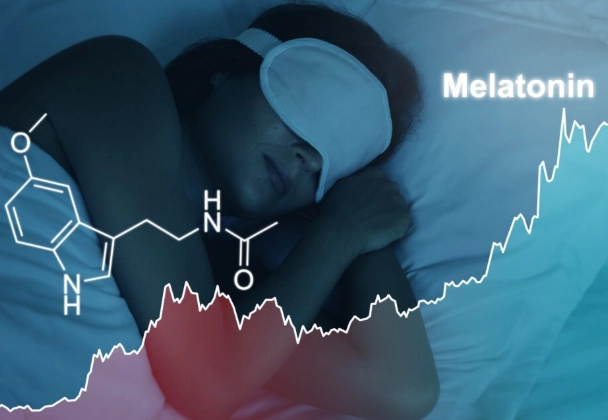
What You'll Learn in This Guide
- What Melatonin Actually Does (And Doesn't Do)
- The Science: Melatonin's Impact on Sleep Stages
- How to Maximize Deep Sleep with Melatonin (If It Works For You)
- Melatonin vs. Other Sleep Aids for Deep Sleep
- A Practical Guide to Trying Melatonin
- Common Mistakes That Sabotage Deep Sleep
- Your Melatonin & Deep Sleep Questions Answered
What Melatonin Actually Does (And Doesn't Do)
Think of melatonin less as a sleeping pill and more as a darkness signaler. Your pineal gland produces it when light fades, telling your brain, "Hey, it's getting dark, time to wind down." It's the key that starts the engine of your sleep-wake cycle (circadian rhythm).
This is crucial. If your problem is that you can't *fall* asleep at a reasonable hour (like with Delayed Sleep Phase Syndrome or jet lag), supplemental melatonin can be a game-changer. It resets your clock. But if your problem is sleeping *lightly*, waking up constantly, or not feeling restored, the issue might be less about timing and more about sleep architecture or quality. That's where the deep sleep question gets murky.
Key Point: Melatonin is a chronobiotic (timing agent) first, a mild sedative second. Its greatest strength is correcting "when" you sleep, not necessarily "how well" you sleep in terms of depth.
The Science: Melatonin's Impact on Sleep Stages
Studies using polysomnography (the gold standard for measuring sleep stages) show mixed results. It's not a universal deep sleep booster.
Some research, like a study published in the Journal of Clinical Sleep Medicine, found that melatonin supplementation in certain populations (like older adults with insomnia) can lead to modest increases in slow-wave sleep (deep sleep) duration or efficiency. The effect is often more pronounced in people whose natural melatonin production is low or off-schedule.
But here’s the catch many blogs miss: the dose and timing are everything. A massive 10mg dose taken right at bedtime might make you feel drowsy, but it can actually disrupt your sleep architecture later in the night and cause morning grogginess. Lower doses (0.3mg to 1mg) taken 1-2 hours before bed are often more effective for aligning rhythm, which can *indirectly* create the right conditions for deeper sleep to occur naturally.
Who Might See a Deep Sleep Benefit?
- Older Adults: Natural melatonin production declines with age. Supplementing can help restore a more youthful sleep pattern, sometimes including more deep sleep.
- Shift Workers & Jet Lag Sufferers: By forcefully realigning a scrambled circadian rhythm, melatonin can help the body re-establish all sleep stages, including deep sleep, in the new schedule.
- People with Low Natural Levels: This can be due to age, certain medications, or excessive light exposure at night.
Who Might Not See Much Difference?
- Young, healthy adults with normal melatonin rhythms.
- People whose sleep fragmentation is caused by pain, sleep apnea, or anxiety. Melatonin won't fix a physical airway obstruction or stop anxious thoughts.
- Those expecting a knockout, sedative-like effect. You might just feel calmly sleepy, not zonked.
How to Maximize Deep Sleep with Melatonin (If It Works For You)
Using melatonin for deep sleep isn't just about taking a pill. It's about creating a sleep-conducive environment that the melatonin then amplifies. Think of it as priming the canvas before painting.
1. Timing is Everything: Take it 60 to 90 minutes before your *target* bedtime. This gives it time to signal your brain and start the physiological wind-down process. Taking it in bed is usually too late.
2. Start Micro, Go Slow: Begin with 0.5mg or 1mg. The goal is the minimum effective dose. More is not better for sleep quality. I've seen people take 10mg and complain of vivid dreams and grogginess, then have much better sleep on 1mg.
3. Blackout Your Environment: Melatonin is broken down by light. Even a crack of streetlight or a charging LED can undermine its effect. Use blackout curtains and consider a sleep mask. This is non-negotiable if you're serious about deep sleep.
4. Pair with a Wind-Down Ritual: After taking melatonin, engage in calming, screen-free activities. Read a physical book, listen to calming music, do light stretching. This behavioral signal combined with the chemical signal is powerful.
5. Consistency Over Intensity: For circadian rhythm issues, take it at the same time every night for several weeks to train your body. Sporadic use is less effective.
Melatonin vs. Other Sleep Aids for Deep Sleep
People often lump all "sleep helpers" together. That's a mistake. Here’s a blunt comparison based on mechanism and typical effect on sleep architecture.
| Sleep Aid | Primary Action | Typical Effect on Deep Sleep | Best For |
|---|---|---|---|
| Melatonin | Circadian rhythm regulator | Variable. May modestly increase or simply enable it by improving sleep timing. | Falling asleep late, jet lag, shift work, age-related decline. |
| Magnesium Glycinate/Threonate | Muscle relaxation, NMDA receptor modulation, GABA support | Often reported to subjectively improve sleep depth and reduce restlessness. Some studies show increased slow-wave sleep. | Muscle tension, restless legs, anxiety-related sleep issues. |
| Pharmaceutical Z-Drugs (e.g., Zolpidem) | Potent GABA-A receptor agonist (sedative) | Can actually *reduce* deep sleep (slow-wave sleep) and increase light sleep stages. Promotes sleep onset but distorts architecture. | Severe, short-term insomnia under doctor supervision. Not for long-term deep sleep health. |
| Glycine | Inhibitory neurotransmitter, lowers core body temperature | Several studies show it can improve sleep quality and increase deep sleep (SWS) and REM sleep. | Improving sleep quality metrics, feeling more refreshed. |
| Valerian Root | Mild GABA effect, anxiety reduction | Mixed evidence. May improve sleep latency and subjective quality, but clear deep sleep data is limited. | Mild anxiety at bedtime, trouble falling asleep. |
See the difference? If your deep sleep is lacking because your body's timing is off, melatonin could be the foundational fix. If it's lacking due to physical tension or anxiety, magnesium or glycine might be a more direct tool. Sometimes, a combination (like low-dose melatonin + magnesium) works synergistically.
A Practical Guide to Trying Melatonin
Let’s get concrete. If you want to test if melatonin improves your deep sleep, here’s a two-week protocol. Track how you feel in the morning—not just "did I sleep," but "do I feel restored?"
Week 1: The Baseline
Don’t take anything. Focus on sleep hygiene: consistent bedtime, cool/dark/quiet room, no screens 90 minutes before bed. Note your energy levels.
Week 2: The Melatonin Trial
Add in 0.5mg of melatonin 90 minutes before bed. Keep everything else identical. Use a notes app to rate your morning refreshment on a scale of 1-10. Also note any dreams or grogginess.
What to Look For: A slight but noticeable improvement in how quickly you fall asleep and, more importantly, how you feel at 10 AM. You shouldn’t feel "drugged" in the morning. If you feel worse or no different, melatonin might not be your lever for deep sleep. If the 0.5mg does nothing, you could try 1mg the following week, but I rarely recommend going above 3mg for sleep quality purposes.
Common Mistakes That Sabotage Deep Sleep (Even with Melatonin)
I’ve coached hundreds on sleep, and these errors come up constantly.
Mistake 1: The Midnight Phone Check. You take melatonin at 9:30 PM, feel drowsy by 10:30, but then check a work email at 11:00. The blue light instantly suppresses your natural melatonin production and scrambles the signal you just paid for. Game over.
Mistake 2: Inconsistent Weekend Schedules. Taking melatonin to sleep at 10 PM during the week, then staying up until 2 AM on Friday night confuses your clock. You’re trying to tune a piano while constantly changing the tuning fork.
Mistake 3: Ignoring Temperature. Deep sleep is facilitated by a drop in core body temperature. A hot bedroom (above 68°F or 20°C) fights this process. Melatonin can help initiate the temperature drop, but a hot room wins the battle. Cool it down.
Mistake 4: Expecting a Miracle from a Pill. Supplements support a process; they don’t replace it. The foundation is still sleep hygiene, stress management, and daylight exposure in the morning. No amount of melatonin fixes terrible sleep habits.
Your Melatonin & Deep Sleep Questions Answered
If I'm a natural night owl, can melatonin help me get more deep sleep on an early schedule?
It can help you *fall asleep* earlier, which is the first step. Whether you get more deep sleep depends on if your body adapts its architecture to the new time. For some night owls, forcing an early schedule with melatonin leads to more sleep overall, which may include more deep sleep. For others, they just sleep lightly until their natural window. Give it a consistent 2-3 week trial with strict light discipline in the evening to find out which you are.
I take 5mg of melatonin and fall asleep fast, but I still wake up tired. What's wrong?
That dose is likely too high for you. High doses can create a "hangover" effect, disrupt later sleep cycles, and lead to fragmented sleep. It's like hitting the sleep button with a sledgehammer—it works, but it leaves a mess. Try tapering down to 1mg over a few nights. You might fall asleep just as fast and wake up clearer. Also, rule out other causes of non-restorative sleep like sleep apnea or nutrient deficiencies (like iron or B12).
Are melatonin supplements with added magnesium or L-theanine better for deep sleep?
They can be, but it depends on your bottleneck. If your issue is purely timing, plain melatonin is fine. If you also have physical tension or racing thoughts, the combo might address multiple angles. However, I often prefer buying them separately. That way, you can adjust the dose of each component. A combo pill might have a perfect melatonin dose for you but too little magnesium to be effective, or vice versa.
How long does it take for melatonin to improve deep sleep metrics?
For circadian resetting (jet lag, shift work), effects on sleep onset can be immediate. For measurable changes in sleep architecture, including deep sleep, studies typically look at periods of 1 to 4 weeks of consistent use. Your subjective feeling of deeper sleep might come sooner, but the body needs time to stabilize its new rhythm. Don't judge it on one or two nights.
Can you build a tolerance to melatonin, making it useless for deep sleep over time?
The evidence for significant tolerance with melatonin is weak, especially at low doses used for circadian entrainment. It's not addictive like traditional sleep meds. However, some people report it becomes less effective. This is often because they stop pairing it with good sleep habits, or their underlying sleep issue has progressed. It's a tool, not a cure. Its job is to guide your rhythm; you still have to follow.
So, does melatonin increase deep sleep? The most accurate answer is: it can, but not directly like a targeted hammer. It works as a master key for your sleep timing. By getting you to sleep at the right biological time and under the right (dark) conditions, it sets the stage for your natural sleep architecture, including deep sleep, to perform at its best. For those whose clocks are misaligned, this stage-setting is everything. For others, the quest for deeper sleep might need additional tools—like magnesium, temperature control, or stress management—working in concert with a well-timed, low dose of melatonin. Start small, be patient with the process, and pay more attention to how you feel in the morning than the number on the supplement bottle.
Reader Comments