If you've ever stared at the ceiling, your mind racing like a runaway train about tomorrow's meeting, a family worry, or just the sheer frustration of not sleeping, you know what anxiety-induced insomnia feels like. It's a brutal cycle: anxiety makes sleep impossible, and then the lack of sleep makes you more anxious about... not sleeping. The good news? This loop is absolutely breakable. Treating insomnia caused by anxiety isn't about finding one magic pill; it's a multi-layered approach that quiets your nervous system and retrains your brain to associate bed with rest, not worry.
What's Inside This Guide?
Understanding the Anxiety-Insomnia Loop
First, let's name the beast. This isn't just "trouble sleeping." It's a specific feedback loop. When you're anxious, your body's fight-or-flight system is activated. Cortisol and adrenaline spike, your heart rate increases, and your mind goes into hyper-alert problem-solving mode—the exact opposite state needed for sleep. A few nights of this, and you start dreading bedtime itself. The bed becomes a trigger for anxiety, not relaxation.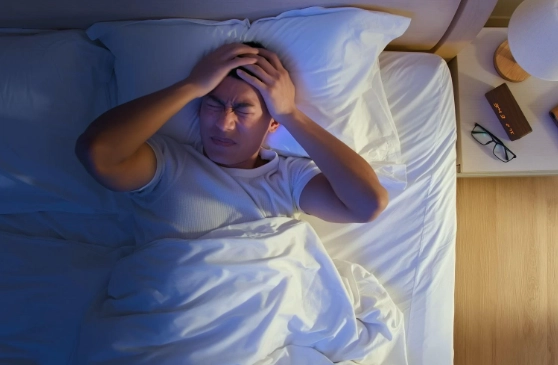
I see people make one subtle mistake here all the time: they focus only on the sleep part. They track hours obsessively, try every sleep supplement, but ignore the daytime anxiety fueling the fire. Effective treatment for insomnia due to anxiety must address both ends of the equation—the anxious thoughts and the sleep-disrupting behaviors.
Cognitive Techniques to Quiet Your Mind at Night
This is about managing the "mental chatter." You can't just tell yourself to stop thinking. You need tools.
1. Cognitive Restructuring (Flipping the Script)
This is a core part of Cognitive Behavioral Therapy for Insomnia (CBT-I). You identify and challenge the catastrophic thoughts that pop up at night. Let's walk through a common one:
Automatic Thought: "If I don't fall asleep in the next 30 minutes, my whole tomorrow will be ruined."
Challenge It: Is that 100% true? Have you ever functioned on less sleep before? Probably. What's the evidence that a single night of poor sleep guarantees disaster? Often, the anxiety about the consequences is more damaging than the sleep loss itself. Replace it with a more balanced thought: "I'd prefer to sleep well, but I can handle tomorrow even if I'm tired. Resting quietly is still beneficial."
2. Scheduled Worry Time
This sounds counterintuitive, but it works. Give your worries a dedicated appointment during the day, at least 2-3 hours before bed. Set a timer for 15 minutes and write down everything you're anxious about. When worries intrude at night, gently remind yourself: "I've already addressed that. My worry time is tomorrow at 5 PM." It transfers the cognitive load out of the bedroom.
3. Mindfulness & Guided Imagery
Don't fight the thoughts; observe them without judgment and let them pass. Apps with sleep meditations are great for this. Personally, I find a simple body scan—focusing attention slowly from toes to head—more effective than trying to "clear my mind," which is an impossible task. Another trick: visualize a mundane, detailed scenario, like walking through your childhood home room by room. It engages the brain just enough to distract it from anxiety, but not enough to stimulate it.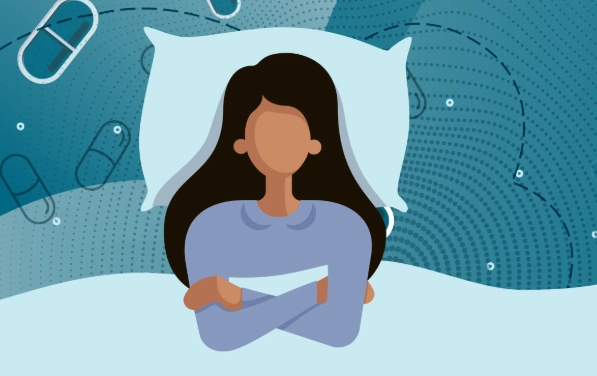
Key Point: The goal of these techniques isn't to achieve a blank mind. It's to reduce the emotional charge and engagement with anxious thoughts, making them less compelling and sleep-disrupting.
Behavioral Changes to Retrain Your Brain
Here's where you change your actions to send a powerful message to your brain: Bed is for sleep, not for anxiety.
Stimulus Control Therapy: This is non-negotiable. If you're awake and anxious in bed for more than 20 minutes, get up. Go to another dimly lit room. Do something boring (read a physical book, no screens!) until you feel drowsy, then return to bed. Repeat as needed. It breaks the association between bed and frustration. Yes, it's disruptive, but it's the fastest way to rebuild a healthy sleep drive connection.
Sleep Restriction (Do this with caution or guidance): This involves temporarily limiting your time in bed to match your actual sleep time. If you're only sleeping 5 hours a night but spending 8 hours in bed, that's 3 hours of anxiety practice. By restricting time in bed, you increase sleep drive. I strongly recommend exploring this with a therapist or using a validated program, as doing it incorrectly can backfire.
Wind-Down Ritual: Create a 60-minute buffer zone before bed. This isn't just about turning off screens (though that's huge—blue light suppresses melatonin). It's about actively lowering your physiological arousal. A warm shower (the drop in body temperature afterwards signals sleep), light stretching, listening to calm music, or sipping caffeine-free tea. My ritual includes making a simple list for the next day—it gets planning out of my head and onto paper.
Lifestyle Adjustments for Daytime Calm
How you spend your day directly impacts your night. This is the foundation.
How Can Behavioral Changes Improve Sleep?
Look at your caffeine and alcohol intake with a critical eye. Caffeine has a half-life of 5-6 hours. That 3 PM coffee? A quarter of it is still in your system at 9 PM, subtly increasing anxiety and alertness. Alcohol might knock you out, but it fragments the second half of your sleep cycle, leading to early morning awakenings—prime time for anxiety to rush in.
What Lifestyle Adjustments Support Better Sleep?
Morning Light & Daytime Movement: Get bright light exposure within an hour of waking. It sets your circadian rhythm. Regular exercise is a potent anxiety-reducer, but finish intense workouts at least 3 hours before bedtime. A gentle evening walk, however, can be perfect.
Diet: Avoid heavy, spicy, or large meals close to bedtime. Some find foods with tryptophan (like a small banana or some nuts) or magnesium (leafy greens, pumpkin seeds) helpful. Stay hydrated, but taper fluids 1-2 hours before bed to avoid disruptive bathroom trips.
The Daytime Anxiety Audit: Are you constantly plugged in? Doomscrolling news? Skipping meals? These all heighten baseline anxiety. Incorporating short breathing breaks (even 3 deep breaths) during the day can lower overall stress levels, making it easier to wind down at night.
When and How to Seek Professional Help
If self-help strategies aren't making a dent after a few consistent weeks, it's time to call in the pros. This isn't a failure; it's a smart escalation.
Cognitive Behavioral Therapy for Insomnia (CBT-I): This is the gold-standard non-drug treatment, endorsed by the American College of Physicians and the National Institutes of Health. A trained therapist guides you through the techniques mentioned above (cognitive restructuring, stimulus control, sleep restriction) in a structured, supported way. Studies show it's often more effective long-term than sleep medication.
Medication: Medications like certain sedatives (benzodiazepines, "Z-drugs") or antidepressants (trazodone, mirtazapine) can be useful short-term to break a severe cycle, but they are not a long-term cure for anxiety-induced insomnia. They come with risks of tolerance, dependence, and side effects. Always discuss these thoroughly with a psychiatrist or sleep doctor. The goal should be to use medication as a bridge while you build non-drug skills through therapy.
Treating Underlying Anxiety: Sometimes, the insomnia is a symptom of a broader anxiety disorder (GAD, PTSD, panic disorder). In this case, broader anxiety treatments like general CBT, Acceptance and Commitment Therapy (ACT), or other modalities with a mental health professional are essential.
Reader Comments