Key Insights
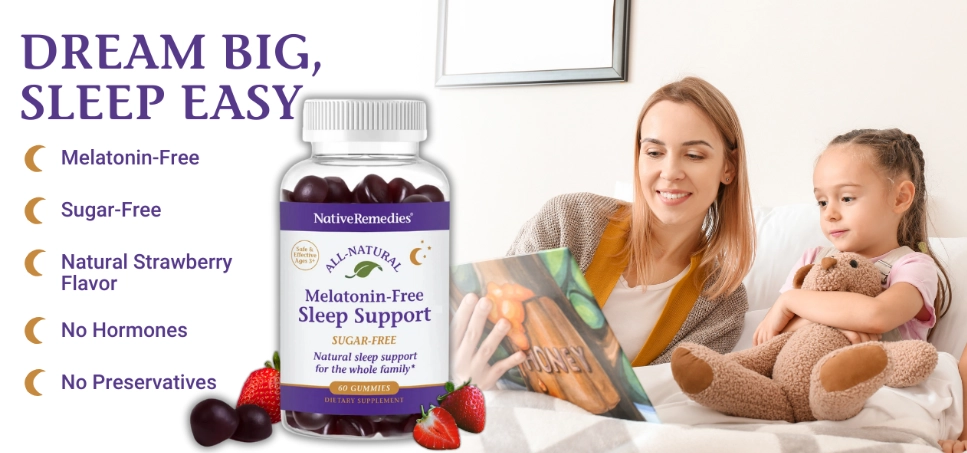
Let's be honest, the search for a good night's sleep can feel endless. You lie there, mind racing, watching the clock tick towards morning, and the pressure to just fall asleep makes it even worse. Maybe you've tried melatonin. For some, it's a wonder; for others, it leads to groggy mornings, weird dreams, or just doesn't do a thing. I've been there. That's why we're talking about natural sleep remedies without melatonin today.
This isn't about dismissing melatonin entirely—it has its place. But the world of sleep support is vast, and melatonin is just one player. If you're sensitive to it, looking for longer-term solutions, or simply want to explore other avenues, you have plenty of options. We're going deep into herbs, behaviors, nutrients, and environmental tweaks that science and tradition back up. Forget the quick-fix hype. We're building a sustainable sleep toolkit.
Understanding the Sleep Problem First
Jumping straight to remedies is like taking painkillers for a broken leg without setting the bone. It might dull the ache temporarily, but it doesn't fix the problem. Ask yourself: Is it trouble falling asleep (sleep onset insomnia), staying asleep (sleep maintenance insomnia), or waking up too early? Do you feel anxious in bed, or is your mind just... on? Are you consuming caffeine too late, or scrolling in bed until your eyes burn?
Pinpointing the "why" helps you choose the right natural sleep remedy without melatonin. For anxiety-driven sleeplessness, calming herbs or cognitive techniques might be key. For waking up at 3 AM, blood sugar regulation or stress hormone management could be the target. It's not one-size-fits-all.
Herbal Powerhouses: Nature's Sleep Allies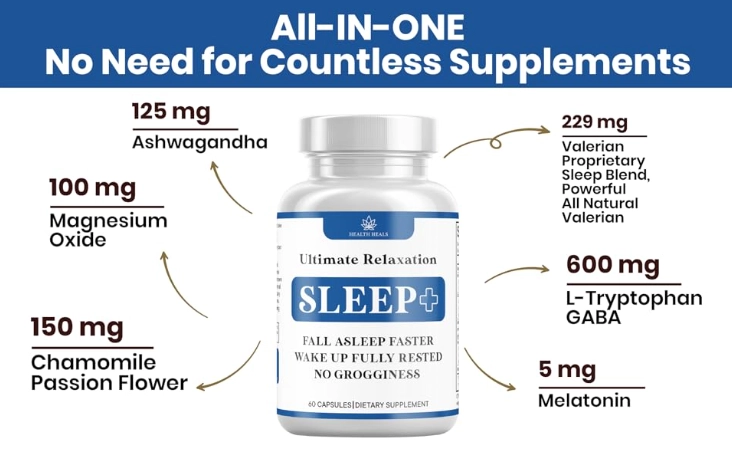
This is where plant medicine shines. These aren't new-age fads; many have centuries of use and growing modern research behind them. They work in different ways—some calm the nervous system, others ease physical tension.
Valerian Root: The Heavyweight Contender
Valerian is often called "nature's Valium," which is a bit dramatic, but it gets the point across. Its roots contain compounds that may increase levels of a calming neurotransmitter called GABA. The research is a bit mixed—some studies show it helps people fall asleep faster and improves sleep quality, while others find it no better than a placebo. The thing with herbs is, quality and individual biochemistry matter a lot.
From my own (admittedly non-scientific) trial, valerian tea made me feel relaxed, but the smell... let's just say it's an acquired taste. Earthy doesn't begin to cover it. It's best used consistently for a few weeks rather than as a one-off. The National Center for Complementary and Integrative Health (NCCIH) has a good, balanced overview of its uses and science.
Passionflower: For the Racing Mind
If your insomnia is fueled by mental chatter and anxiety, passionflower might be your friend. It's gentler than valerian and is thought to boost GABA activity as well. I find it works beautifully in tea blends, often paired with lemon balm. It doesn't feel sedating, more like it turns the volume down on the internal monologue. A 2011 study found it improved sleep quality as effectively as a common prescription sleep aid in one trial, which is pretty compelling.
Chamomile: The Gentle Classic
Don't underestimate the humble chamomile tea bag. It contains apigenin, an antioxidant that binds to certain receptors in the brain that may promote sleepiness and reduce anxiety. It's not going to knock you out if you're wired, but as part of a winding-down ritual, it's a winner. It's safe, gentle, and has the bonus of being a digestive aid too—perfect if a restless stomach keeps you up.
Other notable mentions include Lemon Balm (calming and mood-lifting), Hops (yes, from beer—often combined with valerian), and Ashwagandha (an adaptogen that helps the body manage stress, which indirectly improves sleep).
| Herb | Primary Action | Best For | Key Consideration |
|---|---|---|---|
| Valerian Root | Increases GABA, mild sedative | Difficulty falling asleep, restless sleep | Can cause drowsiness next day for some; strong odor. |
| Passionflower | Boosts GABA, reduces anxiety | Anxiety-related insomnia, racing thoughts | Gentler effect; often works well in blends. |
| Chamomile | Binds to brain receptors (apigenin), anti-anxiety | Mild sleep troubles, winding down ritual | Very safe and gentle; not a strong sedative. |
| Lemon Balm | Calming, mood-enhancing | Stress-related sleeplessness, mild anxiety | Can be stimulating in very high doses. |
| Ashwagandha | Adaptogen, lowers cortisol | Stress-induced sleep issues, waking up tired | Take consistently for weeks; not an immediate sleep aid. |
Behavioral & Mind-Body Remedies: Retraining Your Brain
This category is arguably the most powerful. These are natural sleep remedies without melatonin that address the root causes of poor sleep by changing your habits and relationship with your bed. They require effort, but the payoff is permanent.
Cognitive Behavioral Therapy for Insomnia (CBT-I)
This is the gold-standard non-drug treatment for chronic insomnia, recommended by organizations like the Sleep Foundation and the American College of Physicians. It's not just talk therapy; it's a structured program that combines:
- Sleep Restriction: Temporarily limiting time in bed to match actual sleep time, which builds sleep drive and consolidates sleep. This one feels counterintuitive but is wildly effective.
- Stimulus Control: Re-associating the bed with only sleep and sex (no reading, watching TV, worrying). If you're not asleep in 20 minutes, you get up and do something boring until you feel sleepy.
- Cognitive Restructuring: Identifying and challenging anxiety-provoking thoughts about sleep ("If I don't sleep tonight, tomorrow will be a disaster").

You can work with a therapist or use guided digital programs. It takes commitment, but it reshapes your sleep patterns for good.
Relaxation Techniques You'll Actually Stick With
"Just relax" is terrible advice. Here are concrete methods:
- 4-7-8 Breathing: Inhale quietly through your nose for 4 seconds, hold your breath for 7 seconds, exhale forcefully through your mouth for 8 seconds. Repeat 4 times. It activates the parasympathetic (rest-and-digest) nervous system. I use this when I wake up at night.
- Progressive Muscle Relaxation (PMR): Systematically tense and then relax each muscle group from toes to head. It teaches your body what relaxation actually feels like.
- Guided Imagery or Sleep Meditations: Let someone else guide your mind to a calm place. Excellent apps and free YouTube videos exist for this.
Dietary Tweaks & Non-Melatonin Supplements
What you eat and certain nutrient levels can significantly impact sleep architecture. This is about supporting your body's natural sleep chemistry.
Magnesium: The Relaxation Mineral
Magnesium is involved in over 300 biochemical reactions, including regulating neurotransmitters that calm the nervous system. Many people are mildly deficient. Forms like magnesium glycinate and magnesium L-threonate are particularly noted for their calming effects and good bioavailability. A warm bath with Epsom salts (magnesium sulfate) is a double win—magnesium absorption plus the sleep-inducing drop in body temperature post-bath.
L-Theanine
Found in green tea, L-theanine promotes alpha brain waves (associated with relaxed alertness) and can increase GABA and serotonin. It's unique in that it can relax you without causing drowsiness during the day. Taking 100-200 mg about 30-60 minutes before bed can ease anxiety and lead to more restful sleep. It's one of my personal favorites for taking the edge off a busy mind.
Glycine
This is a simple amino acid that acts as an inhibitory neurotransmitter. Studies, like one published in 2012, have shown that taking 3 grams before bed can help people fall asleep faster, improve sleep quality, and reduce daytime sleepiness. It's also thought to help lower core body temperature, a key signal for sleep onset. It has a slightly sweet taste—you can mix the powder in water.
Other players include GABA supplements (though their ability to cross the blood-brain barrier is debated), tart cherry juice (natural source of melatonin and anti-inflammatory compounds), and myo-inositol (particularly helpful for anxiety-related sleep issues).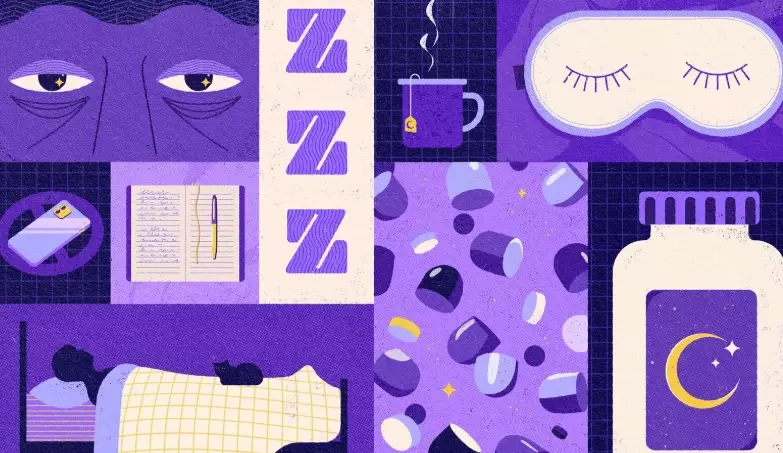
Optimizing Your Environment for Sleep Success
You can take all the right herbs and supplements, but if your bedroom is working against you, you're fighting a losing battle. This is low-hanging fruit.
- Darkness is Non-Negotiable: Even small amounts of light can suppress melatonin production (your body's own, that is). Blackout curtains are a game-changer. Cover or move any LED lights from electronics. An eye mask is a cheap and effective solution.
- Cool It Down: Your body needs to drop its core temperature to initiate sleep. Most experts recommend a bedroom temperature around 65°F (18.3°C). This was a huge one for me—turning the thermostat down and using lighter blankets made a noticeable difference.
- Sound Management: If noise is an issue, try white noise, pink noise, or brown noise machines (or apps). They mask disruptive sounds with a consistent, soothing auditory blanket.
- The 1-Hour Wind-Down: This is a behavioral/environmental hybrid. The hour before bed should be a screen-free, low-stimulation zone. Read a physical book (nothing too thrilling), listen to calm music, do gentle stretching, or journal to dump worries from your mind onto paper.
Think of your bedroom as a cave—cool, dark, quiet, and reserved for rest.
Putting It All Together: Building Your Personalized Sleep Protocol
The goal isn't to use everything at once. That's overwhelming and unnecessary. Start with one or two changes from the categories that seem most relevant to your specific sleep problem.
Example for the anxious sleeper: Passionflower or lemon balm tea + a 10-minute PMR audio guide + a worry journal by the bed.
Example for the person who can't shut off their brain: L-Theanine supplement + strict 1-hour screen curfew + 4-7-8 breathing in bed.
Example for waking up at 3 AM: Magnesium glycinate before bed + ensuring a protein-rich snack a few hours before sleep (to stabilize blood sugar) + absolute darkness in the room.
Give any change at least a week or two to see its effect. Be patient and keep a simple sleep log (just jot down bedtime, wake time, and quality) to track what's working.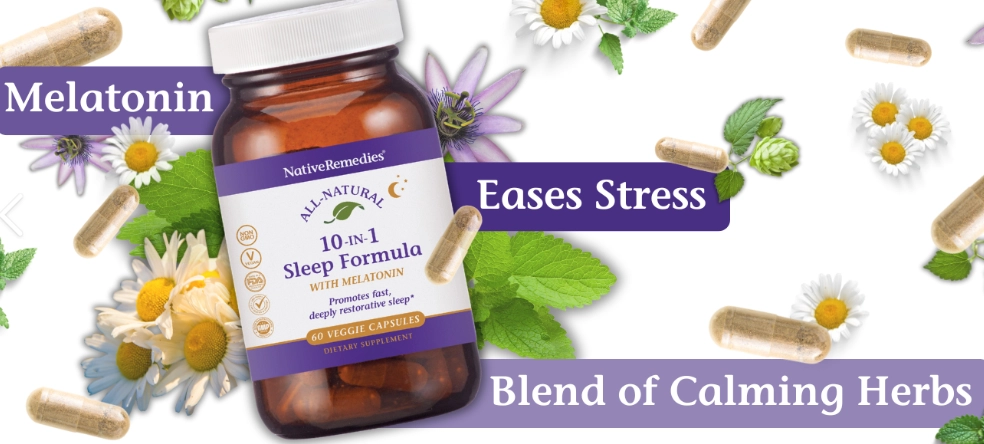
Common Questions About Natural Sleep Remedies Without Melatonin
The journey to better sleep is just that—a journey. It involves some trial and error. You might find that a simple combination of a magnesium supplement, a pitch-black room, and a consistent wind-down routine does the trick. Or you might discover that addressing sleep anxiety through CBT-I is the key that unlocks everything else.
The important thing is that you have options. Powerful, evidence-backed, natural sleep remedies without melatonin exist in abundance. They empower you to take control of your sleep by working with your body's own rhythms and addressing the root causes of your restlessness. Start small, be consistent, and be kind to yourself along the way. Sweet dreams.
Reader Comments