Your Quick Guide to Sleep Debt Recovery
- What Is Sleep Debt, Really? (It's More Than Just Feeling Tired)
- The Million-Dollar Question: How Long Does It Take to Fix Sleep Debt?
- Factors That Affect Your Sleep Debt Payback Time
- Strategies to Fix Sleep Debt Effectively (and Why They Work)
- Common Pitfalls That Slow Down Recovery (I've Made These Mistakes)
- Answers to Your Burning Questions About Fixing Sleep Debt
Let's be honest. You're here because you're tired. Not just a little sleepy, but that deep, bone-weary tiredness that coffee can't touch. You've been burning the candle at both ends for weeks, maybe months, and now you're staring at the ceiling at night or dragging yourself through the day. You want a simple answer: how long does it take to fix sleep debt? You want a number, a magic formula.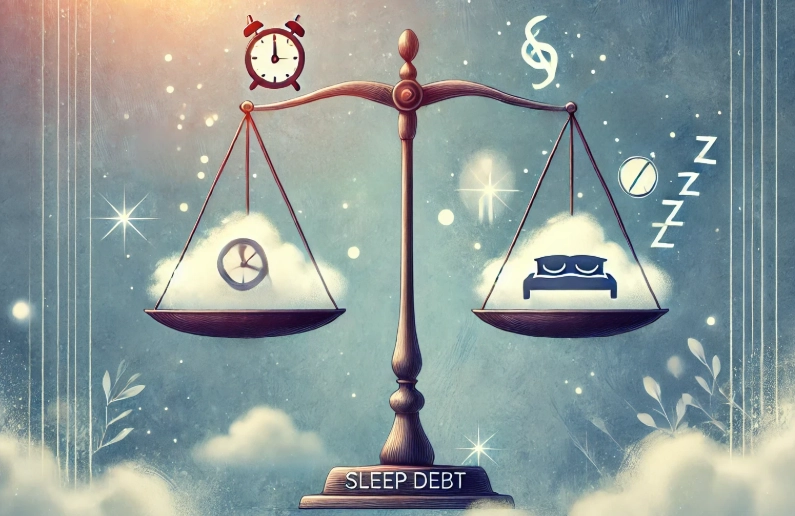
I get it. I've been there too—pulling all-nighters in college, then later with a newborn, and then during those brutal work deadlines. I thought I could just "catch up" on the weekend. Spoiler alert: it never really worked like I hoped.
The short, frustrating answer is: it depends. There's no one-size-fits-all timeline. But that's not helpful, is it? So let's dig into what sleep debt actually is, what the science says about repayment, and most importantly, what you can realistically expect. This isn't about quick fixes; it's about understanding your body and giving it what it needs to truly recover.
The Core Concept: Think of sleep debt like a financial debt. If you miss an hour of sleep, you owe your body one hour. But unlike money, the interest on sleep debt is paid in brain fog, irritability, a weakened immune system, and long-term health risks. The goal isn't just to pay back the principal; it's to get back to a stable, healthy "sleep budget."
What Is Sleep Debt, Really? (It's More Than Just Feeling Tired)
Before we can figure out how long it takes to fix it, we need to know what "it" is. Sleep debt, or sleep deficit, is the cumulative difference between the sleep you need and the sleep you actually get. If your body requires 7.5 hours to function optimally and you only get 6 hours for five nights in a row, you've built a sleep debt of 7.5 hours (1.5 hours x 5 nights).
It's sneaky. You might adapt to the feeling of being tired. Your perception of your own impairment becomes skewed. You think you're "used to it" or "functioning fine," but cognitive tests show a steady decline in performance, reaction time, and emotional regulation that mirrors being drunk. The Sleep Foundation has tons of research on this, and it's pretty sobering.
The scary part? Chronic sleep debt is linked to serious stuff—higher risks for heart disease, diabetes, obesity, and depression. This isn't just about yawning.
A Common Myth: "I can train myself to need less sleep." This is one of the most dangerous ideas out there. While a tiny percentage of people are genuine short sleepers due to genetics, the vast majority of us are deluding ourselves. You might get used to the feeling of sleep deprivation, but your body's biological needs for cellular repair, memory consolidation, and hormonal regulation don't change.
The Million-Dollar Question: How Long Does It Take to Fix Sleep Debt?
Alright, here's the breakdown. The timeline isn't linear, and it happens in phases. You don't go from zombie to perfectly rested in one long sleep (though that first long sleep will feel amazing).
The 1-Hour Rule (A Good Starting Point)
A widely cited guideline from sleep researchers is the "1-hour rule." For every hour of sleep debt you incur, it can take about 4 nights of optimal sleep to fully recover. So, if you're 10 hours in debt, you're looking at roughly 40 nights—over a month—of consistent, good sleep to fully repay it and reset your system.
See? Not a weekend project.
This rule is a helpful framework, but it's simplistic. It assumes you're perfectly healthy, young, and have no other complicating factors. For most of us in the real world, the process is messier.
A More Realistic, Phased Recovery Timeline
Let's talk about what you'll actually feel, phase by phase.
| Phase | Timeline (After Starting Recovery) | What You'll Notice | What's Happening Biologically |
|---|---|---|---|
| Initial Paydown (The "Honeymoon") | Days 1-3 | Less intense daytime sleepiness, slightly improved mood. That first 9-hour sleep feels miraculous. | Your body is addressing the most acute, immediate deficits. Adenosine (the sleep-pressure chemical) levels drop sharply. |
| Consolidation & Habit Building | Week 1 - Week 3 | Easier to fall asleep, more consistent energy. Morning grogginess decreases. This is where most people give up because they feel "better." | Your circadian rhythm starts to stabilize. Sleep architecture (time in deep sleep and REM) begins to normalize. This is the critical repair phase. |
| Deep Recovery & Full Reset | Week 4 - Several Months | Sustained energy, improved focus, better stress resilience. You realize you don't "need" caffeine to function. | Long-term systems recover: immune function optimizes, hormonal balances (like cortisol and growth hormone) restore, and cognitive deficits from long-term debt are repaired. |
So, when someone asks how long does it take to fix sleep debt, I tell them: you'll feel significantly better in a week or two, but the full biological and cognitive recovery from a substantial, chronic debt can easily take a month or longer. Be patient with your body.
Factors That Affect Your Sleep Debt Payback Time
Why does the timeline vary so much from person to person? Here are the big players:
- The Size of Your Debt: A week of late nights is easier to fix than a decade of poor sleep habits. A short-term, acute debt (like after finals week) might be cleared in a few days of dedicated sleep. Chronic, long-term debt is a much deeper hole.
- Your Age: Sorry to say it, but recovery gets slower as we get older. Sleep becomes more fragile, and the body's regenerative capacity isn't what it was at 20. The National Institute on Aging notes these changes, emphasizing the need for consistency.
- Your Overall Health: Underlying conditions like sleep apnea, anxiety, chronic pain, or even nutrient deficiencies (like low iron or vitamin D) can sabotage your recovery efforts. You can't pay down the debt if there's a leak in your sleep system. Addressing these is non-negotiable.
- Your Sleep Hygiene & Consistency: This is the biggest factor you can control. Are you going to bed and waking up at wildly different times? Are you on your phone in bed? Inconsistent habits mean you're taking one step forward and two steps back every few days.
- Stress Levels: High cortisol = bad sleep. It's that simple. If you're trying to recover sleep while your life is a constant stress-fest, you're fighting an uphill battle.
Strategies to Fix Sleep Debt Effectively (and Why They Work)
Knowing the timeline is one thing. Knowing how to navigate it is another. Throwing more hours at the problem haphazardly isn't the most efficient strategy. Here’s a better playbook.
1. Calculate Your Personal Sleep Need (Forget the 8-Hour Myth)
First, find your baseline. On vacation, with no alarm, when do you naturally wake up feeling refreshed? Do this for a week. The average is your true sleep need. It might be 7 hours, it might be 9. Mine is about 7 hours 45 minutes. Knowing this number tells you what "debt-free" looks like for you.
2. Use Strategic Napping (The Right Way)
Naps can be a powerful tool for paying down acute sleep debt, but they can also ruin nighttime sleep if done wrong.
- The Power Nap: 20-30 minutes, before 3 PM. This can boost alertness without causing sleep inertia (that groggy feeling) or interfering with night sleep.
- The Avoid List: Long naps (over 60 minutes), late naps (after 4 PM). These can steal from your sleep drive and make it harder to fall asleep at night, derailing your recovery.
The CDC's sleep hygiene tips generally advise caution with napping for this reason, especially if you have insomnia.
3. Prioritize Sleep Consistency Over Sleep Duration (At First)
This is counterintuitive but critical. Going to bed and waking up at the same time every single day (yes, weekends) is more important for regulating your circadian rhythm than occasionally sleeping in. A consistent schedule tells your body when to release melatonin and when to ramp up cortisol. It builds a reliable structure for sleep to happen.
Once the rhythm is solid, extending your sleep within that window becomes easier and more effective.
Pro Tip: If you need to pay down debt, add time to your sleep window by going to bed 15-30 minutes earlier, not by sleeping in later. Sleeping in disrupts the wake-time consistency that anchors your rhythm.
4. Create a Ritual, Not Just a Routine
A "routine" is a checklist. A "ritual" is a wind-down process that signals safety to your nervous system. Dim lights 60 minutes before bed. Read a physical book (not a tablet). Take a warm shower (the drop in body temperature afterwards promotes sleep). Do some gentle stretching or breathing exercises. I listen to the same, boring audiobook every night. It tells my brain, "Okay, shut-down time."
5. Address the Environment
Is your room cool (around 65°F or 18°C)? Is it really dark (blackout curtains, no LED lights from chargers)? Is it quiet (or do you have a white noise machine)? Is your mattress supportive? These aren't luxuries; they're tools for recovery. You wouldn't try to pay off a financial debt while someone keeps stealing money from your wallet.
Think about it.
Common Pitfalls That Slow Down Recovery (I've Made These Mistakes)
Let's be real, the path to fixing sleep debt is littered with good intentions gone wrong. Avoid these traps.
- The "Weekend Binge" Fallacy: Sleeping until noon on Saturday feels great, but it's like eating a giant salad after a week of junk food—it helps, but it doesn't erase the damage. It also gives you "social jet lag," making Monday morning hell and resetting your internal clock. It sets you back.
- Over-Reliance on Sleep Trackers: These can cause orthosomnia—an unhealthy obsession with perfect sleep data. Stressing over your "low deep sleep score" will ironically give you worse sleep. Use them as a general guide, not a gospel.
- Using Alcohol as a Sleep Aid: Alcohol might help you fall asleep faster, but it absolutely devastates your sleep architecture. It suppresses REM sleep, the crucial phase for memory and mood regulation. You wake up unrefreshed. It's like paying your debt with counterfeit money.
- Ignoring Daytime Habits: What you do all day matters. Lack of daylight exposure, zero physical activity, and heavy meals too late all tell your body the wrong time of day and disrupt sleep pressure.
Answers to Your Burning Questions About Fixing Sleep Debt
You've probably got more questions. Here are the ones I get asked all the time.
Can sleep debt ever be fully repaid, or is some damage permanent?
For most people, the functional deficits of sleep debt—the brain fog, slow reaction time, irritability—are fully reversible with sustained good sleep. The body is remarkably resilient. However, some research suggests that extremely chronic, severe sleep deprivation might have longer-lasting or even permanent effects on certain brain functions. The key is to not let it get to that point. Start your recovery now.
How do I know if I have sleep debt vs. a sleep disorder?
This is a crucial distinction. If you've been prioritizing sleep (consistent schedule, good environment) for a month and still feel exhausted, it's time to see a doctor. Signs of a disorder like sleep apnea include loud snoring, gasping for air at night, and excessive daytime sleepiness despite long hours in bed. Insomnia involves persistent difficulty falling or staying asleep. A sleep specialist can run tests. Don't self-diagnose a debt problem when it might be a medical one.
Is it possible to "pre-pay" sleep debt before a busy period?
Not really. Sleep doesn't work like a battery you can charge in advance. You can't bank sleep for later. However, you can go into a demanding period well-rested and with a strong, stable circadian rhythm, which will make you more resilient to the sleep loss. So, while you can't pre-pay, you can fortify your defenses.
What's the single most important thing I can do to start fixing my sleep debt today?
Pick a wake-up time. Just one time. A time you can realistically stick to seven days a week. Set an alarm for that time tomorrow and get up, no matter how little you slept. Then, get bright light (sunlight is best) within 30 minutes of waking. This one action—consistent wake time + morning light—is the most powerful signal you can send to your master body clock. It's the foundation everything else is built on.
So, how long does it take to fix sleep debt? You now know it's a journey, not a sprint. It might take a few weeks to stop feeling like a zombie, and a few months to feel truly restored if your debt is large. But every single night of good, consistent sleep is a payment towards a healthier, sharper, and more resilient you. The interest you earn on that investment is a better life.
Start tonight. Not with a dramatic 10-hour goal, but with getting into bed 20 minutes earlier than usual. That's how you begin.
Reader Comments