You’re staring at the ceiling again. The clock says 2:47 AM, and your mind is racing about tomorrow’s meeting, that awkward conversation, or nothing at all. You know you need sleep, but it feels completely out of reach. Before you reach for another sleeping pill, let’s talk about home remedies for insomnia. These aren’t just old wives’ tales—they’re practical, natural strategies backed by logic and often, science, that can help you reset your sleep without a prescription. I’ve spent years piecing this together, both from research and from my own frustrating battles with sleep. The key isn’t one magic trick, but building a toolkit of habits that tell your brain it’s safe to shut down.
In This Article
- The Non-Negotiable Foundation: Sleep Hygiene
- Your Wind-Down Toolkit: Relaxation Techniques That Work
- Kitchen Cabinet Helpers: Natural Sleep Aids and Herbs
- Making It Stick: How to Build a Lasting Sleep Habit
- What Most People Get Wrong (And How to Fix It)
- Your Insomnia Home Remedies Questions Answered
The Non-Negotiable Foundation: Sleep Hygiene
Think of sleep hygiene as the basic operating system for your sleep. If it’s buggy, no fancy app (or herbal tea) will run properly. Most people mess this up by being inconsistent. They sleep in on weekends, then wonder why they can’t fall asleep on Sunday night.
Your body craves a predictable schedule. Going to bed and waking up at roughly the same time every day—yes, even on weekends—sets your internal clock. This is more powerful than people give it credit for.
Then there’s your bedroom. It should be a cave. Cool, around 65°F (18°C), pitch dark, and quiet. I mean dark. Cover those LED lights from electronics. Use blackout curtains. If you can’t control noise, try a simple fan or a white noise machine—though I’ll share a personal caveat about those later.
The hour before bed is a critical wind-down zone. This is where you ditch the screens. The blue light from your phone, tablet, or TV suppresses melatonin, the hormone that makes you sleepy. It’s not just the light; it’s the content. Scrolling through stressful news or work emails tells your brain it’s time to be alert, not to rest.
Your Wind-Down Toolkit: Relaxation Techniques That Work
When your body is tense and your mind is chattering, sleep is impossible. These techniques are about shifting your nervous system from “fight or flight” to “rest and digest.”
Breathing Your Way to Sleep: The 4-7-8 Method
This one is deceptively simple. Breathe in quietly through your nose for 4 seconds. Hold your breath for 7 seconds. Exhale slowly through your mouth for 8 seconds, making a gentle “whoosh” sound. Repeat 3-4 times.
Why it works: It forces your heart rate to slow down and increases oxygen saturation in your blood, which has a direct calming effect. It gives your mind a simple, repetitive task to focus on, pulling it away from anxious thoughts.
Progressive Muscle Relaxation (PMR) – Not Just for Athletes
Lie in bed. Starting with your toes, tense all the muscles as tightly as you can for 5 seconds. Then, completely release them for 30 seconds, noticing the feeling of heaviness and warmth. Work your way up: calves, thighs, abdomen, hands, arms, shoulders, neck, face.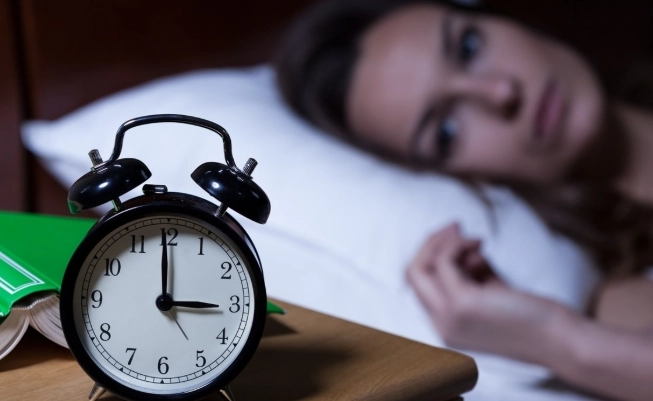
The mistake people make is rushing through the release. The power is in the contrast. That deep release signals your brain that it’s time for total body relaxation.
The “Brain Dump” Journal
If your mind is a browser with 50 tabs open, this is how you close them. Keep a notebook by your bed. 30-60 minutes before sleep, write down everything on your mind. Tomorrow’s to-do list, worries, ideas, random thoughts. Get it all out on paper. The act of writing it down externalizes the thought, telling your brain, “It’s captured, you don’t need to hold onto it tonight.”
Kitchen Cabinet Helpers: Natural Sleep Aids and Herbs
These are the supportive players, not the stars. They work best when combined with the foundation and relaxation techniques above.
Chamomile Tea: The classic for a reason. It contains apigenin, an antioxidant that binds to certain receptors in your brain that may promote sleepiness and reduce anxiety. Brew a strong cup (use two tea bags) about 45 minutes before bed. The ritual of making tea is itself a wind-down signal.
Valerian Root: This herb has a stronger, more direct sedative effect. Studies, like those referenced by the National Center for Complementary and Integrative Health (NCCIH), show mixed but promising results for improving sleep quality. The catch? It smells like old socks. It works best taken consistently over a few weeks, not as a one-off. Start with a low dose in capsule or tincture form.
Tart Cherry Juice: A natural source of melatonin. A small glass (about 8 oz) of unsweetened tart cherry juice in the evening can give your body’s own melatonin production a nudge. Don’t overdo it—it’s still sugar.
Magnesium Glycinate: This is my personal favorite. Magnesium is a mineral involved in hundreds of bodily processes, including regulating neurotransmitters that calm the nervous system. The glycinate form is highly absorbable and gentle on the stomach. 200-400 mg about an hour before bed can ease muscle tension and quiet a busy mind. It’s not a sedative; it’s more like filling a nutritional tank that’s often low in people under stress.
Lavender: The scent has clinically demonstrated anxiolytic (anxiety-reducing) effects. You can use a few drops of essential oil in a diffuser, sprinkle dried lavender in a sachet near your pillow, or even take a lavender-based supplement like Silexan, which has been studied for its sleep benefits.
Making It Stick: How to Build a Lasting Sleep Habit
Knowing the remedies is one thing. Doing them consistently is another. The biggest hurdle is expecting immediate perfection.
Don’t try to implement all of this tonight. You’ll burn out. Pick one thing from the sleep hygiene list (maybe a consistent wake-up time) and one relaxation technique (like the 4-7-8 breathing). Do just those for a week. When they feel automatic, add one more element, like a cup of chamomile tea.
Track it loosely. You don’t need a fancy app. A simple checkmark on a calendar for “in bed by 11 PM” or “did PMR” creates visual reinforcement and makes your progress tangible.
Be kind to yourself when you slip up. A bad night isn’t a failure; it’s data. What was different? Did you have coffee too late? Did you work right up until bed? Adjust and move on.
What Most People Get Wrong (And How to Fix It)
After talking to countless people about sleep, I see the same subtle errors again and again.
The “I’ll Just Lie Here” Trap: If you’ve been in bed for 20-30 minutes and are wide awake, get up. Go to another dimly lit room and do something boring (read a physical book, listen to calm music, fold laundry). Return to bed only when you feel sleepy. This breaks the association between your bed and anxiety/alertness. It’s hard to do, but it’s one of the most effective behavioral fixes for insomnia.
Over-Reliance on White Noise: This is my non-consensus point. White noise can be a great masker for external sounds. But for some people—myself included—it becomes a crutch. Your brain can start to depend on that specific sound to initiate sleep. If the power goes out or you travel, you’re stuck. It’s better to aim for true silence or use it intermittently, not as a nightly requirement.
Mistaking Fatigue for Sleepiness: You can be exhausted from a long day but not sleepy. Sleepiness is the feeling that you could actually nod off. Pushing yourself into bed when you’re just fatigued but mentally wired often leads to frustration. Do a relaxing activity first to bridge that gap.
Reader Comments