Quick Navigation
You know the feeling. The alarm blares, you drag yourself out of bed after what felt like a solid night's sleep—maybe even a full eight hours—and yet, you're utterly drained. Your body feels heavy, your brain is foggy, and the thought of facing the day is overwhelming. It's frustrating, right? You did the "right" thing. You got the magic number of hours. So why do I feel so exhausted after 8 hours of sleep? That's the million-dollar question we're going to unpack today. This isn't about quick fixes or weird hacks; it's about understanding the complex machinery of sleep and why the simple metric of time in bed often tells us very little.
I've been there myself. For months, I was convinced I had some mysterious illness because no amount of sleep seemed to help. I'd go to bed at 10, wake up at 6, and still need three coffees to function. It turns out, I was looking at it all wrong. Sleep is about quality, not just quantity. And quality can be ruined by a dozen different things you might never have considered. Let's dive into the real reasons behind that persistent morning fatigue.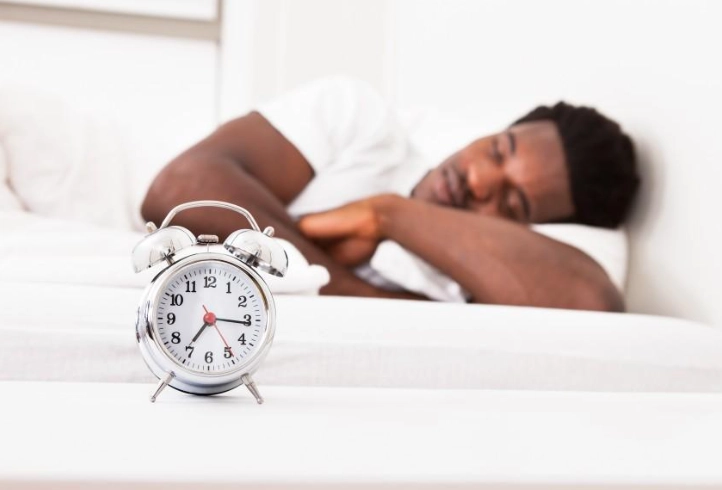
Core Idea: Feeling exhausted after 8 hours of sleep is a clear signal that your sleep architecture—the structure and quality of your sleep—is compromised. It means you're spending time in bed, but you're not getting the restorative deep sleep and REM sleep your brain and body desperately need to repair and recharge.
The Big Three: Sleep Quality, Disorders, and Your Body's Clock
When people ask "why do I feel so exhausted after 8 hours of sleep?", they're usually missing three major pieces of the puzzle. We fixate on the number, but that's just the container. What's inside the container matters so much more.
1. The Myth of the 8-Hour Mandate and Sleep Architecture
First off, let's bust a myth. Eight hours is an average, not a rule. Some people genuinely need nine. Others thrive on seven. The real magic happens in the cycles. Throughout the night, you cycle through different stages of sleep: light sleep, deep sleep (slow-wave sleep), and REM (rapid eye movement) sleep. Deep sleep is for physical restoration—tissue repair, immune function. REM sleep is for mental restoration—memory consolidation, learning, mood regulation.
If your sleep is fragmented or shallow, you might be missing out on these crucial stages. You could be in bed for eight hours but only get minutes of deep sleep. Think of it like sitting at a banquet for eight hours but only being allowed to eat breadsticks. You put in the time, but you're not getting the nutrients. Factors that wreck sleep architecture include:
- Frequent awakenings: From a noisy environment, a restless partner, or a pet.
- Blue light exposure before bed: Screens trick your brain into thinking it's daytime, suppressing melatonin.
- Alcohol consumption: A nightcap might make you drowsy, but it severely fragments the second half of your sleep, obliterating REM sleep. This is a huge one that many people overlook.
- An uncomfortable sleep environment: A room that's too hot, a mattress that's past its prime, or a pillow that doesn't support your neck.
I used to have a terrible habit of scrolling through my phone in bed. I'd tell myself it was just for 10 minutes, but it always turned into 40. The result? I'd wake up feeling like I'd been hit by a truck, even after a long sleep. Cutting out screens 90 minutes before bed was a game-changer. It wasn't easy, but the difference in how I felt in the morning was stark.
2. Hidden Sleep Disorders That Steal Your Energy
This is a critical area. You can have the best sleep hygiene in the world, but an underlying disorder will sabotage you every time. The scary part is, you might not even know you have one.
Sleep Apnea: This is the classic culprit for unrefreshing sleep. Your airway partially or completely collapses during sleep, causing you to stop breathing for short periods. Your brain has to briefly wake you up to restart breathing—sometimes hundreds of times a night. You rarely remember these micro-arousals, but they completely prevent you from reaching sustained deep sleep. Common signs include loud snoring, gasping for air at night, and morning headaches. Your bed partner might notice the pauses in breathing before you do. The American Academy of Sleep Medicine provides extensive resources on diagnosing and treating sleep apnea.
Restless Legs Syndrome (RLS): An irresistible urge to move your legs, usually accompanied by uncomfortable sensations. It typically strikes in the evening when you're trying to relax, making it hard to fall asleep and causing frequent awakenings.
Periodic Limb Movement Disorder (PLMD): Involuntary leg (or sometimes arm) jerks or twitches during sleep. Like sleep apnea, these movements cause micro-arousals that fragment your sleep without you being consciously aware of them.
If you consistently ask yourself "why do I feel so exhausted after 8 hours of sleep?" and you snore or have a partner who notices strange movements, talking to a doctor about a sleep study is a non-negotiable next step.
Warning Sign: If your fatigue is accompanied by loud snoring, witnessed pauses in breathing, or excessive daytime sleepiness where you fall asleep in inappropriate situations (like in meetings or while driving), please consult a healthcare professional. This could be obstructive sleep apnea, a serious medical condition.
3. Circadian Rhythm Disruption: Being Out of Sync
Your body has a master clock in your brain (the suprachiasmatic nucleus, if you want the fancy term) that runs on a roughly 24-hour cycle. This circadian rhythm dictates when you feel alert and when you feel sleepy. It's influenced primarily by light. When this rhythm is off, you can sleep for eight hours at the wrong time and still feel awful.
Social Jet Lag: This is my personal nemesis. You go to bed late and sleep in on weekends, then try to crash early on Sunday for the work week. You've effectively given yourself jet lag without leaving your timezone. Your body's clock is confused.
Shift Work: Working nights or rotating shifts directly fights your natural biology.
Poor Light Exposure: Not getting enough bright, natural light in the morning (which sets your clock) and getting too much artificial light at night (which delays it).
Sleeping out of sync with your circadian rhythm often results in lighter, more fragmented sleep, even if the duration is technically sufficient. You're fighting your own physiology.
So, it's not just about being in bed. It's about what happens while you're there.
Beyond Sleep: The Lifestyle and Health Factors You Can't Ignore
Sometimes, the answer to "why do I feel so exhausted after 8 hours of sleep?" has nothing to do with sleep itself. Your waking life bleeds into your sleeping life. Here are the major players.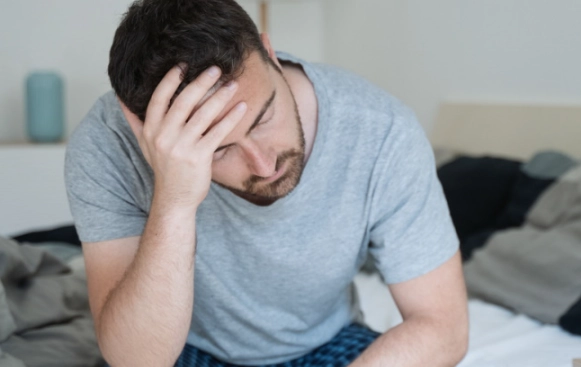
Diet, Hydration, and Exercise
What you do during the day sets the stage for the night.
Diet: Eating a large, heavy, or spicy meal too close to bedtime forces your digestive system to work overtime when it should be winding down. This can cause discomfort, acid reflux, and elevated body temperature—all enemies of good sleep. Blood sugar swings are another sneaky culprit. A diet high in refined sugars and carbs can lead to a blood sugar crash in the middle of the night, triggering a stress response (cortisol release) that can wake you up.
Hydration: Both dehydration and over-hydration can be problems. Dehydration can cause headaches and muscle cramps that disrupt sleep. Chugging a huge glass of water right before bed guarantees a trip to the bathroom at 3 AM, fragmenting your sleep cycle.
Exercise: Regular exercise is fantastic for sleep quality—it deepens your slow-wave sleep. But timing matters. Intense exercise too close to bedtime can be over-stimulating for some people, raising core body temperature and adrenaline levels. A calming routine like yoga or stretching is better in the evening.
Mental Health: The Anxiety and Depression Link
Your mind and your sleep are in a two-way relationship. Poor sleep worsens mood, and poor mood wrecks sleep. It's a vicious cycle.
Anxiety and Rumination: Lying in bed with a racing mind is a surefire way to get poor-quality sleep. Even if you eventually fall asleep, the stress hormones coursing through your system can keep you in the lighter stages of sleep. You might also experience "catastrophic waking"—snapping awake in the early hours with a sense of dread, your mind immediately spinning on worries.
Depression: Often associated with changes in sleep architecture. Some people with depression sleep excessively but still feel tired (hypersomnia). Others have early morning awakening. Depression can specifically reduce the amount of slow-wave deep sleep. The National Institute of Mental Health details the strong bidirectional link between sleep disturbances and depressive disorders.
Addressing underlying stress, anxiety, or depression through therapy (like CBT-I, which is Cognitive Behavioral Therapy for Insomnia), mindfulness, or other means is often essential to fixing sleep.
Medical Conditions and Medications
Chronic fatigue can be a symptom of numerous medical conditions. If your exhaustion is profound and persistent, a medical check-up is crucial.
- Thyroid Issues: Both an underactive (hypothyroidism) and overactive (hyperthyroidism) thyroid can cause severe fatigue.
- Iron Deficiency Anemia: Low iron means less oxygen is carried to your tissues, leading to overwhelming tiredness.
- Chronic Fatigue Syndrome/Myalgic Encephalomyelitis (CFS/ME): Characterized by extreme fatigue that isn't improved by rest and is worsened by activity.
- Autoimmune Diseases: Conditions like lupus or rheumatoid arthritis often come with debilitating fatigue.
- Medications: Many common medications list fatigue or sleep disturbances as side effects. These include some blood pressure meds, antihistamines (especially older ones), antidepressants, and corticosteroids. Always review your medications with your doctor or pharmacist.
Pro Tip: Start a "Sleep & Energy Journal" for two weeks. Track your sleep times, how you felt waking up, diet, exercise, stress levels, and any medications. Patterns will emerge that you'd never see otherwise. It's the first thing many sleep specialists will ask you to do.
A Practical Action Plan: From Investigation to Solution
Okay, so we've covered the "why." Now what? Feeling overwhelmed by the possibilities is normal. Don't try to fix everything at once. Here’s a structured, tiered approach to diagnosing and solving your exhaustion.
First Line of Defense: Optimize Your Sleep Hygiene
This is the foundation. You have to get this right before anything else can work. It's boring but essential.
| Area | What to Do | Why It Matters |
|---|---|---|
| Environment | Make your bedroom cool (around 65°F/18°C), dark (blackout curtains), and quiet (earplugs/white noise). Your bed is for sleep and intimacy only. | Signals to your brain that this is a place for rest. Coolness aids the natural drop in core temperature needed for sleep. |
| Light | Get bright light exposure first thing in the morning. Dim lights and avoid screens 60-90 mins before bed. Consider blue light-blocking glasses in the evening. | Morning light anchors your circadian rhythm. Evening darkness allows melatonin to rise naturally. |
| Routine | Go to bed and wake up at the same time every day, even on weekends. Yes, even on Saturdays. | This is the single most powerful tool to regulate your circadian rhythm and beat social jet lag. |
| Food & Drink | Avoid large meals, caffeine (after 2 PM for many), and alcohol within 3 hours of bedtime. Stay hydrated earlier in the day. | Prevents digestive disruption, caffeine-induced alertness, and alcohol-induced sleep fragmentation. |
| Wind-Down | Create a 30-60 minute buffer zone before bed. Read a physical book, take a warm bath, do light stretching, practice meditation or deep breathing. | Activates the parasympathetic nervous system ("rest and digest") and tells your body it's safe to shut down. |
Stick with these changes for a solid month before you decide they don't work. Consistency is key.
When to Seek Professional Help (And What to Ask)
If you've diligently worked on sleep hygiene for 4-6 weeks and are still constantly asking "why do I feel so exhausted after 8 hours of sleep?", it's time to bring in the experts.
- Start with Your Primary Care Physician (PCP): Bring your sleep journal. Describe your symptoms precisely. "I'm in bed for 8 hours but wake up feeling unrefreshed, with brain fog and low energy all day." Request basic blood work to rule out anemia, thyroid issues, vitamin deficiencies (like B12 or Vitamin D), and diabetes.
- Ask for a Referral to a Sleep Specialist: If your PCP finds nothing, or if you have symptoms of sleep apnea (snoring, gasping), insist on a sleep medicine referral. A sleep specialist is a doctor board-certified in sleep medicine.
- Consider a Sleep Study: The gold standard for diagnosing sleep apnea, PLMD, and other disorders is an overnight sleep study (polysomnography). It's not as scary as it sounds—they wire you up to monitor brain waves, breathing, heart rate, and limb movements. Home sleep apnea tests are also an option for initial screening.
- Mental Health Support: If anxiety or low mood is a dominant theme, a therapist, particularly one trained in CBT-I or general CBT, can be transformative. The CDC's Sleep and Sleep Disorders page reinforces the importance of addressing mental health as part of sleep hygiene.
Don't let a dismissive doctor tell you "it's just stress" if you know something is wrong. Be your own advocate.
Persistence pays off. Finding the root cause is detective work.
Common Questions Answered (The Stuff You're Actually Searching For)
- Undiagnosed Sleep Disorder: Some disorders, like Upper Airway Resistance Syndrome (a precursor to sleep apnea) or a subtle form of PLMD, might be missed on a basic screening.
- Chronic Stress/Burnout: Your nervous system may be stuck in a constant low-grade "fight or flight" mode, preventing true physiological rest, even during sleep. This is where practices like yoga nidra, long-term therapy, or a significant lifestyle change might be needed.
- Dietary Sensitivities: Non-celiac gluten sensitivity or other food intolerances can cause systemic inflammation and fatigue.
Ultimately, the journey to answer "why do I feel so exhausted after 8 hours of sleep?" is personal. It requires patience, self-observation, and sometimes professional guidance. But the reward—waking up feeling genuinely restored—is worth every bit of the effort. Stop blaming yourself for being lazy or weak. Your body is giving you a signal. It's time to start listening to it and methodically tracking down the cause.
Reader Comments