You clock in your eight hours, but you still wake up feeling like you've been hit by a truck. Sound familiar? The problem might not be the quantity of your sleep, but the quality—specifically, a severe lack of deep sleep. This isn't just about feeling groggy. Chronic deep sleep deprivation rewires your brain and body for the worse, leading to a cascade of issues that doctors often misdiagnose. I've spent years helping people fix their sleep, and the pattern is always the same: they're treating the symptoms (like anxiety or brain fog) without addressing the root cause.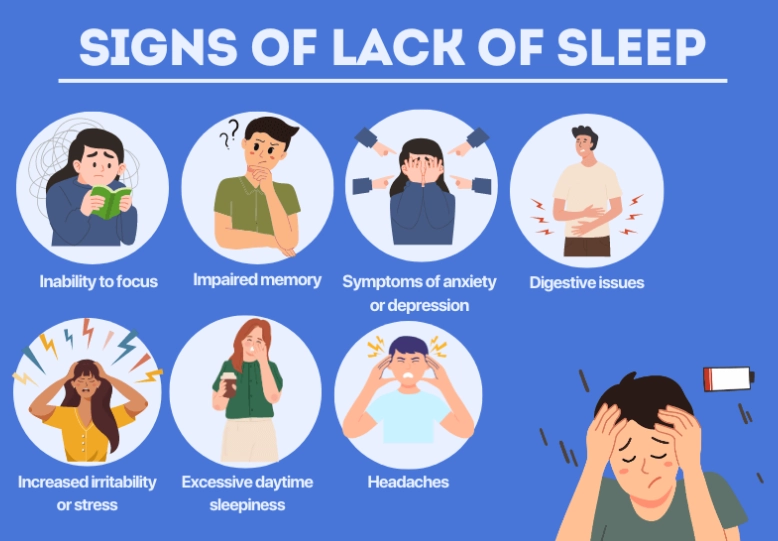
Let's cut to the chase. If you're not getting enough deep sleep (also called slow-wave sleep), your body misses its most critical nightly repair session. This stage is when growth hormone releases, memories consolidate, and your immune system gets a major tune-up. Skip it, and everything starts to fray.
Quick Navigation: What's Inside
The 10-Point Deep Sleep Deprivation Checklist
Don't just guess. See how many of these resonate with you. Most people with impaired deep sleep will tick off at least four or five.
| Symptom | What It Feels Like | The Science Behind It |
|---|---|---|
| 1. Persistent Brain Fog | You can't think straight. Simple decisions feel overwhelming, names escape you, and focusing on a task for more than 20 minutes is a struggle. It's not just tiredness; it's a muddy, slow mental process. | Deep sleep is crucial for clearing metabolic waste from the brain, including beta-amyloid (linked to Alzheimer's). Without it, this "brain detergent" process falters, leading to cognitive slowdown. Research from Boston College highlights this clear link. |
| 2. Waking Up Unrefreshed | The classic sign. You sleep, but you don't feel restored. It's like your battery only charged to 30% overnight, no matter how long you were in bed. | Deep sleep is the most physically restorative phase. This is when tissue repair, muscle growth, and energy restoration peak. Miss it, and your body simply doesn't complete its nightly maintenance. |
| 3. Increased Pain Sensitivity | Aches and pains you could ignore before now dominate. Old injuries flare up, or you develop new, unexplained muscle soreness and joint stiffness. | Deep sleep modulates the central nervous system's pain perception pathways. A study published in the Journal of Neuroscience found that losing deep sleep specifically lowers your pain threshold, making you more sensitive to discomfort. |
| 4. Intense Sugar & Carb Cravings | You're ravenous for donuts, bread, and candy by mid-afternoon. Willpower flies out the window. This isn't just a lack of discipline; it's a hormonal hijacking. | Sleep deprivation, particularly of deep sleep, wreaks havoc on leptin and ghrelin—your hunger hormones. It also impairs insulin sensitivity, so your body struggles to use the energy from food, leaving you craving quick, sugary hits. |
| 5. Getting Sick More Often | You catch every cold that goes around the office. Minor cuts take forever to heal. Your body seems to have lost its resilience. | This is a direct one. Cytokines, the proteins that help your immune system fight infection, are produced and released during deep sleep. Skimp on it, and you're literally disarming your body's defenses. The National Sleep Foundation has extensive resources on this connection. |
| 6. Emotional Volatility | You're irritable, quick to anger, or inexplicably tearful. Small stressors feel like major crises. Your emotional reactions are out of proportion. | The amygdala—your brain's emotional center—goes into overdrive without deep sleep. Meanwhile, the prefrontal cortex, which regulates those emotions, becomes less active. It's like having a loud alarm with a broken off switch. |
| 7. Poor Balance & Coordination | You find yourself bumping into doorways, dropping things more, or feeling slightly unsteady on your feet. It's a subtle but noticeable clumsiness. | Motor skill consolidation happens during deep sleep. Your brain rehearses and strengthens neural pathways for physical tasks. Without this phase, your fine and gross motor skills get sloppy. |
| 8. High Blood Pressure | You might not feel this one, but your doctor may note it. Even if you're otherwise healthy, poor deep sleep can keep your blood pressure elevated. | Deep sleep is when your heart rate and blood pressure naturally dip, giving your cardiovascular system a break. Without this nocturnal drop, your system is under constant strain. |
| 9. Memory Gaps | You forget conversations, where you put your keys, or what you walked into a room to do. It's more than simple forgetfulness; it's like parts of your day didn't get saved. | This is Deep Sleep 101. During this stage, your brain transfers short-term memories from the hippocampus to the long-term storage of the neocortex—a process called memory consolidation. No deep sleep, no transfer. The memories essentially get lost. |
| 10. Anxiety Upon Waking | You jolt awake with a sense of dread or racing thoughts, even if there's no obvious stressor. The morning feels heavy from the moment you open your eyes. | This is a huge one people miss. Without the calming, restorative effect of deep sleep, your body's stress response system (the HPA axis) remains in a heightened state. You're literally starting the day in fight-or-flight mode. |
See yourself in a few of those? You're not alone. The mistake most people make is treating these as separate issues—taking painkillers for the aches, drinking more coffee for the brain fog. That's like putting bandaids on a broken leg. You have to fix the sleep architecture itself.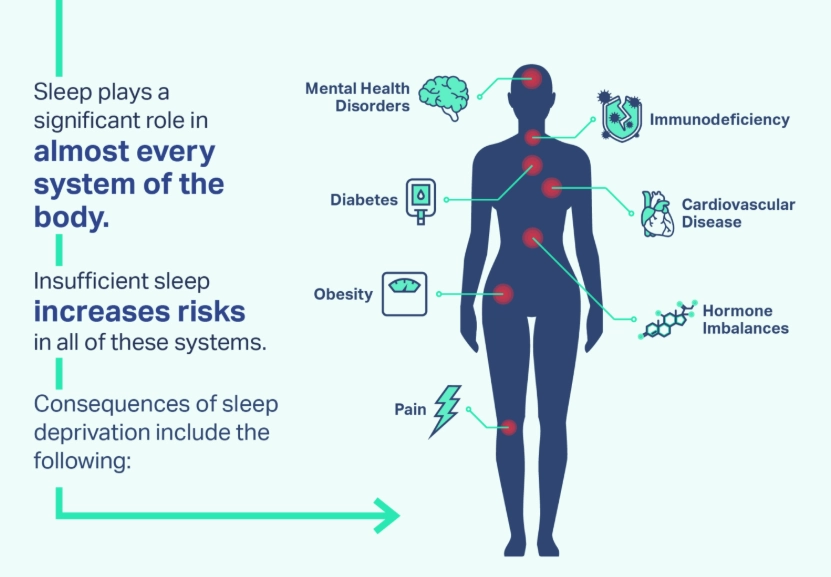
Why Your Brain and Body Fight for Deep Sleep
Think of your sleep in cycles, each about 90 minutes long. Early in the night, your cycles are dominated by deep sleep. As the night goes on, you get more REM (dream) sleep. This is why the first 4 hours of sleep are often considered the most restorative—they're packed with slow-wave activity.
But here's the kicker: your brain prioritizes deep sleep above all else. If you short-change your sleep duration, your body will sacrifice REM sleep first to protect deep sleep time. That's how essential it is. However, if your sleep is fragmented (waking up multiple times) or of poor quality due to environment or habits, even that prioritized deep sleep gets chopped up and rendered ineffective.
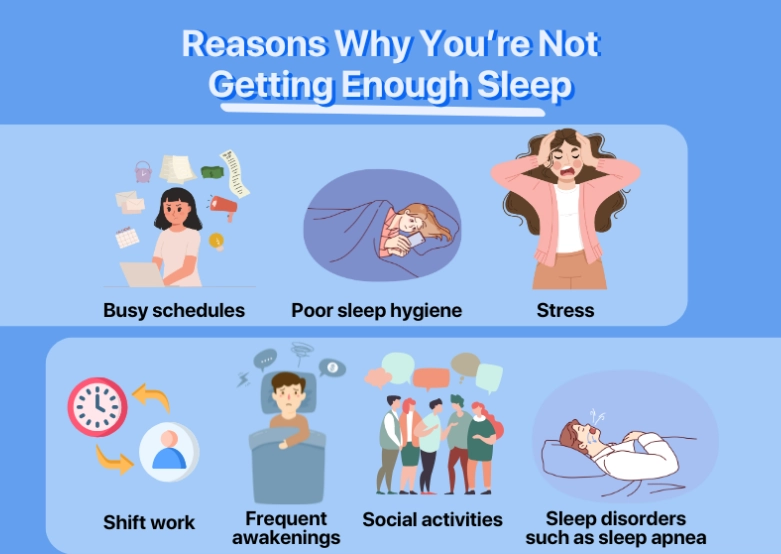
What kills deep sleep? It's usually a combination of factors: chronic stress (cortisol is a deep-sleep killer), an irregular sleep schedule, sleeping in a room that's too warm, evening alcohol consumption (it sedates you but ruins sleep architecture), and even certain medications.
How to Steal Back Your Deep Sleep: An Action Plan
You can't just "try harder" to sleep deeply. You have to create the conditions for it. This isn't about one magic trick; it's about stacking several small, powerful habits.
Fix Your Sleep Environment First
This is non-negotiable and often the lowest-hanging fruit. Your bedroom must be a cave.
Cool it down. The optimal temperature for deep sleep is between 60-67°F (15.5-19.5°C). Your core body temperature needs to drop to initiate and maintain deep sleep. A hot room prevents that drop. If you can't control the thermostat, use lighter bedding and moisture-wicking pajamas.
Blackout the light. And I mean pitch black. Even the tiny standby light from your charger can subtly inhibit melatonin and disrupt sleep depth. Use blackout curtains or a good sleep mask. Don't just rely on closing your eyes; light perceived through your eyelids still signals your brain.
Drown out the noise. Sudden noises—a car door slamming, a partner snoring—can pull you out of deep sleep without you fully waking up. A white noise machine or a fan is a simple, game-changing fix. It creates a consistent auditory blanket that masks disruptions.
Master the 90-Minute Wind-Down
Your brain needs a runway. You can't sprint at full speed and then expect to instantly fall into profound sleep.
Start your wind-down 90 minutes before your target bedtime. This isn't just about "no screens" (though that's part of it). It's about actively lowering your nervous system arousal.
Here's what that looks like: Dim the lights in your house. Stop work and stressful conversations. Take a warm (not hot) bath or shower—the rise and subsequent fall in body temperature promotes sleepiness. Then, do something calming under soft light: read a physical book (not a thriller!), listen to calm music, or practice gentle stretching. The goal is to tell your body, "The day is over. It's safe to repair now."
Rethink Your Evening Routine
Some common advice is wrong. Let's be specific.
Caffeine's long shadow: That 3 PM coffee? Its half-life is 5-6 hours. For some people, it can still be significantly disrupting sleep architecture 10 hours later. Try cutting off caffeine by noon. You might be shocked.
The alcohol illusion: Alcohol is a sedative, not a sleep aid. It may help you fall asleep faster, but it absolutely fragments the second half of your night, destroying deep and REM sleep. It's one of the most reliable ways to guarantee you'll wake up unrefreshed.
Late eating: A heavy meal right before bed forces your digestive system to work, raising your core temperature and potentially causing discomfort. Finish eating 2-3 hours before bed. If you need a small snack, make it something with tryptophan (like a banana or a few almonds) and complex carbs.
Consistency is king. Going to bed and waking up at roughly the same time every day—even on weekends—trains your internal clock (circadian rhythm) to expect and prepare for deep sleep at the right time. This single habit often yields the biggest improvement.
Your Deep Sleep Questions, Answered
Can you "catch up" on deep sleep over the weekend?
Not really, and this is a dangerous myth. While you may get a longer period of deep sleep after severe deprivation (called "rebound deep sleep"), it doesn't fully reverse the cognitive and physiological deficits accumulated over the week. The damage from fragmented deep sleep, like impaired memory consolidation or elevated inflammatory markers, isn't neatly repaired in two nights. Consistency is far more powerful than binge-sleeping.
I exercise regularly but still have poor sleep. Why?
Timing matters. Intense exercise too close to bedtime (within 2-3 hours) can raise your core body temperature and stimulate your nervous system, making it harder to descend into deep sleep. Morning or afternoon exercise is fantastic for sleep quality. Evening exercise should be strictly gentle, like yoga or walking. Also, overtraining without adequate recovery can keep your stress hormones elevated, which directly antagonizes deep sleep.
 Are naps good or bad for deep sleep at night?
It depends. A short, early afternoon nap (20-30 minutes, before 3 PM) can be refreshing without affecting night sleep. However, long naps or naps later in the day can reduce your "sleep drive," meaning you may struggle to fall asleep or reduce your need for deep sleep at night. If you're battling insomnia, it's usually best to avoid naps altogether to build a strong drive for nighttime sleep.
Do sleep supplements like melatonin help with deep sleep?
Melatonin is a chronobiotic—it helps regulate the timing of sleep, not its architecture. It tells your brain "it's time for sleep," but doesn't specifically enhance deep sleep. Some supplements like magnesium glycinate or glycine have more evidence for promoting relaxation and potentially improving sleep quality. However, the foundation should always be behavioral (dark, cool, quiet room, wind-down routine). Use supplements as a secondary tool, not a primary solution, and consult a doctor first.
When should I see a doctor about this?
If you've consistently implemented the environmental and behavioral changes for 4-6 weeks and still experience severe symptoms (unrefreshing sleep, daytime impairment), it's time to talk to your doctor or a sleep specialist. Underlying conditions like sleep apnea, restless legs syndrome, or chronic pain disorders can physically prevent you from reaching or maintaining deep sleep, and these require medical diagnosis and treatment.
Reader Comments