Quick Guide
- The Science of Sleep and Food: It's Not Magic, It's Biochemistry
- Your Ultimate List of Sleep-Supporting Foods
- What to Avoid: The Sleep Saboteurs on Your Plate
- Timing is Everything: When to Eat for Optimal Sleep
- Putting It All Together: A Sample Sleep-Friendly Evening
- Answering Your Questions (FAQs)
- A Final, Realistic Word
Tossing and turning again? You’ve probably tried counting sheep, meditation apps, and blackout curtains. But have you really looked in your kitchen? The idea of using food to coax your body into sleep isn't some new-age fad—it's grounded in how our bodies actually work. Let's talk about how to sleep better at night naturally with food, and I mean really get into it, beyond just “drink warm milk.”
I remember a period where my sleep was just shattered. I’d lie there, brain buzzing, watching the clock tick towards morning. It was miserable. What finally made a difference wasn't a miracle pill, but a consistent shift in what and when I ate in the evenings. It felt almost too simple to be true.
The Science of Sleep and Food: It's Not Magic, It's Biochemistry
So why does food even matter for sleep? It all boils down to a few key players in your brain and bloodstream. Your body uses nutrients from food to build the very chemicals that regulate your sleep-wake cycle. When you're lacking in these, it's like trying to drive a car with no fuel.
The Key Sleep-Promoting Nutrients
Let's break down the all-star team of nutrients that directly influence how to sleep better at night naturally.
Melatonin: This is your body's chief sleep hormone. It tells your brain, "Hey, it's dark, time to wind down." Your pineal gland makes it, but its production relies on a precursor called tryptophan. Some foods actually contain melatonin itself. The National Sleep Foundation has good resources on this connection, noting that diet can influence melatonin levels.
Tryptophan: This is the famous amino acid everyone talks about after Thanksgiving turkey. It's a building block for both serotonin (your “feel-good” neurotransmitter) and, eventually, melatonin. But here’s the catch: tryptophan has to compete with other amino acids to get into your brain. That’s where carbohydrates come in handy later.
Magnesium: This mineral is a superstar. It acts as a natural relaxant for your nervous system and muscles. It helps regulate melatonin and binds to GABA receptors, which are like the brain's brake pedals for calming nerve activity. A deficiency in magnesium is strongly linked to restless sleep and even insomnia. Research from places like the Harvard T.H. Chan School of Public Health outlines its critical role in hundreds of bodily processes, including nerve function.
Calcium: It’s not just for bones. Calcium helps the brain use tryptophan to manufacture melatonin. There's also evidence that calcium deficiency can lead to fragmented sleep and reduced REM sleep.
Potassium & B Vitamins: Supporting actors, but crucial. Potassium aids in muscle relaxation, while B vitamins like B6 are co-factors in converting tryptophan into serotonin and melatonin.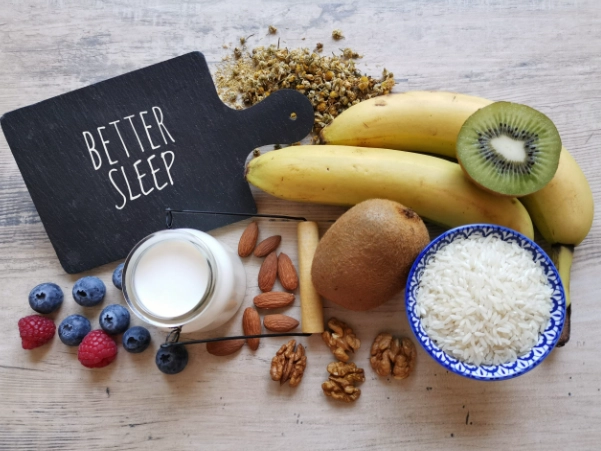
The pathway is clear: Food provides tryptophan and co-factors (B6, magnesium) -> which helps create serotonin -> which is then converted into melatonin with the help of darkness and other nutrients. It's a biochemical cascade, and you can influence it with your fork.
Your Ultimate List of Sleep-Supporting Foods
Okay, theory is great, but what should you actually eat? Here’s a practical, no-nonsense list. I’ve grouped them by their primary sleep-promoting nutrient to make it easier.
Top Foods Rich in Tryptophan: These are your melatonin precursors. Think of them as the raw materials.
- Poultry: Turkey and chicken. (Yes, the turkey coma is real, but it's more about the tryptophan combined with a huge carb-heavy meal).
- Dairy: Milk, yogurt, cheese (especially cottage cheese). The classic warm milk remedy has merit.
- Nuts and Seeds: Almonds, walnuts, pumpkin seeds, sunflower seeds. A perfect small snack.
- Soy Products: Tofu, edamame, miso.
- Eggs: Particularly the whites.
- Fish: Salmon, tuna, halibut.
But remember, eating a plain turkey breast alone might not do the trick. The tryptophan needs help crossing the blood-brain barrier. That’s where combining it with a healthy complex carbohydrate later in the evening becomes a powerful strategy for how to sleep better at night naturally with food.
The Magnesium Powerhouses
These are your natural relaxants. Include them in your dinner or evening snack.
- Leafy Greens: Spinach, kale, Swiss chard.
- Nuts and Seeds: Almonds, cashews, pumpkin seeds (again!), peanuts.
- Legumes: Black beans, kidney beans, lentils.
- Avocados
- Bananas (They pull double duty with potassium too).
- Whole Grains: Brown rice, quinoa, oats.
- Dark Chocolate (85% cacao or higher, but go easy—it has caffeine too).
Foods That Naturally Contain Melatonin
Some plants actually produce melatonin as an antioxidant. Eating them can give your levels a direct, small boost.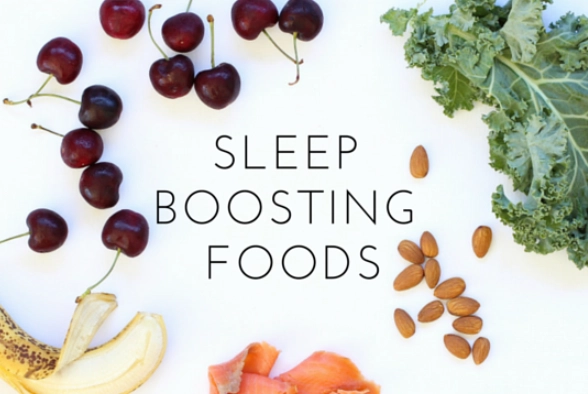
- Tart Cherries and Tart Cherry Juice: Probably the most researched food for this. Studies have shown they can increase melatonin levels and improve sleep quality and duration.
- Goji Berries
- Tomatoes
- Bell Peppers
- Grapes
- Eggs (from hens raised on melatonin-rich feed, which is common).
Here’s a quick-reference table to help you build a sleep-friendly plate:
| Nutrient | Primary Role for Sleep | Top Food Sources (for evening) |
|---|---|---|
| Melatonin | Direct sleep hormone signal | Tart cherries, goji berries, tomatoes |
| Tryptophan | Precursor to serotonin & melatonin | Turkey, milk, pumpkin seeds, tofu |
| Magnesium | Nervous system relaxant, supports melatonin | Spinach, almonds, avocado, black beans |
| Calcium | Helps brain use tryptophan | Yogurt, kefir, fortified plant milk, kale |
| Complex Carbs | Helps tryptophan reach the brain | Oatmeal, sweet potato, whole-grain bread |
What to Avoid: The Sleep Saboteurs on Your Plate
Knowing what to eat is half the battle. The other half is knowing what not to eat, especially in the hours before bed. Some of these might seem obvious, others might surprise you.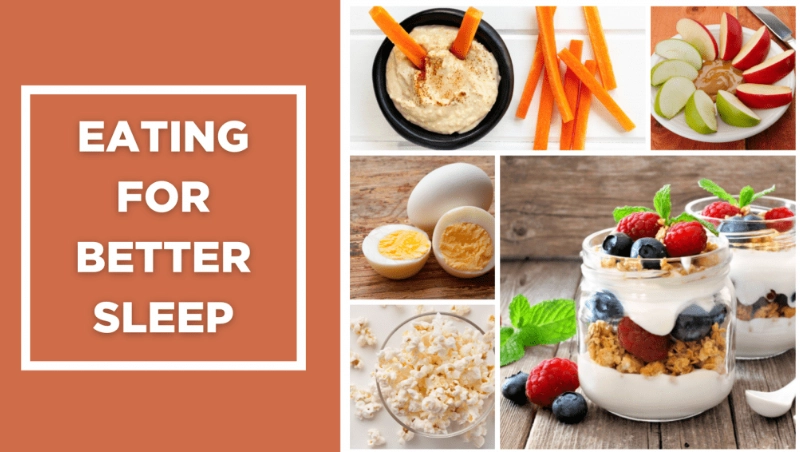
Caffeine: This is the big one. It's a stimulant that blocks adenosine (a sleep-promoting chemical) receptors. Its half-life is about 5-6 hours. That means if you have a coffee at 4 PM, half the caffeine is still in your system at 9-10 PM. For sensitive people, even afternoon tea or dark chocolate can be disruptive. The U.S. Food and Drug Administration (FDA) advises that caffeine can stay in your system for hours and affects people differently.
Alcohol: This is a tricky one. It might make you feel drowsy and help you fall asleep faster, but it absolutely wrecks your sleep architecture. It suppresses REM sleep (the restorative, dream stage), leads to frequent awakenings later in the night, and can cause dehydration and headaches. It’s a sedative, not a sleep aid.
High-Fat and Greasy Foods: Think giant cheeseburgers, greasy pizza, or deep-fried foods for dinner. They take forever to digest. Your body is working hard to break them down when it should be winding down. This can lead to discomfort, acid reflux, and generally lighter, less restful sleep.
Spicy Foods: For many people, spicy foods can trigger heartburn or acid reflux, especially when lying down. They can also raise your core body temperature slightly, which is counterproductive to the natural cooling process that helps initiate sleep.
Excessive Sugar and Refined Carbs: A big slice of cake or a bowl of sugary cereal before bed can cause a rapid spike and then a crash in blood sugar. That crash can wake you up in the middle of the night, often with a pounding heart or sweating. It’s incredibly disruptive.
Large Meals Too Close to Bedtime: Just don't. Give your body at least 2-3 hours to do the bulk of its digestive work before you try to sleep. A heavy stomach is not conducive to deep, restorative sleep.
Timing is Everything: When to Eat for Optimal Sleep
You can have all the right foods, but if your timing is off, you'll miss the mark. This is a crucial part of the puzzle for how to sleep better at night naturally.
Think of your evening meal as the foundation. Aim to finish a moderate-sized dinner 2 to 3 hours before bedtime. This meal should be balanced: a good source of tryptophan (like chicken, fish, or lentils), plenty of magnesium-rich veggies, and a sensible portion of complex carbohydrates (like quinoa, brown rice, or sweet potato). The carbs will help shuttle that tryptophan into your brain.
Now, about 60-90 minutes before bed, if you're feeling a little peckish, that's your window for a sleep-promoting snack. This is where the magic combo really shines. The goal is a small, easily digestible bite that pairs a tryptophan source with a complex carb.
Top Sleep Snack Ideas (Choose one):
- A small bowl of oatmeal made with milk or a milk alternative.
- A banana with a tablespoon of almond butter.
- A few whole-grain crackers with a slice of turkey or cheese.
- A small cup of plain yogurt with a handful of berries and a sprinkle of pumpkin seeds.
- A glass of warm milk (dairy or fortified unsweetened almond/soy milk) with a dash of cinnamon.
- A small handful of tart cherries or a 4-6 oz glass of tart cherry juice.
Personally, I find the banana with almond butter or a small bowl of Greek yogurt to be the most satisfying and effective. It’s just enough to quiet the hunger pangs without making me feel full.
Putting It All Together: A Sample Sleep-Friendly Evening
Let’s make this concrete. What does a day focused on how to sleep better at night naturally with food actually look like?
6:00 PM – Dinner: Baked salmon (tryptophan, omega-3s) with a side of roasted sweet potatoes (complex carbs, potassium) and a large spinach salad (magnesium, calcium) with avocado (magnesium) and a light vinaigrette. A glass of water.
8:30 PM – Optional Snack: A cup of chamomile tea (caffeine-free) and a few walnuts.
9:30 PM – Pre-Bed Ritual: A small glass of tart cherry juice or a small bowl of cottage cheese with a few pineapple chunks.
10:30 PM – Bedtime.
Notice there’s no wine, no chocolate cake, no spicy wings after 8 PM. It’s a clean, supportive routine. It might seem strict, but after a few nights of genuinely deep sleep, you won’t miss the other stuff.
Answering Your Questions (FAQs)
Is warm milk really effective for sleep?
Yes, but not just because it’s warm. The warmth is comforting and can have a mild relaxing effect, like any warm liquid. But the real reason is the combo of tryptophan, calcium, and (if it’s whole milk) a bit of fat. The fat and calcium help with tryptophan absorption. For many, it’s a powerful psychological cue from childhood that it’s time to wind down. If you’re lactose intolerant, try a warm, fortified, unsweetened plant milk.
What’s the single best food to eat before bed?
There’s no single “best” food because synergy is key. However, if I had to pick one for its direct melatonin content and research backing, it would be tart cherries or tart cherry juice. For a whole-food combo, a banana with almond butter is hard to beat—it brings tryptophan, magnesium, potassium, and healthy carbs to the table in a perfect, simple package.
Can certain foods make insomnia worse?
Absolutely. The big culprits are caffeine (even hidden in chocolate or some medications), alcohol, very high-sugar foods, and very large or fatty meals too close to bedtime. For some people, foods containing MSG or excessive salt can also be disruptive by causing thirst or mild agitation.
How long does it take for dietary changes to improve sleep?
Don’t expect a miracle after one snack. Consistency is key. You might notice subtle changes in how easily you fall asleep within a few days. More significant improvements in sleep depth and feeling rested in the morning can take 2-3 weeks of consistently following these principles. It’s about replenishing nutrient stores and resetting patterns.
Are sleep supplements (like melatonin pills) better than food?
Food is almost always the better first approach. Supplements are a concentrated dose that can sometimes throw your natural production out of whack or cause side effects. Food provides the nutrients in their natural context, along with fiber and other beneficial compounds. The goal is to support your body’s own ability to make what it needs. Always talk to a doctor before starting any supplement regimen.
A Final, Realistic Word
Figuring out how to sleep better at night naturally with food isn’t about perfection. It’s about trends and awareness. You don’t need to eat tart cherries every single night. But if you’re consistently having a giant, spicy burrito and a beer at 9 PM and wondering why you can’t sleep, well, the connection is pretty clear.
Start small. Maybe this week, just focus on cutting off caffeine after 2 PM. Next week, try having dinner a bit earlier. The week after, introduce one of those sleep snacks. Pay attention to how you feel in the morning.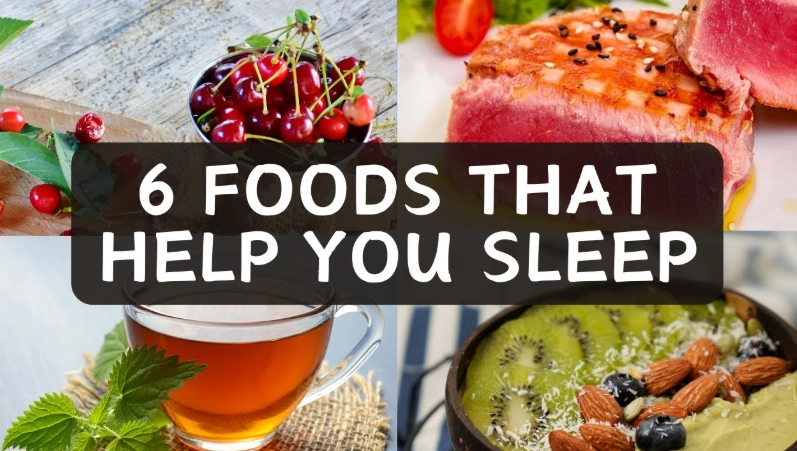
Your kitchen holds some of the most powerful, natural tools for sleep you can find. It’s not a instant cure-all—stress, screen time, and schedule matter hugely too—but it’s a foundational piece that most of us ignore. Give it a few weeks of honest effort. Your body, and your tired brain, will thank you for it.
Reader Comments