Quick Guide
You crawl into bed at a reasonable time. You set the alarm for a solid eight hours later. The night passes without much drama. The alarm goes off, and you open your eyes... only to feel like you've been hit by a truck. That heavy, groggy, "just five more minutes" feeling clings to you like a wet blanket. Sound familiar?
If you're constantly asking yourself, "Why do I feel sleepy after 8 hours of sleep?", you're not alone. It's one of the most frustrating experiences in modern life. You did the right thing! You hit the magic number! So why does your body feel like it's betraying you?
Let's get one thing straight right off the bat: the 8-hour rule is mostly a myth. It's a decent average, but it's terrible personal advice. Your sleep needs are as unique as your fingerprint. More importantly, sleep quantity is only half the story. The real star of the show is sleep quality. You could be lying in bed for ten hours, but if the quality is poor, you'll wake up feeling like you ran a marathon in your sleep.
I've been there. For years, I chased the eight-hour goal like it was the holy grail. I'd get it, then spend the morning in a caffeine-fueled haze, wondering what I was doing wrong. It wasn't until I started digging into the science and talking to experts that I realized I was focusing on the wrong number entirely.
The Core Insight: Feeling sleepy after what should be sufficient rest is rarely about one single thing. It's usually a perfect storm of several factors—some in your control, some biological, and some related to your daily habits. The goal isn't just more sleep; it's restorative sleep.
It's Not About the Clock: The Top Reasons You're Still Tired
When you ask, "Why do I feel sleepy after 8 hours of sleep?", you're really asking about sleep architecture and daytime energy. Let's break down the usual suspects, starting with the most common one.
Your Sleep Architecture is a Mess
Sleep isn't a flatline. It's a rollercoaster ride through different stages—light sleep, deep sleep, and REM (Rapid Eye Movement) sleep. These stages cycle every 90 minutes or so. Deep sleep is for physical restoration, and REM is for mental and emotional processing (dreaming happens here).
If your sleep is fragmented—you wake up multiple times, even if you don't remember—you keep getting kicked off the rollercoaster before the ride is over. You might get 8 hours in bed, but only 6 hours of actual, consolidated sleep. Things that trash your sleep architecture:
- Sleep Apnea: This is a big one. Your breathing repeatedly stops and starts, causing micro-arousals that pull you out of deep sleep. You might not fully wake up, but your brain is constantly being jolted. The result? You can sleep for 9 hours and feel utterly wrecked. It's surprisingly common. The National Heart, Lung, and Blood Institute has solid resources on the signs and symptoms.
- Restless Legs Syndrome (RLS): That irresistible urge to move your legs can make falling asleep and staying asleep a nightmare.
- Noise/Light Pollution: A partner's snoring, traffic noise, or light from a streetlamp seeping through your blinds can trigger micro-arousals.
- Pets or Kids in the Bed: Love them to bits, but they are professional sleep disruptors.
Think of it this way: would you rather have a full, uninterrupted 7-hour sleep or a choppy, disturbed 8.5-hour sleep? The 7-hour one wins every time for how you feel in the morning.
You're Carrying a Massive Sleep Debt
This is a concept most people miss. If you've been burning the candle at both ends for weeks—pulling 6-hour nights during the week—that lost sleep adds up. It's called sleep debt. Then, on Saturday, you crash for 10 hours. You might feel a bit better, but one long sleep doesn't erase weeks of deficit.
It's like financial debt. If you skip paying your credit card for three months, making one big payment doesn't instantly restore your credit score. Your body needs consistent, adequate sleep to pay down that debt. Sleeping 8 hours after a week of 5-hour nights might just be making the minimum payment. You're still in the red, energy-wise.
A Personal Gripe: The whole "I'll sleep when I'm dead" hustle culture is toxic nonsense. It's sold as a badge of honor, but it's just a fast track to burnout, brain fog, and a weakened immune system. Prioritizing sleep isn't lazy; it's the ultimate performance hack.
Your Circadian Rhythm is Out of Whack
Your body has a master clock in your brain (the suprachiasmatic nucleus, if you want the fancy term) that runs on a roughly 24-hour cycle. It tells you when to be alert (daytime) and when to be sleepy (nighttime). This rhythm is fine-tuned by light, especially morning sunlight.
Mess with this rhythm, and you feel permanently jet-lagged, even if you get 8 hours. How do you mess it up?
- Inconsistent Sleep Schedule: Bedtime at 10 PM during the week, 2 AM on weekends. Your body never knows what's coming.
- Blue Light Bombardment at Night: Scrolling through your phone or watching TV right before bed. The blue light tricks your brain into thinking it's still daytime, suppressing melatonin (the sleep hormone). You might fall asleep, but the quality suffers.
- Getting No Morning Sunlight: Natural light in the first hour of waking is the most powerful signal to reset your clock. Without it, the rhythm can drift.
So you go to bed at 11 PM and wake up at 7 AM. Technically, 8 hours. But if your internal clock thinks it's 4 AM, you're going to feel horrible.
Lifestyle and Health Factors You Might Be Overlooking
Sometimes, the answer to "why do I feel sleepy after 8 hours of sleep" isn't in the bedroom at all. It's in your daily choices and underlying health.
Practical Fix First: Before you assume it's a medical condition, audit these common lifestyle culprits. They're often the low-hanging fruit for improving energy.
Let's look at them in a simple table. It's easier to see how they connect.
| Factor | How It Steals Your Energy | What It Feels Like |
|---|---|---|
| Diet & Hydration | A heavy, carb-rich meal before bed forces your digestive system to work overtime, disrupting sleep. Dehydration thickens your blood, making your heart work harder, leading to fatigue. | Waking up groggy, with a dry mouth, and a heavy feeling in your gut. |
| Lack of Exercise | Regular physical activity improves sleep depth and efficiency. A sedentary life leads to poor circulation and lower energy levels. | A constant, low-grade tiredness, mental fogginess, and restlessness at night. |
| Over-reliance on Caffeine & Alcohol | Caffeine has a 6-8 hour half-life. Afternoon coffee can still be in your system at bedtime. Alcohol might make you pass out, but it ruins REM sleep, leading to non-restorative sleep. | Falling asleep quickly but waking up at 3 AM wide awake, or feeling unrefreshed. |
| Chronic Stress & Anxiety | High cortisol (stress hormone) levels at night prevent you from descending into deep, restorative sleep stages. Your brain stays "on." | Lying in bed with a racing mind, waking up feeling "wired but tired." |
| Nutrient Deficiencies | Low iron (anemia), Vitamin B12, Vitamin D, or magnesium can directly cause fatigue, independent of sleep. | Persistent tiredness, weakness, shortness of breath, that doesn't improve with sleep. |
See what I mean? You could be doing everything "right" with your sleep schedule, but if you're chugging a big glass of wine every night or are severely deficient in Vitamin D, you'll still feel exhausted. It's a whole-body system.
When to Suspect It's More Than Just Poor Sleep Habits
Okay, so you've fixed your sleep hygiene. You're consistent, you've banned screens before bed, you're hydrated. And you're still asking, "Why the heck do I feel sleepy after 8 hours of sleep?"
It might be time to look deeper. Several medical conditions have excessive daytime sleepiness as a primary symptom. This isn't about scaring you—it's about empowering you with information. If you see yourself here, a conversation with your doctor is the next logical step.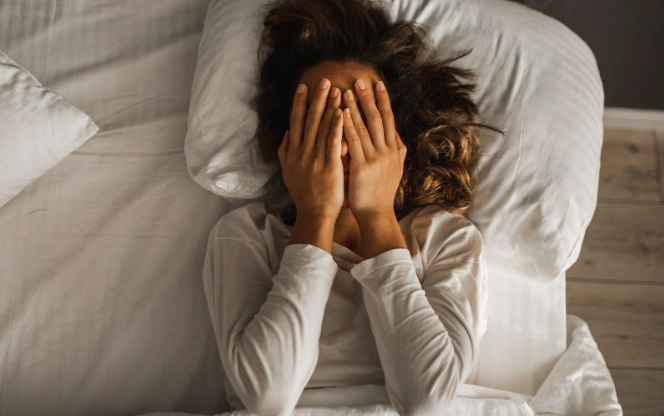
Sleep Disorders (Beyond Apnea)
- Idiopathic Hypersomnia: This literally means "excessive sleepiness from an unknown cause." People with this can sleep 10+ hours and still need naps. It's a neurological disorder.
- Narcolepsy: It's not just falling asleep suddenly. A core symptom is constant, severe sleepiness, regardless of how much sleep you get at night.
Other Health Conditions
Fatigue is a common symptom for so many things. The Centers for Disease Control and Prevention (CDC) clearly links poor sleep with chronic diseases, and the reverse is also true. Conditions like:
- Thyroid Issues (Hypothyroidism): An underactive thyroid slows your entire metabolism down. Fatigue is hallmark symptom #1.
- Depression & Anxiety: These are energy vampires. The fatigue from depression is often a deep, pervasive exhaustion that sleep doesn't touch.
- Chronic Fatigue Syndrome (ME/CFS): This involves debilitating fatigue that is not improved by rest and is worsened by activity.
- Diabetes or Blood Sugar Dysregulation: Blood sugar spikes and crashes can cause massive energy slumps throughout the day.
The takeaway? Persistent, unexplained fatigue deserves medical attention.
Your Action Plan: How to Actually Wake Up Refreshed
Enough with the problems. Let's talk solutions. This isn't a one-size-fits-all list. Pick 2-3 that resonate with you and build from there.
Fix Your Sleep Hygiene (The Non-Negotiables)
- Become a Schedule Zealot: Go to bed and wake up at the same time every day, even on weekends. Yes, even on Saturday. This is the single most powerful tool to regulate your circadian rhythm.
- Create a Pre-Sleep Ritual: The last 60 minutes before bed are for winding down. Dim the lights. Read a physical book (not a Kindle with a backlight). Take a warm shower or bath. Listen to calm music or a boring podcast (my personal trick).
- Optimize Your Cave: Your bedroom should be cool (around 65°F or 18°C), dark (blackout curtains are worth every penny), and quiet. Consider a white noise machine if you need to mask sound.
- Get Morning Light: Within 30-60 minutes of waking, get 10-15 minutes of sunlight in your eyes (no sunglasses). No sun? A bright light therapy lamp can help.
Track and Experiment
You can't manage what you don't measure. For two weeks, keep a simple sleep log. Note:
- Bedtime & wake time
- Estimated time to fall asleep
- Number of nighttime awakenings
- Morning energy level (1-10 scale)
- Diet, exercise, and stress notes
Patterns will emerge. Maybe you see that on days you exercise, you sleep better. Or that pasta dinner at 9 PM always leads to a bad night. This is gold.
Questions I Get Asked All the Time
When to See a Doctor
Don't play internet doctor if you have serious symptoms. Please see a healthcare professional if:
- Your fatigue is severe and persistent for more than a few weeks.
- You snore loudly, gasp, or choke in your sleep (or a partner tells you this).
- You have other symptoms like unexplained weight changes, persistent sadness, pain, or extreme thirst.
- You fall asleep uncontrollably during quiet activities (like in meetings or while driving).
A good starting point is often a visit to your primary care doctor. They might run blood tests to check for thyroid, iron, or vitamin deficiencies, and can refer you to a sleep specialist for an evaluation. A sleep study (polysomnography) is the gold standard for diagnosing sleep apnea and other disorders.
The American Academy of Sleep Medicine maintains a patient education site that can help you find accredited sleep centers and understand different sleep disorders better.
Wrapping It Up: It's a Journey, Not a Quick Fix
Figuring out why you feel sleepy after 8 hours of sleep is detective work. It requires looking at the whole picture—your sleep environment, your habits, your health, and your mind.
Stop obsessing over the number 8. Start obsessing over how you feel. Use the 8-hour guideline as a starting point, not a finish line. Your perfect amount might be 7 hours or 9 hours. The goal is to wake up naturally, feeling alert and restored, most days of the week.
It took me months of tweaking—cutting out late coffee, buying blackout blinds, getting my Vitamin D levels checked—to finally break the cycle of morning grogginess. It wasn't one magic bullet. It was a combination of small, sustainable changes.
Be patient with yourself.
Your sleep is the foundation of your health, mood, and cognitive function. Investing in it is the highest-return investment you can make. Start tonight. Pick one thing from this article—maybe just dimming the lights an hour before bed—and do it. See how you feel tomorrow. Then build from there.
Reader Comments