Quick Guide to ADHD Sleep Supplements
- Why Is Sleep So Hard with ADHD Anyway?
- The Top Contenders: Breaking Down the Best Supplements for ADHD Sleep
- Head-to-Head: Which One is Truly the Best Supplement for ADHD Sleep?
- The Power of Combinations and the "Stack" Approach
- What Doesn't Work (Or Can Backfire)
- Beyond the Pill: Non-Supplement Strategies You Can't Ignore
- Frequently Asked Questions (The Stuff You're Really Wondering)
- Putting It All Together: A Practical Action Plan
If you're here, you probably know the drill all too well. Your body is exhausted, but your brain is hosting a full-blown rock concert. Thoughts ping-pong, the to-do list from three weeks ago suddenly feels urgent, and the concept of "quieting your mind" seems like a cruel joke. You're not alone. Sleep problems and ADHD are frequent, frustrating bedfellows. It's a classic chicken-and-egg situation—poor sleep worsens ADHD symptoms, and ADHD wiring makes sleep elusive.
So, you start searching. You hear about supplements. The promises are enticing: "natural," "calming," "sleep-support." But the question hangs in the air, more persistent than your racing thoughts at 2 AM: what is the best supplement for ADHD sleep?
I wish I could give you a single magic pill name. Honestly, I really do. But the truth is messier and more personal. The "best" supplement depends entirely on your specific brain, your specific sleep hurdle, and what else is going on in your life. What works wonders for your friend might do nothing for you, or worse, make you feel jittery.
This guide won't sell you a miracle. Instead, it's a deep, practical dive into the supplements that have the most science and anecdotal backing for the ADHD mind. We'll look at how they work, compare them head-to-head, and talk about the real-world pros and cons. My goal is to give you the information you need to have an informed chat with your doctor and make a choice that might actually help you turn off the lights—both literally and mentally.
Why Is Sleep So Hard with ADHD Anyway?
You can't fix a problem without understanding it. For neurotypical people, the brain has a neat little system for winding down. For many with ADHD, that system has a few crossed wires.
First, there's the circadian rhythm delay. Studies, like those referenced by the National Institute of Mental Health (NIMH), suggest people with ADHD often have a naturally later sleep-wake cycle. Your body's internal clock might not start pumping out melatonin (the sleep hormone) until much later at night. So, at 10 PM, when everyone else is getting drowsy, your biological night might just be beginning.
Then there's the mental hyperactivity. Even if you're physically still, your thoughts aren't. It's like having ten browser tabs open, all playing different videos, with no close button in sight. This mental noise directly fights relaxation.
Let's not forget the impact of stimulant medication. While they help focus during the day, they can definitely interfere with sleep if taken too late or if the dose isn't quite right. And finally, there's just plain old difficulty with routines. Establishing a consistent, calming bedtime ritual requires executive functions—planning, sequencing, following through—that are often in short supply with ADHD.
So when we look for the best supplement for ADHD sleep, we're not just looking for a general sedative. We're looking for something that can help calm neurological noise, support a shifted circadian rhythm, and promote a state of physical relaxation that our minds can't easily override.
The Top Contenders: Breaking Down the Best Supplements for ADHD Sleep
Based on a mix of scientific research and overwhelming anecdotal reports from the ADHD community, a handful of supplements consistently rise to the top. None are perfect. Each has its own mechanism and ideal use case.
Magnesium: The Tension Tamer
This mineral is a superstar in the ADHD sleep conversation, and for good reason. Magnesium plays a role in over 300 biochemical reactions in your body, many related to nerve and muscle function. A deficiency is linked to irritability, anxiety, and muscle cramps—all things that can keep you awake.
For ADHD, the appeal is twofold. First, certain forms of magnesium (like glycinate) are known for their calming, relaxing effects on the nervous system. It's like a gentle signal to your overactive nerves to dial it down a notch. Second, some research suggests people with ADHD might have lower magnesium levels to begin with.
The catch? Not all magnesium is the same. Magnesium oxide is cheap but poorly absorbed (and can cause digestive issues). For sleep, magnesium glycinate or magnesium L-threonate are the preferred forms. Glycinate is famous for its calming effect without being a sedative, while L-threonate is touted for its ability to cross the blood-brain barrier.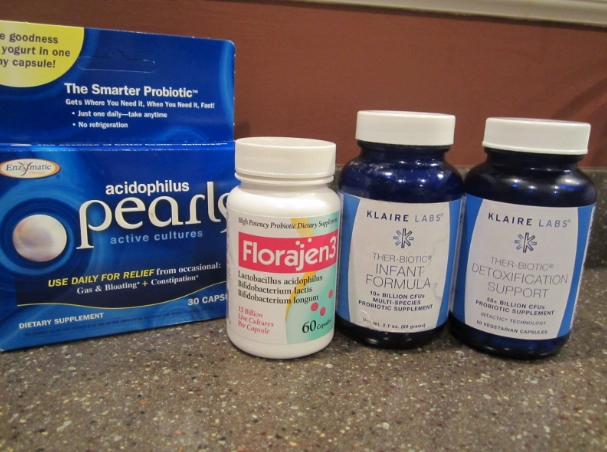
I tried magnesium glycinate myself. The first few nights, the difference was subtle—not a knockout punch, but a noticeable softening of the physical "buzz" of anxiety. It didn't stop the thoughts, but it made it easier to lie still and breathe through them.
Melatonin: The Clock Regulator
Melatonin is the hormone your body naturally produces to signal "nighttime." For those with a delayed circadian rhythm, taking a small, supplemental dose about 30-60 minutes before your target bedtime can help pull that clock forward.
This is key: melatonin is not a sleeping pill. It doesn't force sleep. It tells your biology it's time to get ready for sleep. This makes it particularly useful for the "I'm not tired until 2 AM" crowd.
The trick is the dose. More is not better. Studies, including those summarized by the National Center for Complementary and Integrative Health (NCCIH), often use doses between 0.5 mg and 3 mg for circadian rhythm issues. Many people with ADHD find that a microdose (0.5 mg or even 0.3 mg) is more effective than the giant 5mg or 10mg pills you often see. A high dose can sometimes cause morning grogginess or weird, vivid dreams.
It's a tool for resetting your schedule, not for knocking you out when you're wired from stress.
L-Theanine: The Anxiety Buffer
Found naturally in green tea, L-Theanine is an amino acid known for promoting a state of "calm alertness." It's fascinating because it can increase alpha brain waves (associated with relaxed focus) without causing drowsiness.
For ADHD sleep, this is huge. The barrier to sleep is often anxiety and mental chatter, not a lack of physical tiredness. L-Theanine may help take the sharp edge off that anxiety. It's like turning down the volume on the internal panic channel.
It pairs exceptionally well with caffeine during the day for focus without jitters, and taken alone at night, it can create a mental environment more conducive to sleep. It's not sedating, so you won't feel forced into sleep. Instead, it might help you achieve the quiet mind needed to choose to sleep.
Glycine: The Core Temperature Trickster
This is a bit of a dark horse, but it's gaining traction. Glycine is another amino acid that acts as an inhibitory neurotransmitter in the brain. One of its coolest mechanisms for sleep support is that it helps lower your core body temperature. A drop in core temperature is a key biological signal that tells your body it's time for sleep.
Some small studies have shown glycine can improve subjective sleep quality and reduce daytime sleepiness. For the ADHDer who feels physically hot or restless in bed, glycine might address that specific discomfort. It's also involved in the production of glutathione, a major antioxidant, so there are potential daytime benefits too.
The taste is intensely sweet, which some people find off-putting if using the powder form.
Zinc and Omega-3s: The Foundational Support
These aren't direct "sleep aids," but they're worth mentioning because addressing nutritional deficiencies is foundational. Some research points to potential zinc deficiencies in individuals with ADHD. Zinc is involved in neurotransmitter function and melatonin metabolism. Omega-3 fatty acids (EPA and DHA) are critical for brain health, and improving overall brain function can indirectly improve sleep regulation.
Think of these as supporting the soil, not just watering the plant. If your brain is nutritionally depleted, adding a sedative-like supplement on top is a bit like putting a band-aid on a leaky pipe.
Head-to-Head: Which One is Truly the Best Supplement for ADHD Sleep?
Let's put them in a table. This isn't about declaring one winner, but about matching the right tool to your specific problem.
| Supplement | Best For This Sleep Problem... | How It Works | Typical Bedtime Dose* | Key Considerations |
|---|---|---|---|---|
| Magnesium (Glycinate) | Physical restlessness, muscle tension, general anxiety, "body can't relax." | Calms nervous system, supports muscle relaxation. | 200-400 mg | Start low. Glycinate form is best for sleep. Can cause loose stools at high doses. |
| Melatonin | Delayed sleep phase (can't fall asleep until very late), jet lag. | Signals your circadian clock that it's nighttime. | 0.5 - 3 mg (low dose!) | Not a sedative. Use 30-60 min before target bedtime. High doses can cause grogginess. |
| L-Theanine | Mental chatter, anxiety, racing thoughts, "mind won't shut off." | Promotes alpha brain waves for calm focus; reduces anxiety. | 100-400 mg | Non-sedating. Very safe. Good for anxiety-driven insomnia. |
| Glycine | Feeling too warm in bed, poor sleep quality, daytime fatigue. | Lowers core body temperature; inhibitory neurotransmitter. | 3 grams (3000 mg) | High dose needed. Powder form is very sweet. May improve sleep architecture. |
| Zinc | Foundational support, especially if deficient. | Supports neurotransmitter and melatonin pathways. | 15-30 mg (with food) | Long-term nutrient. Do not mega-dose. Can interfere with copper absorption. |
See what I mean? If your main issue is a racing mind, L-Theanine might be your best starting point. If you're a night owl who can't fall asleep before 2 AM, low-dose melatonin could be a game-changer. If you toss and turn with tense muscles, magnesium glycinate deserves a spot on your nightstand.
So, asking what is the best supplement for ADHD sleep is a bit like asking what's the best tool in a toolbox. It depends on whether you're trying to hammer a nail or unscrew a bolt.
The Power of Combinations and the "Stack" Approach
Here's where it gets interesting. Because ADHD sleep issues are often multi-layered (anxious mind + tense body + delayed clock), many people find the most success with a combination—a "sleep stack."
Common and logical pairings include:
- Magnesium Glycinate + L-Theanine: This is a classic for a reason. Magnesium tackles the physical tension, L-Theanine addresses the mental noise. Together, they create a more comprehensive relaxation effect. This is probably the most popular combo I hear about in ADHD forums.
- Low-Dose Melatonin + Magnesium: Melatonin helps cue your body for sleep, while magnesium helps your body physically accept that cue. This can be powerful for resetting a schedule.
- L-Theanine + Glycine: A double amino-acid approach. L-Theanine calms the mind, Glycine helps with the physical sleep signal via temperature drop.
What Doesn't Work (Or Can Backfire)
It's just as important to know what to avoid. The supplement aisle is full of sleep aids that might be counterproductive for the ADHD brain.
Valerian Root: For some, it's great. For others, especially with ADHD, it can have a paradoxical stimulating effect. It's notoriously unpredictable. I tried it years ago and felt oddly wired and restless—the exact opposite of the goal.
High-Dose Melatonin (5mg+): As mentioned, this often leads to grogginess, intense dreams, and can even disrupt your natural production long-term. The "more is better" logic fails hard here.
Diphenhydramine (Benadryl, common in OTC sleep aids): This is an anticholinergic drug. It does induce drowsiness but can significantly impair sleep quality (reducing REM sleep) and leads to tolerance quickly. The morning "hangover" can be severe, and long-term use is linked to cognitive risks. It's a blunt instrument, not a precision tool.
Alcohol: I know, it's not a supplement, but it's a common (and terrible) self-medication for sleep. It fragments sleep, destroys sleep architecture, and leads to rebound wakefulness later in the night. Just don't.
Beyond the Pill: Non-Supplement Strategies You Can't Ignore
No supplement is a substitute for good sleep hygiene. For an ADHD brain, hygiene needs to be hyper-simple and appealing. Think of supplements as the supporting actor, not the star of the show.
Here's what actually moves the needle:
- Light is Your Lever: Get bright light (preferably sunlight) in your eyes within an hour of waking. This is the strongest signal to reset your circadian clock. At night, dim the lights and avoid blue light from screens 1-2 hours before bed. Amber glasses can help if you must use screens.
- The One-Thing Wind-Down: Don't create a 10-step routine you'll never follow. Pick ONE calming thing to do 30 minutes before bed. Reading a physical book (not thrilling fiction), a short guided meditation, gentle stretching. Just one.
- Make Your Bedroom Boring: This is hard, but critical. Your bed is for sleep (and sex) only. No phone, no laptop, no watching TV, no anxious planning. You need to break the association between your bed and mental activity.
- Address Stimulant Timing: If you're on medication, talk to your doctor about the timing of your last dose. Sometimes a small adjustment can make a world of difference.
- Get the Energy Out: Regular exercise is one of the most potent sleep aids on the planet. It doesn't have to be intense—even a daily walk helps regulate energy and sleep cycles.
Supplements work with these habits, not in place of them.
Frequently Asked Questions (The Stuff You're Really Wondering)
Can I take these with my ADHD stimulant medication?
This is the million-dollar question. In most cases, yes, but timing and your personal biology are everything. Magnesium and L-Theanine are generally considered very safe alongside stimulants, but you should take them at night, not with your morning dose. Melatonin is also fine at night. The critical step is to discuss any supplement with your prescribing doctor or pharmacist. They can check for specific interactions with your brand and dose.
How long does it take for sleep supplements to work?
It varies. Magnesium and L-Theanine can have a noticeable effect the first night for some people. For others, it takes a few days of consistent use. Melatonin for circadian rhythm may take a few days to a week to fully shift your schedule. Foundational ones like zinc and omega-3s may take weeks to show any indirect sleep benefit. Give anything at least a solid week before judging it.
Are there any side effects I should watch for?
Always. Magnesium can cause digestive upset. Melatonin can cause grogginess, headaches, or vivid dreams. L-Theanine is remarkably side-effect free at standard doses, but anything can theoretically cause a reaction in someone. Start with a low dose to test your tolerance.
Is there a single "best" supplement for ADHD sleep for everyone?
I'll be blunt: no. If anyone tells you there is, they're selling something. The research and the lived experience of the community point to the fact that the "best supplement for ADHD sleep" is the one that matches your individual symptom profile. It's about personalization, not a universal pill.
Should I get blood work done first?
It's not a bad idea, especially for minerals like magnesium and zinc. A deficiency test can tell you if you're trying to fill an empty tank or not. Talk to your doctor about this. It turns guesswork into a targeted strategy.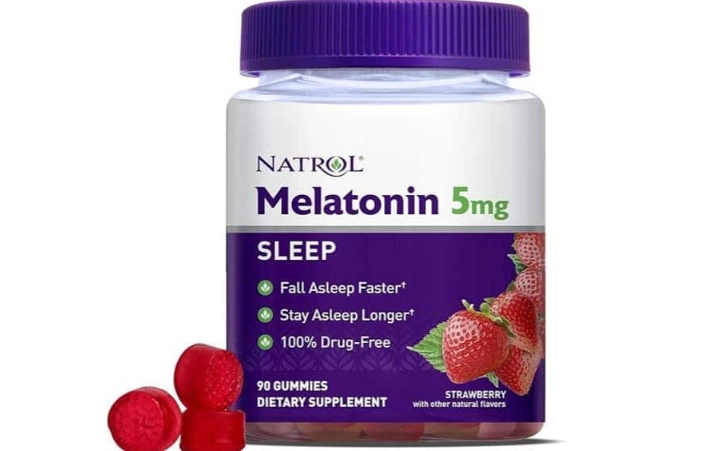
Putting It All Together: A Practical Action Plan
Okay, so your head is full of information. Let's make it actionable.
Step 1: Identify Your Primary Sleep Thief. Is it a racing mind? Physical restlessness? A clock that's simply set wrong? Be honest with yourself.
Step 2: Pick One Candidate. Based on the table and descriptions, choose the supplement that best matches your #1 thief. Buy a quality brand from a reputable source (look for third-party testing like USP or NSF).
Step 3: Talk to Your Doctor. Show them what you're considering. Get the green light, especially regarding medication interactions.
Step 4: Start Low & Go Slow. Begin with the lowest suggested dose. Take it consistently for 7-10 nights. Keep a super simple sleep log—just note what time you took it, what time you got in bed, and a one-word description of your sleep quality ("okay," "restless," "good").
Step 5: Evaluate. After a week, ask: Do I feel any different falling asleep? Staying asleep? Waking up? If yes, great. If no, consider if you need to adjust the dose (within reason) or switch to a different candidate that addresses a different problem.
Step 6: Consider a Combo. Only after testing one alone, think about adding a second to create a more complete effect (e.g., adding L-Theanine to your magnesium if mental chatter is still an issue).
Step 7: Never Stop the Basics. No pill will fix sleep if you're scrolling in bed until midnight with the lights blazing. The supplements are helpers, not heroes.
The search for the best supplement for ADHD sleep doesn't end with a perfect answer. It ends with you understanding your options, experimenting safely, and building a toolkit—which might include a supplement or two—that helps you work with your ADHD brain to find the rest it desperately needs and deserves.
Sleep well.
Reader Comments