For years, we've been told that eight hours is the magic number for a perfect night's sleep. It's plastered on health blogs, repeated by doctors, and has become a cultural benchmark for wellness. But here's the uncomfortable truth I've learned after years of researching sleep and coaching people through their fatigue: clinging rigidly to the 8-hour rule can actually make your sleep worse. It creates anxiety, leads to forced time in bed, and ignores the most critical factor of all—your unique biology. The real question isn't "Is 8 hours enough?" but "What is enough for me?" Let's unpack why the one-size-fits-all approach is flawed and how you can discover your personal sleep need.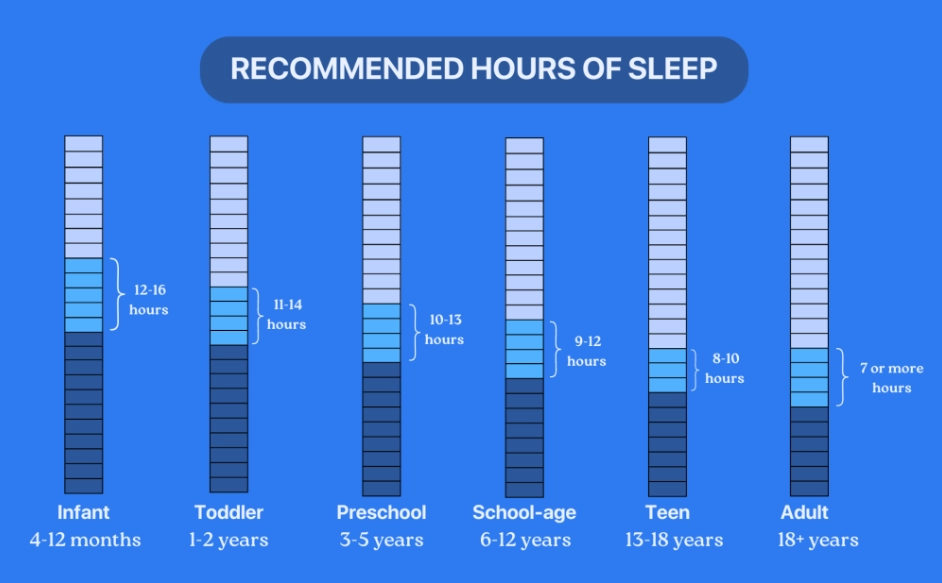
What You'll Discover in This Guide
Why 8 Hours Became the Standard (And Why It's Misleading)
The fixation on 8 hours isn't completely arbitrary, but its origins are more about averages than prescriptions. Large-scale epidemiological studies, like those reviewed by the National Sleep Foundation, consistently find that the average adult reports feeling best with between 7 and 9 hours of sleep. Smack in the middle of that range? You guessed it: 8 hours. It's a clean, memorable number, so it stuck.
But "average" is the key word. Think of it like height. The average height for an American man is about 5'9". That doesn't mean every man who is 5'7" or 6'1" is unhealthy. They're just on different parts of a normal spectrum. Sleep duration works the same way. By treating the average as a universal mandate, we pathologize the natural variation that exists. I've worked with clients who thrive on 6.5 hours and feel groggy with 8, and others who genuinely need 9 to function optimally. Both are normal for them.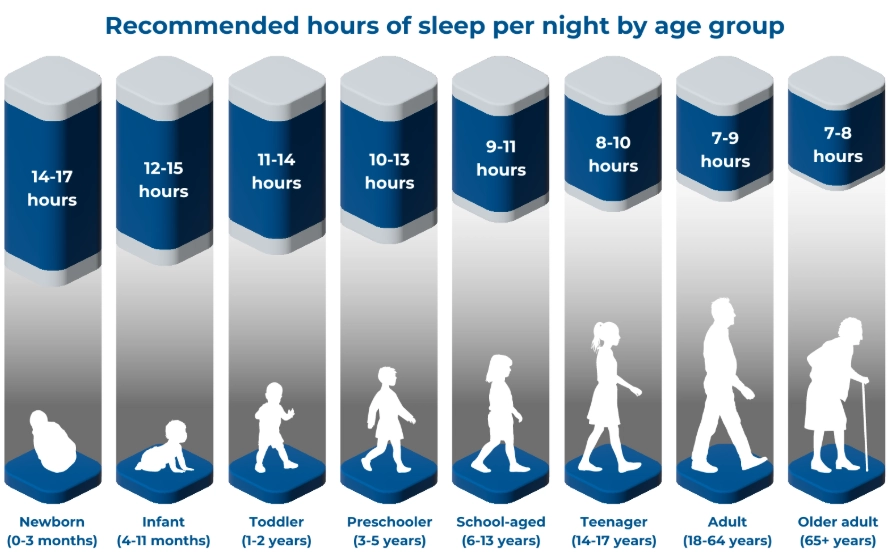
Your Sleep Needs Are on a Spectrum: Age, Genetics, and Lifestyle
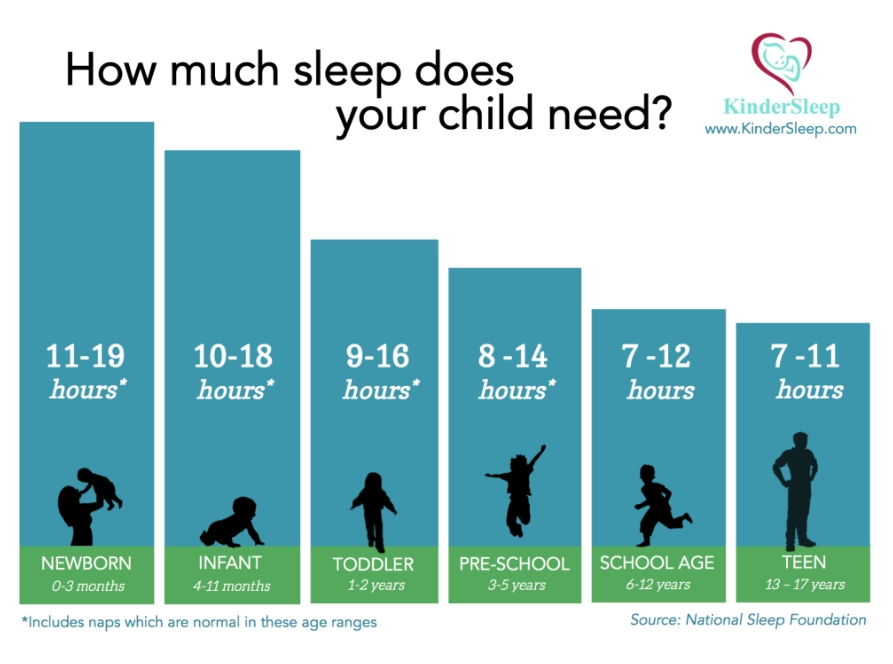
Your ideal sleep duration is shaped by a mix of factors that no single number can capture. The most authoritative guidelines, such as those from the American Academy of Sleep Medicine and the Sleep Research Society, emphasize ranges for a reason.
| Age Group | Recommended Sleep Duration Range | Why It Varies |
|---|---|---|
| Newborns (0-3 months) | 14-17 hours | Rapid brain development and physical growth. |
| Adults (18-64 years) | 7-9 hours | This is where the "8-hour" average lives. Needs within this range are highly individual. |
| Older Adults (65+) | 7-8 hours | Sleep architecture changes; more frequent awakenings are common. |
Beyond age, two under-discussed factors play a huge role:
Your Genetic Blueprint: Research has identified specific genes, like DEC2, associated with natural short sleepers—people who consistently need only 4-6 hours and wake up feeling refreshed. If you've always needed less sleep than your peers without negative consequences, you might have a genetic predisposition. Conversely, some genes nudge people toward needing longer sleep.
Your Current Life Context: This is the dynamic part. Your sleep need isn't static. It increases when you're physically active (training for a marathon?), mentally stressed (big project deadline?), fighting an illness, or pregnant. Ignoring these increased demands and sticking to a rigid 8-hour schedule is a recipe for accumulated sleep debt.
How to Find Your Personal Sleep Need (A Practical Method)
Forget calculators and online quizzes. The most reliable way to find your sleep need is through a simple, observational experiment. You'll need about two weeks of consistent scheduling (hard on weekends, I know, but crucial).
The Vacation Sleep Test:
1. For 7-14 days (a real vacation is perfect, or a period with minimal morning obligations), go to bed when you feel naturally sleepy—not when you think you should.
2. Do not set an alarm. Let your body wake up on its own.
3. Keep a log. Note the time you got into bed, your estimated sleep onset time, and your wake-up time.
4. Avoid caffeine after noon and limit alcohol, as they can fragment sleep and skew results.
5. After several days, your sleep duration will stabilize. The average over the last few days is a strong indicator of your natural sleep need.
What you'll likely find is that you'll sleep longer for the first few nights (paying off sleep debt), then settle into a consistent pattern. That number is your biological north star. It might be 7 hours and 15 minutes, or 8 hours and 45 minutes. Now you have a data-driven target, not a cultural guess.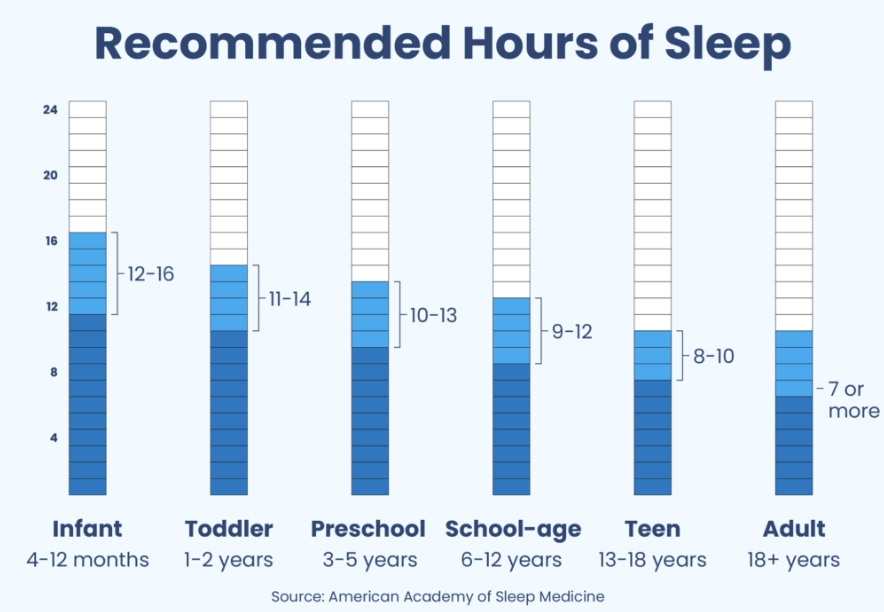
The Quality vs. Quantity Debate: Which Matters More?
Here's a scenario I see all the time: Someone logs a solid 8.5 hours in bed but wakes up feeling like they were hit by a truck. Another person gets 6.5 hours and springs out of bed. The difference is almost always sleep quality or sleep architecture.
Sleep isn't a monolithic state. It's a cycle of stages: light sleep (N1 & N2), deep sleep (N3, or slow-wave sleep), and REM (dream) sleep. Each stage serves a different purpose:
- Deep Sleep: The physical restorative phase. Crucial for tissue repair, immune function, and memory consolidation.
- REM Sleep: The mental restorative phase. Vital for emotional processing, creativity, and learning.
You can be in bed for 9 hours but have your deep and REM sleep constantly interrupted by sleep apnea, restless legs, a noisy environment, or even checking your phone. In that case, duration is meaningless. Your brain and body didn't get the restorative types of sleep they needed.
So, which is more important? They're inseparable. You need adequate duration to cycle through enough deep and REM stages. But without good quality, duration is just empty time. Focusing solely on the clock ignores half the equation.
How Can I Improve My Sleep Quality? Actionable Steps Beyond the Clock
If you suspect poor quality is your issue (you get "enough" hours but still feel tired), here's where to focus. These strategies have a much higher return on investment than obsessing over an extra 15 minutes in bed.
1. Protect Your Deep Sleep Window
The first half of the night is rich in deep sleep. Anything that disrupts this window is particularly damaging. Avoid alcohol within 3 hours of bedtime. It may help you fall asleep, but it metabolizes later and fragments the second half of your sleep, robbing you of REM. Keep your bedroom cool (around 65°F or 18°C) and pitch dark.
2. Build a Rock-Solid Wind-Down Routine
Your brain needs a signal that it's safe to power down. A consistent 45-60 minute routine does this. Ditch screens (the blue light suppresses melatonin). Try reading a physical book, light stretching, or listening to calm music. I personally use this time to write down a "worry list"—getting thoughts out of my head and onto paper so they don't race when I lie down.
3. Rethink Your Relationship with Your Bedroom
This is a subtle but powerful shift. Your brain should associate your bed with two things only: sleep and intimacy. If you work, watch thrilling shows, or argue in bed, you're training your brain to be alert there. Break that association. If you're awake and frustrated for more than 20 minutes, get up. Go to another room and do something boring in dim light until you feel sleepy again.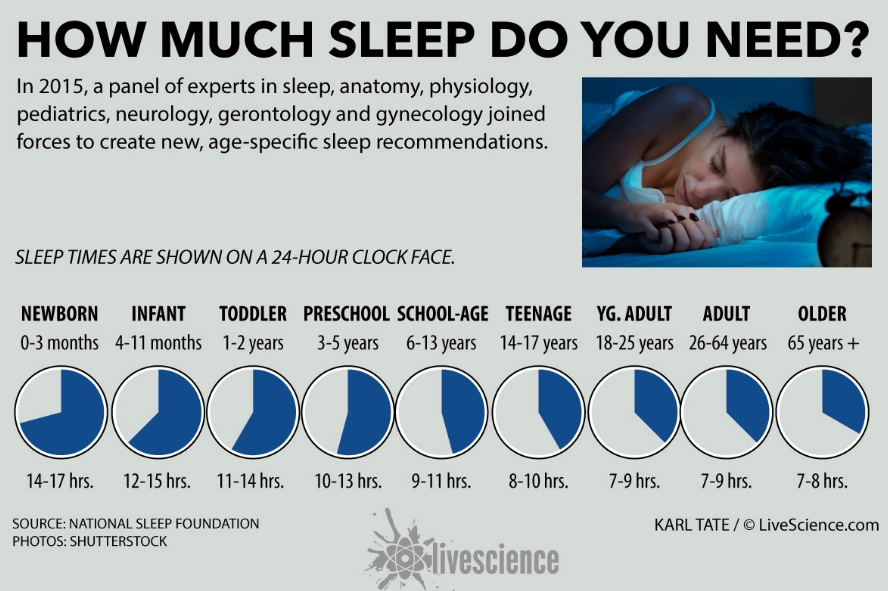
Your Sleep Duration Questions, Answered
 How do I know if my daytime sleepiness is from not enough hours or poor quality?
 The goal isn't to achieve a perfect score on a sleep report card. It's to wake up feeling restored and have the energy to live your life without constant fatigue dragging you down. Start by letting go of the rigid 8-hour ideal. Listen to your body's signals, experiment to find your baseline, and then focus on protecting the quality of that sleep. Sometimes, the best thing you can do for your sleep is to stop watching the clock.
Reader Comments