Let's be honest. When you've been staring at the ceiling for the third night in a row, the idea of a pill that can just switch your brain off is incredibly tempting. Sleep disorder medicine, or what most people call prescription sleep aids, promises exactly that. But after over a decade of talking to patients and seeing the cycle of dependence and frustration, I've learned one thing: these medications are powerful tools, but they're not magic wands. Most guides give you the textbook list. I want to give you the real-world manual—the one that explains not just how they work, but how to navigate the messy process of using them without creating a bigger problem than the one you started with.
The biggest misconception? That taking a sleep pill is like fixing a broken leg with a cast. It's not. It's more like using crutches while you do the physical therapy to heal the muscle. The pill is the crutch. The therapy—the behavioral changes, the routine fixes—that's what leads to lasting change. This guide will walk you through both.
What's Inside?
Understanding Sleep Disorders and Where Medicine Fits In
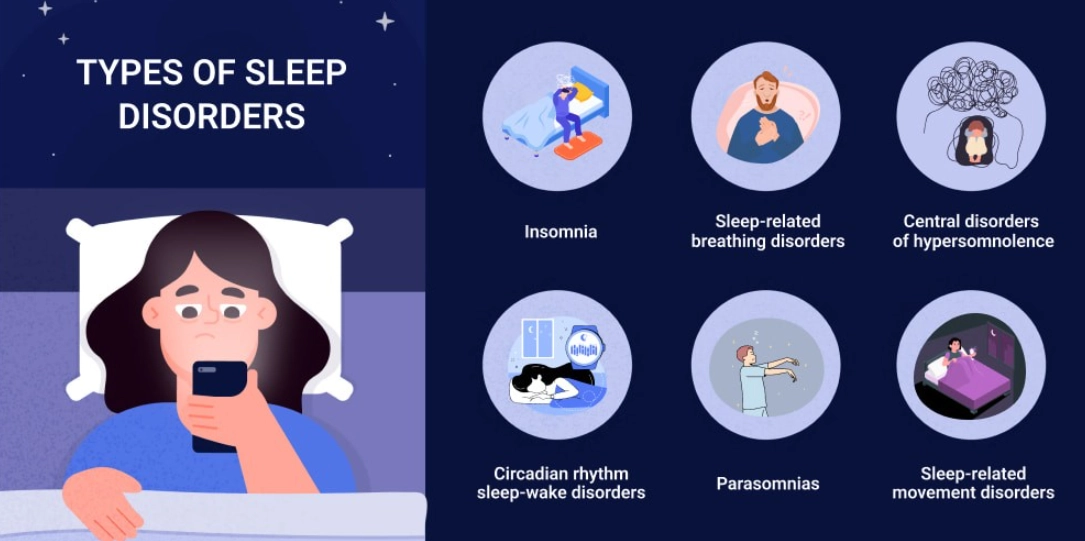
Not all sleeplessness is the same. Prescribing a heavy-duty sedative for someone with delayed sleep phase syndrome (a misaligned body clock) is like using a sledgehammer to fix a watch. It might stop the ticking, but you've broken the mechanism.
Doctors typically consider sleep medicine for a few specific scenarios:
- Short-term insomnia: Triggered by a specific event—grief, job loss, a major surgery. Here, a medication can be a bridge over a temporary crisis, preventing acute sleep loss from hardening into chronic insomnia.
- Chronic insomnia that hasn't responded to therapy: Cognitive Behavioral Therapy for Insomnia (CBT-I) is the gold standard first-line treatment, as recommended by organizations like the National Institutes of Health (NIH). But if someone has tried CBT-I diligently for weeks and still can't get a foothold, medication might be introduced alongside continued therapy.
- Sleep disorders with a clear biological component: This includes conditions like Restless Legs Syndrome (RLS) or certain cases of narcolepsy. The medicine here targets the specific neurological or chemical pathway causing the problem.
The subtle error I see too often? People (and sometimes doctors) reach for the prescription pad before doing a proper "sleep audit." They miss the culprit because they're focused on the symptom. That culprit could be undiagnosed sleep apnea, rampant caffeine use after 2 PM, or a bedroom that's psychologically linked to anxiety and work. Medicine will mask those issues, not solve them.
The Medication Decision Process: Questions to Ask Your Doctor
Walking into a doctor's appointment unprepared is a recipe for a mismatched prescription. Don't just say "I can't sleep." Come with data and pointed questions.
Before you even discuss a specific drug, get clear on the goal. Is this a two-week rescue plan after a traumatic event? Or a longer-term management strategy for a condition like RLS? That goal dictates everything—the class of drug, the dose, and the exit strategy.
Here are the questions I wish every patient would ask:
- "Based on my symptoms, what type of sleep disorder are we suspecting?" (Insomnia? Circadian rhythm disorder? Something else?)
- "Is Cognitive Behavioral Therapy (CBT-I) an option for me first, or alongside medication?" (If they dismiss CBT-I outright, consider a second opinion.)
- "What is the planned duration of this prescription? Is it intended for short-term or potentially longer use?"
- "What are the most common side effects in the first week, and which ones warrant an immediate call to your office?" (Morning grogginess is common; difficulty breathing is an emergency.)
- "How does this medication interact with my other medications or supplements?" (Bring a list, including over-the-counter drugs like antihistamines.)
This conversation turns you from a passive recipient of a script into an active partner in your care. It also filters out doctors who are too quick to prescribe without a plan.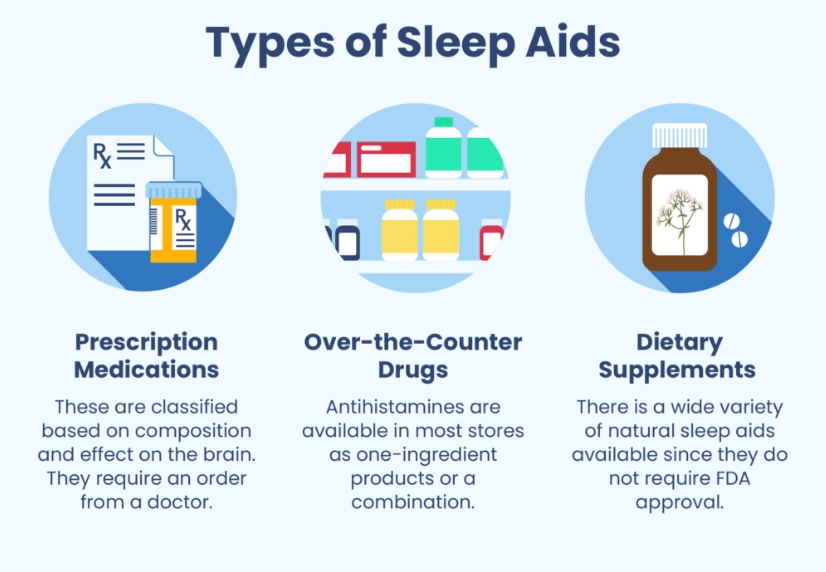
Common Sleep Medications Explained: A Real-World Breakdown
Textbooks categorize these by mechanism. I'll categorize them by how they actually feel and the trade-offs they involve. Remember, the U.S. Food and Drug Administration (FDA) requires all prescription sleep aids to carry warnings about complex sleep behaviors (like sleep-driving) and next-day impairment. That's not scare-mongering; it's a real, albeit rare, risk.
| Drug Class (Examples) | How It Feels / Best For | The Big Trade-Offs & Expert Notes |
|---|---|---|
| Z-drugs (eszopiclone/Lunesta, zolpidem/Ambien, zaleplon/Sonata) | Quickly induces sleep. Feels like a "hard reset" button. Often prescribed for sleep-onset insomnia. | Tolerance builds quickly for some people. The "Ambien walrus" stories (sleep-eating, strange texts) are real for a subset of users. Zaleplon has a very short half-life, so it's less likely to cause morning grogginess but won't help if you wake up at 3 AM. A common mistake is taking it after you've already been in bed awake for an hour—it can lead to dissociation. |
| Benzodiazepines (temazepam/Restoril, triazolam/Halcion) | Older class. Creates a strong, blanket sedative effect that reduces anxiety. Sometimes used for sleep and anxiety. | High risk of dependence, tolerance, and rebound insomnia when stopped. They can significantly impair memory and balance, especially in older adults. In my view, these are rarely a first-choice for pure insomnia anymore due to the risk profile. |
| DORAs (suvorexant/Belsomra, lemborexant/Dayvigo) | Works on the orexin system (which regulates wakefulness). Feels more like "gently turning down the wake drive" than being knocked out. | Newer, with a different side effect profile. Can sometimes cause sleep paralysis or hypnagogic hallucinations in the first few nights as your brain adjusts. They may be a better option for people who also struggle with staying asleep. |
| Sedating Antidepressants (trazodone, mirtazapine/Remeron, doxepin/Silenor) | Often used in low doses. The sleep effect is a side effect of the drug. Can feel like a deep, heavy sleep. | Extremely common "off-label" use. The big pro: low abuse potential. The con: other side effects from the antidepressant action (dry mouth, next-day grogginess, weight gain with mirtazapine) can be problematic even at low doses. Not everyone tolerates them. |
| Melatonin Receptor Agonists (ramelteon/Rozerem) | Mimics your natural sleep hormone. Best for people whose main issue is falling asleep due to a circadian rhythm issue. Feels subtle, not sedating. | Very low abuse potential and minimal next-day effects. The criticism? It's often too subtle for people with significant anxiety-driven insomnia. It's not a strong sedative; it's a circadian signaler. |
Let's put this in a real scenario. Meet Sarah, 42, with stress-induced insomnia. Her doctor prescribes zolpidem (Ambien). It works brilliantly for 5 nights. On night 6, she takes it, gets up to use the bathroom, and feels so unsteady she has to hold the wall. She's terrified. This is the moment many people quit cold turkey or develop a fear of the medication.
The better path? Sarah calls her doctor. They might lower the dose, switch her to a medication with a shorter half-life like zaleplon (to be taken only if she hasn't fallen asleep in 20 minutes), or add a strict behavioral rule: "Once this pill touches your lips, you are in bed for the night. No getting up."
What About Over-the-Counter (OTC) Options?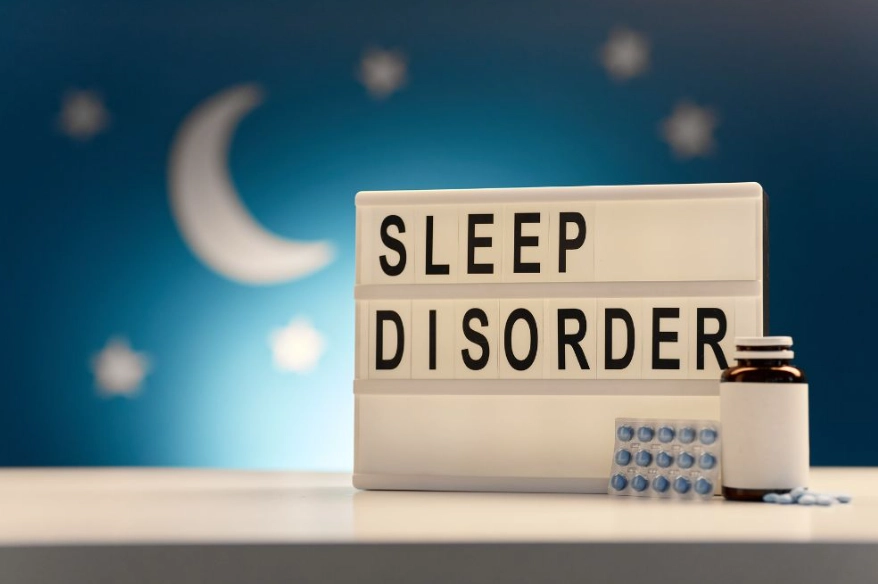
Diphenhydramine (Benadryl, ZzzQuil) and doxylamine (Unisom) are antihistamines. They make you drowsy. That's it.
Here's the non-consensus view: They are terrible long-term solutions. Tolerance develops within days, leading you to take more. They cause significant anticholinergic side effects: dry mouth, blurred vision, constipation, and—most concerningly—a potential link to increased dementia risk with chronic use in older adults, as noted in studies cited by the Alzheimer's Association. They also leave you with a thick, hungover feeling. Use them for the occasional allergic reaction, not as a sleep staple.
Melatonin supplements are different. They can be useful for jet lag or resetting a delayed sleep schedule. But the market is unregulated. A 2022 study found that the actual melatonin content in supplements varied wildly from the label. You might be taking a microdose or a mega-dose. If you use it, start low (0.5mg to 1mg), take it 1-2 hours before target bedtime, and get a reputable brand that uses third-party testing.
Life Beyond the Pill: The Non-Negotiable Integration
If you're on sleep medication without also working on your sleep hygiene and behaviors, you're building a house on sand. The medication will eventually lose its effectiveness, and you'll be left with the same underlying issues.
Think of it as a three-legged stool:
- Leg 1: The Medication (The Short-Term Stabilizer)
- Leg 2: Sleep Behavior (The Habit Rebuilder) This is CBT-I territory: stimulus control (get out of bed if you're not asleep), sleep restriction (temporarily limiting time in bed to increase sleep drive), and challenging catastrophic thoughts about sleep.
- Leg 3: Environment & Routine (The Foundation) Cool, dark, quiet bedroom. A consistent wake-up time (even on weekends) that is the single most powerful cue for your circadian rhythm. Wind-down routine without screens.
Knock out any one leg, and the stool falls over. The goal of the medication is to give you enough restorative sleep to have the mental and physical energy to work on Legs 2 and 3. As those get stronger, the need for the medication (Leg 1) should decrease. Your doctor should be tapering the dose down, not just renewing it indefinitely.
Your Tough Questions Answered
 Can I drink alcohol while taking prescription sleep aids?
Sleep disorder medicine isn't a hero or a villain. It's a tool. A precise, sometimes brittle tool that works best in skilled hands with a clear blueprint. That blueprint includes an accurate diagnosis, behavioral change, and environmental tweaks. Used wisely, it can break the cycle of sleeplessness and provide the relief needed to rebuild healthier sleep habits. Used as a standalone, long-term crutch, it often leads to a dead end. Your journey to better sleep isn't in the pharmacy bottle alone; it's in the comprehensive plan you build with your healthcare provider, with the pill as just one part of the foundation.
Reader Comments