It's 3 AM. The ceiling is your canvas. Your mind is replaying a conversation from 2017. You know you need sleep, but it feels like a skill you've lost. Most articles tell you to put down your phone and meditate. You've tried that. It's not working.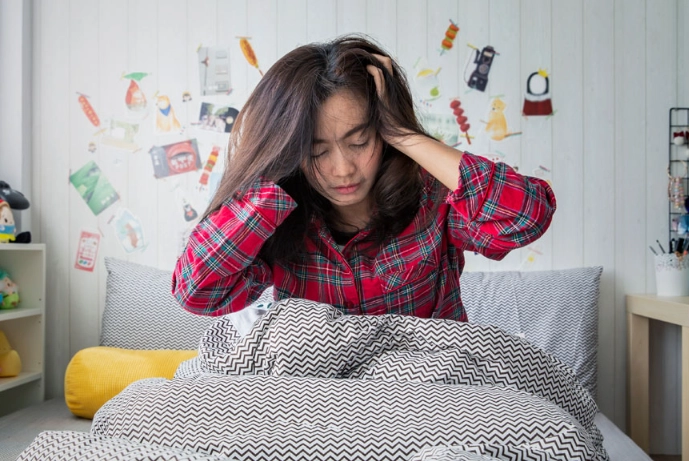
The truth is, sleep deprivation rarely has a single villain. It's usually a committee of factors—some obvious, some hiding in plain sight—voting against your rest. Let's move past the surface-level advice and dig into what's actually keeping you awake.
What's Keeping You Up?
The Obvious (But Often Overlooked) Culprits
We'll start here because these are the levers you can pull immediately. But "obvious" doesn't mean simple. The devil is in the execution.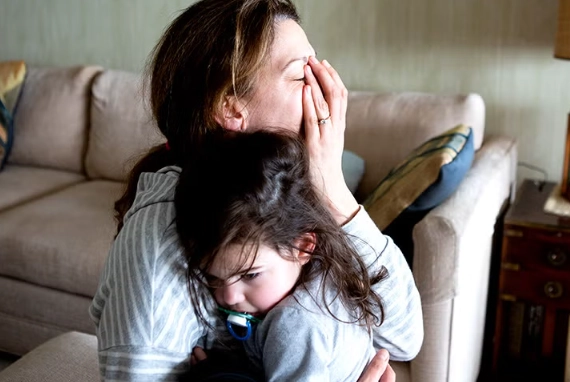
Poor Sleep Hygiene Isn't Just About Routine
Yes, a consistent bedtime helps. But sleep hygiene is about the entire 24-hour cycle, not just the hour before bed. The biggest mistake I see? People think watching Netflix in bed is relaxing. It's not. You're training your brain that the bed is for entertainment and anxiety, not sleep. The blue light is a problem, but the psychological association is a bigger one.
Another one: using the weekend to "catch up." Sleeping until noon on Sunday completely resets your internal clock. Come Sunday night, your body isn't ready for sleep at 11 PM. It's like giving yourself jet lag every week. The Centers for Disease Control and Prevention (CDC) consistently links irregular sleep schedules to poor health outcomes, not just tiredness.
Caffeine and Alcohol: The Deceptive Duo
You know coffee keeps you up. But caffeine's half-life is 5-6 hours. A 3 PM latte means a quarter of that caffeine is still in your system at 9 PM, subtly blocking adenosine, the sleep-pressure chemical. For some, even morning coffee can reduce deep sleep quality.
Alcohol is the real trickster. It's a sedative, so it knocks you out. Great, right? Wrong. As your body metabolizes it, the sedation wears off, leading to fragmented sleep in the second half of the night. You wake up at 3 AM, dehydrated and wide awake. You didn't "sleep through the night"; you passed out and then withdrew.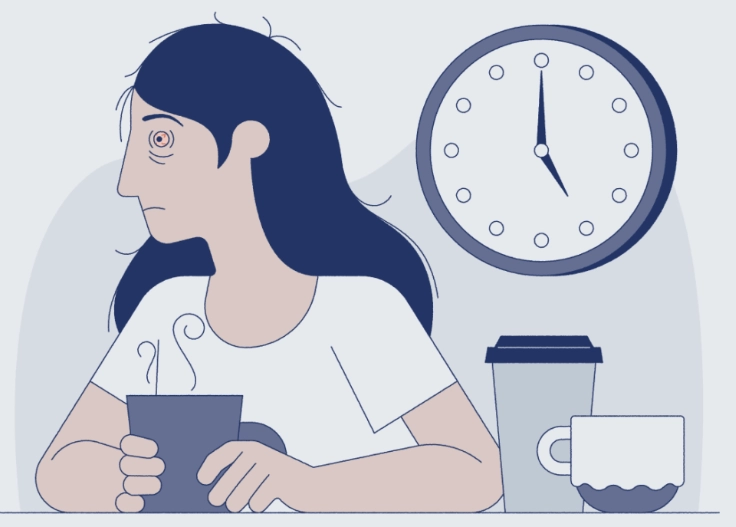
Stress and Anxiety: The Mental Treadmill
"Just relax" is useless advice. Chronic stress keeps cortisol levels elevated at night when they should be dipping. Your body stays in a state of alert. This isn't just about worrying over bills. It's the low-grade, constant hum of modern life—the inbox, the news cycle, the social comparisons. Your nervous system doesn't know the difference between a work deadline and a predator; it just knows it's not safe to fully shut down.
The Hidden Causes That Sabotage Your Sleep
This is where people get stuck. They've fixed the obvious stuff but still feel wrecked. These are the causes often missed by generic online advice.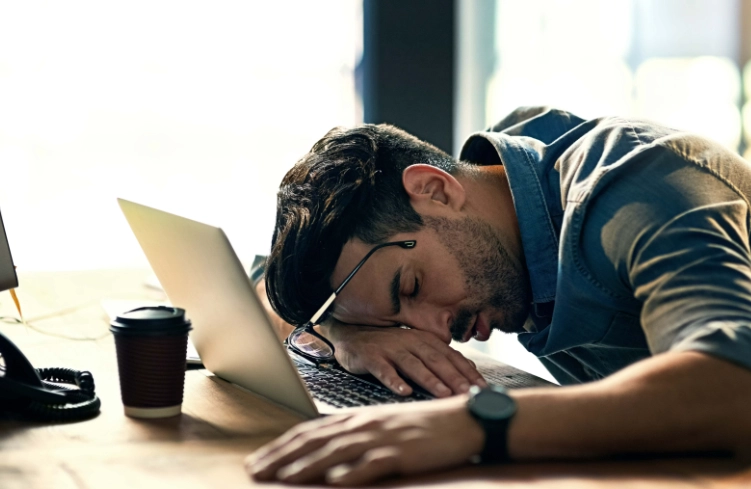
Undiagnosed Medical Conditions
This isn't just "see a doctor" hand-waving. Specific conditions create specific sleep patterns.
- Sleep Apnea: You might not remember waking up gasping for air. The signs? Loud snoring, morning headaches, and crushing fatigue despite 8 hours in bed. Your partner might notice the breathing pauses.
- Restless Legs Syndrome (RLS): That creepy-crawly, irresistible urge to move your legs when you're still. It strikes at night, making it impossible to settle.
- GERD (Acid Reflux): Lying down can cause stomach acid to creep up, causing micro-awakenings you don't recall but that shred your sleep quality.
- Hormonal Shifts: Perimenopause, thyroid issues, even blood sugar dysregulation can wreak havoc on thermoregulation and sleep stability.
If your sleep problem feels physical—you're tired but can't stay asleep, or you have specific sensations—this is your cue to talk to a doctor, not a blogger.
Medication Side Effects
Check the fine print. Common culprits include:
- Some antidepressants (SSRIs can be activating)
- Blood pressure medications (beta-blockers)
- Stimulant-based ADHD medications
- Even some over-the-counter decongestants (pseudoephedrine).
The timing of your dose matters as much as the substance. A morning medication with a 12-hour half-life could still be active at bedtime.
Your Sleep Environment (Beyond a Good Mattress)
It's not just about darkness and quiet. It's about precision.
- Temperature: The science is clear: your core body temperature needs to drop to initiate sleep. A room that's too warm (above 68°F or 20°C for most) prevents this drop. This is why you sleep poorly in a hot hotel room.
- Noise Consistency: It's not the occasional siren that's the worst; it's the constant, low-frequency hum of a refrigerator or traffic. This creates what researchers call "micro-arousals," pulling you out of deep sleep without waking you up.
- Light Pollution: Even tiny amounts of light from a charging LED, a streetlamp, or a crack under the door can suppress melatonin production. Your eyelids are thin. Total darkness isn't an aesthetic preference; it's a biological requirement.
Your Sleep Environment: A Quick Audit Checklist
Run through this tonight. Be honest.
| Factor | Ideal State | Quick Fix to Try Tonight |
|---|---|---|
| Temperature | Cool (65-68°F / 18-20°C) | Crack a window, use a fan, ditch the heavy comforter. |
| Light | Pitch black | Blackout curtains or a high-quality sleep mask. Tape over LED lights. |
| Noise | Consistent and low, or silent | White noise machine or a fan. Earplugs if you can tolerate them. |
| Bed Association | For sleep and intimacy only | No phones, laptops, or work in bed. At all. |
| Comfort | Mattress supports, pillow aligns spine | If your mattress sags or is >8 years old, it's a contender. Flip/rotate it. Try a different pillow. |
I once worked with a client who solved years of mid-night awakenings by simply moving her bed away from the wall shared with the building's elevator shaft. The low-frequency vibration was the culprit. It's often the thing you've stopped noticing.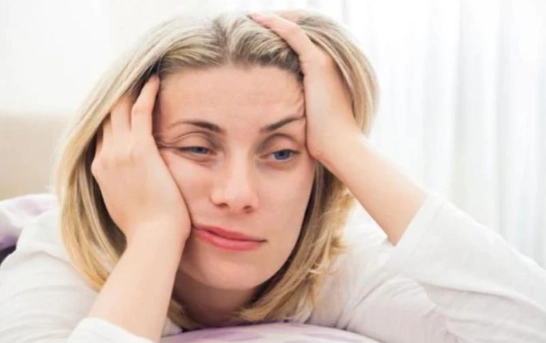
How to Start Breaking the Cycle Tonight
You can't fix everything at once. Pick ONE thing from the list below that feels manageable. Master it for a week, then add another.
1. The 60-Minute Wind-Down (But Make It Boring)
Not a luxurious bath with candles if that feels like a chore. Do something genuinely monotonous: listen to a boring audiobook, do some light stretching, tidy the kitchen without rushing. The goal is to lower cognitive and emotional stimulation, not to achieve spa-level relaxation.
2. Get Light Right
View bright light (preferably sunlight) within 30 minutes of waking. This sets your circadian clock. At night, dim overhead lights 2 hours before bed. Use lamps. Install blue-light filtering software on your devices, but better yet, put them away.
3. Reframe the Goal
Stop trying to "fall asleep." Your goal is to get into bed and rest comfortably. If sleep comes, great. If you're awake after 20 minutes, get up and do that boring activity in dim light until you feel sleepy. This breaks the anxiety link.
Sleep deprivation builds up like debt—sleep debt. It takes time to pay it back. Consistency over intensity is the key.
Your Sleep Deprivation Questions, Answered
Figuring out your personal sleep deprivation causes is detective work. It's rarely one thing. Start with your environment and habits, be brutally honest about substances like caffeine and alcohol, and don't ignore the possibility of a physical root cause. The goal isn't perfect sleep every night—that's a myth. The goal is understanding the levers so you can pull them when you need to, and finally stop blaming yourself for being "bad at" a basic biological function.
Reader Comments