You've probably heard a dozen sleep tips. Drink chamomile tea. Count sheep. Meditate. But what if there was a simple, numbered checklist you could follow every night? That's the promise of the 10-5-3-2-1 sleep rule. It's not magic, but a structured framework designed to quiet your mind and prepare your body for sleep, hour by hour. Let's cut through the noise and break down exactly what this rule is, why each number matters, and how you can make it work for your real, messy life.
Your Quick Guide to the 10-5-3-2-1 Rule
What Is the 10-5-3-2-1 Rule, Really?
At its core, the 10-5-3-2-1 method is a countdown to bedtime. Each number represents a cutoff point for specific activities, creating a gradual wind-down ritual. Think of it as a digital curfew for your habits.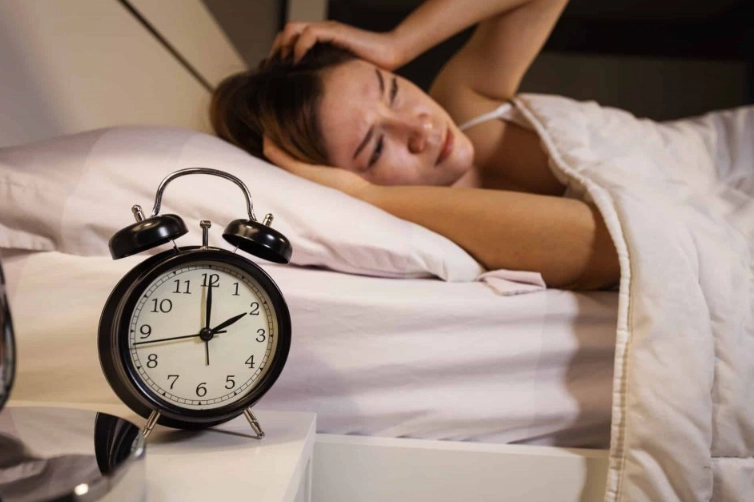
The goal isn't just to get you into bed, but to get your nervous system out of "go" mode and into "slow" mode. Modern sleep science, like the research highlighted by the Sleep Foundation, consistently shows that pre-sleep routines are critical for signaling to your brain that it's safe to shut down. This rule operationalizes that science.
Here’s the basic framework:
- 10 hours before bed: No more caffeine.
- 5 hours before bed: No more heavy meals or alcohol.
- 3 hours before bed: No more work or intense exercise.
- 2 hours before bed: No more screen time (the hard one).
- 1 hour before bed: No more tasks or stressful conversations. Time to relax.
It sounds strict. Maybe too strict. But the power isn't in robotic adherence; it's in understanding the why behind each step.
Breaking Down the Numbers: A Step-by-Step Guide
Let's say your target bedtime is 11 PM. Here’s how the 10-5-3-2-1 sleep schedule would play out, and more importantly, the science driving each cutoff.
10 Hours Before Bed: The Caffeine Cutoff (1 PM)
That 1 PM latte? It's a bigger sleep thief than you think. Caffeine has a half-life of about 5-6 hours. If you have 100mg of caffeine at 1 PM, 50mg is still circulating in your system at 7 PM, and 25mg at 1 AM. This adenosine blockade can significantly reduce deep sleep quality, even if you still fall asleep.
5 Hours Before Bed: The Food & Alcohol Buffer (6 PM)
This is about digestion and chemistry. A large, greasy meal at 8 PM forces your body to work on processing food when it should be powering down. Acid reflux and discomfort are common sleep disruptors.
Alcohol is the real trickster. It's a sedative, so it might knock you out initially. But as your body metabolizes it, the process causes mini-withdrawals that fragment your sleep later in the night, especially during the crucial REM phase. A nightcap might get you to sleep faster, but it ruins the second half of your night.
3 Hours Before Bed: The Stress & Stimulus Shield (8 PM)
Closing your laptop at 8 PM isn't just about screens—it's about closing mental tabs. Finishing a stressful work project or having a heated discussion triggers cortisol and adrenaline. Your body needs time to clear those stress hormones.
Similarly, intense exercise is stimulating. A hard HIIT workout or long run raises your core body temperature and releases endorphins, both of which can interfere with the natural cooling process needed for sleep onset. Gentle movement like stretching or yoga is fine, but save the high-intensity stuff for earlier.
2 Hours Before Bed: The Digital Sunset (9 PM)
This is the most talked-about, and most often broken, part of the rule. Blue light from phones, tablets, and TVs suppresses melatonin production, the hormone that tells your brain it's nighttime. But it's not just the light. Scrolling through social media or news triggers emotional responses—anxiety, FOMO, excitement—that are the opposite of relaxation.
What to do instead? This is your window for analog activities: read a physical book, listen to a podcast or music (with the screen off), plan the next day with a notebook, or have a real conversation.
1 Hour Before Bed: The Relaxation Launchpad (10 PM)
The final hour is for positive, calming rituals. This is where you actively tell your body it's safe to sleep. No paying bills, no cleaning the kitchen, no planning the family logistics for tomorrow.
Effective activities include:
- Light stretching or gentle yoga (like legs-up-the-wall pose).
- Taking a warm bath or shower (the drop in body temperature afterwards promotes sleepiness).
- Practicing gratitude journaling or a simple meditation.
- Listening to calming music or a sleep story.
How to Make the 10-5-3-2-1 Rule Work For You
Adopting this rule perfectly from day one is a recipe for failure. It's a framework, not a law. Here’s a realistic implementation plan.
Start with One Number. Don't try to overhaul your entire evening. Which part of your current routine is most disruptive to your sleep? Is it the late-night scrolling? Start by enforcing the 2-hour screen cutoff. Master that for a week, then add the 3-hour work cutoff.
Calculate Backwards from Wake-up. The rule is easier to follow if you anchor it to your wake-up time. If you need to be up at 7 AM, work backwards to find your ideal bedtime (say, 11 PM for 8 hours), then apply the countdown from there.
Create a "Switch-Over" Ritual. The transition from day to night needs a marker. It could be as simple as brewing a cup of caffeine-free tea at 1 PM, or putting your phone on a charger in another room at 9 PM. This physical act signals the mental shift.
Let’s look at a comparison of an ideal vs. a realistic first-week scenario:
| Time Before Bed | Ideal 10-5-3-2-1 Activity | Realistic First-Week Compromise |
|---|---|---|
| 10 hours (1 PM) | Last coffee of the day. | Last caffeinated coffee. Allow decaf after. |
| 5 hours (6 PM) | Finish a light dinner, no wine. | Have dinner, limit alcohol to one small glass. |
| 3 hours (8 PM) | Stop all work, put laptop away. | Stop active work tasks. Allow 15 mins for next-day planning. |
| 2 hours (9 PM) | Phones/TVs off. Read a book. | Enable Night Shift/blue light filter. Use phone only for audiobooks or music. |
| 1 hour (10 PM) | Meditate, stretch, bath. | Choose ONE relaxing activity (e.g., 10 mins of stretching). |
Where Most People Go Wrong (And How to Fix It)
After coaching people on sleep for years, I see the same mistakes derail the 10-5-3-2-1 rule.
Mistake 1: Treating it as a strict, inflexible law. Life happens. A work deadline runs late, you have a social dinner, your kid is sick. If you break one part of the rule, the instinct is to say "screw it" and abandon the whole night. Don't. The rule is damage control. If you're on screens until 10 PM, still honor the 1-hour relaxation window. Something is better than nothing.
Mistake 2: Focusing only on the last 2 hours. The 10-hour caffeine cutoff is arguably more important than the 2-hour screen rule for many people, but it gets ignored because it feels unrelated to bedtime. That afternoon slump caffeine hit is directly sabotaging your sleep architecture. You can't out-meditate a double espresso at 4 PM.
Mistake 3: Making the wind-down hour another chore. If you hate journaling, don't journal. If sitting still to meditate makes you anxious, try a walking meditation or simply sipping tea while looking out the window. The goal is relaxation, not productivity. Find what genuinely feels peaceful to you.
Your 10-5-3-2-1 Rule Questions, Answered
The 10-5-3-2-1 rule’s strength is its simplicity. It gives you clear guardrails. Start by picking one number to focus on this week. Notice what changes. You might find that a quiet mind at 10 PM is worth more than that last scroll through your phone.
Reader Comments