Your Quick Sleep Food Map
You know that feeling—tossing and turning, mind racing, while the clock ticks away. I've been there. But here's the thing: what you eat before bed can make a huge difference. It's not just about avoiding caffeine; certain foods actively promote sleep by influencing brain chemicals like melatonin and serotonin. In this guide, I'll walk you through the science-backed foods that help you sleep better, based on research and my own trial-and-error over the years.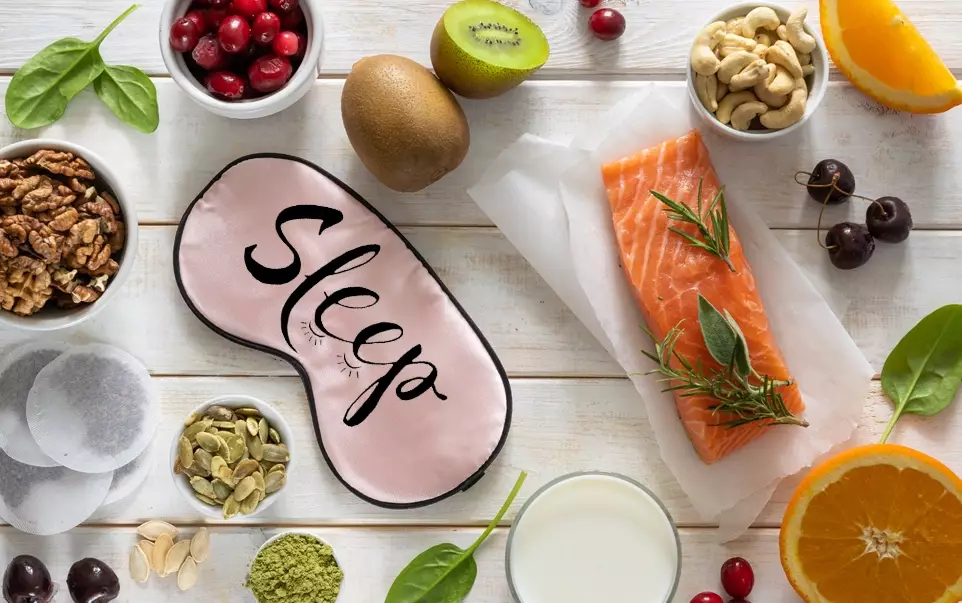
How Foods Actually Improve Your Sleep
Sleep isn't just about closing your eyes. Your body needs specific nutrients to wind down. Foods rich in tryptophan, magnesium, and melatonin can signal your brain that it's time to rest. Tryptophan converts to serotonin and then melatonin—the sleep hormone. Magnesium helps relax muscles and calm the nervous system. It's like giving your body a natural sleep aid.
Most people think sleep foods are just warm milk. That's a myth. The key is combining nutrients for synergy. For example, eating a carb with tryptophan-rich food can enhance absorption. I learned this the hard way when I tried eating plain turkey before bed and saw no effect until I paired it with whole-grain toast.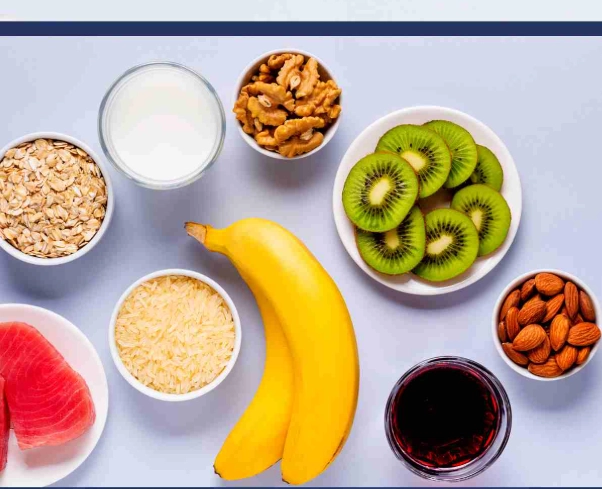
The Science Behind Sleep-Promoting Nutrients
Let's break it down. Melatonin is produced in the pineal gland, but foods like cherries and nuts can boost levels. According to a study published in the Journal of Medicinal Food, tart cherry juice increased melatonin levels and improved sleep quality. Magnesium deficiency is linked to insomnia—foods like spinach and almonds can fill that gap. Tryptophan, found in poultry and seeds, is a precursor to serotonin, which regulates mood and sleep.
I remember reading a report from the National Sleep Foundation that highlighted how diet impacts sleep cycles. It's not just about one magic food; it's about consistent habits.
Top Sleep-Inducing Foods to Try Tonight
Here's a practical list of foods that help you sleep better. I've categorized them by key nutrients so you can mix and match.
| Food | Key Nutrient | How It Helps Sleep | Best Time to Eat |
|---|---|---|---|
| Kiwi | Antioxidants, Serotonin | Reduces sleep onset time; studies show it improves sleep quality. | 1 hour before bed |
| Almonds | Magnesium, Melatonin | Relaxes muscles; a handful can promote deeper sleep. | 30 minutes before bed |
| Fatty Fish (e.g., Salmon) | Omega-3s, Vitamin D | Boosts serotonin production; linked to better sleep regulation. | With dinner, 2-3 hours before bed |
| Tart Cherry Juice | Melatonin | Increases melatonin levels; effective for insomnia. | 1-2 hours before bed |
| Walnuts | Melatonin, Healthy Fats | Natural source of melatonin; supports sleep-wake cycles. | As a bedtime snack |
| Bananas | Magnesium, Potassium | Relaxes muscles; contains tryptophan for serotonin. | 30-60 minutes before bed |
| Herbal Tea (Chamomile) | Apigenin (antioxidant) | Calms nerves; reduces anxiety for easier sleep. | 30 minutes before bed |
Notice how many are whole foods? That's crucial. Processed snacks might seem convenient, but they often spike blood sugar and disrupt sleep. I used to grab cookies late at night, and my sleep suffered. Switching to a banana with almond butter changed everything.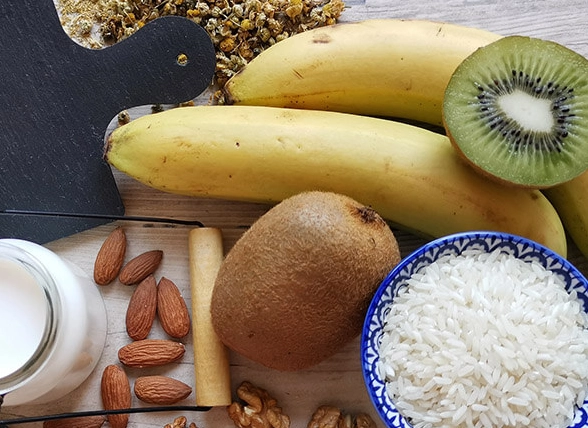
A Personal Experiment: The Kiwi Test
Last year, I tried eating two kiwis one hour before bed for a week. The first night, I fell asleep about 15 minutes faster. By day five, I was waking up less often. It's not a miracle cure, but it's a simple tweak that adds up. The key is consistency—don't expect instant results from one meal.
When and How to Eat for Better Sleep
Timing is everything. Eating too close to bedtime can cause indigestion, but going to bed hungry can keep you awake. Aim for a light snack 30-60 minutes before sleep, and keep dinner at least 2-3 hours prior.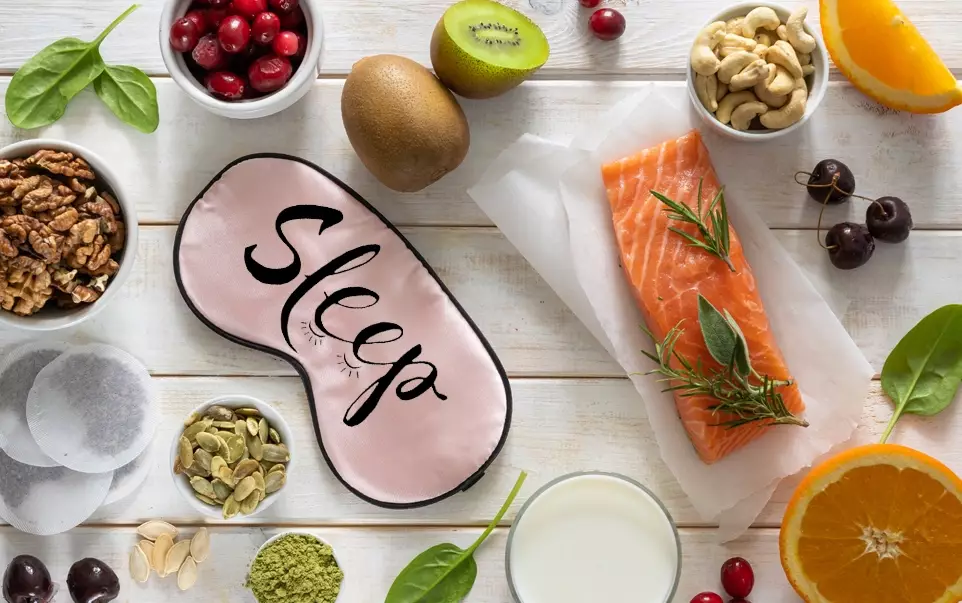
Here's a sample evening routine that works for me:
- 7:00 PM Dinner: Grilled salmon with quinoa and steamed spinach. The combo provides omega-3s, magnesium, and tryptophan.
- 9:30 PM Snack: A small bowl of tart cherries or a handful of walnuts. Avoid anything sugary.
- 10:00 PM Wind-down: Sip chamomile tea while reading. The ritual signals sleep time.
Portion control matters. Overeating, even healthy foods, can lead to discomfort. I learned this when I overdid almonds and spent the night with a stomachache. Stick to small servings—like a quarter cup of nuts or one piece of fruit.
Pro tip: Combine foods for better effect. Try a slice of whole-grain toast with almond butter (carbs help tryptophan cross the blood-brain barrier). Or mix cherries into Greek yogurt for a protein boost.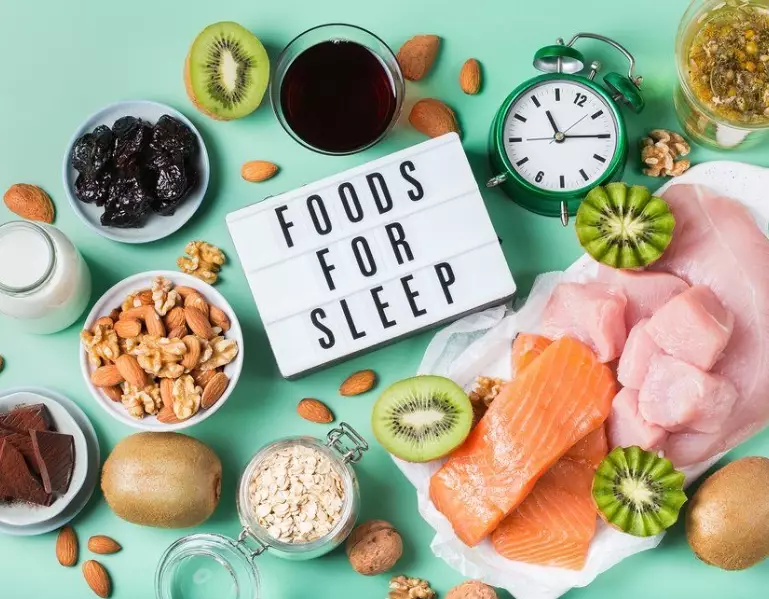
Common Mistakes People Make with Sleep Foods
Everyone talks about what to eat, but few mention the pitfalls. Here are mistakes I've seen—and made myself.
Eating too late: A heavy meal right before bed diverts energy to digestion, not sleep. I used to have late dinners, and my sleep was shallow. Shift to earlier meals.
Ignoring hydration: Dehydration can cause nighttime awakenings. But drinking too much water before bed means bathroom trips. Sip fluids earlier in the evening.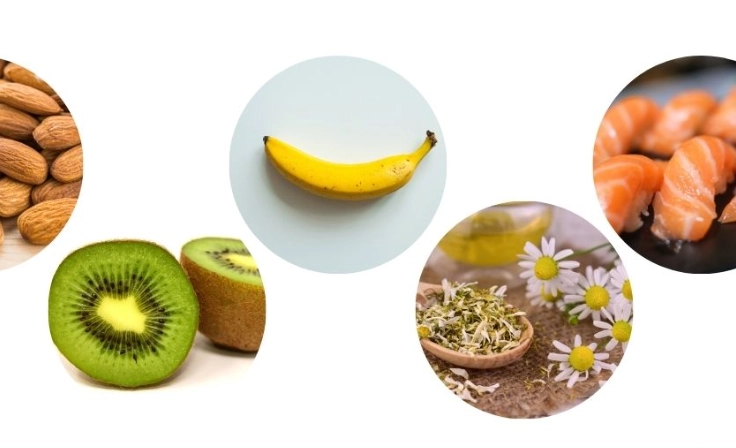
Relying on sugar: That bedtime ice cream habit? It spikes blood sugar, leading to crashes that disrupt sleep. Opt for low-glycemic options like berries instead.
Overdoing caffeine: It's obvious, but even hidden caffeine in chocolate or tea can linger. Cut off caffeine by mid-afternoon.
One subtle error: not considering food sensitivities. For some, dairy before bed causes bloating or congestion, worsening sleep. Pay attention to how your body reacts.
FAQ: Your Sleep Food Questions Answered
Incorporating these foods into your routine isn't about drastic changes. Start with one swap, like replacing that late-night chips with a handful of walnuts. Track your sleep for a week—you might be surprised. Sleep is deeply personal, so experiment to find what works for you. Remember, consistency beats perfection. Sweet dreams!
Reader Comments