Let's be honest. When an older loved one is struggling to sleep through the night, the immediate thought is often, "Is there a pill for that?" The search for safe sleeping pills for the elderly is one of the most common, and most fraught, journeys families undertake. I've seen it firsthand, both professionally and in my own family. The desire for a quick fix is powerful, but the reality of medication for senior sleep is far more complex and nuanced than most people realize.
This isn't about scaring you away from all medication. It's about giving you the clear, practical, and sometimes uncomfortable information you need to make truly safe choices. The goal isn't just sleep—it's better sleep that doesn't come at the cost of increased falls, confusion, or long-term dependency.
What You'll Learn in This Guide
- Why Sleep Changes as We Age (It's Not Just "Getting Old")
- Prescription Sleep Medications: A Double-Edged Sword
- Over-the-Counter Sleep Aids: Are They Really Safer?
- Powerful Non-Medication Strategies That Actually Work
- How to Talk to a Doctor About Sleep Problems
- Building Your Integrated Sleep Safety Plan
- Your Questions, Answered
Why Sleep Changes as We Age (It's Not Just "Getting Old")
First, we need to ditch the idea that terrible sleep is an inevitable part of aging. It's common, yes, but not inevitable. Blaming "old age" can make us miss treatable underlying issues. Sleep architecture changes. Older adults spend less time in deep, restorative sleep (slow-wave sleep) and REM sleep. They also experience a phase advance—getting sleepy earlier in the evening and waking earlier in the morning. This is normal.
The real problems start when other factors pile on:
- Medical Conditions: Chronic pain (arthritis, back pain), heart failure, COPD, acid reflux, and an overactive bladder are massive sleep disruptors. Treating the condition often improves sleep more than any sleeping pill.
- Medication Side Effects: This is a huge one. Diuretics (causing nighttime trips to the bathroom), some blood pressure meds, steroids, and certain antidepressants can severely fragment sleep. A medication review is step one.
- Sleep Disorders: Sleep apnea rates skyrocket in older adults, especially in men and post-menopausal women. Restless Legs Syndrome (RLS) also becomes more common. These require specific diagnosis and treatment.
- Lifestyle & Environmental Factors: Lack of daytime activity, napping too long, poor sleep hygiene, and a bedroom that's too warm or too bright.
Jumping straight to sleeping pills without investigating these areas is like putting a bandage on a leaky pipe. You might hide the symptom for a night, but the underlying problem keeps causing damage.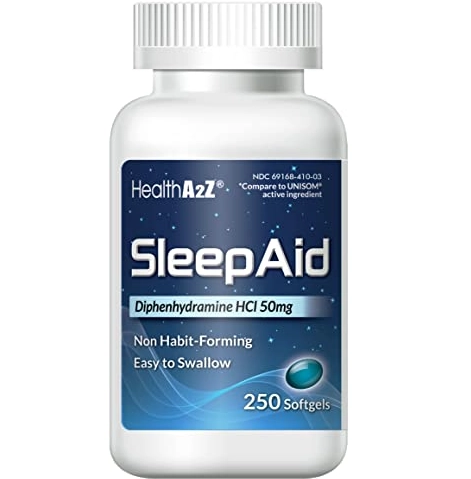
Prescription Sleep Medications: A Double-Edged Sword
Here's where we get into the meat of the issue. Most prescription sleep aids carry significant risks for older adults. The American Geriatrics Society explicitly lists most benzodiazepines and non-benzodiazepine "Z-drugs" as potentially inappropriate for seniors due to these risks. Let's break down the main classes.
| Medication Type | Common Examples | Key Risks for Seniors | When (If Ever) It Might Be Considered |
|---|---|---|---|
| Benzodiazepines | Lorazepam (Ativan), Temazepam (Restoril), Alprazolam (Xanax) | High risk of falls, fractures, daytime sedation, confusion, memory issues, dependence. Strongly discouraged. | Extreme, short-term anxiety crises. Almost never for routine insomnia. |
| Non-Benzodiazepine "Z-Drugs" | Zolpidem (Ambien), Eszopiclone (Lunesta), Zaleplon (Sonata) | Falls, confusion, complex sleep behaviors (sleep-driving, sleep-eating), next-day impairment. Use extreme caution at lowest dose. | Severe, short-term insomnia after other options fail. Lowest possible dose for shortest duration. |
| Sedating Antidepressants | Trazodone, Mirtazapine, Doxepin (low-dose) | Daytime hangover, dizziness, dry mouth, weight gain (Mirtazapine). Generally lower fall risk than benzos. | More commonly used off-label. Doxepin at 3-6 mg is FDA-approved for sleep maintenance insomnia. |
| Melatonin Receptor Agonist | Ramelteon (Rozerem) | Minimal risk of dependence or next-day effects. May not be powerfully sedating for everyone. | A safer pharmacological option, especially for sleep-onset problems. |
| Orexin Receptor Antagonist | Suvorexant (Belsomra), Lemborexant (Dayvigo) | Daytime drowsiness, potential for sleep paralysis or hallucinations. Less historical data in frail elderly. | Newer class. May be an option when others are unsuitable, but start low. |
I recall a patient, let's call her Edith. Her family doctor had prescribed a low dose of a benzodiazepine for years. She was increasingly "foggy" and had two minor falls. Nobody connected it to the sleep pill because she took it at night. We tapered her off (under supervision) and worked on her actual pain management. The fogginess lifted, and the near-falls stopped. The sleep medication was the primary culprit in her decline, not her age.
Over-the-Counter Sleep Aids: Are They Really Safer?
Many people assume that because you can buy it without a prescription, it must be safe. This is a dangerous assumption for older adults.
Diphenhydramine & Doxylamine (Benadryl, Unisom, etc.)
These are anticholinergic drugs. For seniors, they are among the worst choices. Research, including studies cited by the National Institute on Aging, links strong anticholinergic effects to increased risk of dementia, delirium, constipation, urinary retention, and blurred vision. They also lose effectiveness for sleep within a few weeks while the risks remain. I strongly advise against them.
Melatonin Supplements
Melatonin is a hormone your body produces naturally. Supplementing can help reset a disrupted sleep-wake cycle, like in jet lag or for advanced sleep phase disorder (falling asleep too early).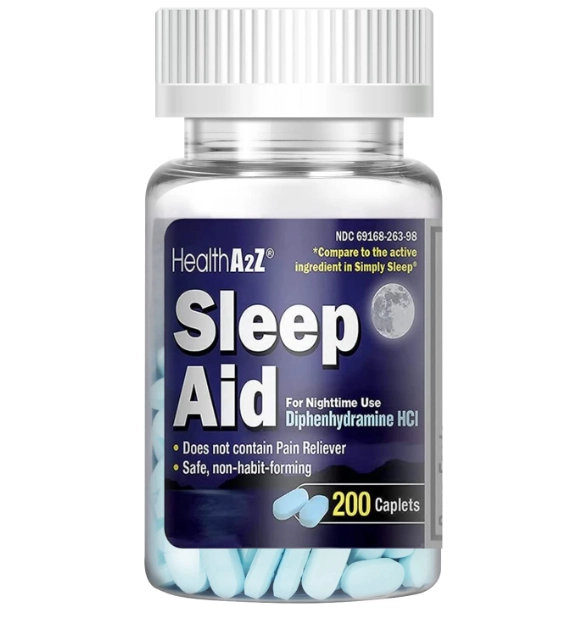
The Melatonin Mistake: Most people take too much. For circadian rhythm regulation, a microdose of 0.5mg to 1mg, taken 1-2 hours before bed, is often more effective than the 5mg or 10mg pills sold. Higher doses can cause morning grogginess and vivid dreams. Quality varies wildly between brands. Look for USP-verified products.
Powerful Non-Medication Strategies That Actually Work
This is where we cover ground your doctor might not have time for. These strategies address the root causes of sleep problems and have zero pharmaceutical side effects.
1. Cognitive Behavioral Therapy for Insomnia (CBT-I)
This is the gold-standard, first-line treatment for chronic insomnia, recommended by organizations like the American College of Physicians. It's not just "talk therapy"; it's a structured program that changes behaviors and thoughts around sleep. It's more effective in the long term than sleep medication. Key components include:
- Sleep Restriction: Temporarily limiting time in bed to match actual sleep time, which builds sleep drive and consolidates sleep.
- Stimulus Control: Getting out of bed if not asleep in 20 minutes, breaking the association between bed and frustration.
- Cognitive Restructuring: Challenging unhelpful beliefs like "I must get 8 hours or I'll be ruined."
You can find trained therapists or use FDA-cleared digital CBT-I programs online.
2. The Sleep Environment & Routine Audit
Get brutally honest about the bedroom.
- Light: Pitch black. Use blackout shades. Even tiny amounts of light from chargers can disrupt melatonin. Consider a sleep mask.
- Sound: White noise or a fan can mask disruptive noises (snoring, traffic).
- Temperature: Cooler is better, around 65-68°F (18-20°C).
- The 30-Minute Wind-Down: No news, no suspenseful TV, no intense conversations. Read a physical book (not a tablet), listen to calm music, do gentle stretches.
3. Strategic Daytime Habits
Sleep is built during the day.
- Morning Light: Get 15-30 minutes of outdoor light within an hour of waking. This anchors your circadian rhythm.
- Exercise: Even a 20-minute daily walk improves sleep quality. Avoid vigorous exercise close to bedtime.
- Nap Management: If you must nap, keep it to 20 minutes, before 3 PM.
- Fluid Management: Shift most fluid intake to earlier in the day to reduce nighttime bathroom trips.
How to Talk to a Doctor About Sleep Problems
Walking in and saying "I can't sleep" will likely get you a prescription. Go in prepared. This shows you're a partner in care.
- Bring a Sleep Diary: For 1-2 weeks, track bedtime, wake time, estimated sleep time, nighttime awakenings, naps, alcohol, and medication times.
- Ask Specific Questions: "Could any of my current medications be affecting my sleep?" "Given my history of [e.g., balance issues], what is the safest option?" "What are your thoughts on referring me for a sleep study or CBT-I?"
- State Your Goal: "I want to improve my sleep in the safest way possible, prioritizing non-drug options first."
Building Your Integrated Sleep Safety Plan
Think of this as a layered approach. Start from the bottom and move up only if needed.
- Foundation: Optimize sleep hygiene, light exposure, and daily activity. Manage pain and other medical conditions effectively.
- First Intervention: Try a high-quality, low-dose melatonin (0.5-1mg) if sleep timing is the main issue. Pursue CBT-I.
- Medical Consultation: Rule out sleep apnea, RLS, and medication side effects with your doctor.
- Consider Medication: If necessary, discuss the safest option (like low-dose doxepin or ramelteon) at the lowest effective dose for the shortest possible time. Have a clear plan to reassess and taper off.
Safety isn't just about the pill's chemical safety; it's about the safety of the entire person in their environment.
Your Questions, Answered
My 80-year-old mother has been on Ambien for years. Is it too late to stop?
It's almost never too late to reevaluate, but stopping suddenly can be dangerous, causing rebound insomnia and withdrawal. The goal should be a slow, medically supervised taper. The process might take weeks or months. The benefits—reduced fall risk, clearer thinking—can be significant even at an advanced age. Frame it not as taking something away, but as reducing a risk to gain more independence and clarity.
What's the one most overlooked non-drug tip for seniors who wake up to use the bathroom multiple times?
Elevate the foot of the bed by 4-6 inches. This uses gravity to pull fluid from your legs back into circulation earlier in the night, so your kidneys process it before bedtime, not during. It's more effective for many than just limiting evening fluids. Combine this with ensuring a clear, well-lit path to the bathroom to prevent falls.
Are prescription sleep medications ever the right choice for an elderly person with dementia?
Extreme caution is needed. Dementia patients are exquisitely sensitive to these drugs. They can dramatically worsen confusion, agitation (paradoxical reaction), and increase fall risk. The focus should be on non-pharmacological management: structured routines, calming daytime activities, managing discomfort, and a safe environment. Medication should be a last resort, at minimal doses, and constantly re-evaluated. The FDA has issued warnings about the use of certain sleep and anxiety drugs in dementia patients due to increased mortality risk.
I've heard magnesium helps with sleep. Is it safe for my elderly parent?
Magnesium glycinate or citrate can be helpful, especially if diet is poor or they are on a diuretic that depletes magnesium (common). It promotes muscle relaxation. However, it can interact with certain heart and blood pressure medications and cause diarrhea at high doses. Always check with the doctor or pharmacist before starting. A typical safe starting dose might be 200mg of magnesium glycinate at dinner.
Reader Comments