You know the feeling. It's 2:30 PM. Your lunch has settled, your screen is blurring, and your brain feels like it's moving through thick syrup. The urge to close your eyes for just ten minutes is overwhelming. Then the guilt hits. "I shouldn't be tired." "This is lazy." "I need more coffee." What if I told you that hitting the proverbial wall every afternoon isn't a personal failing, but a biological mandate? And that giving in to that urge for a short nap might be one of the smartest, healthiest things you can do for your mind and body.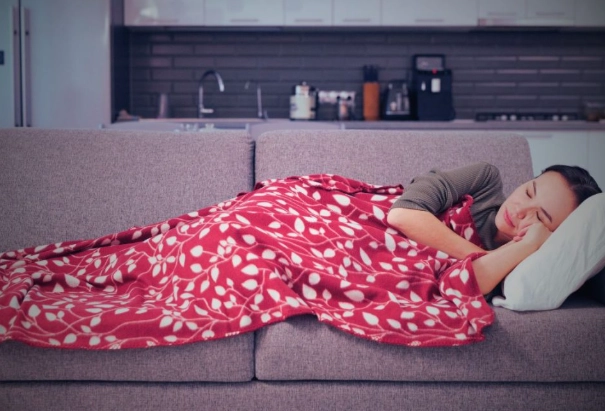
Forget the hustle-culture stigma. From Winston Churchill and Leonardo da Vinci to modern-day CEOs and elite athletes, strategic napping has been a secret weapon for centuries. Science is now catching up, showing that a well-timed nap isn't an indulgence—it's a performance-enhancing, health-promoting reset button wired into our physiology.
What You’ll Learn in This Guide
The Science Behind the Afternoon Slump (It's Not Just Lunch)
Blaming the post-lunch coma solely on that turkey sandwich is a classic mistake. The primary driver is your circadian rhythm—your body's internal 24-hour clock. This rhythm dictates a natural dip in alertness for most people in the early afternoon, typically between 1 PM and 3 PM. Research from institutions like the Sleep Foundation confirms this is a hardwired phenomenon, observed even in cultures without a heavy midday meal.
Think of your alertness like a wave. It peaks in the late morning, then naturally troughs in the afternoon before rising again for a second, smaller peak in the early evening. Fighting this dip with caffeine or sheer willpower is like swimming against a strong current. You might make progress, but it's exhausting and inefficient.
Here’s what’s actually happening:
- Adenosine Buildup: A sleep-promoting chemical called adenosine builds up in your brain from the moment you wake up. By mid-afternoon, levels are high enough to signal a need for rest.
- Circadian Dip: Your core body temperature dips slightly, and melatonin (the sleep hormone) production gets a tiny, preparatory nudge, both signaling a lower-energy state.
- Memory Consolidation: Some researchers suggest this quiet period may be when the brain starts processing and filing away the morning's learnings, creating a temporary cognitive "lag."
A short nap works by clearing out some of that adenosine, giving your brain a fresh start without needing a full sleep cycle reboot.
Beyond Sleepiness: The Proven Health Benefits of Napping
Calling naps "refreshing" undersells them. The data shows impacts that look more like a superpower. Let's break down what a 10-20 minute nap can actually do for you.
The Cognitive Reboot: Studies, including one from NASA on sleepy pilots, found a 26-minute nap improved alertness by 54% and performance by 34%. It's like hitting Ctrl+Alt+Del on your brain's overloaded task manager. Your working memory, logical reasoning, and reaction time all get a measurable boost.
But it goes deeper than just feeling more awake.
Napping for Your Heart and Mood
This is where it gets really interesting. Observational research, like a study published in the journal Heart, found that occasional napping (1-2 times per week) was associated with a lower risk of cardiovascular events like heart attacks and strokes. The theory is that napping may help reduce stress and give the cardiovascular system a brief respite.
For mood, the effect is almost immediate. A short nap can lower cortisol (the stress hormone) levels and increase tolerance for frustration. Ever notice how a problem that seemed insurmountable at 2 PM feels manageable after a quick rest? That's your emotional regulation getting a tune-up.
The Creativity Catalyst
Many artists and scientists have sworn by naps for breakthroughs. There's a reason. Sleep, even the light sleep of a short nap, helps forge connections between disparate ideas. It moves information from the hippocampus (short-term storage) to the neocortex (long-term storage), often linking it with other memories. That "Aha!" moment you get after resting? It's not magic; it's your brain integrating information offline.
How to Nap Like a Pro: The 20-Minute Power Nap Blueprint
Here’s the critical part most people get wrong. A haphazard, hour-long crash on the couch can leave you groggier (thanks to sleep inertia) and mess with your night sleep. A strategic power nap is a different beast entirely. It's a skill.
Timing is Everything: Aim for the early afternoon, ideally between 1 PM and 3 PM. Napping after 4 PM is often a recipe for nighttime sleep troubles.
The Goldilocks Duration:
- 10-20 Minutes (The Sweet Spot): This keeps you in light Stage 2 sleep. You wake up refreshed, alert, and avoid deep sleep inertia. Perfect for a cognitive boost.
- 30+ Minutes: Risk entering deep sleep. Waking up can feel terrible for 15-30 minutes as you shake off sleep inertia.
- 90 Minutes: A full sleep cycle. You get the benefits of deep sleep and REM sleep (good for creativity and emotional processing), but it's a major time commitment.
For daily practice, the 20-minute power nap is the undisputed champion.
Setting the Scene for Success
You can't just slump over your keyboard. Environment matters.
- Darkness: Use an eye mask or find a dim room. Darkness triggers melatonin release, helping you fall asleep faster.
- Quiet & Cool: A slightly cool room is ideal. Use earplugs, white noise, or a fan to block sound.
- Get Horizontal (If Possible): Lying down is best. If you're at work, lean back in your chair as much as you can. The goal is to signal to your body it's rest time, not just break time.
- The Coffee Nap Trick (Advanced Technique): Drink a cup of coffee right before your nap. Caffeine takes about 20 minutes to hit your bloodstream. You nap as it's absorbing, and you wake up to a double whammy of rest and caffeine. It sounds crazy, but studies from places like Loughborough University in the UK show it works remarkably well.
Are Afternoon Naps Right for Everyone?
This is the nuanced, expert-level insight. While amazing for many, naps aren't a universal good.
If you struggle with insomnia or have significant difficulty falling or staying asleep at night, napping can be detrimental. It reduces your homeostatic sleep drive—that essential "sleep pressure" that builds all day and helps you conk out at night. For you, consolidating all your sleep into one nighttime block is the priority.
For everyone else, it's about listening to your body. If you experience that pronounced afternoon dip, a nap is a healthy, physiological response. If you don't feel the need, don't force it. The goal isn't to add more sleep for the sake of it, but to use napping as a targeted tool to improve your waking life.
I learned this the hard way. I used to push through the afternoon with endless coffee, only to be wired and exhausted by 7 PM. My work quality plummeted. When I finally embraced a 15-minute nap (alarm set, eye mask on), my late-afternoon productivity and evening mood improved dramatically. It felt less like sleeping and more like a system update.
Your Napping Questions, Answered

So, the next time you feel that familiar afternoon pull towards the pillow, reconsider the narrative. It's not laziness calling. It's your biology offering a scientifically-backed shortcut to a sharper mind, a steadier mood, and a healthier body. The real waste of time isn't the 20-minute nap; it's the two hours of foggy, unproductive struggle that follows when you ignore your body's perfectly natural signal to rest and reset.
Reader Comments