You know the feeling. The alarm blares after a night of staring at the ceiling, or maybe after just four hours of broken sleep. You drag yourself up, and there it is—a dull, persistent throbbing wrapped around your head, often centered behind your eyes or at your temples. It's not a migraine's intense assault, but a heavy, foggy ache that makes concentrating feel impossible. That's the classic sleep deprivation headache. It's your brain's very literal way of saying it didn't get what it needed to reset and repair.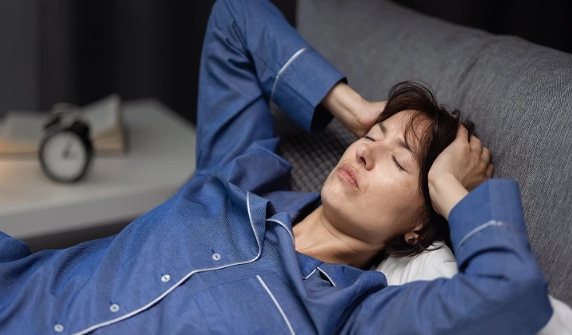
What’s Inside This Guide
What Exactly Is a Sleep Deprivation Headache?
It's a secondary headache, meaning it's a symptom of an underlying issue—in this case, insufficient or poor-quality sleep. The American Academy of Sleep Medicine notes that sleep and headache disorders like this have a bidirectional relationship; they feed each other. The pain is usually bilateral (on both sides of the head), pressing or tightening in quality (like a vice), and of mild to moderate intensity. It often builds through the day following the bad night's sleep.
Here’s how I differentiate it from other common headaches in practice:
| Headache Type | Typical Pain | Key Trigger | Common Timing |
|---|---|---|---|
| Sleep Deprivation Headache | Dull, pressing, 'heavy head' feeling | Getting | Morning, worsens through the day |
| Tension Headache | Band-like pressure around forehead/back of head | Stress, poor posture, anxiety | Anytime, often afternoon/evening |
| Migraine | Throbbing, often one-sided, severe | Hormones, specific foods, sensory stimuli | Can wake you from sleep, lasts hours to days |
| Dehydration Headache | Frontal throbbing, can feel similar | Inadequate fluid intake | Anytime, improves quickly with drinking water |
If your headache clears up after a proper night of rest, you've likely found the culprit. If it doesn't, you might be dealing with something else.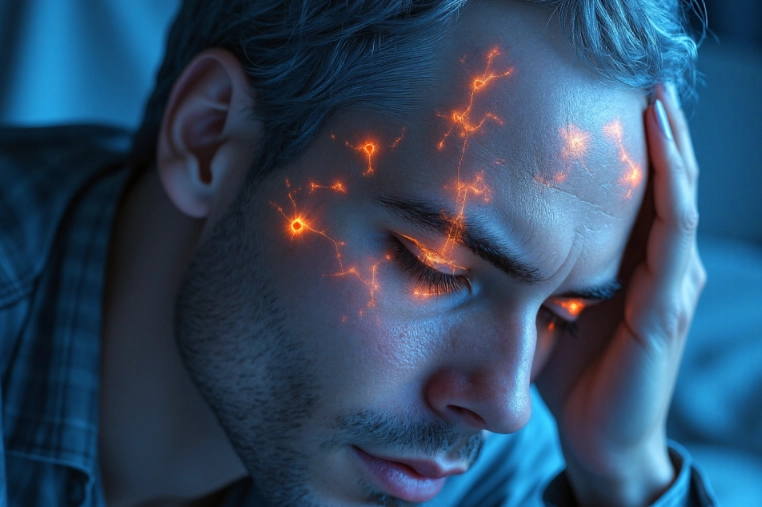
Why Does Lack of Sleep Cause a Headache?
It's not just one thing. It's a perfect storm of physiological chaos inside your skull. Researchers from institutions like Harvard Medical School point to several interconnected mechanisms.
1. The Adenosine Pile-Up
Adenosine is a neurotransmitter that builds up in your brain while you're awake, promoting sleepiness. During deep sleep, your brain clears it out. Miss that sleep, and adenosine levels stay high. High adenosine is a known vasodilator—it causes blood vessels in your brain to widen. This dilation can trigger pain receptors in the vessel walls, leading directly to that pounding sensation.
2. Pain Pathway Dysregulation
Sleep is crucial for resetting your central nervous system's pain processing. The thalamus and brainstem, which act as gatekeepers for pain signals, get overwhelmed when they're sleep-deprived. They become hyper-responsive, lowering your pain threshold. A stimulus that wouldn't normally register as painful (like normal blood vessel pulsations) suddenly does.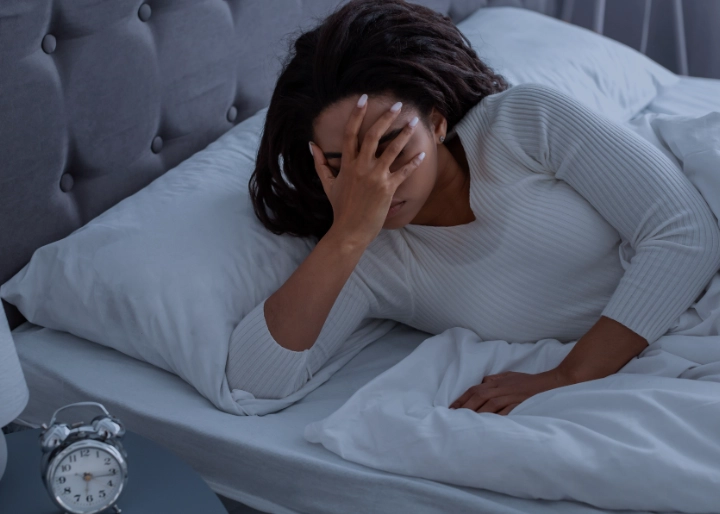
3. The Inflammation Connection
Poor sleep spikes inflammatory markers like cytokines. This low-grade neuroinflammation can sensitize pain pathways around the brain and meninges (the protective layers around the brain), creating a persistent ache. It's like your brain is slightly swollen and irritated.
The Vicious Cycle No One Talks About: The headache itself then makes it harder to fall asleep the next night. You lie there, head throbbing, anxious about being tired tomorrow, which releases cortisol (a stress hormone) that further delays sleep. Breaking this cycle requires targeting the headache and the sleep anxiety simultaneously.
How to Get Rid of a Sleep Deprivation Headache Fast
You need a two-pronged attack: address the immediate pain and gently guide your body toward recovery. Don't just reach for pills.
Immediate Relief Tactics (The First 60 Minutes)
Hydrate Strategically: Drink a large glass of water and one with electrolytes (like a pinch of salt in water or a sugar-free electrolyte mix). Sleep deprivation messes with fluid regulation. Dehydration magnifies the headache.
Caffeine – The Calculated Gamble: One small cup of coffee or black tea can help. Caffeine constricts those dilated blood vessels. But here’s the catch—it only works if you're not a heavy daily user already tolerant. And never have it after 2 PM if you want to sleep well that night.
Cold Compress & Gentle Movement: Apply a cold pack to your forehead or neck for 15 minutes. It reduces inflammation and numbs the pain. Follow it with 5 minutes of very gentle neck rolls and shoulder shrugs. Don't do vigorous exercise; it can worsen the headache when you're in this state.
The Recovery Phase (The Rest of the Day)
Prioritize Your Next Sleep: This is non-negotiable. Your goal is to set the stage for a restorative night, not just crash randomly.
Light Management: Dim bright screens. Blue light is a signal to stay awake. If you must work, use a blue light filter app.
Fuel, Don't Fool, Your Body: Eat light, balanced meals. Skip the heavy, sugary lunch that will cause an energy crash. A combo of protein, healthy fats, and complex carbs (like a chicken salad) stabilizes blood sugar, which impacts pain perception.
If you must use medication, a simple over-the-counter pain reliever like ibuprofen or aspirin can help. Take it with food early in the day. Relying on them regularly for sleep headaches is a red flag that your prevention strategies need work.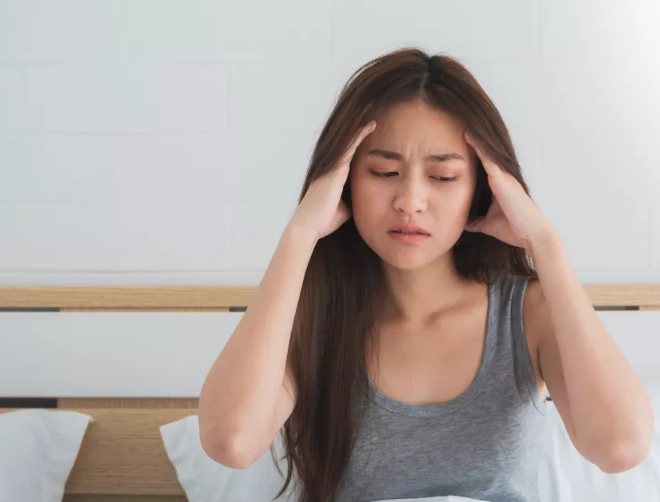
How to Prevent Sleep Deprivation Headaches for Good
Prevention is about sleep hygiene, but most guides get it wrong. It's not just a checklist; it's about creating a rhythm your nervous system trusts.
Build a Non-Negotiable Sleep Ritual
The last 60 minutes before bed are sacred. It's not about being in bed; it's about winding down. My ritual looks like this: Phone on Do Not Disturb and placed in another room at 9:30 PM. 10 minutes of light reading (a physical book). 5 minutes of very simple, non-strenuous stretching. A cup of caffeine-free herbal tea (chamomile or ginger). In bed by 10:30 with lights out. The consistency is what matters more than the specific activities.
Master Your Environment
Darkness is King: Get blackout curtains or a high-quality sleep mask. Even small amounts of light can fragment sleep architecture. Cool and Quiet: Aim for a bedroom temperature around 65°F (18°C). A white noise machine or fan can drown out disruptive sounds. The Bed is for Sleep (and Sex): Don't work, watch thrilling shows, or argue in bed. You're training your brain to associate the bed with alertness otherwise.
Tackle the Mental Game
If you lie awake anxious about not sleeping, get up. Go to a dim chair and read something boring until you feel drowsy. Staying in bed while anxious builds a negative association. Practice a simple mindfulness exercise: focus on the physical sensation of your breath for 5 minutes when you get into bed. It's not about clearing your mind, but about gently redirecting it from the day's chaos.
If you've tried these for a few weeks and still struggle with sleep and frequent morning headaches, talk to a doctor. Underlying conditions like sleep apnea or chronic insomnia might need professional intervention.
Reader Comments