Let's cut through the noise. Napping isn't a sign of weakness or poor time management. For decades, we've been stuck in a productivity culture that villainizes rest, equating daytime sleep with laziness. I've spent years researching sleep physiology, and I can tell you this mindset is not just wrong—it's counterproductive to your health, creativity, and performance.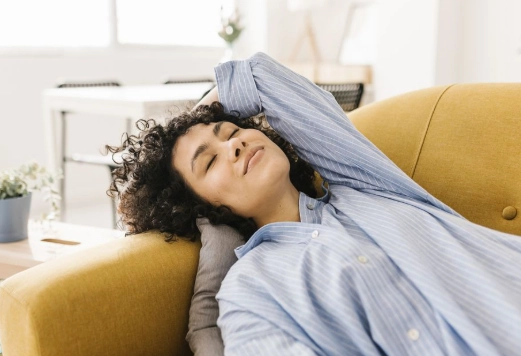
Think about your last afternoon slump. That 3 PM wall where your brain feels foggy, your focus drifts, and reaching for another coffee seems like the only option. What if there was a better, biologically smarter tool in your toolkit? A short, strategic nap can be that tool. It's not about stealing hours from your day; it's about investing 20 minutes to reclaim the rest of it with sharper focus, better mood, and more resilience.
Forget what you've heard about napping being only for toddlers or the elderly. From Silicon Valley CEOs to elite athletes, high performers are quietly using this tool. But there's a right way and a very wrong way to do it. Get it right, and the benefits are staggering. Get it wrong, and you'll wake up feeling worse than before.
What’s Inside This Guide?
The Science Behind the Snooze: It's Not Just "Rest"
When you nap, you're not just passing time. Your brain and body enter a state of active recovery. One of the key players is a neurochemical called adenosine. It builds up in your brain while you're awake, creating that pressure to sleep—what we feel as sleepiness. A short, 20-minute nap acts like a system reset, clearing out a significant amount of this adenosine.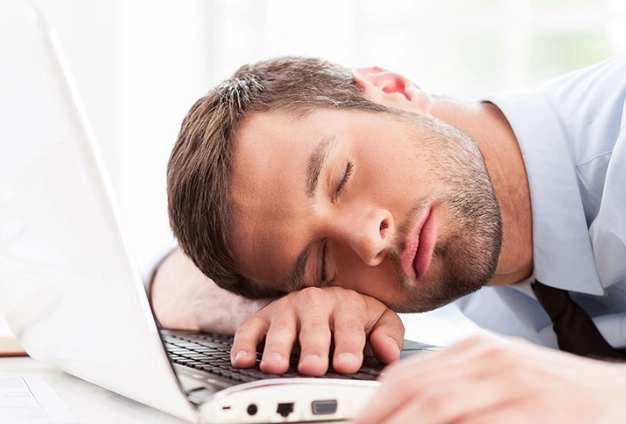
This is different from caffeine, which merely blocks adenosine receptors (like putting tape over a warning light). A nap addresses the root cause. Research from institutions like NASA and studies published in journals like Sleep have shown that this reset leads to measurable improvements in alertness and performance.
Another critical process is memory consolidation. During light sleep stages (which you hit in a short nap), your brain rehearses and strengthens neural connections formed while learning. It's like hitting the "save" button on new information. A study from Saarland University in Germany found that a 45-60 minute nap could boost memory recall fivefold. While we'll focus on shorter naps here, the principle of memory processing starts even in brief periods of sleep.
My Take: The biggest misconception is that a nap needs to be long to be useful. That's a trap. The most potent nap for daily life is the short one. It gives you the cognitive refresh without dragging you into deep sleep, which can cause grogginess.
The Complete List: 21 Health Benefits of Napping
Let's get to the core of it. These aren't vague claims. Each of these benefits is supported by a growing body of scientific research. I've grouped them to show you just how broad the impact of a simple nap can be.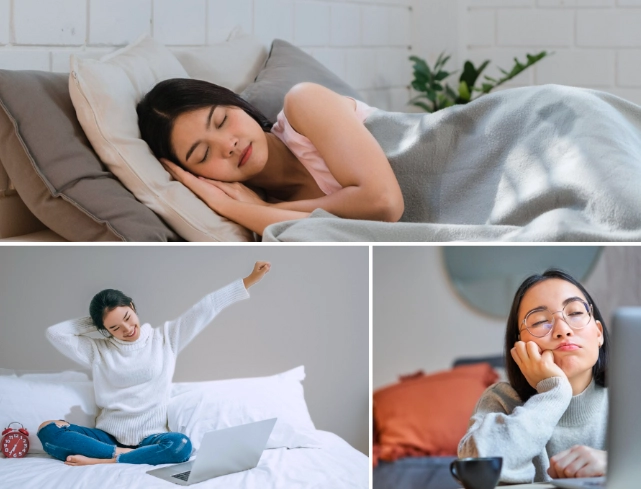
- Sharpens Alertness & Vigilance: Reduces micro-sleeps and improves reaction time, crucial for drivers or anyone in a safety-sensitive role.
- Boosts Short-Term Memory: Helps you hold and manipulate information, like remembering a phone number or a new process.
- Enhances Learning Capacity: Prepares your brain to absorb new information, acting as a reset before a study session.
- Improves Logical Reasoning: Helps in solving complex problems and making clear-headed decisions.
- Supercharges Creativity: Allows for divergent thinking by making loose connections between ideas.
- Elevates Mood & Reduces Irritability: Lowers cortisol (the stress hormone) and can feel like a emotional reset button.
- Increases Patience & Frustration Tolerance: You're less likely to snap under pressure.
- Reduces Stress & Anxiety Levels: Provides a physiological break from the "fight or flight" response.
- Lowers Blood Pressure: Studies, including one in the Journal of Applied Physiology, found a post-nap dip in BP, similar to the effect of other lifestyle interventions.
- Decreases Risk of Heart Disease: Regular, moderate napping is associated with a lower incidence of cardiovascular events, as seen in long-term observational studies.
- Regulates Stress Hormones: Helps rebalance the hypothalamic-pituitary-adrenal (HPA) axis.
- Strengthens Immune Function: Sleep, even short bouts, supports the production of cytokines, proteins that help fight infection.
- Reduces Inflammation: Chronic inflammation is linked to numerous diseases; naps may help modulate inflammatory markers.
- Improves Physical Endurance & Recovery: Athletes use naps to enhance muscle repair and performance.
- Increases Pain Threshold: Can alter your perception of pain, making discomfort more manageable.
- Restores Motivation: Combats the feeling of being "burnt out" or "over it."
- Compensates for Lost Nighttime Sleep: While not a full replacement, it mitigates the worst cognitive effects of sleep deprivation.
- Enhances Sensory Perception: Makes you more attentive to visual and auditory details in your environment.
- Supports Weight Management: Lack of sleep disrupts hunger hormones (ghrelin and leptin); napping may help keep them in check.
- Improves Motor Skills & Coordination: Beneficial for musicians, athletes, or anyone performing precise physical tasks.
- Promotes Longevity: By supporting nearly all the systems above, healthy napping habits contribute to overall well-being and healthy aging.
See what I mean? It's more than just not feeling tired. It's about upgrading how your brain and body function.
How to Nap Right: Duration, Timing, and Setup
This is where most people fumble. A haphazard nap on the couch with the TV on is unlikely to deliver these benefits. You need a strategy.
The Golden Rule: Keep it Short or Commit to Long
There are two effective nap lengths, and a dangerous middle ground.
The Power Nap (10-20 minutes): This is the superstar for daily use. You stay in light sleep (Stage 1 & 2), which provides the perfect cocktail of mental restoration without sleep inertia (that groggy feeling). This is ideal for a quick cognitive boost, better mood, and increased alertness. Set an alarm for 25 minutes max to give yourself time to fall asleep.
The Complete Cycle Nap (90 minutes): This allows you to go through a full sleep cycle, including deep sleep and REM sleep. It's great for creativity, emotional processing, and physical recovery. The key is you wake up at the end of a natural cycle, minimizing grogginess. The downside? It's a big time commitment and can affect nighttime sleep if done too late.
The Danger Zone (30-60 minutes): Avoid this. You're likely to wake up from deep sleep, trapped in severe sleep inertia. You'll feel worse, sometimes for over an hour.
Timing is Everything
The best window is typically between 1 PM and 3 PM. This aligns with a natural dip in your circadian rhythm (the post-lunch slump). Napping after 4 PM is risky—it can steal sleep drive from your nighttime sleep, making it harder to fall asleep later.
My personal routine? If I hit a mental block around 2 PM, I set a 20-minute alarm. I don't force sleep. Sometimes I drift off, sometimes I just rest deeply. Both work.
Create a Nap-Conducive Environment
Find a quiet, dimly lit place. Use an eye mask and earplugs if needed. A comfortable chair or sofa is fine; you don't need to be fully horizontal. The goal is to signal to your body that it's time to disengage. A blanket can help, as body temperature drops slightly when you fall asleep.
3 Common Nap Mistakes That Ruin the Benefits
I've seen these again and again.
1. Using Naps as a Band-Aid for Chronic Sleep Deprivation. This is the big one. If you're consistently getting less than 7 hours of sleep a night and relying on naps to function, you're treating a symptom, not the cause. Naps are a supplement, not a substitute. Prioritize fixing your nighttime sleep first.
2. Napping Too Late. That 6 PM couch crash after work? It might feel good in the moment, but it will fragment your night. It confuses your internal clock.
3. Getting Frustrated If You Don't "Sleep." The benefits aren't all-or-nothing. A period of quiet, eyes-closed rest—what researchers call "non-sleep deep rest" (NSDR)—lowers heart rate, calms the nervous system, and reduces stress. Don't watch the clock anxiously. Just rest.
Your Nap Questions, Answered
Reader Comments