What This Guide Covers
- It's Probably Not Just "Bad Sleep" – Let's Look at Sleep Quality First
- When the Problem is Deeper: Underlying Health Conditions
- Could You Actually Be Sleeping *Too* Much?
- So, What Can You Actually Do About It? An Action Plan
- Common Questions (The Stuff You're Really Wondering)
- Wrapping It Up: Listen to Your Body
You know that feeling. You drag yourself to bed early, determined to finally catch up. The clock says you got a solid ten hours, maybe more. But when the alarm goes off, it feels like you've been hit by a truck. Your body is heavy, your brain is foggy, and the question screams in your head: why am I still tired after 10 hours of sleep?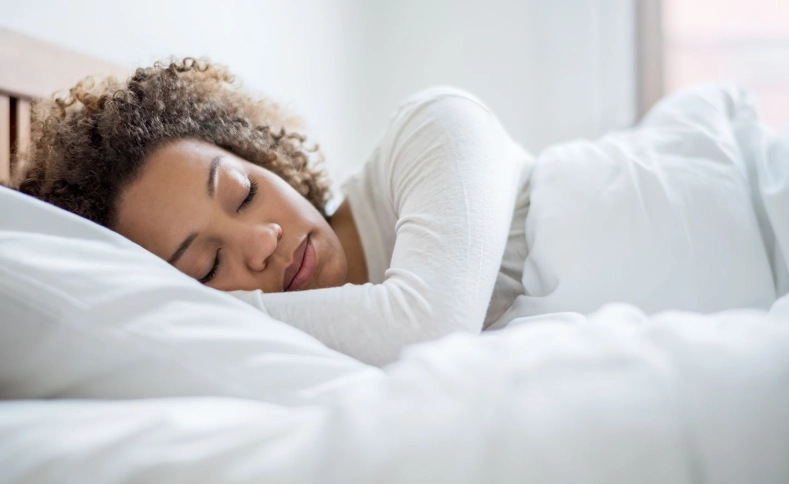
It's one of the most frustrating things in the world. You did the "right" thing. You prioritized sleep. And yet, you feel worse than someone who pulled an all-nighter. I've been there. I spent months in that cycle, thinking more sleep was the only answer, only to feel more drained. It turns out, sleep is about quality just as much as quantity, and sometimes, more sleep can actually be part of the problem.
This isn't just about being a little groggy. We're talking about a deep, persistent fatigue that doesn't shake off with coffee. If you're constantly asking yourself "why do I feel tired after 10 hours of sleep," you're not lazy. Your body is trying to tell you something.
It's Probably Not Just "Bad Sleep" – Let's Look at Sleep Quality First
Most people jump straight to thinking they have a serious medical condition. And that's possible, which we'll cover. But more often than not, the foundation is cracked. Your sleep hygiene—the habits and environment around your sleep—might be sabotaging you.
Think of it like trying to eat a gourmet meal in a loud, bright, stressful fast-food joint. The food might be good, but the environment ruins it. Your bedroom might be doing the same to your sleep.
Your Sleep Environment Might Be Working Against You
You could be in bed for 10 hours, but if your environment is poor, you might only be getting 5 or 6 hours of actual quality sleep. The rest is fragmented, light dozing.
- Light: Even tiny amounts of light from a charger LED, a streetlamp, or a crack under the door can suppress melatonin, the hormone that regulates sleep. Your brain never fully goes into "night mode." Blackout curtains are a game-changer. Seriously.
- Noise: Intermittent noises (a partner snoring, traffic, a creaky house) can cause micro-arousals. You might not fully wake up, but they pull you out of deep sleep. White noise or a fan can mask this.
- Temperature: Most people sleep best in a cool room, around 65-68°F (18-20°C). Being too hot leads to restless sleep and less time in the deep, restorative stages.
- Your Mattress and Pillow: If you wake up with aches or spend the night tossing and turning to get comfortable, your sleep architecture is broken. An old or unsupportive mattress is a silent sleep killer.
Your Pre-Bed Routine is Key (And Yes, Your Phone is the Enemy)
What you do in the 60-90 minutes before bed sets the stage for the whole night. Scrolling through social media or answering work emails until you pass out is a recipe for non-restorative sleep.
The blue light from screens is public enemy number one for sleep. It tricks your brain into thinking it's daytime, shutting down melatonin production. But it's not just the light. The content matters too. A stressful work email or an exciting movie can spike your cortisol (stress hormone) or adrenaline, putting your nervous system on alert when it should be winding down.
Creating a wind-down routine is non-negotiable if you're struggling with fatigue. It doesn't have to be elaborate. Read a physical book (not a tablet). Listen to calm music or a boring podcast. Take a warm shower (the drop in body temperature afterwards promotes sleepiness). Do some light stretching. The goal is to signal to your brain that the day is over.
When the Problem is Deeper: Underlying Health Conditions
Okay, let's say you've fixed your environment and nailed your routine. You're in a dark, cool, quiet room, you haven't seen a screen in an hour, and you're still waking up feeling like you ran a marathon in your sleep. This is when it's time to consider that an underlying health issue might be the reason you're tired after 10 hours of sleep.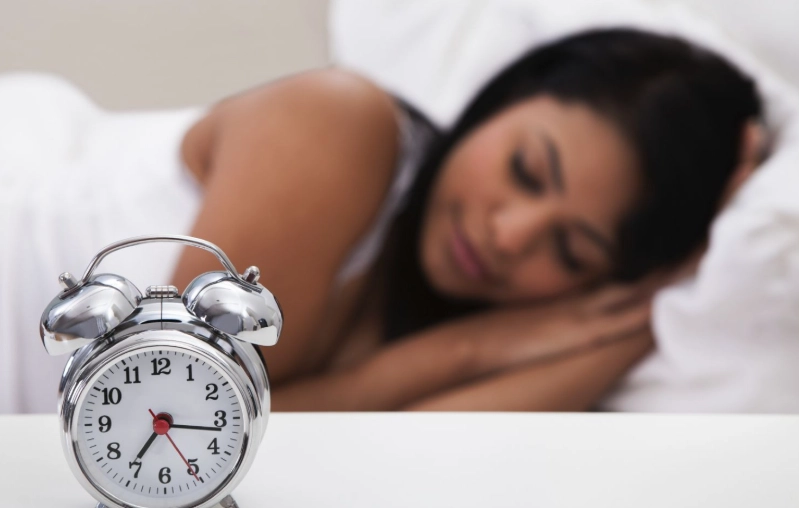
These conditions don't just make you sleepy; they prevent you from getting the right type of sleep. They fragment it, disrupt its stages, or prevent your body from fully relaxing.
Sleep Disorders That Fragment Your Night
These are the classic culprits. You might be "asleep" for 10 hours, but your sleep is constantly interrupted, preventing you from reaching or sustaining deep sleep (Stage 3 and REM sleep).
| Condition | What It Does | Why You're Still Tired | Common Signs (Beyond Fatigue) |
|---|---|---|---|
| Sleep Apnea | Your breathing repeatedly stops and starts during sleep. | Each apnea event causes a mini-arousal to restart breathing, fragmenting sleep. You rarely reach deep sleep. | Loud snoring, gasping/choking sounds witnessed by a partner, morning headaches, dry mouth. |
| Restless Legs Syndrome (RLS) | An irresistible urge to move your legs, usually in the evenings. | The uncomfortable sensations delay sleep onset and can cause frequent awakenings. | Creeping, crawling, itching feelings in legs relieved by movement. Worse at rest. |
| Periodic Limb Movement Disorder (PLMD) | Involuntary leg (or arm) jerks or twitches during sleep. | Each movement can cause a brief arousal, disrupting sleep continuity without you knowing. | Often noticed by a bed partner. You may wake with tangled sheets or kicked-off blankets. |
| Insomnia | Difficulty falling or staying asleep. | Even if you eventually sleep 10 hours, the sleep is often light and unrefreshing due to hyperarousal. | Lying awake for long periods, waking up too early, relying on sleep aids. |
Sleep apnea is a huge one. I can't stress this enough. People with untreated sleep apnea can "sleep" for 10+ hours and feel horrific because their brain is constantly being jerked out of deep sleep to breathe. It's incredibly dangerous for long-term health and a prime answer to why am I still tired after 10 hours of sleep. If you snore or have been told you stop breathing, talking to a doctor is crucial. The American Academy of Sleep Medicine is a great resource to understand these disorders better.
Other Medical and Lifestyle Factors
Sometimes, the sleep itself is okay, but other conditions drain your energy or affect sleep architecture.
- Iron Deficiency (Anemia): Your blood isn't carrying enough oxygen to your tissues, including your muscles and brain. The result? Profound fatigue, regardless of sleep. It's a very common cause, especially for women.
- Thyroid Issues: An underactive thyroid (hypothyroidism) slows down your entire metabolism, leading to crushing fatigue, weight gain, and feeling cold. It can also cause poor sleep quality.
- Vitamin Deficiencies: Low levels of Vitamin D, B12, or magnesium are strongly linked to fatigue and poor sleep. Magnesium, in particular, is vital for muscle relaxation and nervous system regulation.
- Chronic Stress, Anxiety, or Depression: This is a massive one. Mental health conditions keep your nervous system in a state of "high alert," which is the opposite of the relaxed state needed for deep sleep. Even if you sleep a long time, it's not restorative. Depression is notorious for causing non-restorative sleep—you sleep excessively but never feel rested.
- Diet and Hydration: Eating a heavy, sugary, or large meal too close to bedtime forces your body to digest instead of rest. Dehydration, even mild, can cause fatigue and headaches. Caffeine's half-life is about 5-6 hours, so that 4 PM coffee could still be affecting you at 10 PM.
- Lack of Physical Activity: It sounds counterintuitive, but being sedentary can make you more tired. Regular exercise improves sleep quality and depth. But timing matters—vigorous exercise too close to bedtime can be overstimulating for some.
Could You Actually Be Sleeping *Too* Much?
Here's a twist that messes with people's heads: yes, you can sleep too much. It's called hypersomnia. Consistently sleeping more than 9-10 hours per night (for adults) is associated with poorer health outcomes and, ironically, increased daytime fatigue.
Why? Sleeping excessively can disrupt your body's natural circadian rhythm—your internal clock. It can lead to more fragmented, lighter sleep and throw off the balance of neurotransmitters in your brain. You might be spending more time in bed, but the proportion of deep, restorative sleep can decrease. You're diluting the good stuff with more light sleep.
Think of it like overwatering a plant. More isn't always better; it's about the right amount. The National Sleep Foundation recommends 7-9 hours for most adults. If you consistently need more than that to function, it's a sign to investigate why, not a goal to hit.
So, if you're wondering why am I tired after 10 hours of sleep, part of the answer might be that your body isn't designed for that much sleep every night. You might be creating a cycle of sleep inertia (that groggy feeling) by oversleeping.
So, What Can You Actually Do About It? An Action Plan
Feeling overwhelmed? Don't be. You don't have to tackle everything at once. Start with the low-hanging fruit—the stuff you can control tonight. Here’s a tiered approach.
First Tier: Fix the Foundation (This Week)
- Become a Sleep Detective: Keep a simple sleep log for a week. Note bedtime, wake time, estimated sleep time, sleep quality (1-5), and any factors like alcohol, late meals, or stress. Patterns will emerge.
- Build a Rock-Solid Wind-Down Routine: Start 60 minutes before bed. No screens. Try reading, listening to music, light stretching, or meditation. Be consistent, even on weekends.
- Optimize Your Cave: Make your bedroom dark (consider an eye mask), cool (65-68°F), and quiet (earplugs or white noise).
- Get Morning Light: Exposure to bright natural light within 30-60 minutes of waking helps regulate your circadian rhythm. Go for a short walk or have your coffee by a sunny window.
Second Tier: Examine Habits and Diet (Next Two Weeks)
- Audit Your Caffeine and Alcohol: Cut off caffeine by 2 PM. See what happens. And know that alcohol, while sedating initially, ruins sleep quality in the second half of the night, leading to fragmented, non-restorative sleep.
- Look at Your Diet: Are you eating a giant meal right before bed? Try to finish eating 2-3 hours before. Are you hydrated throughout the day? Dehydration causes fatigue.
- Move Your Body (Smartly): Aim for at least 30 minutes of moderate exercise most days, but finish intense workouts at least 3 hours before bedtime.
Third Tier: When to Seek Professional Help
If you've diligently worked on the first two tiers for 3-4 weeks and are still asking, "why do I feel tired after 10 hours of sleep?", it's time to bring in the pros.
- Talk to Your Primary Care Doctor: Describe your fatigue in detail. They can run basic blood tests to check for anemia, thyroid issues, vitamin deficiencies (like D and B12), and other common culprits. This is a logical, low-stakes first step.
- Consider a Sleep Study: If your doctor suspects sleep apnea or another sleep disorder (based on symptoms like snoring, witnessed apneas, or leg movements), they may refer you for a sleep study (polysomnography). This is the gold standard for diagnosing sleep disorders. You can learn more about what this entails from reputable sources like the National Heart, Lung, and Blood Institute.
- Mental Health Check-In: Be honest with yourself about stress, anxiety, or low mood. A therapist can provide tools (like CBT for insomnia or anxiety) that can dramatically improve sleep quality.
Common Questions (The Stuff You're Really Wondering)

Wrapping It Up: Listen to Your Body
Asking why am I still tired after 10 hours of sleep is your body's way of sending an SOS. It's telling you that the system is broken. The solution is almost never "just sleep more."
Start by being a scientist of your own sleep. Tweak your environment, build a calming routine, and look at your daily habits. If that doesn't move the needle, don't hesitate to seek medical advice. The goal isn't to hit a magic number of hours in bed. The goal is to wake up feeling restored, clear-headed, and ready for the day. That feeling is possible, even if it feels miles away right now. It starts with understanding that sleep is a process, not just a state of unconsciousness, and every part of your life feeds into it.
You deserve to feel rested. Now go make your bedroom a cave and give your brain a break before bed. See what happens.
Reader Comments