Quick Guide
- First, What Are We Even Talking About? Understanding Insomnia
- The Gold Standard: The Undisputed Champion for Chronic Insomnia
- Beyond CBT-I: The Rest of the Treatment Toolkit
- How to Choose? Building Your Personal Sleep Solution
- Your Questions, Answered (The FAQ You Actually Need)
- Wrapping It Up: Your Path Forward
You're lying in bed, staring at the ceiling. The clock ticks past 2 AM, then 3 AM. Your mind is racing, but your body is exhausted. You've tried warm milk, counting sheep, maybe even some over-the-counter sleep aids. Nothing seems to stick. The question starts to echo in your tired brain: what is the most effective treatment for insomnia, really?
I get it. I've been there. More importantly, I've watched friends and family go through the same frustrating cycle. The internet is flooded with quick fixes and miracle cures, making it incredibly confusing to figure out what actually works based on real science, not just marketing.
So let's clear things up. Forget the fluff. We're going to look at the treatments that have the strongest evidence behind them, the ones sleep specialists actually recommend, and why they work. This isn't about a single magic pill (spoiler: there isn't one). It's about understanding the root of your sleep problems and applying the right solution.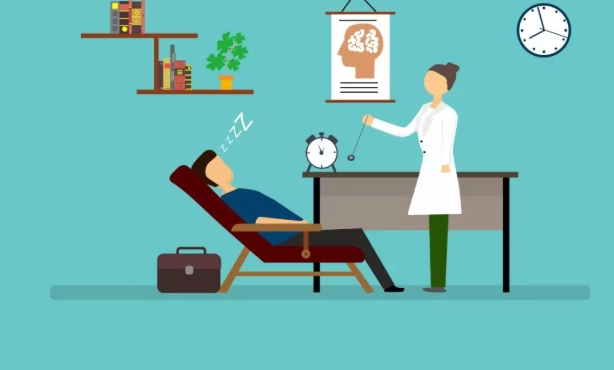
First, What Are We Even Talking About? Understanding Insomnia
Before we jump into solutions, we need to be on the same page about the problem. Insomnia isn't just "having a bad night." Everyone has those. Clinical insomnia is persistent difficulty falling asleep, staying asleep, or waking up too early—even when you have the chance to sleep. It happens at least three nights a week, lasts for at least three months, and seriously messes with your daytime function (think fatigue, moodiness, trouble concentrating).
There's acute insomnia (short-term, often linked to stress) and chronic insomnia (the long-haul version). The treatments can overlap, but the approach for chronic issues needs to be more robust and structured.
Why does this matter? Because if you're looking for the most effective treatment for insomnia, you need to know what kind you're dealing with. Treating short-term stress-related sleeplessness with a multi-week therapy program might be overkill. Conversely, trying to solve years of chronic insomnia with just chamomile tea is like using a band-aid on a broken leg.
The Gold Standard: The Undisputed Champion for Chronic Insomnia
Okay, let's answer the big question head-on. After sifting through decades of research, guidelines from major health institutions, and consensus from sleep experts, one answer consistently rises to the top.
Cognitive Behavioral Therapy for Insomnia (CBT-I) is widely regarded as the first-line and most effective treatment for chronic insomnia.
I know, "therapy" for sleep? It sounds odd if you're used to thinking of solutions in a bottle. But hear me out. CBT-I doesn't involve lying on a couch talking about your childhood. It's a practical, skills-based program that targets the thoughts and behaviors that perpetuate poor sleep. Major bodies like the American Academy of Sleep Medicine and the National Institutes of Health endorse it as the initial treatment of choice.
 Why does everyone keep pointing to CBT-I?
The evidence is just too strong to ignore. Studies consistently show that CBT-I is as effective as sleep medication in the short term for helping people fall asleep faster and stay asleep. But here's the kicker—its benefits last. While medication effects often stop when you stop taking the pill, the skills from CBT-I keep working for months and even years afterwards. You're not just masking the symptom; you're fixing the underlying system.
Let's break that down. CBT-I is usually a multi-component treatment. It's not one thing, but a package deal that typically includes:
Sleep Restriction
This one feels counterintuitive. You reduce your time in bed to match your actual sleep time. If you're only sleeping 6 hours but spending 9 hours in bed, you're building a strong association between your bed and being awake and frustrated. By temporarily limiting bed time, you increase "sleep drive" and solidify the connection between bed and sleep. It's tough for the first week or so, but it's incredibly effective for consolidating sleep.
Stimulus Control
The goal here is to make your bed a trigger for sleep, and nothing else. The rules are simple but strict: Only go to bed when sleepy. If you're not asleep in about 20 minutes, get out of bed and do something quiet and boring until you feel sleepy again. No reading, watching TV, or scrolling on your phone in bed. Use the bed only for sleep and sex. This breaks the cycle of anxiety and frustration that builds up when you lie there awake.
Cognitive Therapy
This tackles the anxiety and unhelpful beliefs about sleep. Thoughts like "I'll never get to sleep," "I'll be useless tomorrow," or "I must get 8 hours or I'm ruined" actually fuel insomnia. CBT-I helps you identify and challenge these thoughts, replacing them with more balanced and realistic ones. It reduces the performance anxiety around sleep.
Sleep Hygiene Education
This is the part most people have heard of, but it's often not enough on its own. It covers the basics: limiting caffeine and alcohol, creating a relaxing bedtime routine, optimizing your sleep environment (cool, dark, quiet), and getting regular daylight exposure.
Relaxation Techniques
Methods like progressive muscle relaxation, diaphragmatic breathing, or mindfulness meditation to lower the physiological arousal that keeps you awake.
When you put it all together, you can see why it's powerful. It's a full-system reset for your sleep habits and mindset. The biggest hurdle for most people is access—finding a trained therapist can be tricky and expensive. Thankfully, digital CBT-I programs (apps and online courses reviewed and approved by sleep societies) have made this gold-standard treatment more accessible than ever.
Beyond CBT-I: The Rest of the Treatment Toolkit
Calling CBT-I the most effective treatment for insomnia doesn't mean it's the only option. The real world is messy. Sometimes you need a combination of approaches, or CBT-I isn't accessible, or your insomnia has specific causes. Let's look at the other major players.
Prescription Medications (The Pharmacological Route)
Medications have a clear and important role, especially for acute insomnia or as a short-term bridge while you're starting CBT-I. But most doctors and guidelines recommend them for short-term use due to risks of tolerance, dependence, and side effects.
Here’s a quick, no-nonsense look at common classes:
| Medication Class | Common Examples | How They Work / Pros | Cons / Things to Watch |
|---|---|---|---|
| Z-drugs (Non-benzodiazepines) | Zolpidem (Ambien), Eszopiclone (Lunesta), Zaleplon (Sonata) | Target sleep initiation/maintenance specifically. Often faster-acting than older drugs. | Can cause complex sleep behaviors (sleep-walking, eating), next-day drowsiness, tolerance. |
| Benzodiazepines | Temazepam, Lorazepam, Diazepam | Reduce anxiety and induce sleep. Effective for short-term use. | High risk of dependence, tolerance, and withdrawal. Often impair next-day cognition and balance. |
| Melatonin Receptor Agonists | Ramelteon (Rozerem) | Mimics natural melatonin, regulating sleep-wake cycle. Low abuse potential. | Generally milder effect. Not great for sleep maintenance. |
| Orexin Receptor Antagonists | Suvorexant (Belsomra), Lemborexant (Dayvigo) | Block wakefulness signals in the brain (orexin). A newer mechanism. | Can cause next-day sedation, rare sleep paralysis. Long-term data still emerging. |
| Antidepressants (used off-label) | Trazodone, Doxepin (low-dose), Mirtazapine | Sedating side effects used therapeutically. Can help if insomnia co-exists with depression/anxiety. | Not FDA-approved primarily for insomnia. Side effects like dry mouth, dizziness, weight gain. |
The key with medication is to have an honest conversation with your doctor. It should be part of a plan, not the whole plan. Ask: What's the goal? How long should I take it? What's the strategy for eventually tapering off? Using medication as a crutch forever is rarely the best path.
Lifestyle & Behavioral Tweaks (The Foundation)
These are the non-negotiable basics. They might not cure chronic insomnia alone, but ignoring them will sabotage any other treatment. Think of this as the soil in which good sleep grows.
- Light Exposure: Get bright light (preferably sunlight) in the morning. This sets your internal clock. Dim lights in the evening. This is huge and often overlooked.
- Caffeine & Alcohol: Caffeine has a half-life of 5-6 hours. That 3 PM coffee? It's still 50% active at 9 PM. Alcohol might make you pass out, but it fragments the second half of your sleep, making it shallow and unrefreshing.
- The Wind-Down: Create a 60-minute buffer zone before bed. No work emails, no intense discussions, no thrilling/scary TV. Read a (physical) book, listen to calm music, take a warm bath. Tell your nervous system the day is over.
- The Bedroom: Cool (around 65°F or 18°C is ideal), dark (blackout curtains if needed), and quiet (earplugs or white noise). Your bed should be comfortable. Is your mattress 10+ years old? It might be part of the problem.
Alternative & Complementary Approaches
The evidence here is mixed, but some people find real relief. They're generally low-risk, so they can be worth trying as part of a broader strategy.
Mindfulness & Meditation: Programs like Mindfulness-Based Stress Reduction (MBSR) have good data showing they can improve sleep quality by reducing the "brain chatter" and reactivity that fuels insomnia. It's like cognitive therapy's cousin.
Exercise: Regular physical activity is one of the best things you can do for sleep, but timing matters. Intense exercise too close to bedtime can be stimulating for some. Morning or afternoon workouts are usually safest.
Supplements: This is a minefield of hype. A few have some decent backing:
- Melatonin: Useful for circadian rhythm issues (like jet lag or shift work). For general insomnia, evidence is weaker. If you try it, start low (0.5-1 mg) about 30-60 minutes before bed. More is not better. The NIH Office of Dietary Supplements has a good fact sheet on it.
- Magnesium: Some studies suggest magnesium glycinate or citrate can help with relaxation and sleep, especially if you're deficient.
- Valerian Root, Chamomile: Mild sedative effects for some. The science isn't super strong, but a cup of chamomile tea as part of a wind-down routine is harmless and psychologically helpful.
How to Choose? Building Your Personal Sleep Solution
So, you've got this menu of options. How do you decide what's right for you? Asking "what is the most effective treatment for insomnia" is a great start, but the next question is "...for me?"
Consider these factors:
- Duration & Severity: Acute, stress-related insomnia might resolve with improved sleep hygiene and short-term relaxation techniques. Chronic insomnia (3+ months) almost always benefits from a structured approach like CBT-I.
- Root Causes: Is your insomnia linked to anxiety, depression, chronic pain, medication side effects, or a sleep disorder like sleep apnea? Treating the underlying condition is crucial. A doctor or sleep specialist can help diagnose this.
- Your Preferences & Personality: Are you self-motivated and good with structured programs? A digital CBT-I app might be perfect. Do you need more accountability and personalized feedback? Look for a therapist. Are you desperate for immediate relief to function? A short-term medication plan with your doctor might be the first step.
- Resources: Therapy costs money and time. Digital programs are cheaper. Some lifestyle changes are free but require discipline.
A realistic, step-wise approach for many people looks like this:
Step 1: Commit to the foundational lifestyle changes (light, caffeine, routine, environment) for 2-3 weeks. Be strict about it. Keep a simple sleep diary to track.
Step 2: If Step 1 isn't enough, pursue CBT-I. This is the core treatment for chronic insomnia. Try a reputable digital program or find a therapist. Give it a real shot—it takes 4-8 weeks.
Step 3: If you need help bridging the gap while starting CBT-I, or if your insomnia is acute and severe, talk to your doctor about short-term medication options. Use it as a tool, not a solution.
Step 4: If standard CBT-I isn't fully effective, work with a specialist to explore other underlying issues (medical, psychological) or complementary approaches (mindfulness).
Your Questions, Answered (The FAQ You Actually Need)
Wrapping It Up: Your Path Forward
So, what is the most effective treatment for insomnia? For most people with the chronic, frustrating type, the answer is a structured behavioral program: Cognitive Behavioral Therapy for Insomnia (CBT-I). It's the tool that teaches you how to fish, instead of just giving you a fish for one night.
Medications have their place as short-term aids. Lifestyle changes are the essential foundation. Complementary practices can provide support.
But the core of lasting change is changing your relationship with sleep. It's about dismantling the anxiety, correcting the unhelpful habits, and strengthening your body's natural sleep systems. It takes effort. It's not always a linear path. Some nights will still be better than others—that's normal human sleep.
The goal isn't perfection. The goal is moving from a state of fear and frustration about sleep to one of confidence and competence. You might not control whether you fall asleep instantly every single night, but you can absolutely control the process and environment that makes sleep likely. And that makes all the difference.
Start with one thing. Maybe it's setting a firm wake-up time and getting sunlight within 30 minutes. Maybe it's finding a digital CBT-I program and committing to the first week. Action, even small, breaks the cycle of helplessness. You've got this.
Reader Comments