Let's cut to the chase. If you're searching for "which sleeping pill is dangerous," you're likely worried about a prescription, heard horror stories, or experienced side effects yourself. I've worked as a sleep wellness consultant for over a decade, and I've seen too many people jump into medication without understanding the pitfalls. The truth is, many sleeping pills carry significant risks—from dependency to severe side effects—and some are downright dangerous if misused. This guide isn't about scaring you; it's about giving you the hard facts so you can make informed decisions. We'll dive into specific pills, why they're risky, and what you can do instead.
Quick Navigation: What's Inside
What Makes a Sleeping Pill Dangerous?
It's not just about the chemical name. A sleeping pill becomes dangerous when it poses high risks for addiction, severe side effects, or interactions with other conditions. From my experience, people often overlook three key factors: the drug's half-life (how long it stays in your system), its potential for tolerance (needing more to get the same effect), and how it affects your daily functioning.
Chemical Composition and Side Effects
Most prescription sleep aids fall into categories like benzodiazepines (e.g., Xanax, Valium—though often used off-label for sleep), Z-drugs (like Ambien or Lunesta), and sedative antihistamines (common in over-the-counter options). Benzodiazepines, for instance, work by enhancing GABA in the brain, which can lead to drowsiness but also memory issues and dependency. I recall a client who took a benzodiazepine for insomnia and ended up with morning grogginess so bad she caused a minor car accident. That's a real danger—impaired coordination.
Addiction and Dependency Risks
This is where things get messy. Many sleeping pills are habit-forming. Your body can adapt quickly, meaning you might need higher doses to sleep, leading to a cycle of dependence. The National Institute on Drug Abuse notes that benzodiazepines have a high potential for abuse. It's not just about "getting hooked"; withdrawal can cause rebound insomnia, anxiety, and even seizures in severe cases. A common mistake? Using these pills for more than a few weeks without medical supervision.
Top 3 Most Dangerous Sleeping Pills to Avoid
Based on clinical reports and patient experiences, here are three types that raise red flags. I'm not saying never use them—but they require extreme caution.
| Sleeping Pill Type | Common Examples | Primary Dangers | Why It's Risky |
|---|---|---|---|
| Benzodiazepines | Diazepam (Valium), Alprazolam (Xanax) | High addiction risk, memory loss, daytime sedation | Long half-life leads to accumulation; withdrawal can be severe. Often prescribed for anxiety but misused for sleep. |
| Z-drugs (Non-benzodiazepines) | Zolpidem (Ambien), Eszopiclone (Lunesta) | Sleepwalking, complex sleep behaviors, dependency | Can cause parasomnias like eating or driving while asleep. FDA has issued black-box warnings for these. |
| Over-the-Counter Antihistamines | Diphenhydramine (Benadryl, Sominex) | Next-day drowsiness, cognitive decline, tolerance | Seems harmless but linked to increased dementia risk with long-term use. It's a band-aid solution that masks underlying issues. |
Let me emphasize: Ambien isn't inherently evil, but its side effect profile is wild. I've heard stories of people waking up to find they'd ordered bizarre items online with no memory. That's not just funny—it's a safety hazard.
How to Spot the Warning Signs of a Risky Pill
You don't need a medical degree to recognize danger. Watch for these signs if you're on a sleep aid.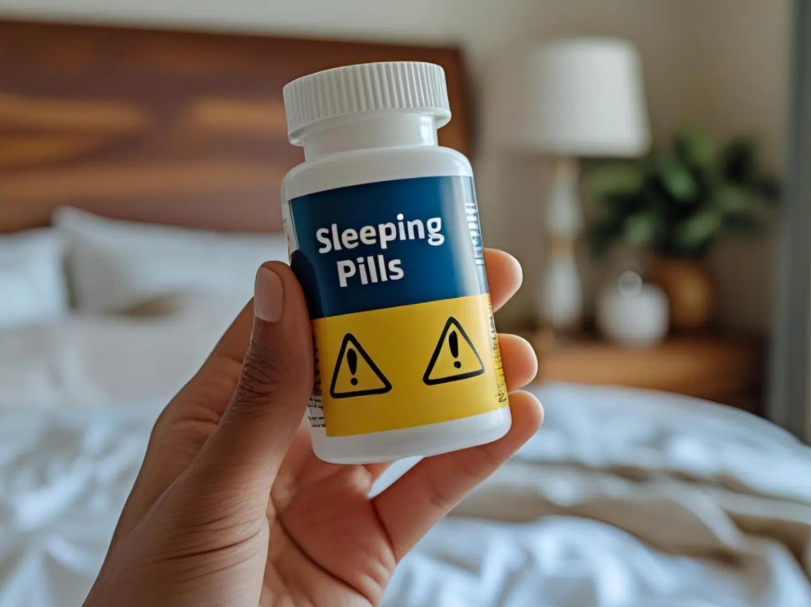
Increased tolerance: If you find yourself needing more pills to fall asleep after a few weeks, that's a red flag. Your body is adapting, and dependency is setting in.
Unusual behaviors: Sleepwalking, confusion upon waking, or memory lapses. These are common with Z-drugs and should prompt an immediate chat with your doctor.
Daytime impairment: Feeling groggy, dizzy, or unable to concentrate the next day. This increases accident risks. A study by the American Academy of Sleep Medicine links such impairment to higher fall rates in older adults.
Withdrawal symptoms: When you try to stop, you experience worse insomnia, anxiety, or physical symptoms like tremors. That's your body signaling dependence.
Here's a personal take: Many doctors prescribe these pills too casually. I've seen patients given a month's supply without follow-up. Always ask about tapering plans and non-drug options first.
Practical Steps to Assess Your Current Medication
Grab your pill bottle. Check the label—is it a benzodiazepine or Z-drug? Look up the side effects on FDA's website or MedlinePlus. Note how you feel each morning for a week. If you notice patterns of grogginess or memory fog, it's time to reconsider.
Safer Alternatives for Better Sleep Without Pills
If pills are risky, what works? Plenty. The key is addressing the root cause of insomnia, not just masking it.
Cognitive Behavioral Therapy for Insomnia (CBT-I): This is the gold standard, recommended by sleep specialists. It involves changing thoughts and behaviors around sleep. Studies show it's more effective long-term than medication, with no side effects. You can find therapists online through resources like the Society of Behavioral Sleep Medicine.
Lifestyle tweaks: Simple changes often beat pills. Establish a consistent sleep schedule—go to bed and wake up at the same time daily, even on weekends. Avoid screens an hour before bed; the blue light messes with melatonin. I've helped clients who swapped sleeping pills for a warm bath and reading, and their sleep improved within weeks.
Natural supplements: Some options have lower risks. Melatonin can help reset your sleep cycle, but use low doses (0.5-3 mg) short-term. Magnesium glycinate or L-theanine may promote relaxation. However, don't assume "natural" means safe—always consult a doctor, as supplements can interact with medications.
Sleep environment optimization: Make your bedroom a sleep sanctuary. Keep it cool, dark, and quiet. Invest in a comfortable mattress. I've seen people spend hundreds on pills but ignore a noisy room—fix the environment first.
Let's be real: these alternatives require effort. Pills offer a quick fix, but they're a temporary crutch. Building healthy sleep habits takes time, but it's sustainable.
FAQ: Your Burning Questions Answered
Wrapping up, the question "which sleeping pill is dangerous" doesn't have a one-size-fits-all answer. It depends on your health, usage patterns, and alternatives. The core takeaway: approach sleep medications with caution, prioritize non-drug methods, and always involve a healthcare professional. Sleep is vital, but risking your health for a quick fix isn't worth it. Start with small changes—they add up.
Reader Comments