You drag yourself out of bed after what felt like a full night's sleep, but the fog never lifts. By 3 PM, you're fighting to keep your eyes open, relying on caffeine that doesn't seem to work like it used to. Weekends become about recovery, not enjoyment. If you're a woman in your mid-40s or beyond and this sounds painfully familiar, you're not lazy, you're not weak, and you're certainly not alone. This pervasive, bone-deep fatigue is one of the most common, yet most dismissed, complaints from women navigating this life stage. It's not just "being busy." It's a signal.
Let's be clear: feeling tired all the time at 45 isn't a default setting you have to accept. It's often a complex puzzle where hormonal shifts, subtle nutrient deficiencies, and modern lifestyle stressors interlock. Most articles will tell you to "sleep more" or "reduce stress"—advice that's about as useful as telling a drowning person to breathe air. We're going deeper.
What’s Inside: Your Quick Guide to Beating Midlife Fatigue
Beyond "Just Busy": The Real Culprits Behind Your Fatigue
The first step is to stop blaming your schedule. While being overworked doesn't help, the fatigue that persists even during a calm week points to physiological causes. Think of it like a bank account. In your 20s and 30s, you had a hefty balance. Now, several withdrawals are happening simultaneously, and you're not making enough deposits.
Here’s where your energy is really going.
The Nutrient Drain You Might Be Missing
Iron deficiency gets all the press, but it's rarely the solo actor. A major, often overlooked issue is impaired nutrient absorption. As we age, stomach acid production can decrease (a condition called hypochlorhydria), which is crucial for breaking down protein and extracting B12 and iron from food. You could be eating a perfect diet and still be deficient.
I've seen clients for years who take iron supplements with no improvement, only to find their B12 levels are in the tank. The fatigue from B12 deficiency is unique—a heavy, weak, almost flu-like malaise. And standard blood tests often have a "normal" range that's too low for optimal energy. According to the National Institutes of Health Office of Dietary Supplements, adults over 50 are advised to get most of their B12 from fortified foods or supplements because many cannot naturally absorb it from meat.
Sleep That Isn't Restorative
You might be clocking 8 hours, but are you cycling through the deep (Stage 3) and REM sleep you need for physical repair and mental rejuvenation? Two common disruptors for women over 45:
Sleep-disordered breathing becomes more prevalent, even if you don't snore like a freight train. Subtle upper airway resistance can cause micro-awakenings all night, fragmenting your sleep without you remembering.
Temperature dysregulation from perimenopause. Your core body temperature needs to drop to initiate and maintain sleep. Hormonal fluctuations can throw this system off, leading to restless, light sleep. You might not have a full-blown night sweat, but just feeling uncomfortably warm can keep you in shallow sleep stages.
The Perimenopause Fatigue Factor: It's Not Just Hot Flashes
Perimenopause is the hormonal transition leading up to menopause (when you've gone 12 months without a period). It can start as early as your mid-30s but typically kicks into gear in the 40s. This isn't about estrogen alone; it's about the chaotic dance between estrogen, progesterone, and cortisol.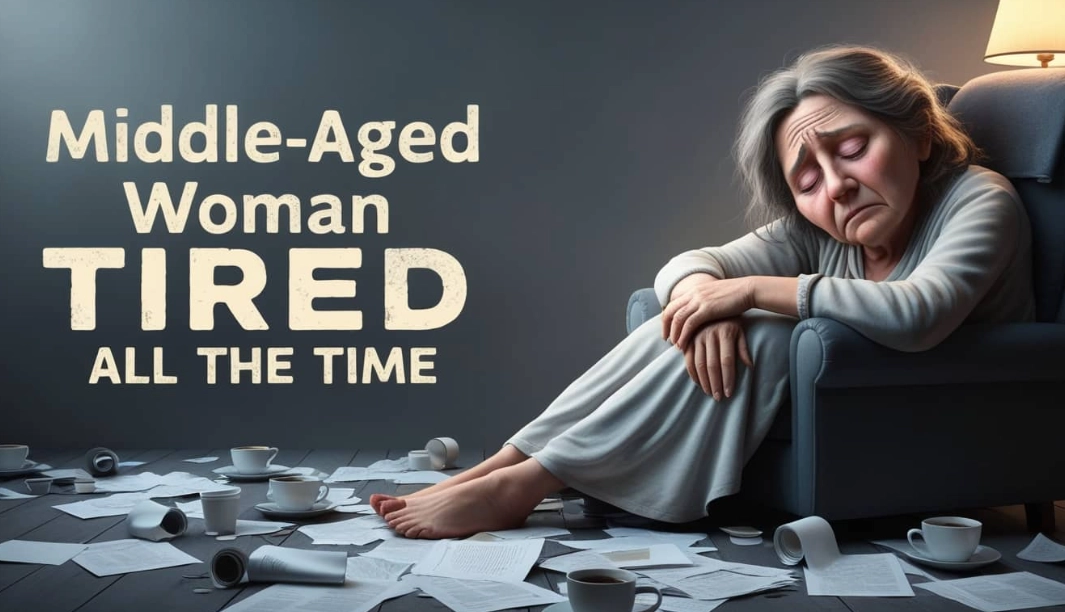
When progesterone declines (often the first hormone to dip), its calming, sleep-promoting effect diminishes. This can leave estrogen relatively dominant, which for some women feels like anxiety and wired-but-tired energy. This state keeps cortisol (your stress hormone) elevated. High evening cortisol is a direct ticket to non-restorative sleep.
Furthermore, estrogen helps regulate mitochondrial function—the power plants in your cells. Fluctuating estrogen can literally reduce your cellular energy output. So you're not imagining it; your body's fundamental energy production machinery is potentially running less efficiently.
| Hormonal Shift | Direct Impact on Energy | What It Might Feel Like |
|---|---|---|
| Declining Progesterone | Reduced sleep quality, increased anxiety, less buffering of stress. | "I'm exhausted but my mind won't shut off at night." |
| Erratic Estrogen | Disrupted cellular energy (mitochondrial) function, hot flashes/night sweats. | "I have bursts of frantic energy followed by total crashes." |
| Elevated Cortisol | Interferes with sleep cycles, promotes muscle breakdown, impairs digestion. | "I'm tired and stressed all the time, and I'm gaining belly fat." |
| Thyroid Slowdown | Slows overall metabolism, affecting every cell's energy use. | "I'm tired, cold, constipated, and my hair is thinning." |
See how they connect? It's a cascade, not an isolated event.
Your Energy Reboot Action Plan: Steps That Actually Work
Okay, enough diagnosis. What do you actually do? Throwing random supplements at the problem is expensive and ineffective. You need a layered approach. Start here, in this order.
Layer 1: The Medical Detective Work (Week 1-2)
Don't guess. Test. Schedule a doctor's appointment and advocate for yourself. Come prepared.
"Doctor, I'm experiencing persistent fatigue that's impacting my quality of life. I'd like to explore common causes for women my age. Can we run a comprehensive panel to check my thyroid (TSH, Free T3, Free T4, antibodies), iron studies (ferritin), Vitamin B12, Vitamin D, and a basic metabolic panel? I'm also curious about my cortisol patterns or sex hormones given my age."
Getting this baseline is non-negotiable. It rules out conditions like hypothyroidism or anemia and gives you a map.
Layer 2: The Nutritional Reboot (Start Today)
Forget fad diets. Focus on strategic nourishment.
Prioritize Protein at Breakfast. Scrambled eggs, Greek yogurt, a smoothie with protein powder. This stabilizes blood sugar and provides tyrosine, a precursor for dopamine and thyroid hormones, setting a stable energy tone for the day.
Time Your Carbs. Have your more complex carbs (sweet potato, quinoa, oats) around lunch or post-workout, not right before bed. This can help with sleep quality and temperature regulation.
Consider Digestive Support. If you have bloating, gas, or heartburn, your absorption might be poor. Try drinking a tablespoon of apple cider vinegar in water before a protein-heavy meal, or discuss betaine HCL supplements with a practitioner.
Layer 3: The Sleep & Stress Reset
This isn't about more sleep; it's about better sleep.
Cool Down. Drop your bedroom temperature to 65-68°F (18-20°C). Use moisture-wicking bedding. Take a warm bath 1-2 hours before bed—the subsequent drop in core temperature signals sleep.
Manage the Cortisol Curve. High cortisol at night is a killer. Implement a "power-down hour" with no screens. Try a simple breathing exercise: 4-second inhale, 7-second hold, 8-second exhale. Do this for 2 minutes. It directly activates your parasympathetic (rest-and-digest) nervous system.
Move Strategically. Intense evening workouts can raise cortisol. Shift vigorous exercise to morning or afternoon. Gentle evening movement like walking or stretching is ideal.
The goal is to send clear signals to your body: day is for energy, night is for repair.
Your Fatigue Questions, Answered Honestly
I've had my thyroid checked and it's "normal," but I still have all the symptoms of being tired and sluggish. What gives?
The standard TSH test is notoriously broad. Many women feel best with a TSH around 1.0-2.0 mIU/L, but labs often flag anything below 4.5 or 5.0 as normal. You need to see your actual numbers. Ask for Free T3 and Free T4 as well. Free T3 is the active hormone that powers your cells. Sometimes the body doesn't convert T4 to T3 efficiently, especially under stress or with nutrient deficiencies (like selenium or zinc). You can have a "normal" TSH but low Free T3, leaving you exhausted.
Are there specific supplements that actually help with perimenopause fatigue, or is it a waste of money?
It's not a waste if you're targeted. Blanket supplementing is. Based on common deficiencies: a high-quality Magnesium Glycinate (200-400mg before bed) can improve sleep depth and muscle relaxation. Vitamin D3 with K2 is crucial if your levels are low, as it impacts immune function and mood. For B12, methylcobalamin sublingual drops often work better than cyanocobalamin pills if absorption is an issue. Adaptogens like ashwagandha can help modulate cortisol, but they don't work for everyone—some people feel more lethargic. Start with one thing at a time, and give it 3 months.
 How can I tell if my fatigue is just aging or something more serious I should rush to the doctor for?
Persistent fatigue is your body's alarm system. "Just aging" shouldn't mean a drastic decline in quality of life. Red flags that warrant a prompt doctor visit include: fatigue accompanied by unexplained weight loss, shortness of breath, chest pain, palpitations, severe headaches, changes in bowel or bladder habits, or feelings of deep depression/hopelessness. If the fatigue is new, debilitating, and unrelenting for more than 2-3 weeks despite rest, it's time for a medical investigation. Don't let anyone dismiss it.
I'm too tired to exercise, but everyone says exercise gives you energy. How do I break this cycle?
The advice to "just exercise" can feel insulting when you're depleted. Redefine exercise. It's not about hitting the gym for an hour. It's about movement that matches your energy bank balance. On a terrible day, that might be 5 minutes of stretching on the floor or a slow walk to the mailbox and back. The goal is to stimulate lymphatic flow and circulation, not to exhaust yourself further. Consistency with tiny efforts builds momentum and can actually improve mitochondrial function over time. Start with a non-negotiable 10-minute daily walk. That's it.
The path from constant fatigue to renewed energy isn't a straight line. It requires playing detective in your own body, challenging dismissive norms, and making consistent, small deposits into your energy bank. For the 45-year-old woman feeling tired all the time, the solution lies in connecting the dots between hormones, nutrients, and lifestyle—and then taking purposeful, informed action. You have more control than you think. Start with one test, one dietary tweak, one sleep hygiene habit. Your energy is waiting to be reclaimed.
Reader Comments