You’ve tried counting sheep, cutting out coffee after noon, and even that expensive weighted blanket. You're still staring at the ceiling at 2 AM. The search for a good night's sleep leads many of us to the supplement aisle, wondering if vitamins for sleep actually work. The short answer is yes, but it's not as simple as grabbing the first bottle labeled "sleep aid." I spent years as a nutritionist watching clients make the same mistakes—taking the wrong thing, at the wrong time, for the wrong reason. This guide cuts through the noise. We’ll look at the specific vitamins and minerals that have real scientific backing for improving sleep quality, how they work in your body, and the practical details like dosage and timing that most articles gloss over.
What's Inside This Guide?
How Do Vitamins and Minerals Actually Improve Sleep?
Think of sleep vitamins not as magic pills, but as essential co-factors. They support the biochemical pathways that govern your sleep-wake cycle. The master conductor of this cycle is your circadian rhythm, heavily influenced by the hormone melatonin. Certain nutrients are directly involved in producing melatonin. Others, like magnesium, act as natural relaxants for your nervous system, quieting the mental chatter and physical tension that keep you awake. A deficiency in these key players can throw the whole system off. Research from the National Institutes of Health points to clear links between low levels of specific micronutrients and poor sleep quality. So, while they won't replace good sleep habits, they can provide critical support when your body's own resources are running low.
The Top 3 Vitamins and Minerals for Better Sleep
Let's get specific. Based on clinical evidence and my own practice, these three stand out. Forget the long, generic lists. We're focusing on what has the strongest track record.
Key Insight: The biggest mistake I see is people treating all sleep supplements the same. A mineral like magnesium works on a completely different pathway than a hormone like melatonin. Picking the right one depends on why you can't sleep.
1. Magnesium: The Natural Relaxant
If your mind races or your legs feel restless at night, magnesium might be your missing piece. It's a mineral that plays a role in over 300 enzyme reactions, many related to calming the nervous system. It helps regulate neurotransmitters that send signals to your brain and muscles. A review in the Journal of Research in Medical Sciences found that magnesium supplementation improved sleep efficiency and time in older adults with insomnia.
What to look for: Not all magnesium is equal. Magnesium glycinate and magnesium citrate are the forms best absorbed for relaxation. Avoid magnesium oxide—it's poorly absorbed and better for digestive issues.
Typical Dose: 200-400 mg about 30-60 minutes before bed.
Food Sources: Spinach, pumpkin seeds, almonds, black beans, avocado.
2. Melatonin: The Circadian Rhythm Regulator
Melatonin isn't a vitamin; it's a hormone your pineal gland produces in response to darkness. It tells your body it's time to sleep. Supplementing with it is most effective for specific scenarios: jet lag, shift work, or delayed sleep phase disorder (where you're a night owl). For general insomnia, it's less of a heavy hitter but can help you fall asleep slightly faster.
The mistake everyone makes: Taking too much. More is not better. Doses above 3-5 mg can lead to grogginess and may even disrupt your natural production. Start low—0.5 mg to 1 mg—30 minutes before bed.
3. Vitamin D: The Surprising Sleep Modulator
This one flies under the radar. We know vitamin D for bone health, but receptors for it are found in brain areas that control sleep. Low vitamin D levels are consistently linked to shorter sleep duration and more nighttime awakenings. A study published in Nutrients suggested that vitamin D supplementation might improve sleep quality, though the exact mechanism is still being mapped out. Think of it as foundational support.
Important: Get your levels checked. Supplementing blindly isn't advised. The common maintenance dose is 600-2000 IU daily, often taken in the morning with food.
| Nutrient | Primary Role in Sleep | Recommended Dose for Sleep* | Best Time to Take |
|---|---|---|---|
| Magnesium (Glycinate) | Muscle & nervous system relaxation, reduces cortisol | 200-400 mg | 30-60 min before bed |
| Melatonin | Signals sleep onset, resets circadian clock | 0.5 - 5 mg | 30 min before bed |
| Vitamin D3 | Regulates sleep-wake cycle pathways | 600-2000 IU (based on blood test) | Morning with a meal |
*Always consult a healthcare provider before starting new supplements, especially if you have health conditions or take medications.
How to Choose and Use Sleep Vitamins Safely
Buying supplements can feel like the wild west. Here’s a down-to-earth strategy.
First, rule out a deficiency. If you're constantly tired and can't sleep, a simple blood test from your doctor can check magnesium and vitamin D levels. It’s more precise than guessing.
Read the label, not just the front. Look for the specific form of the nutrient (e.g., "magnesium glycinate"). Check for third-party testing seals like USP, NSF, or ConsumerLab.com. This means an independent group has verified what's on the label is actually in the bottle.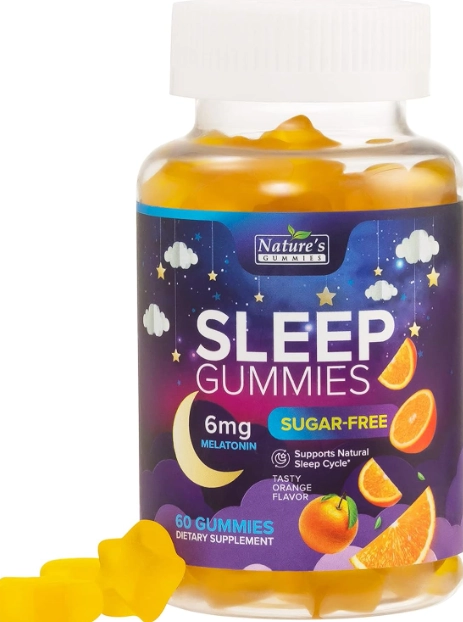
Start one at a time. If you try magnesium and melatonin together on night one, you won't know which one is helping (or causing a problem). Give each one a solid two-week trial alone.
Safety Check: Melatonin can interact with blood thinners, immunosuppressants, and diabetes medications. Magnesium can interfere with some antibiotics and osteoporosis drugs. A quick conversation with your pharmacist can save you a lot of trouble.
Beyond Vitamins: The Holistic Sleep Toolkit
Vitamins are support acts, not the main headliner. They work best when paired with what I call "sleep hygiene non-negotiables." No supplement can overcome the blue light from your phone at midnight or a room that's too warm.
Here’s what to pair with your sleep vitamins for maximum effect:
- Light Discipline: Dim lights 90 minutes before bed. Use blue light blocking glasses or phone settings. Get bright light first thing in the morning.
- The Temperature Drop: Your body needs to cool down to initiate sleep. Aim for a bedroom temperature around 65°F (18°C). A hot shower 1-2 hours before bed can actually help by causing a cooldown effect afterward.
- The Wind-Down Ritual: This isn't just a nice idea. It's a signal to your nervous system. It could be 10 minutes of light stretching, reading a physical book (not a tablet), or a simple breathing exercise.
I had a client who was taking high-dose melatonin with no effect. We discovered her evening routine involved intense Peloton rides at 9 PM. Her core body temperature was spiked right before bed. We moved her workout to the morning and added a magnesium glycinate supplement. Her sleep latency (time to fall asleep) dropped from over an hour to about 20 minutes within a week. The magnesium helped, but fixing the routine was the game-changer.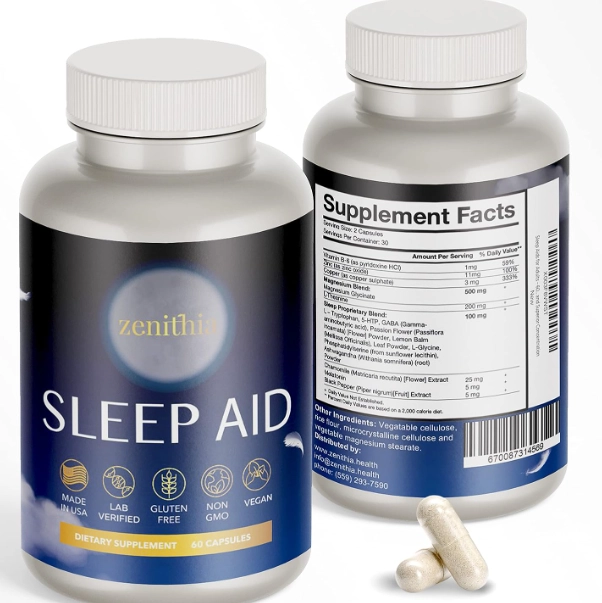
Reader Comments